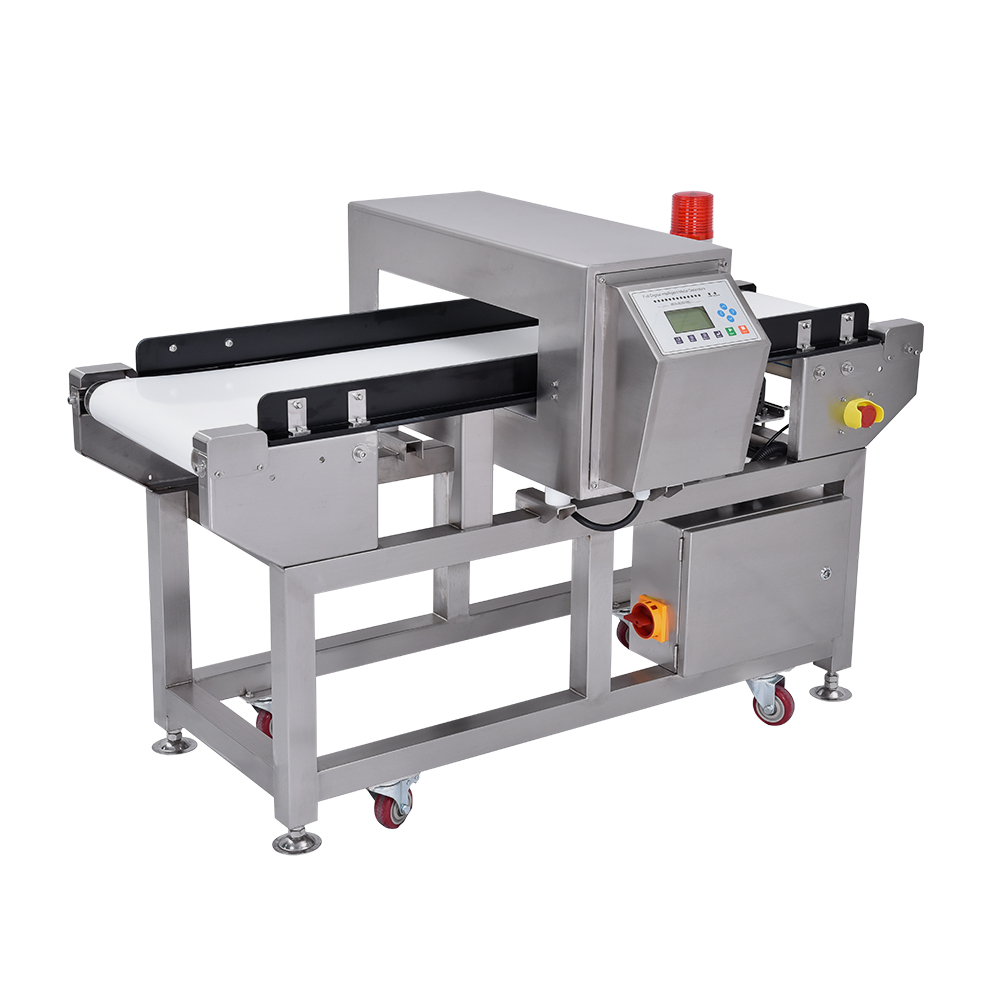
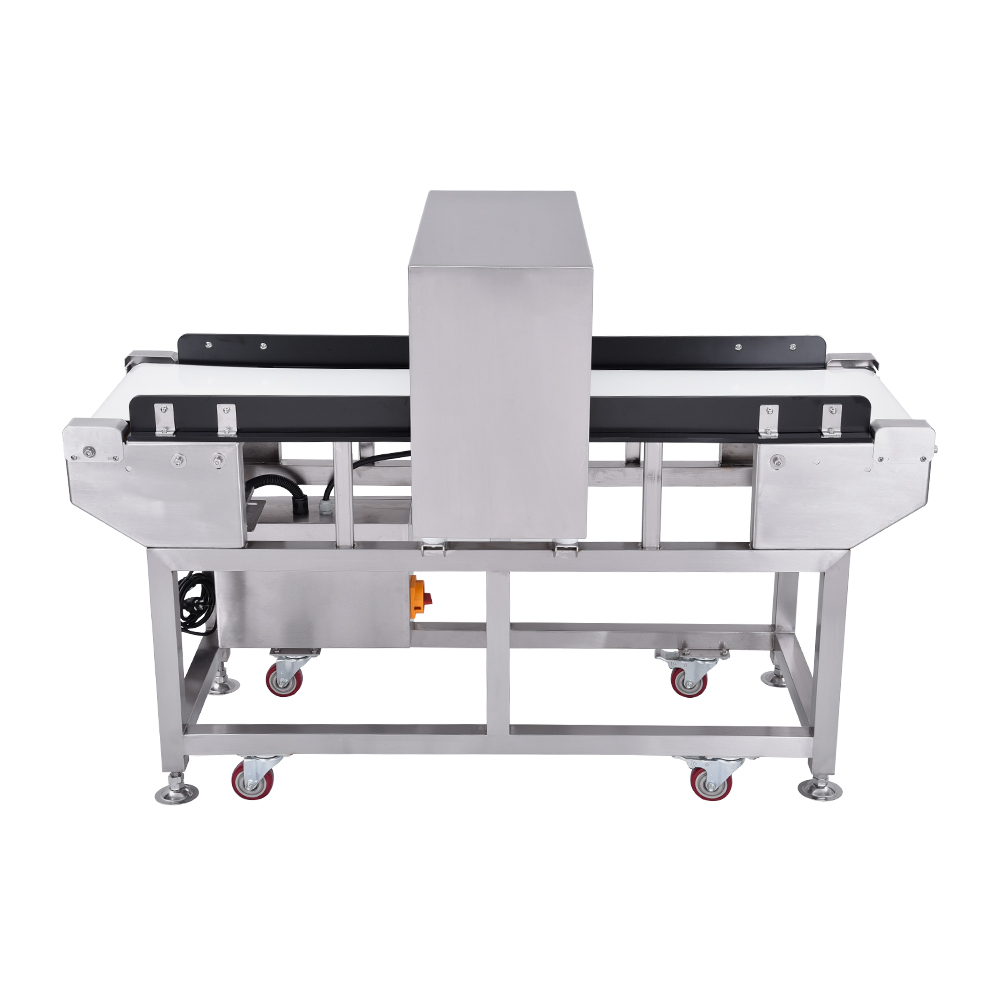
bakery metal detector
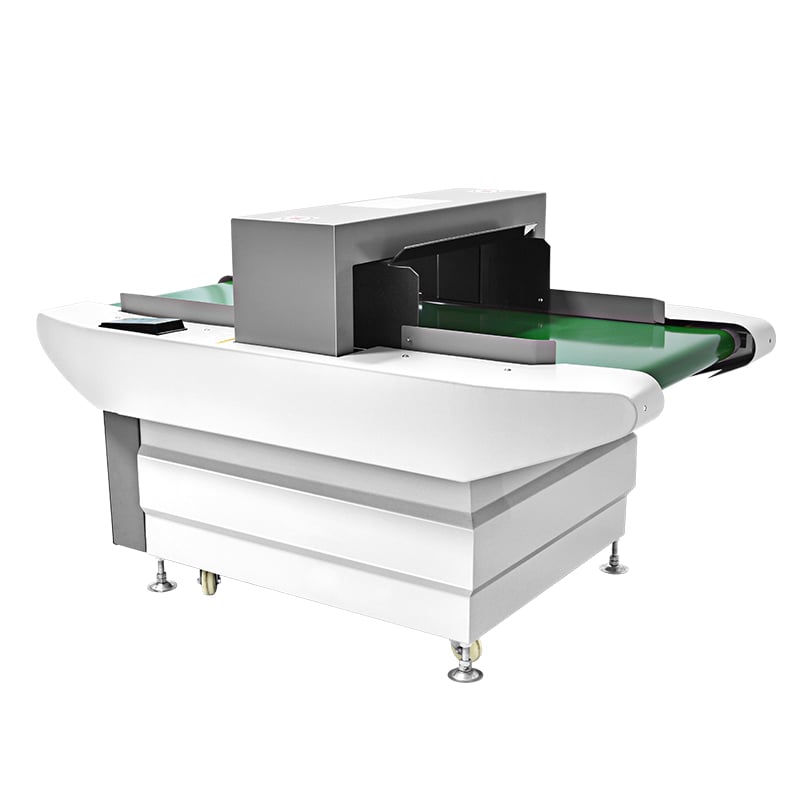
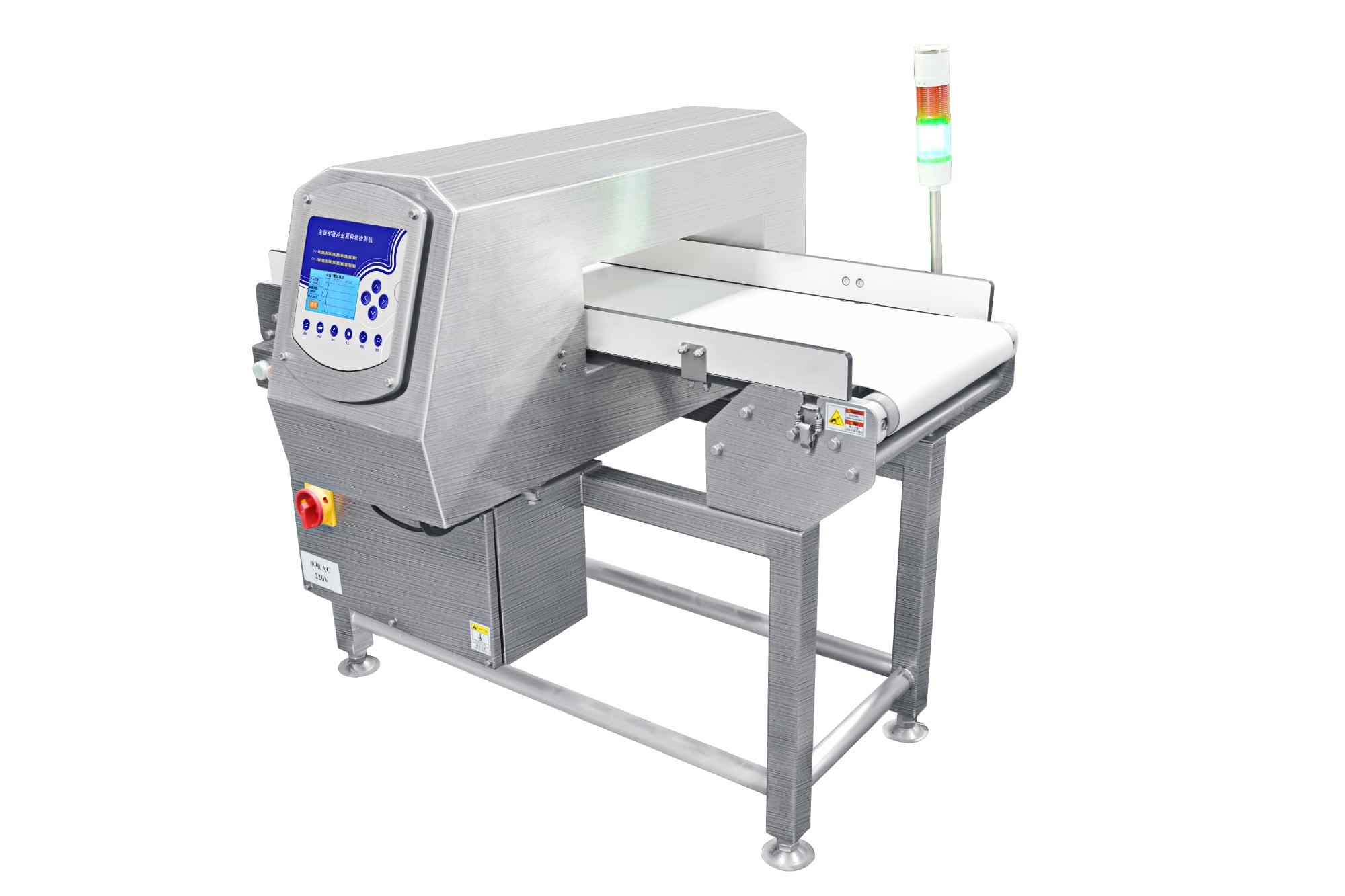
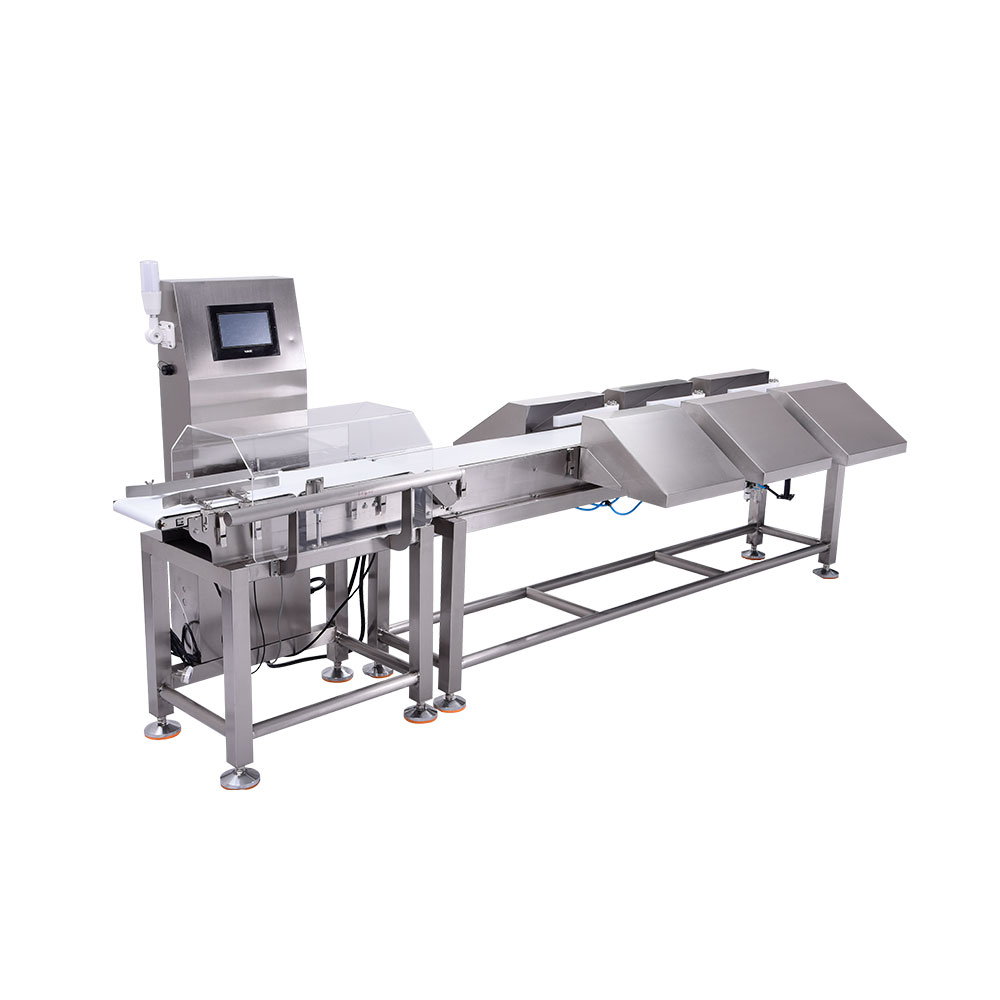
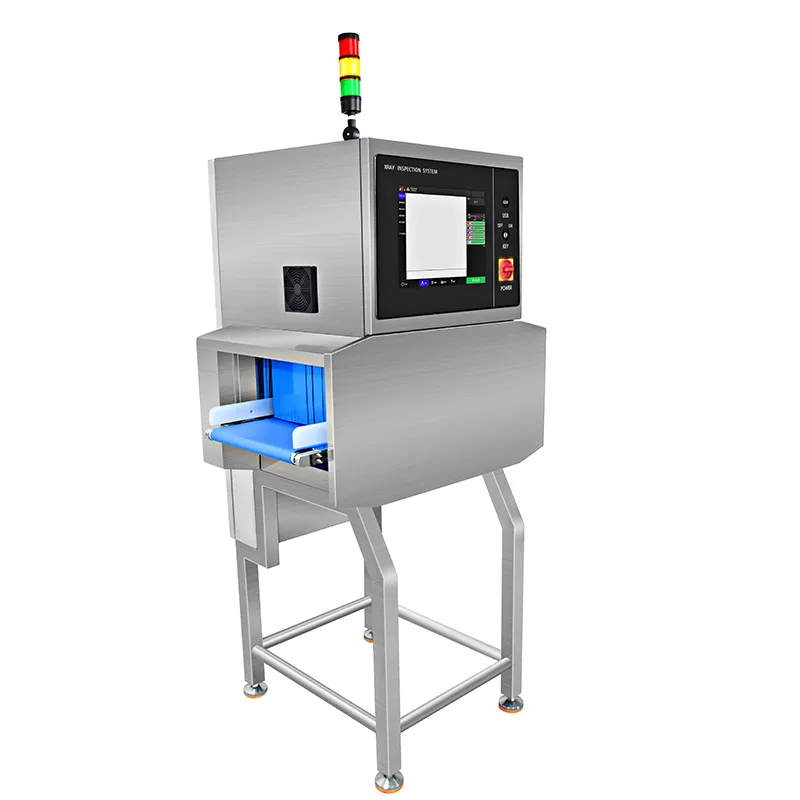
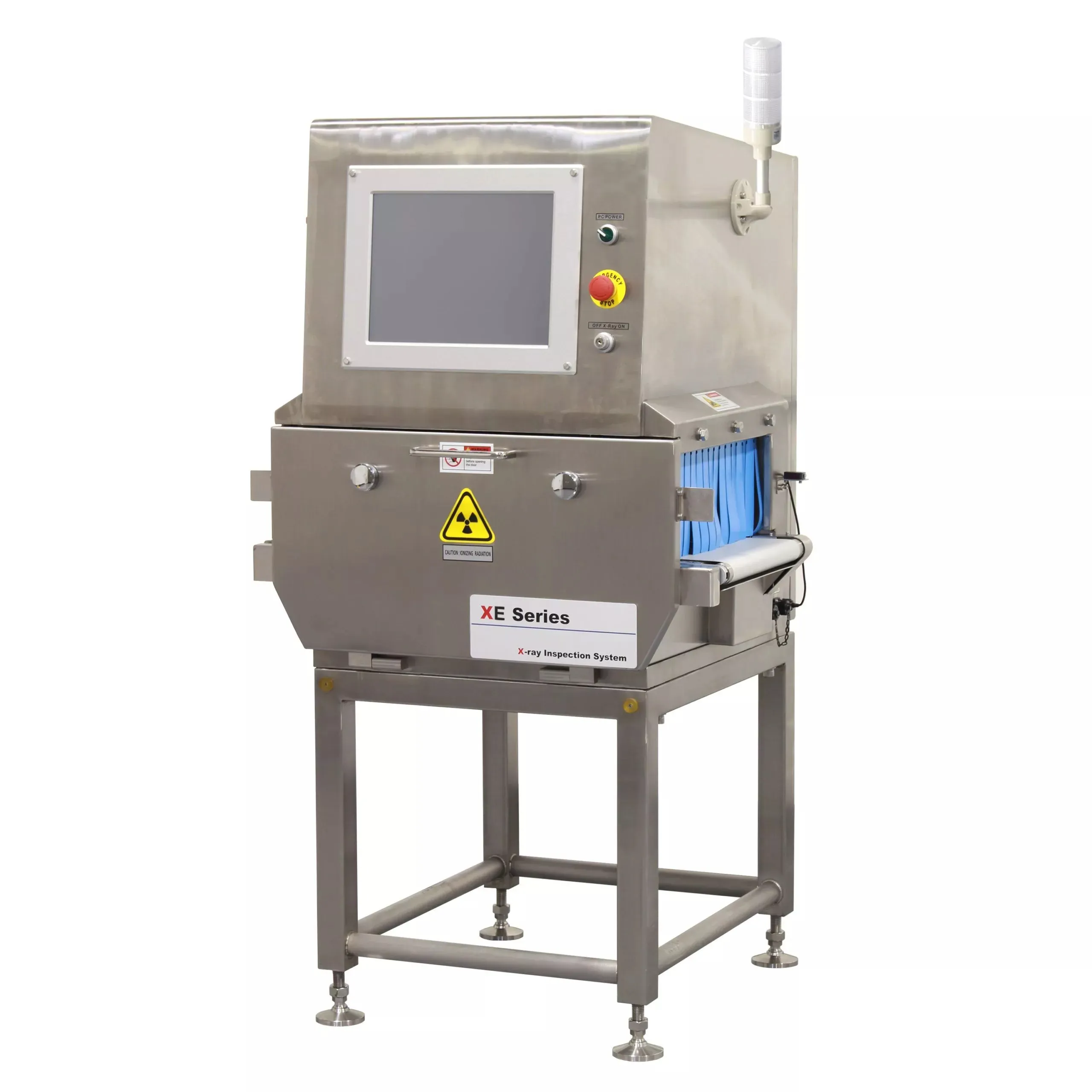
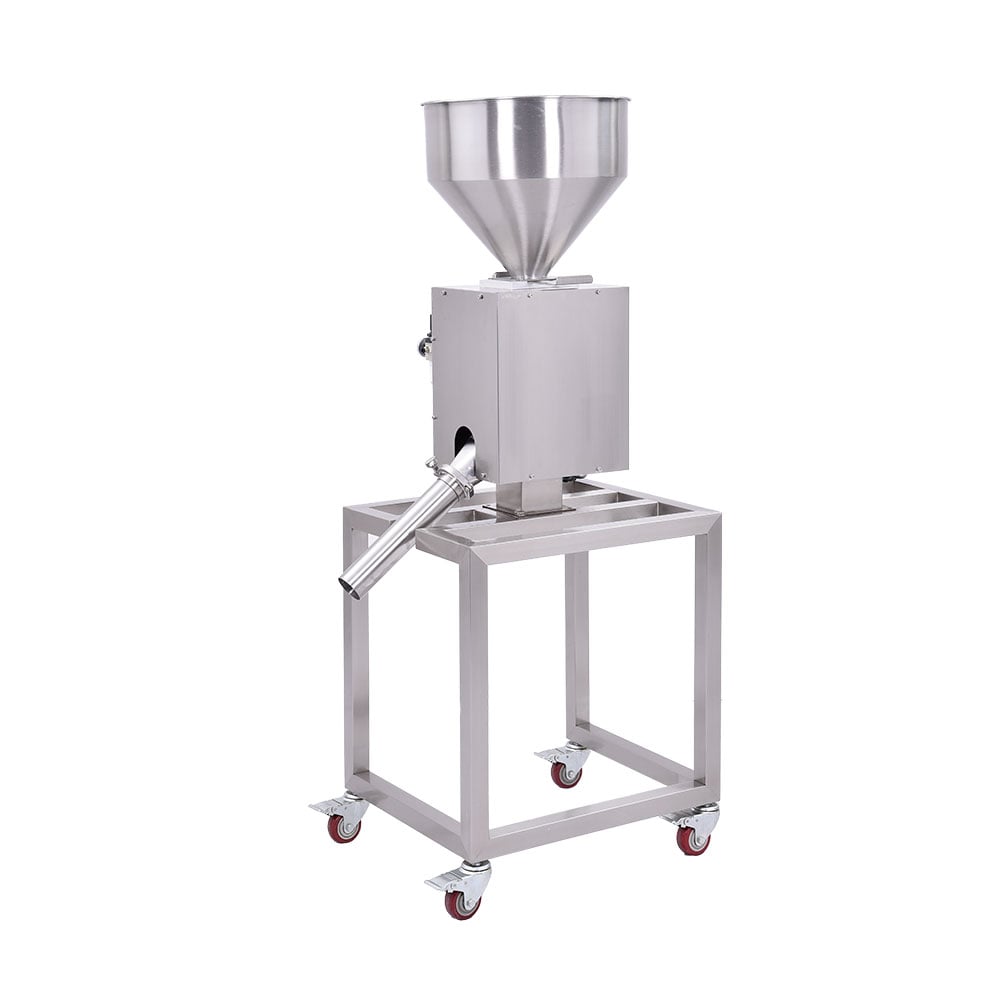
A bakery metal detector is an essential quality control device designed to protect consumers and maintain product integrity in bakery production environments. This specialized equipment automatically scans baked goods such as bread, pastries, cakes, and cookies for metal contamination before they reach customers. The bakery metal detector operates using advanced electromagnetic technology that identifies ferrous metals, non-ferrous metals, and stainless steel particles of various sizes.
The primary function of a bakery metal detector is to detect foreign metal objects that may accidentally enter products during manufacturing, mixing, or baking processes. Equipment wear, broken machinery parts, or metal fragments from processing equipment can contaminate baked goods, posing serious health and safety risks. A reliable bakery metal detector prevents these dangerous situations by identifying contamination instantly.
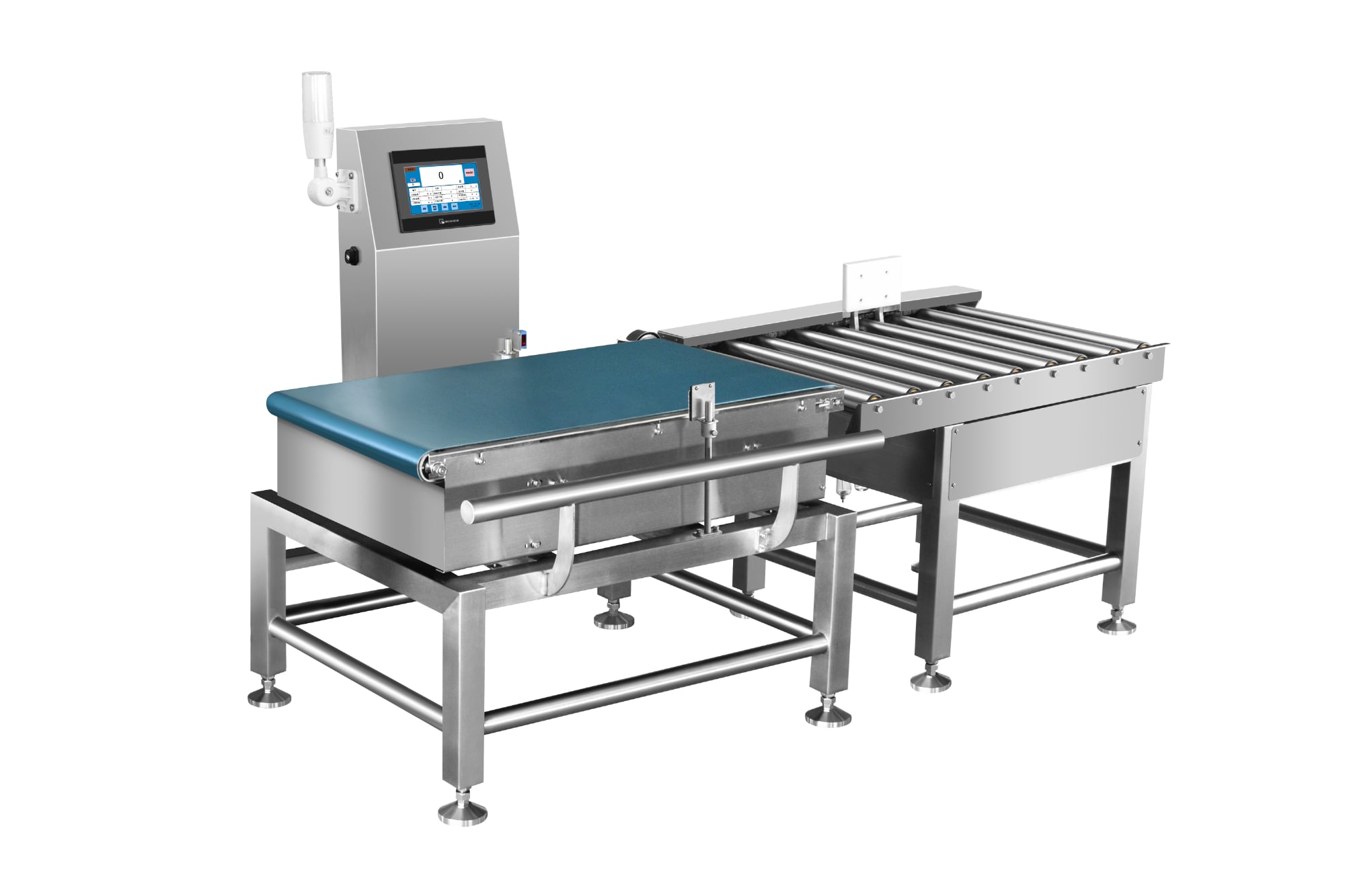
Modern bakery metal detectors feature sophisticated technological capabilities including adjustable sensitivity settings, digital displays, and automatic rejection systems. These devices integrate seamlessly into production conveyor lines, scanning products continuously without slowing operations. The bakery metal detector system provides real-time alerts when contamination is detected, enabling immediate intervention.
Applications for bakery metal detectors span commercial bakeries, artisan bread makers, pastry shops, and large-scale industrial facilities. Whether processing small batches or high-volume production, a bakery metal detector ensures consistent quality standards. Food safety regulations increasingly require metal detection in bakery operations, making this equipment mandatory for compliance in many regions.
 EN
EN