 EN
EN


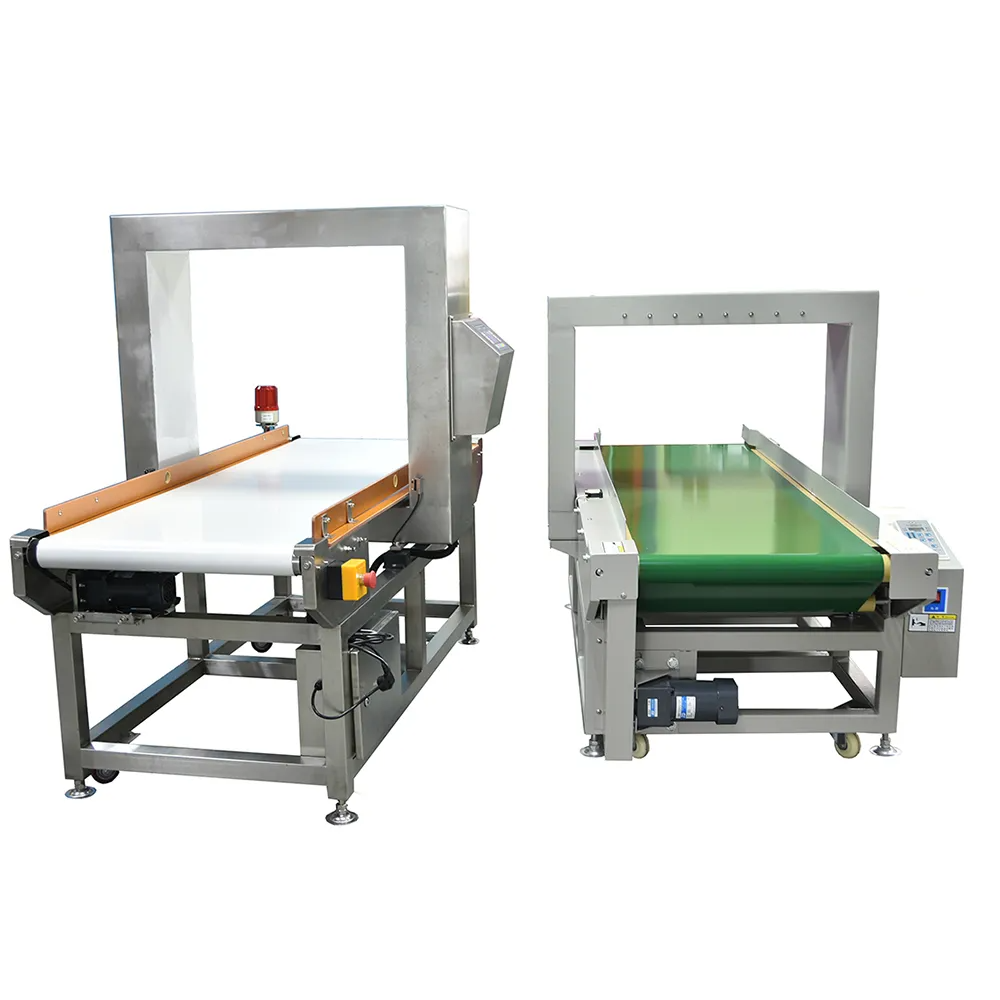
Detecting microscopic needle fragments in thick quilted materials represents one of the most critical challenges in modern textile manufacturing and garment production. When industrial sewing equipment operates at high speeds through dense fabric layers, needle breakage becomes inevitable, and even the smallest fragments pose serious safety and quality risks. A reliable needle detector becomes essential for protecting consumers and maintaining manufacturing integrity across the apparel and home textile industries.
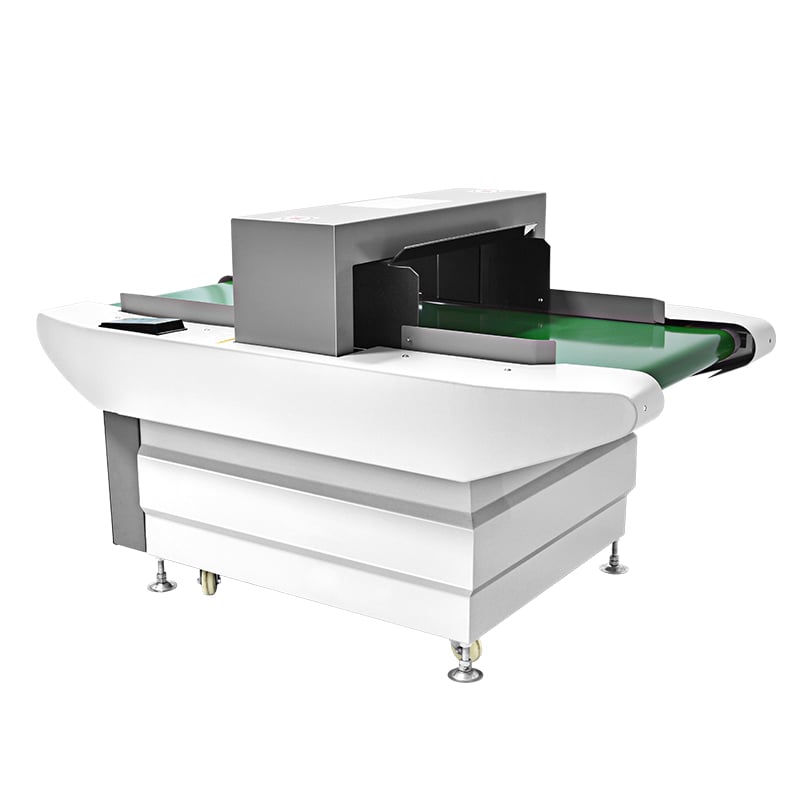
Quilted materials present unique detection obstacles because their thickness, layered construction, and internal padding absorb electromagnetic signals differently than flat woven fabrics. Understanding how garment inspection equipment adapts to these conditions helps manufacturers choose appropriate textile safety equipment for their production lines. The stakes are particularly high in quilted products like jackets, comforters, and automotive textiles where hidden needle fragments could directly reach end users.
Understanding the Challenge of Broken Needle Detection in Quilted Fabrics
Why Quilted Materials Complicate Needle Detection
Quilted textiles differ fundamentally from conventional woven or knit fabrics in ways that challenge traditional broken needle detection systems. The multiple layers, batting materials, and stitching patterns create irregular density throughout the product, causing standard sensors to produce inconsistent signals. Polyester fiberfill, cotton batting, and synthetic padding all interact differently with electromagnetic fields, meaning a needle detector calibrated for single-layer fabrics may fail to consistently identify fragments embedded deeper within the quilt structure.
The actual sewing process itself generates additional complications for garment inspection. Industrial needle bars moving rapidly through thick padding create heat, friction, and mechanical stress that fragments needles into pieces smaller than grains of sand. These microscopic particles can lodge between batting layers where visual inspection becomes impossible, and standard metal detection becomes unreliable. Manufacturers must deploy textile safety equipment specifically engineered to handle this complexity, not general-purpose metal detectors designed for other industries.
Regulatory and Safety Implications
Consumer protection regulations worldwide now mandate comprehensive broken needle detection in finished garments, particularly items designed for children or direct skin contact. European standards, North American requirements, and Asian market regulations all establish baseline expectations for needle detector sensitivity and false-alarm tolerance. Failure to implement proper garment inspection protocols exposes manufacturers to product recalls, liability claims, and market access restrictions that can devastate business viability.
Beyond regulatory compliance, brand reputation depends entirely on preventing needle-related injuries. A single incident where a consumer discovers needle fragments in a quilted product creates lasting damage through social media exposure and legal consequences. Investment in proper textile safety equipment represents insurance against catastrophic business interruption and protects both manufacturer credibility and customer trust.
How Advanced Needle Detector Technology Works on Thick Materials
Electromagnetic Sensing Principles for Dense Fabrics
Modern needle detector systems utilize sophisticated electromagnetic technology adapted specifically for challenging material profiles like quilted textiles. Rather than simple metal detection, these devices employ multi-frequency scanning that adjusts sensitivity based on fabric density and composition. The system continuously calibrates itself as products pass through the detection zone, learning the expected electromagnetic signature of the specific quilted material being inspected and flagging anomalies that indicate broken needle detection alerts.
The needle detector operates by generating multiple electromagnetic fields that penetrate through batting layers without losing signal strength. Each frequency band is designed to interact differently with various material compositions, collectively ensuring that even microscopic ferrous fragments cannot escape detection regardless of their location within the quilted structure. This multi-dimensional approach addresses the core challenge that single-frequency systems struggle to maintain consistent sensitivity across layered, irregular materials used in modern garment production.
Balancing Sensitivity Against False Alarms
Garment inspection equipment must solve a critical technical paradox: maximize sensitivity to catch microscopic fragments while minimizing false alarms that disrupt production flow. Quilted materials contain numerous buttons, decorative elements, metallic threads, and reinforcement components that legitimately exist in finished products. A needle detector must distinguish between these acceptable components and actual broken needle fragments, requiring sophisticated algorithms and machine learning integration that analyzes signal patterns rather than simply triggering on raw metal detection.
Textile safety equipment manufacturers calibrate systems during setup by establishing baseline signatures for each specific product style. This reference profile accounts for intentional metal components while rejecting anomalies that suggest unexpected needle fragments. Advanced models employ artificial intelligence to continuously refine detection parameters based on historical data, learning to reduce false positives while maintaining broken needle detection reliability across shifts in production variables like humidity, temperature, and fabric batch variations.
Best Practices for Implementing Needle Detector Systems in Quilted Production
Integration Points in Manufacturing Workflows
Successful garment inspection requires strategic placement of the needle detector within production sequences to maximize effectiveness while respecting practical workflow constraints. Most manufacturers install detection equipment immediately before final packaging, ensuring that any products containing needle fragments are intercepted before customer shipment. Some operations utilize inline detection during earlier stages, allowing contaminated products to be reworked rather than scrapped, though this increases complexity and requires careful process management.
The needle detector placement decision depends on product value, production volume, and rework feasibility. High-value quilted products like specialty jackets often warrant inline detection enabling rework decisions, while lower-value items typically use final-stage detection with automatic rejection protocols. Regardless of placement, textile safety equipment must achieve consistent throughput matching production line speeds without creating production bottlenecks that erode manufacturing efficiency and increase operational costs.
Maintenance and Calibration Requirements
Regular maintenance of needle detector systems ensures sustained performance and regulatory compliance throughout extended production runs. Daily calibration checks verify that sensitivity thresholds remain optimized for the current product specifications, typically using standardized test samples containing known needle fragments. Weekly deep cleaning prevents dust, fiber accumulation, and material residue from degrading sensor performance, while monthly comprehensive testing confirms that all detection channels function within specification.
Operators require formal training on needle detector operation, calibration procedures, and troubleshooting protocols specific to quilted material production challenges. Documentation systems must track calibration history, maintenance intervals, and broken needle detection events for regulatory audit purposes. This systematic approach to garment inspection management transforms the needle detector from a passive safety checkpoint into an active quality management tool that provides production insights and risk reduction across the entire manufacturing operation.
FAQ
Can a standard metal detector identify needle fragments in quilted textiles?
Standard metal detectors designed for general industrial use typically lack the sensitivity refinement and material-specific calibration required for reliable broken needle detection in thick quilted fabrics. Quilted materials' variable density and electromagnetic properties cause signal distortion that defeats conventional detection approaches, making specialized needle detector equipment essential for acceptable garment inspection performance in this application.
What distinguishes professional textile safety equipment from general metal detection systems?
Professional textile safety equipment incorporates multi-frequency scanning, adaptive sensitivity algorithms, and material-specific calibration protocols specifically engineered for garment production environments. These systems employ artificial intelligence and machine learning to distinguish intentional metal components from broken needle fragments, delivering the false-alarm reduction and detection reliability that production operations require for sustainable manufacturing economics.
How frequently should needle detector systems be calibrated for quilted material production?
Daily calibration checks using standardized test samples ensure optimal needle detector performance throughout production shifts, with comprehensive testing weekly and monthly maintenance protocols addressing sensor degradation. The specific calibration frequency depends on production volume, material batch changes, and equipment manufacturer recommendations, though most operations find daily verification necessary for maintaining consistent broken needle detection reliability in garment inspection workflows.