 EN
EN


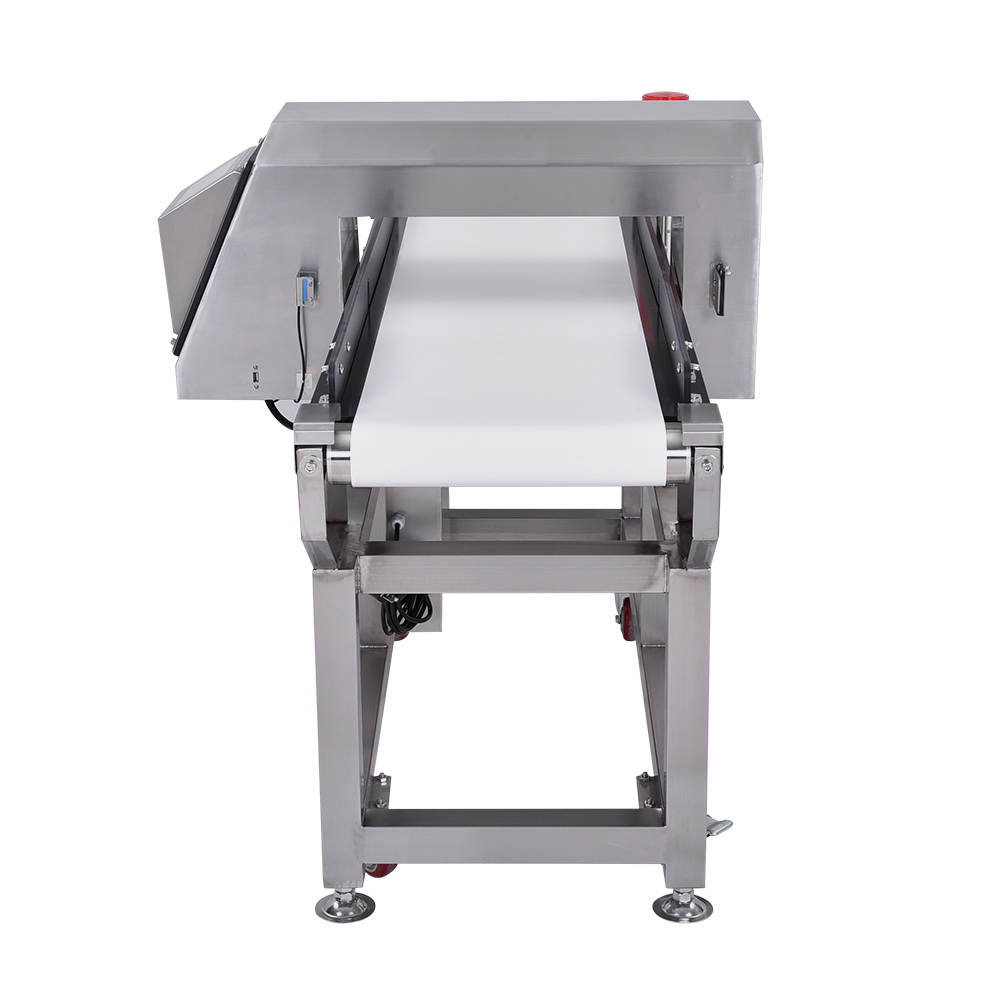
Modern food processing facilities face constant pressure to maintain product safety while optimizing production efficiency. A food metal detector represents a critical safeguard against metallic contamination, but its effectiveness increases dramatically when integrated with reject verification sensors. This combination creates a robust quality assurance system that not only identifies contamination but also verifies that rejected products are properly removed from the packaging line, ensuring consumer safety and regulatory compliance.
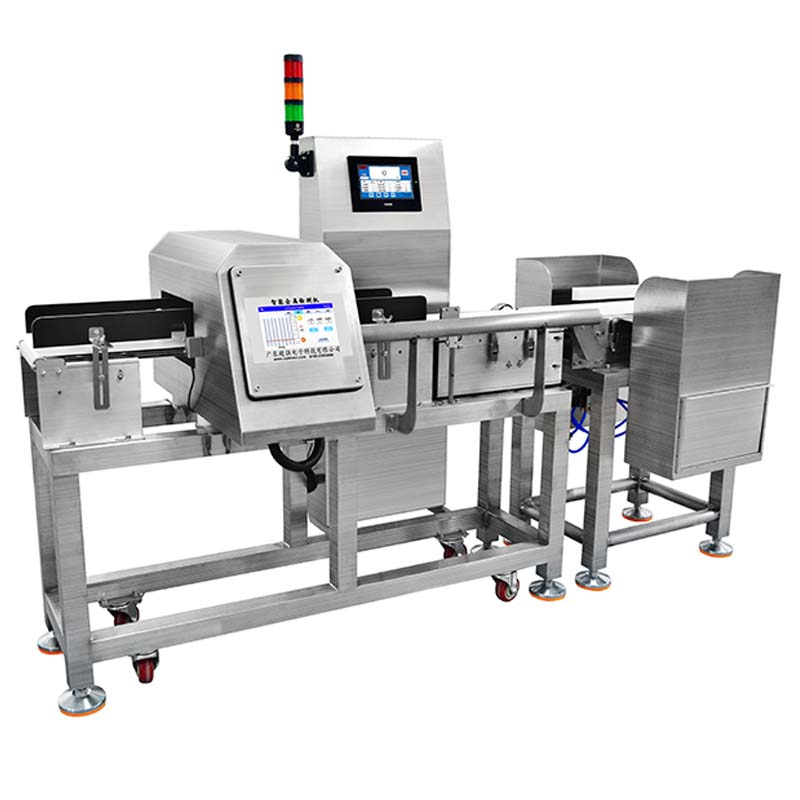
The integration of reject verification sensors with packaging line equipment transforms how manufacturers handle contamination detection. Rather than relying solely on the detection signal, verification sensors provide real-time confirmation that contaminated products have been physically ejected from the production line. This dual-verification approach reduces false rejects, minimizes product loss, and provides documented evidence of quality control measures for auditing purposes.
How Reject Verification Sensors Enhance Detection Systems
The Role of Verification in Quality Assurance
An industrial metal detector functions by scanning products for metallic particles, but without verification, operators cannot confirm that detected items were actually removed. Reject verification sensors close this critical gap by monitoring the ejection process itself. These sensors detect when a product is expelled from the line, creating an electronic record that matches the contamination detection event. This feedback loop ensures accountability and prevents contaminated products from reaching consumers.
Packaging line equipment operates at high speeds, sometimes processing hundreds of items per minute. At these velocities, manual inspection becomes impractical. Reject verification sensors operate automatically, capturing real-time data about every rejection event. This continuous monitoring allows facility managers to identify patterns, adjust detection sensitivity, and respond to quality issues before they escalate. The integration strengthens the overall contamination detection strategy by providing measurable confirmation of each rejection.
Technical Integration Points
The connection between a food metal detector and reject verification sensors typically occurs at the diverter valve or pneumatic ejection point. When the industrial metal detector identifies a suspect product, it sends a signal to activate the rejection mechanism. Simultaneously, the verification sensor monitors whether the product actually exits the line. If ejection fails, the system can trigger an alarm or halt production, preventing any contaminated item from continuing downstream. This redundant safety layer is essential for high-throughput operations where products move too quickly for visual confirmation.
Modern packaging line equipment often includes programmable logic controllers (PLCs) that coordinate all sensor inputs. These systems log each detection and rejection event with precise timestamps, creating an audit trail that demonstrates compliance with food safety regulations. Manufacturers can access this data to prove their contamination detection processes are functioning reliably, a critical requirement during regulatory inspections or product recall situations.
Benefits of Integrated Contamination Detection
Operational Efficiency and Cost Reduction
Integrating reject verification sensors with your food metal detector reduces unnecessary product losses. False rejects occur when the system flags products that contain no actual contamination, such as items with mineral-rich compositions that trigger metal detector sensitivity. Verification sensors help distinguish genuine contamination from false alarms by confirming actual rejection. This precision lowers waste rates and improves the overall yield of packaging line equipment, directly enhancing profitability.
The automation provided by integrated contamination detection also reduces labor costs. Operators no longer need to manually inspect rejected products or verify ejection events. Instead, the system handles verification automatically and records results digitally. Staff can focus on maintaining equipment and responding to system alerts rather than performing repetitive inspection tasks. This shift toward automation improves workplace efficiency and allows facilities to operate with leaner quality assurance teams.
Regulatory Compliance and Risk Management
Food safety regulations require documented proof that contamination detection systems are functioning properly. A food metal detector generates detection signals, but regulators increasingly expect verification evidence showing that rejected products were actually removed. Reject verification sensors provide this documentation through electronic records. This comprehensive data strengthens your facility's compliance posture and reduces liability in the event of a product recall or regulatory investigation.
Consumer confidence depends on demonstrable food safety measures. Retailers and brand owners now commonly require suppliers to implement integrated contamination detection systems that include verification capabilities. By deploying an industrial metal detector with reject verification sensors, your facility meets these market demands and enhances your competitive position. The system demonstrates to customers that your packaging line equipment incorporates multiple layers of quality assurance, building trust and supporting long-term business relationships.
Implementation Strategies for Maximum Effectiveness
System Design Considerations
Successful integration of reject verification sensors begins with proper system design. The sensors must be positioned to monitor the exact ejection point of your packaging line equipment, ensuring they capture rejection events reliably. Food metal detector manufacturers often provide integration guidelines that specify optimal sensor placement, cabling requirements, and signal compatibility. Working closely with equipment specialists during installation ensures the contamination detection system functions seamlessly and delivers consistent performance.
Calibration and testing are essential after installation. The food metal detector must be tuned to your specific product characteristics, while verification sensors must be adjusted to reliably detect ejection events across different product sizes and weights. Regular testing protocols should be established to confirm both detection and verification functions are operating correctly. This ongoing validation ensures your industrial metal detector and verification system continue to provide reliable contamination detection throughout their operational lifespan.
Data Management and Continuous Improvement
Modern packaging line equipment generates substantial data through integrated sensors. This information represents a valuable resource for continuous improvement. By analyzing detection and rejection patterns, managers can identify contamination sources, adjust processes, and enhance overall food safety performance. Some facilities use this data to predict equipment maintenance needs or identify supplier quality issues that introduce contamination risks. The intelligence gained from comprehensive contamination detection data drives meaningful operational improvements.
Training staff to interpret sensor data and respond to system alerts ensures your investment delivers maximum value. Operators should understand how the food metal detector and verification sensors function together, what different alert conditions mean, and how to troubleshoot common issues. Well-trained teams maximize system effectiveness and maintain the contamination detection capabilities your facility depends on for protecting consumers and meeting regulatory requirements.
FAQ
What is the primary advantage of adding reject verification sensors to a food metal detector?
The primary advantage is confirmation that contaminated products are actually ejected from the packaging line. While an industrial metal detector identifies contamination, verification sensors prove rejection occurred, creating an audit trail that demonstrates your facility's commitment to contamination detection and regulatory compliance.
Can reject verification sensors reduce false rejects in a packaging line?
Yes, verification sensors help reduce false rejects by providing precise confirmation of actual ejection events. When integrated with a food metal detector, the system distinguishes genuine contamination from false alarms, lowering product waste while maintaining the protective benefits of rigorous contamination detection.
Are reject verification sensors required by food safety regulations?
While regulations require contamination detection, specific verification requirements vary by jurisdiction and industry standards. However, leading food safety frameworks increasingly expect documented evidence that rejected products were removed. Adding reject verification sensors to your food metal detector and packaging line equipment strengthens compliance and meets evolving regulatory expectations for comprehensive quality assurance.