 EN
EN


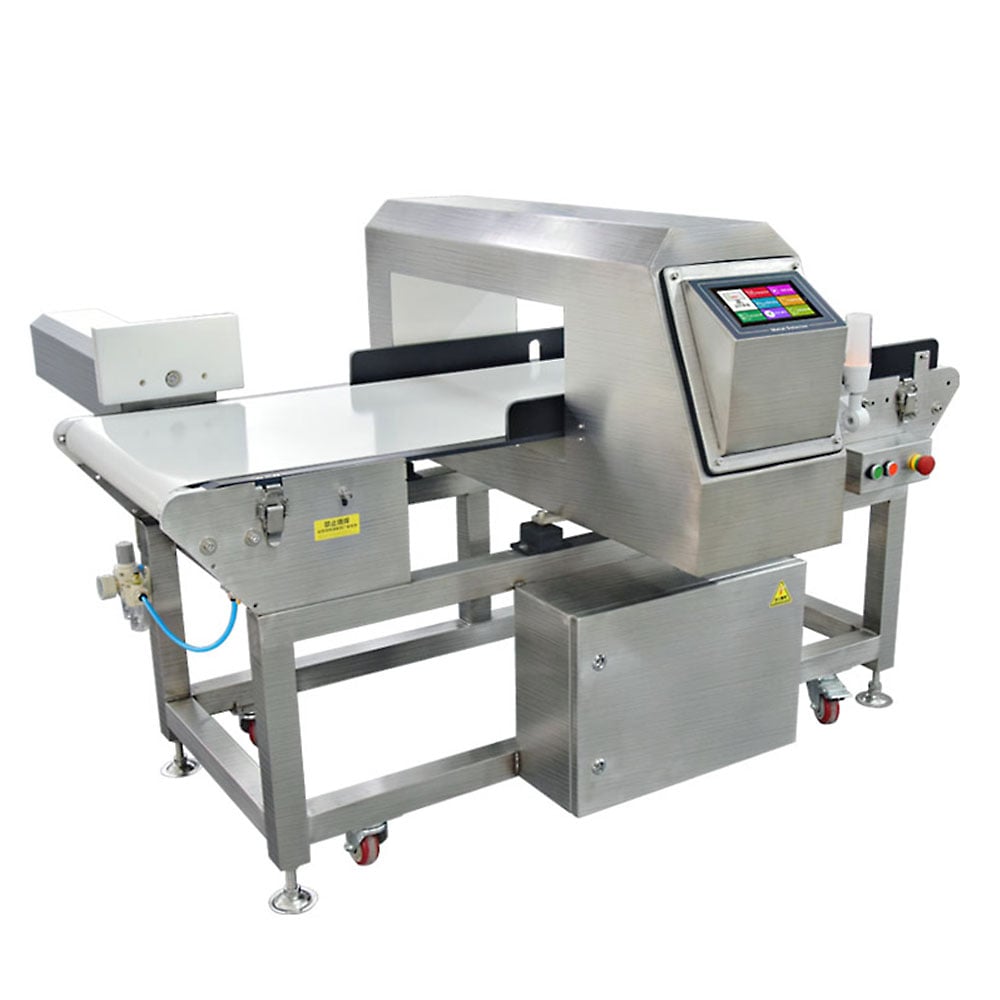
Detectio foliorum metallicorum exigui profilus unam ex difficillimis applicationibus in inspectione metallica industriali repraesentat. Cum folium aluminium, pellicula metallica, aut materiae conductivae ultra-tenues per lineas productionis moventur, instrumenta communia inspectionis metallicae...
VIDE MAGIS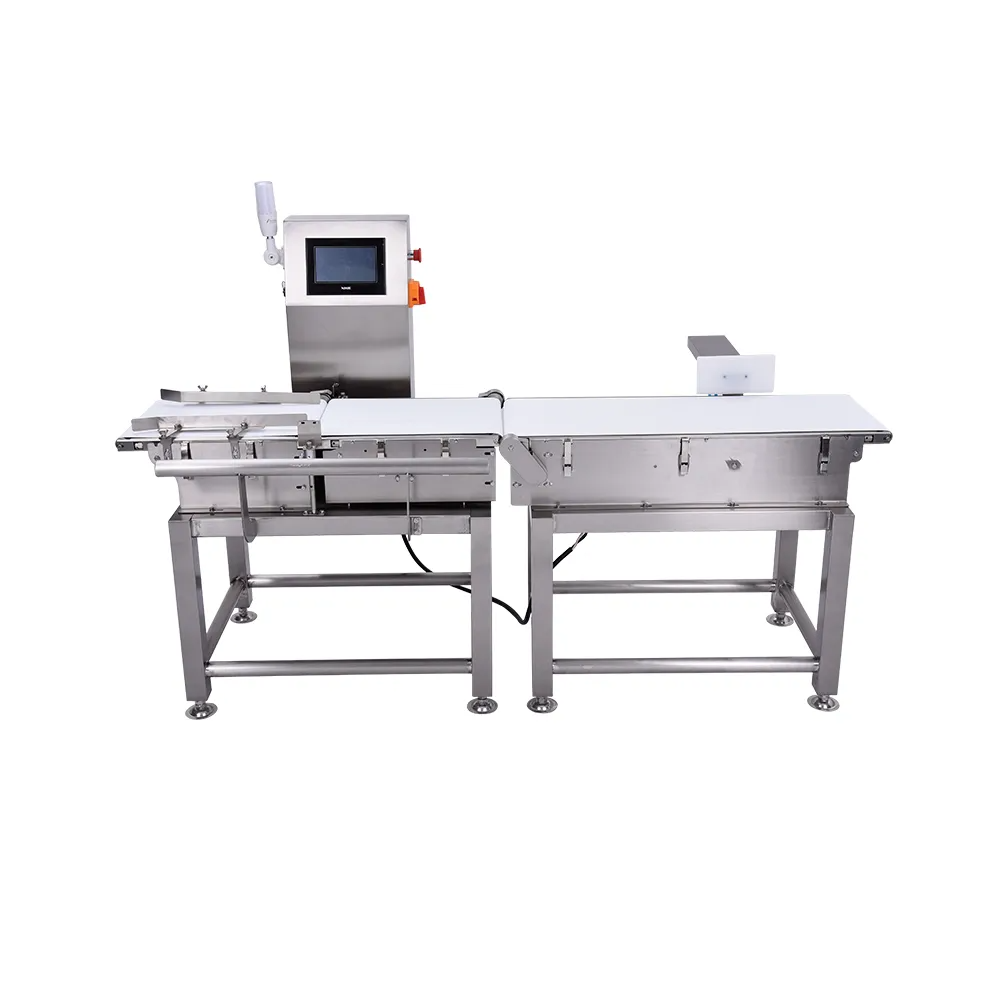
Evaluating dynamic calibration procedures for a weight sorting machine is critical to maintaining accuracy and operational efficiency in industrial processing environments. Whether you're managing a facility that handles food products, pharmaceuticals, or other precision-sensitive goods, consistent calibration ensures reliable weight-based decision-making and minimizes product waste and compliance risk.
VIDE MAGIS
Dropped product errors represent one of the most frustrating operational challenges in modern food and manufacturing facilities. When your weight sorting machine fails to properly grip, transport, or discharge items, production halts, waste accumulates...
VIDE MAGIS
Selecting the right sorter mechanism for your weight sorting machine directly impacts throughput, accuracy, and long-term operational costs. The three dominant sorter types—paddle, air jet, and drop gate—each offer distinct advantages depending on your product characteristics, line speed, hygiene requirements, and maintenance preferences.
VIDE MAGIS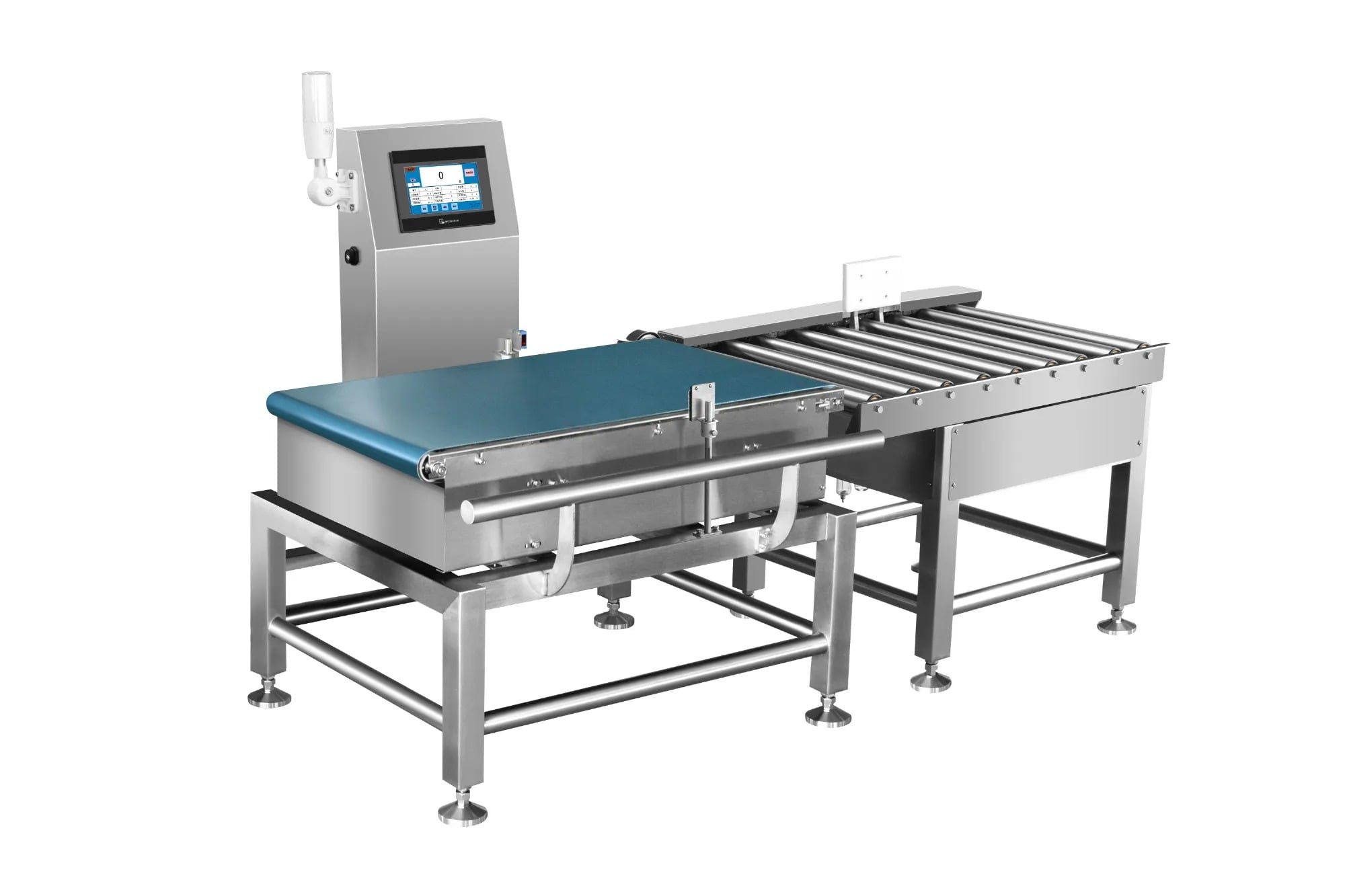
Handling rigid and semi-rigid containers on a checkweigher presents unique operational challenges that directly impact product quality, compliance, and throughput efficiency. Unlike flexible packaging, rigid and semi-rigid containers exhibit different...
VIDE MAGIS
Precise calibration of multi zone classification scales represents a critical operational requirement for any modern commercial weight sorter system. When product flow moves across a sorting system, each zone must classify items with consistent accur...
VIDE MAGIS
Handling lightweight soft packaging materials presents unique challenges in automated production environments. A weight sorter system must accommodate materials that compress, shift, and move unpredictably during transit. Unlike rigid containers, soft packages—such as pouches, sachets, and flexible film wraps—require specialized conveyor design, gentle handling controls, and adaptive weighing algorithms to ensure stable positioning and measurement integrity.
VIDE MAGIS
Statistical process control (SPC) represents a powerful methodology for monitoring and optimizing manufacturing quality, and when combined with modern weight sorter technology, it creates a robust framework for consistent product accuracy. A weight s...
VIDE MAGIS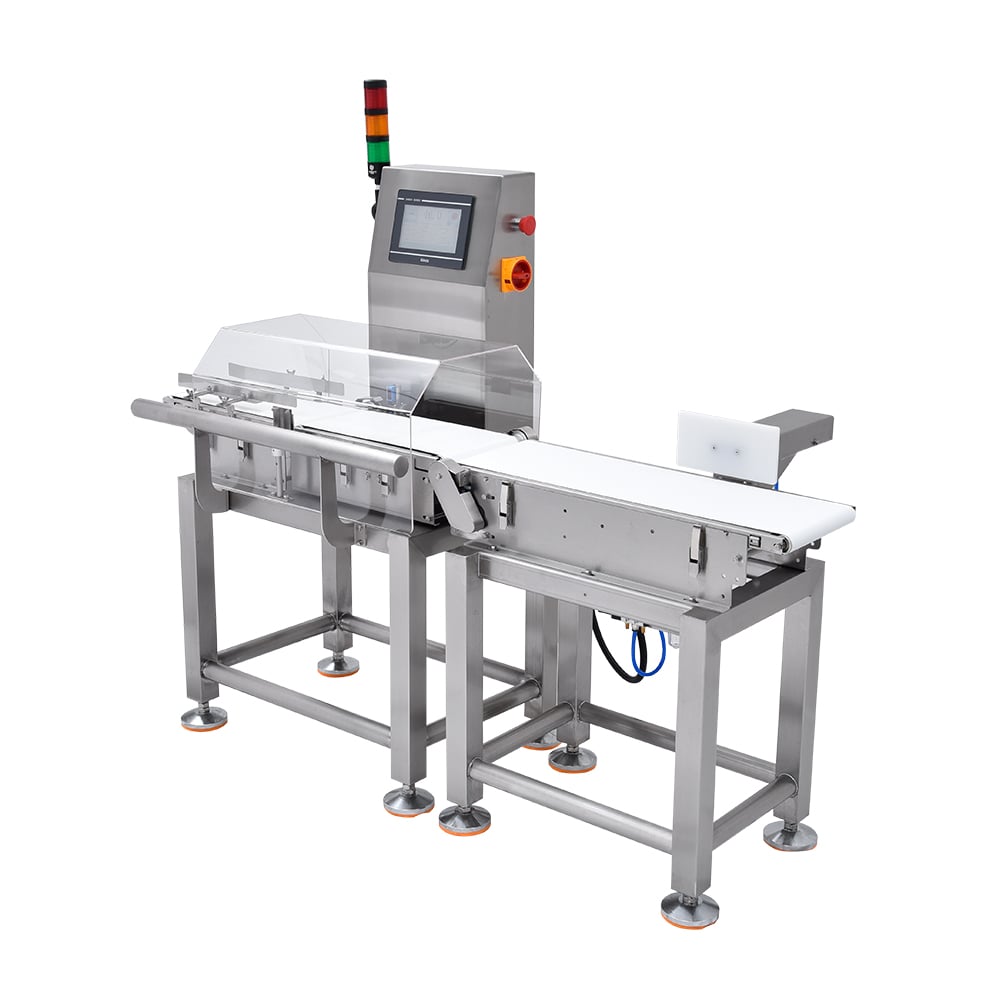
High-speed production environments demand absolute precision in product verification. A modern weight sorter relies on sophisticated dynamic weighing cells to maintain accuracy even when processing hundreds of items per minute. Understanding how thes...
VIDE MAGIS
Wear of conveyor belt represents one of the most common yet frequently overlooked causes of weight drift in industrial weight sorter systems. When belts degrade over time, they alter the load distribution and contact characteristics between products and...
VIDE MAGIS
Modern automated packaging lines demand precision, speed, and above all, safety. When manufacturing textiles, apparel, or soft goods, the risk of needle fragments contaminating products represents both a quality and liability concern. A needle detector unit ensures reliable, real-time detection to prevent recalls and safeguard end users.
VIDE MAGIS
Proper calibration of an aluminum foil metal detector is essential for maintaining product safety and operational efficiency in confectionery production lines. Confectionery manufacturers face unique challenges when implementing metal detection systems...
VIDE MAGIS