 EN
EN


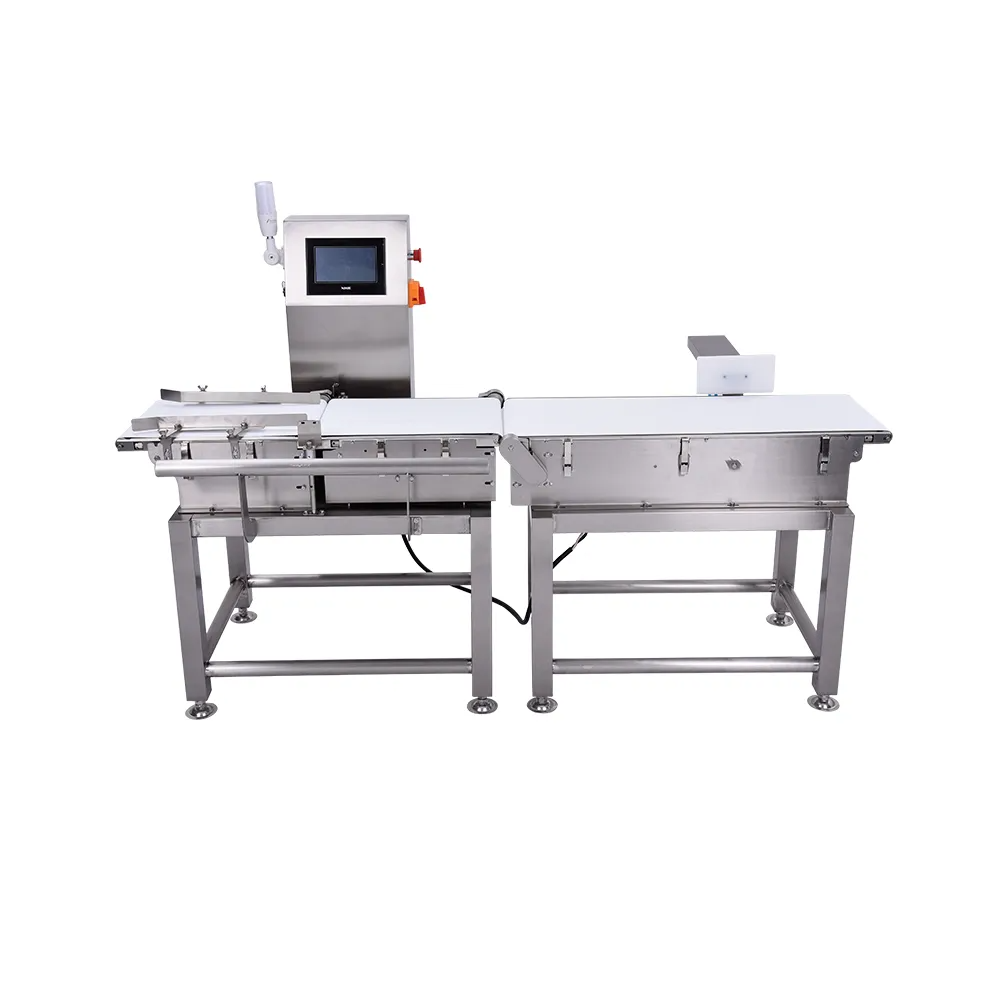
Statistical process control (SPC) represents a powerful methodology for monitoring and optimizing manufacturing quality, and when combined with modern weight sorter technology, it creates a robust framework for consistent product accuracy. A weight sorter serves as the operational foundation for real-time measurement data, while SPC principles transform that data into actionable insights that drive continuous improvement. This integration is not merely a technical enhancement but a strategic approach that significantly reduces sorting errors, minimizes product giveaway, and strengthens compliance across regulated industries.
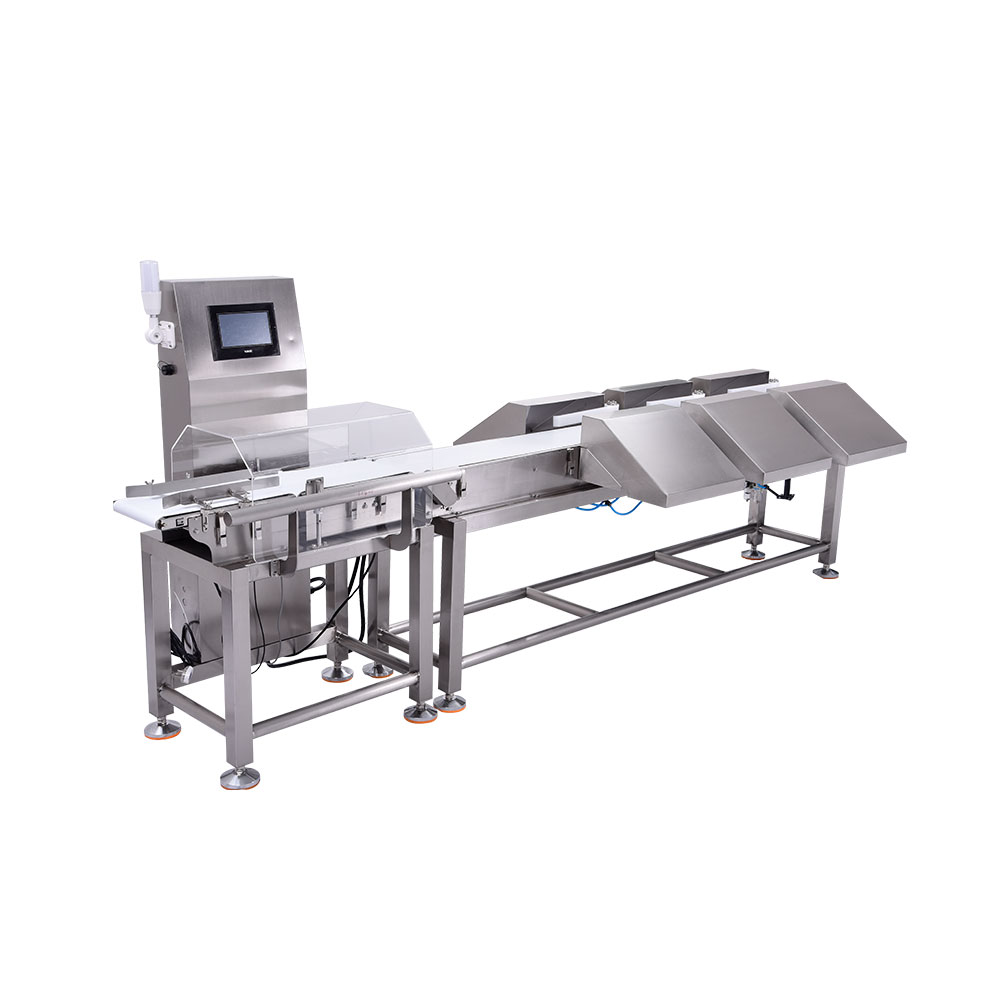
The convergence of statistical process control with weight sorter systems enables manufacturers to move beyond simple accept/reject sorting toward predictive quality management. By analyzing weight distribution patterns, trend shifts, and variability metrics captured by a checkweigher, production teams gain visibility into process drift before it causes widespread sorting failures. This proactive capability transforms how organizations approach quality assurance, reducing waste and improving operational efficiency across production lines.
Understanding Statistical Process Control Integration
Core Principles of SPC in Sorting Systems
Statistical process control operates on the premise that all processes exhibit natural variation, and distinguishing between normal variation and assignable causes is essential for maintaining control. When integrated into a weight sorter or checkweigher system, SPC monitors multiple statistical parameters including mean, standard deviation, and control limits. The system continuously compares incoming measurement data against established baseline values, flagging deviations that indicate process instability. This real-time analysis enables operators to identify when machine calibration has drifted, product density has changed, or environmental factors have shifted, allowing for immediate corrective action before sorting accuracy degrades.
Real-Time Data Capture and Analysis
Modern weight sorter software captures thousands of individual weight measurements per minute, providing a rich dataset for statistical analysis. Dynamic weighing technology ensures that products are measured at consistent points in their trajectory, eliminating measurement variability caused by inconsistent product positioning. The checkweigher communicates these measurements to the SPC module, which automatically calculates control statistics and compares them against pre-established specifications. Trends emerge from this continuous data stream, revealing patterns that would remain invisible when examining only individual sorting decisions. Advanced software platforms visualize these trends through control charts, trend analysis, and capability indices, making statistical insights accessible to operators and supervisors who may lack formal statistical training.
Implementing SPC with Your Sorting System
Establishing Baseline Performance Metrics
Successful integration begins with establishing accurate baseline performance metrics under controlled conditions. A weight sorter should operate for a representative production run—typically several hours or thousands of products—while operating at target speed with known product specifications. During this baseline period, the system records comprehensive measurement data that defines the process center, natural variation, and control limits. These metrics serve as the reference standard against which all subsequent production data is compared. Many dynamic weighing systems include software tools that automatically calculate upper control limits (UCL) and lower control limits (LCL) based on this baseline data, removing guesswork from threshold establishment.
Setting Effective Control Limits and Alarm Thresholds
Control limits derived from baseline data define the acceptable range of process variation; measurements beyond these limits signal that something has changed in the process. Unlike product specification limits, which define customer requirements, control limits define when the process itself has shifted. A well-configured checkweigher system allows operators to set distinct alarm levels—perhaps triggering a warning when measurements approach control limits but before actual sorting errors occur. This graduated alert system provides valuable warning time. The sorting system can also automatically log when measurements exceed specific thresholds, creating an audit trail that supports root cause analysis. Some advanced weight sorter platforms even implement automatic responses, such as temporarily halting the line or redirecting product to a secondary quality station, when critical thresholds are breached.
Advanced Benefits of SPC-Enabled Weight Sorter Integration
Predictive Maintenance and Process Optimization
One of the most valuable applications of integrating SPC with a dynamic weighing sorting system involves predictive maintenance. As a checkweigher operates over time, wear on mechanical components, calibration drift, and sensor degradation create detectable patterns in measurement data. Statistical trending reveals these patterns long before they cause visible sorting failures, enabling maintenance teams to perform repairs proactively rather than reactively. Similarly, SPC analysis identifies product-related causes of variation—such as formula inconsistencies or raw material changes—that require intervention from process engineering rather than maintenance. By distinguishing between equipment-related and product-related assignable causes, the weight sorter software directs corrective action toward the appropriate team, accelerating problem resolution.
Compliance Documentation and Regulatory Support
Regulated industries including pharmaceuticals, food and beverage, and chemical manufacturing require documented evidence that processes remain in statistical control. A weight sorter integrated with SPC capabilities automatically generates this documentation, capturing timestamps, measurement values, control statistics, and alarm events. This comprehensive data record satisfies regulatory expectations for FDA 21 CFR Part 11 compliance, GMP requirements, and industry-specific audit standards. When regulators or customers request evidence of sorting system performance and reliability, the system immediately provides statistical reports demonstrating that the dynamic weighing sorting system operated within established control parameters. The checkweigher becomes not only an operational tool but also a compliance asset that reduces audit preparation burden and strengthens customer confidence.
Continuous Improvement Through Data-Driven Insights
SPC transforms a weight sorter from a simple sorting device into a source of continuous improvement data. By analyzing measurement distributions, capability indices, and performance trends over weeks and months, quality teams identify opportunities to tighten tolerances, improve product consistency, or optimize process parameters. The sorting system data reveals whether recent formula changes improved or degraded process capability, whether new raw material suppliers perform consistently, and whether production time shifts exhibit different performance characteristics. This data-driven approach to improvement is more reliable than anecdotal observations or reactive problem-solving. Organizations that fully leverage the analytical capabilities of their weight sorter alongside SPC principles consistently achieve higher quality levels, reduced waste, and stronger competitive positioning.
FAQ
How does statistical process control differ from simple quality control in a weight sorter?
Simple quality control in a checkweigher system focuses on individual product sorting decisions: is this product within specification or outside? Statistical process control, by contrast, monitors the broader pattern of measurements to detect when the overall process is shifting or becoming unstable. A weight sorter using only product-level quality control might sort products correctly for weeks while the underlying process gradually drifts out of statistical control; SPC would detect this drift early and trigger investigation before sorting errors become apparent. This proactive monitoring capability is the fundamental distinction between reactive sorting and intelligent process management.
What software features are essential for effective SPC integration with a dynamic weighing sorting system?
Essential features include real-time calculation of mean and standard deviation values, automatic control limit computation based on historical data, trend charting that visualizes process performance over time, and capability indices (Cpk, Ppk) that quantify process centering and spread relative to specification limits. The weight sorter software should also support customizable alert rules, so operators can define what constitutes an actionable out-of-control signal. Additionally, robust data logging and export functionality enable integration with enterprise quality management systems and support regulatory compliance documentation. A checkweigher system lacking these statistical capabilities cannot effectively implement SPC principles.
Can smaller manufacturers benefit from integrating SPC with their weight sorter investment?
Absolutely. While large-scale operations benefit from SPC through reduced scrap volumes and compliance advantages, smaller manufacturers benefit equally through improved process understanding and reduced sorting system maintenance costs. Even a modest production run of several thousand units per shift generates sufficient measurement data for meaningful SPC analysis. A weight sorter system equipped with SPC capabilities helps smaller organizations compete on quality consistency, provides documentation that satisfies customer requirements, and identifies cost reduction opportunities. The investment in dynamic weighing technology with integrated SPC features represents a competitive advantage regardless of production scale.