 EN
EN

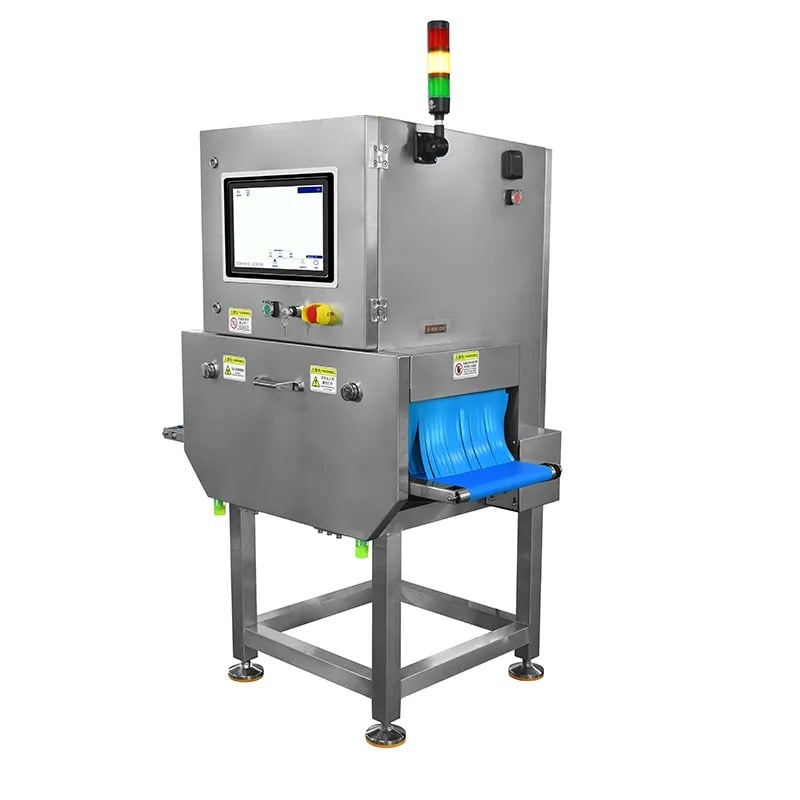
Modern food manufacturers face unprecedented pressure to demonstrate product safety and supply chain transparency. Integrating traceability software with x ray food inspection systems creates a unified ecosystem that captures detection data, links it to production batches, and enables rapid recall management. This integration transforms isolated inspection equipment into intelligent nodes within a comprehensive food safety network.
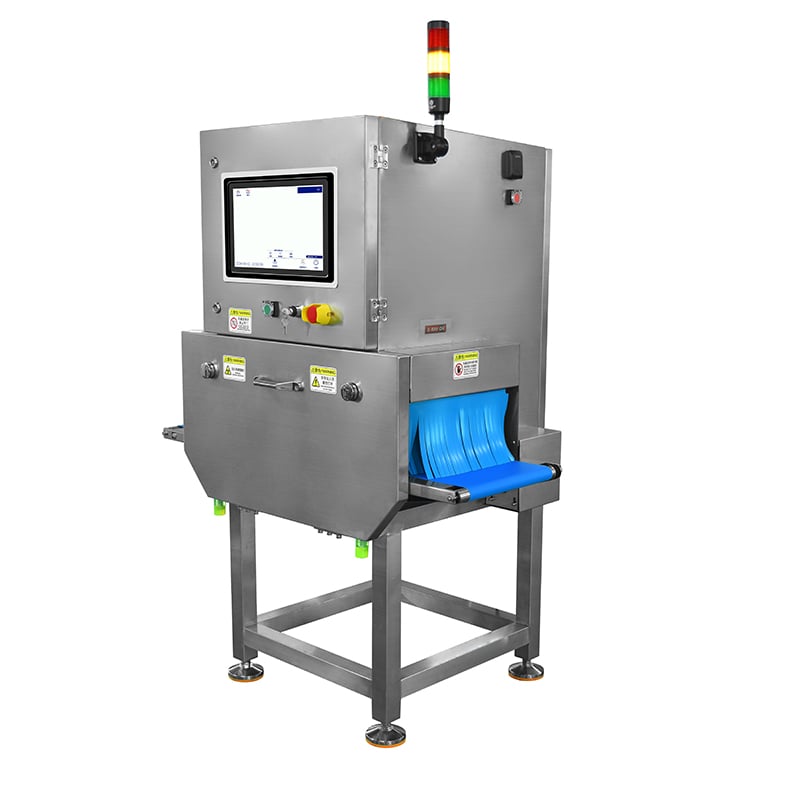
The combination of food x ray machine technology with real-time traceability creates measurable compliance advantages. When a contamination event is detected by packaging scanner equipment, integrated traceability systems automatically flag affected production runs, alert relevant stakeholders, and provide documentation for regulatory bodies. This seamless connection between detection and response reduces investigation time and strengthens your safety inspection protocols across the entire supply chain.
Real-Time Data Integration for Safety Inspection
Capturing Inspection Events Automatically
Integration between food x ray machine systems and traceability platforms eliminates manual data transfer and human error. When a foreign object or packaging defect is detected, the inspection equipment immediately logs the event with timestamp, product identifier, batch number, and contamination severity. This automated data flow ensures that every safety inspection finding is permanently recorded and linked to production history.
Modern packaging scanner technology connects directly to enterprise resource planning systems and traceability databases. Detection events trigger automatic notifications to quality teams, production managers, and compliance officers. By centralizing safety inspection records within a single traceability platform, manufacturers gain complete visibility into product safety history and can respond to threats within minutes rather than days.
Batch and Lot Linkage
The power of x ray food inspection systems increases dramatically when linked to batch and lot data. Each inspection event records the specific production batch, shift, equipment used, and personnel involved. Traceability software maintains this relationship continuously, so if a defect is discovered in finished product or during customer use, the system immediately identifies all related batches and products produced during the same production window.
This traceability connection enables targeted recalls affecting only contaminated product rather than entire production runs. The safety inspection data becomes searchable by time period, equipment, ingredient source, or product line. Manufacturers can demonstrate to regulators that their x ray food inspection systems operated effectively during the suspect timeframe and that contamination was isolated to specific units.
Regulatory Compliance and Documentation
Audit Trail and Compliance Evidence
Food safety regulations require manufacturers to maintain detailed records of all safety inspection activities, detection events, and corrective actions. Integrated traceability software automatically generates compliance documentation that meets FDA, FSMA, and international food safety standards. The food x ray machine generates raw detection data, while traceability systems structure that data into required regulatory formats and audit trails.
When auditors or inspectors request safety inspection records, manufacturers can instantly retrieve comprehensive reports showing what was inspected, when inspection occurred, what was detected, and what actions were taken. Traceability platforms maintain immutable records that cannot be altered retroactively, providing regulators with confidence in the integrity of your safety processes. This documentation also protects manufacturers from liability claims by proving that appropriate safety inspection controls were in place.
Recall Management and Response Protocol
A contamination detection in the field triggers immediate response through integrated traceability systems. The packaging scanner or x ray food inspection equipment that originally processed the product can be cross-referenced through the traceability database, connecting the detected defect to all similar products produced in the same batch window. This precision dramatically reduces recall scope and associated costs.
Traceability software coordinates recall communications automatically, notifying distributors, retailers, and end customers about affected products. Safety inspection data becomes part of the official recall documentation, showing regulators and customers that you identified the contamination risk through proper screening and maintained records proving your safety processes functioned correctly during the suspect production period.
Operational Efficiency and Cost Reduction
Eliminating Manual Data Entry and Redundancy
Without integration, personnel manually enter food x ray machine detection data into spreadsheets, emails, and separate record-keeping systems. This approach creates duplicate work, delays response times, and introduces transcription errors that compromise accuracy of safety inspection records. Integrated packaging scanner and traceability systems eliminate this manual burden entirely.
Automated data flow reduces administrative costs and allows quality personnel to focus on investigation and improvement rather than paperwork. The x ray food inspection systems become part of your continuous improvement data infrastructure, automatically capturing information that reveals trends in defect rates, equipment performance, and production line reliability. This efficiency translates into measurable savings in labor and faster resolution of quality issues.
Predictive Maintenance and Equipment Performance
Traceability platforms connected to food x ray machine systems track equipment performance metrics continuously. Detection rates, false alarm frequency, and throughput data accumulate over time, revealing patterns that indicate when maintenance is needed. By analyzing historical safety inspection data, manufacturers can schedule preventive maintenance before equipment fails or detection accuracy declines.
This data-driven maintenance approach extends packaging scanner equipment life and reduces unplanned downtime. Traceability records show equipment calibration history and performance changes over time, helping manufacturers prove to regulators and customers that inspection systems operated within specified parameters throughout the entire production history of a product.
FAQ
How does integrating traceability software improve response time during food safety incidents?
When an x ray food inspection system detects a contamination issue, integrated traceability software immediately identifies all affected batches and products through automated batch linkage. This eliminates the manual investigation time typically required to search records and determine recall scope. Regulators and customers receive precise information about which specific products are affected, reducing unnecessary panic and supporting faster, more targeted response protocols.
What data should flow between a food x ray machine and traceability platform?
Key data transfers include detection events with severity codes, timestamp and location data, batch and lot identifiers, product SKU information, and corrective action taken. The packaging scanner sends this information automatically to the traceability system, which enriches it with production history, ingredient source data, and downstream distribution records. This comprehensive data connection enables complete visibility from raw material through end customer delivery.
Can x ray food inspection systems integration support multiple production facilities?
Yes, centralized traceability platforms can integrate safety inspection data from food x ray machines at multiple facilities simultaneously. This allows corporate-level teams to monitor safety performance across all production locations, compare equipment effectiveness, and apply best practices across the organization. Network connectivity enables real-time visibility into safety inspection events regardless of geographical location, supporting coordinated response to contamination threats discovered anywhere in the supply chain.