 EN
EN


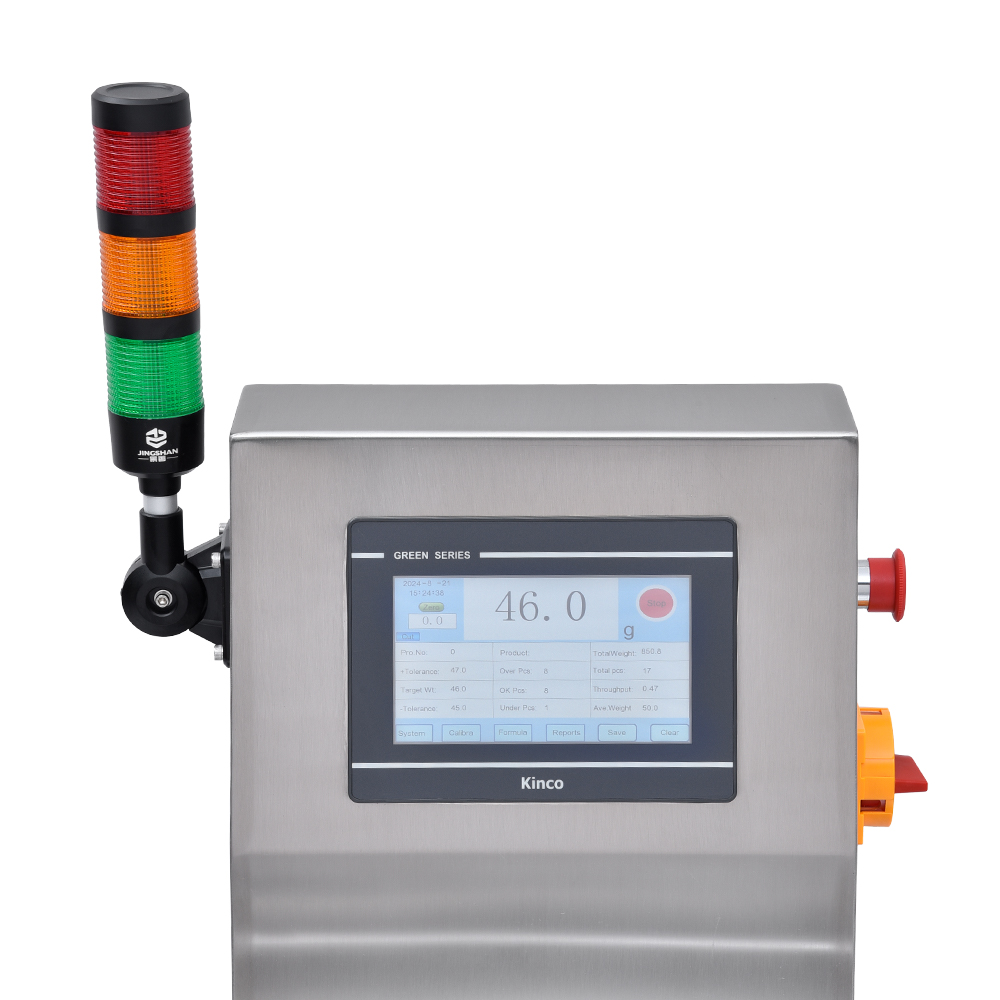
Maintaining IP69K waterproof ratings on food metal detector enclosures is critical for long-term operational reliability and product safety in demanding processing environments. IP69K certification represents the highest ingress protection standard, designed to withstand high-pressure water jets and complete dust protection. When food production lines operate at scale, the integrity of your industrial metal detector directly impacts contamination detection performance and regulatory compliance. Without proper maintenance protocols, even certified equipment can lose its protective sealing over time, exposing sensitive internal components to moisture, salt spray, and processing residues.
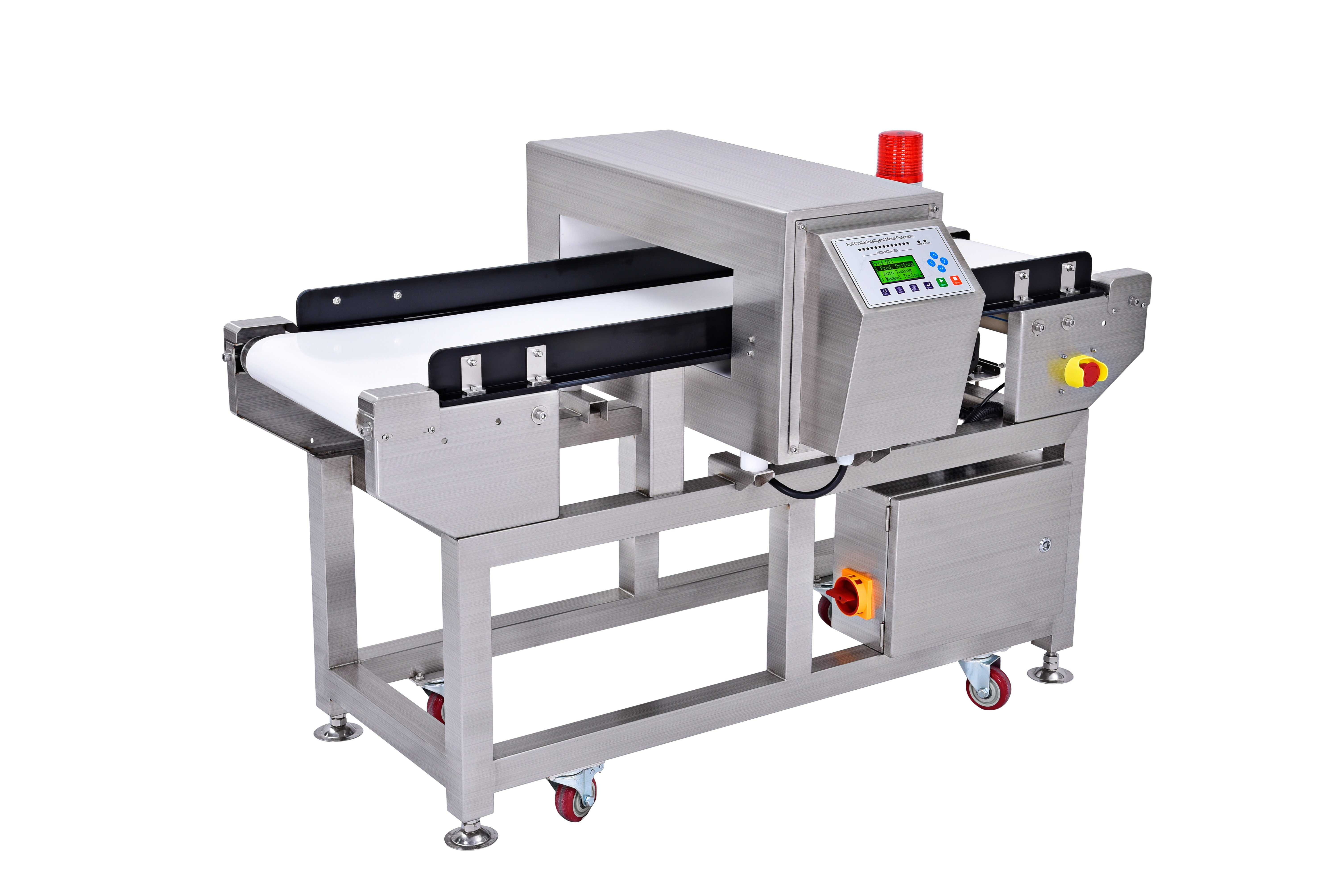
The challenge of maintaining IP69K ratings extends beyond initial installation and factory testing. Packaging line equipment operates in harsh environments where temperature fluctuations, chemical exposure, mechanical vibration, and frequent washdowns create ongoing stress on seals, gaskets, and enclosure joints. A properly maintained food metal detector preserves its contamination detection capability while extending equipment lifespan and reducing unexpected downtime. Understanding the specific maintenance requirements tied to IP69K compliance ensures your industrial metal detector system remains effective throughout its operational life.
Understanding IP69K Protection Standards
What IP69K Rating Actually Means
IP69K is the highest rating in the International Protection marking system, combining complete dust protection (6) with resistance to high-pressure water jets from all directions (9K). For food metal detector applications, this standard means the enclosure can withstand water jets at pressures up to 80–100 bars and temperatures up to 80 degrees Celsius. The 'K' suffix specifically denotes resistance to high-temperature, high-pressure water jets used in industrial washdown scenarios. This distinction matters because packaging line equipment frequently encounters direct spray from cleaning systems, making the higher pressure tolerance essential for food processing facilities.
Why IP69K Matters for Food Processing
Contamination detection in food production depends on maintaining sensor accuracy and electronic stability within your industrial metal detector enclosure. Moisture ingress, salt from processing environments, or residual cleaning chemicals can degrade circuit boards, corrode connectors, and compromise the device's ability to detect metal fragments reliably. IP69K certification provides the foundation for this protection, but only if seals and gaskets remain intact through active maintenance. The regulatory requirements governing food safety also demand that monitoring equipment operate reliably throughout documented service periods. Packaging line equipment that loses waterproof integrity may fail undetected, creating compliance gaps and potential product contamination risks.
Critical Maintenance Procedures for Seals and Gaskets
Regular Gasket Inspection and Replacement Protocols
Gaskets and seals are the primary components maintaining IP69K waterproof integrity on your food metal detector enclosure. These materials undergo continuous stress from temperature cycling, UV exposure, and contact with cleaning agents, gradually losing elasticity and compression over time. Establish a quarterly inspection schedule where you visually examine all visible gaskets for cracks, hardening, permanent deformation, or discoloration. Any sign of material degradation warrants immediate replacement, even if the enclosure still appears watertight externally. For industrial metal detector systems operating in particularly aggressive environments like seafood processing or high-salinity facilities, consider replacing gaskets semi-annually rather than annually to maintain maximum protection.
Proper Sealing and Re-assembly Techniques
When disassembling your food metal detector for maintenance or repairs, the reassembly process directly determines whether IP69K ratings remain valid. Clean all gasket seating surfaces thoroughly with lint-free cloths to remove salt deposits, mineral residues, or processing debris that could compromise the seal. Apply a light coating of food-grade silicone lubricant to gaskets before reassembly; this prevents over-compression and maintains consistent contact pressure around the entire enclosure perimeter. Tighten all fasteners in a cross-pattern with consistent, moderate pressure rather than aggressive torque that could crack the enclosure or pinch gaskets unevenly. Packaging line equipment maintenance teams should document every seal replacement with dates and part numbers to track gasket lifecycle and predict future replacement needs.
Environmental and Operational Maintenance Strategies
Washdown Protocols and Pressure Jet Management
Even though your industrial metal detector is rated for IP69K high-pressure jets, the manner in which washdowns occur affects long-term enclosure integrity. Implement operational guidelines limiting direct spray angles to those specified in the equipment manual, typically avoiding direct frontal jets against connector ports or ventilation areas. Train facility personnel that IP69K protection applies when the equipment is properly sealed and fastened, not during active maintenance or parts replacement. Establish distance and pressure guidelines for washdown procedures—typically maintaining at least one meter distance and avoiding pressures exceeding 100 bars even though the rating allows it. After washdown cycles, allow the food metal detector enclosure to dry completely before operating, as residual moisture in crevices can promote corrosion despite IP69K sealing.
Environmental Monitoring and Preventive Actions
Contamination detection performance depends on consistent environmental conditions inside the enclosure. Install internal humidity monitoring on critical industrial metal detector systems, particularly in facilities near coastal regions or those using salt-based processing additives. When humidity levels consistently exceed 60 percent inside a sealed enclosure, investigate for micro-cracks in gaskets or connector leakage that may not be immediately visible. Implement active climate control in equipment rooms where your food metal detector operates, using dehumidifiers or desiccant packs if central facility climate cannot maintain target ranges. Packaging line equipment operating in environments with extreme temperature swings—such as facilities with significant outdoor exposure or adjacent to heated cooking areas—should receive additional gasket inspections after seasonal transitions when thermal stress peaks.
Technical Documentation and Compliance Records
Maintenance Logging and Seal Performance Tracking
Maintaining IP69K certification requires documented evidence that your food metal detector enclosure receives consistent, competent maintenance. Create detailed maintenance records for each industrial metal detector unit, logging inspection dates, gasket conditions, replacement parts, and any anomalies discovered during disassembly. These records demonstrate due diligence to regulatory auditors and provide historical context for predicting failure patterns or identifying systemic issues across multiple packaging line equipment units. If contamination detection performance declines or equipment fails unexpectedly, maintenance records help isolate whether the root cause relates to seal degradation or other mechanical factors. Digital maintenance tracking systems allow facilities to schedule recurring inspections, auto-generate compliance reports, and flag overdue maintenance before IP69K protection erodes significantly.
Factory Certifications and Re-certification Testing
After significant repairs, seal replacement, or modifications to your food metal detector, consider requesting re-certification testing from the original equipment manufacturer to validate that IP69K ratings remain intact. Factory testing with specialized pressure chambers and moisture detection equipment provides objective confirmation that the enclosure sealing meets original specifications. Many industrial metal detector manufacturers offer re-certification services at reasonable cost compared to the risk of contamination detection failure or regulatory non-compliance. For packaging line equipment subject to extended service periods or highly regulated environments, annual re-certification testing provides documented assurance that protection standards persist. Maintaining these certification records protects both product safety and your facility's documented compliance history with food safety regulations.
FAQ
How often should gaskets be replaced on a food metal detector to maintain IP69K ratings?
Gasket replacement frequency depends on environmental severity and washdown intensity. Standard industrial metal detector systems in moderately aggressive environments typically maintain IP69K integrity with annual gasket replacement. Facilities with high-salinity processing, frequent washdowns, or extreme temperature swings should replace gaskets semi-annually or even quarterly. Quarterly visual inspections help identify degradation before replacement becomes necessary. Any visible cracking, hardening, or permanent deformation warrants immediate replacement regardless of scheduled intervals. When gaskets show signs of material breakdown, contamination detection performance may already be compromised.
Can a food metal detector still be used if its IP69K rating is lost?
Technically, a food metal detector can continue operating without active IP69K protection, but regulatory and safety risks increase substantially. Without waterproof sealing, your industrial metal detector becomes vulnerable to moisture ingress that corrodes internal circuits and degrades contamination detection accuracy over time. Food safety regulations in most jurisdictions require monitoring equipment to operate reliably within documented specifications, which implicitly demands maintaining manufacturer-specified protection ratings. Packaging line equipment should not operate without proper IP69K compliance in washdown environments. If seals are compromised, address repairs immediately rather than continuing operation with reduced protection levels.
What signs indicate that seals on packaging line equipment are failing?
Visible condensation inside the food metal detector enclosure after washdowns is a primary indicator of seal failure. Mineral deposits, salt residue, or white crusty buildup around gasket edges suggests moisture penetration and chemical leaching. Electronic malfunction, intermittent contamination detection errors, or unusual corrosion on internal components often result from ongoing moisture exposure due to compromised seals. Rising humidity readings inside the enclosure—even when external conditions are dry—indicate potential gasket leakage. Industrial metal detector systems showing any of these signs require immediate gasket inspection and replacement to restore IP69K protection and ensure reliable packaging line equipment performance.