 EN
EN


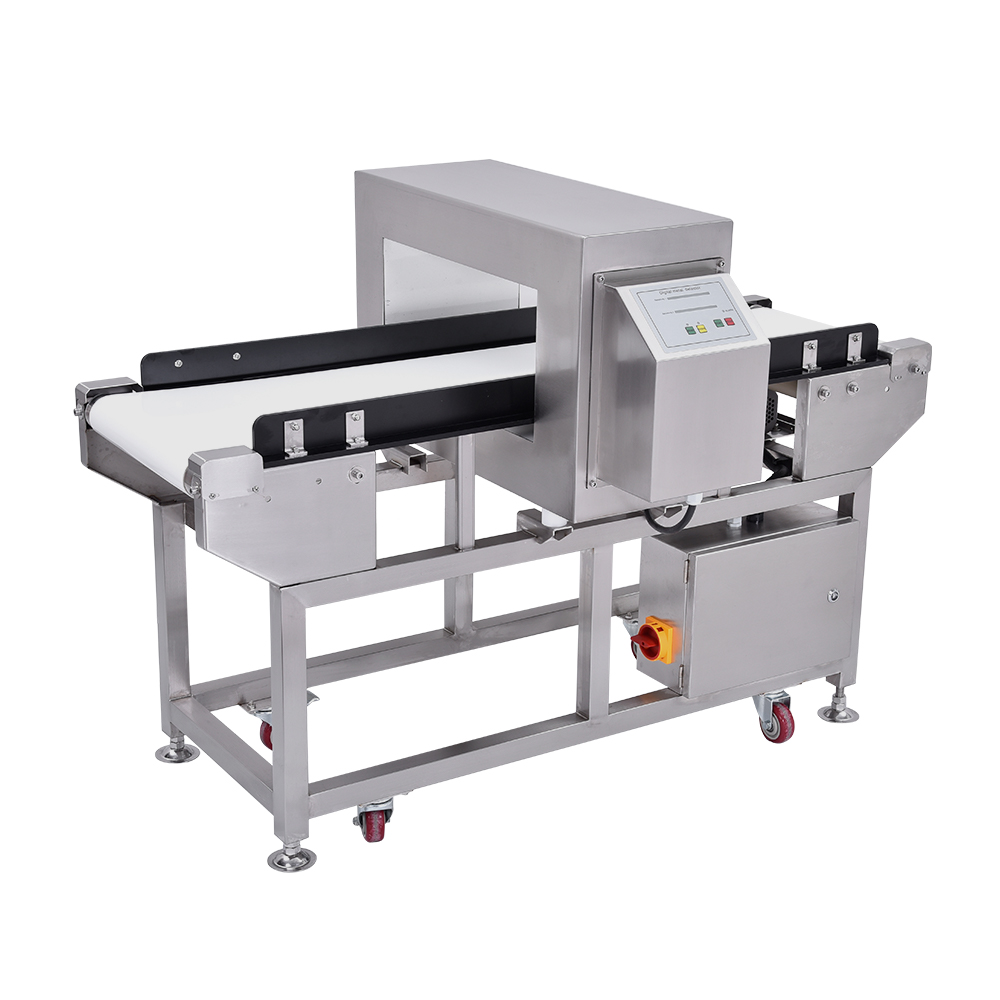
Signal saturation represents one of the most challenging operational issues affecting modern industrial metal detector performance and reliability. When a metal detector experiences signal saturation, its sensitivity diminishes, false alarms increase, and contamination detection capabilities become compromised. Understanding the root causes of signal saturation and implementing targeted troubleshooting strategies is essential for maintaining consistent product safety and operational efficiency in food processing, pharmaceutical manufacturing, and other contamination-critical industries.
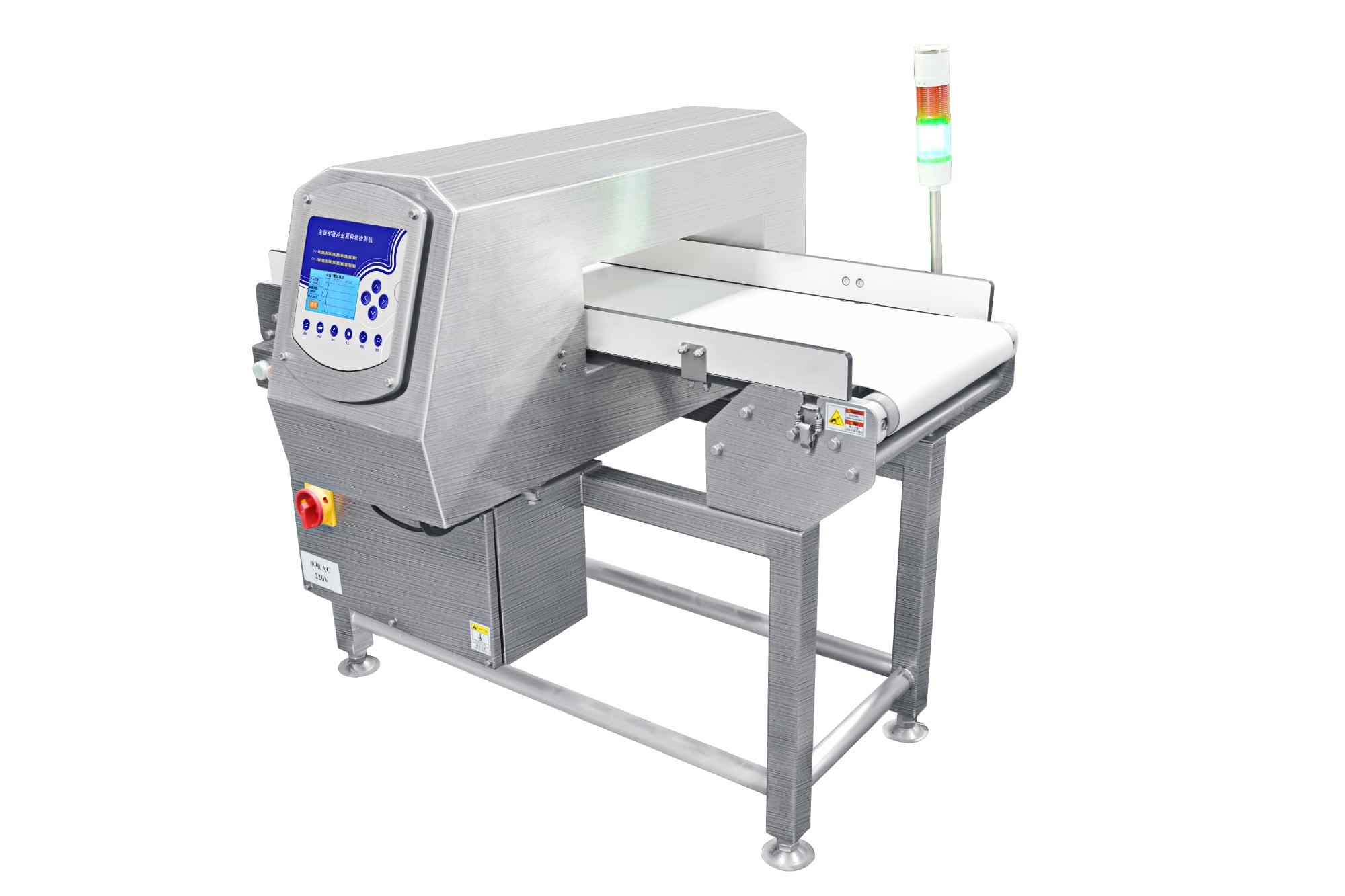
An industrial metal detector functions by transmitting electromagnetic signals through a product stream and analyzing the reflected responses. When signal saturation occurs, the receiver circuitry becomes overwhelmed, unable to distinguish between legitimate metal contamination signals and environmental noise. This degradation directly impacts the detection accuracy of food metal detector systems and compromises the reliability of contamination detection across production environments. Resolving saturation requires systematic diagnosis and targeted calibration adjustments.
Understanding Signal Saturation Root Causes
Environmental and Electromagnetic Interference Factors
Signal saturation frequently originates from electromagnetic interference generated by surrounding equipment. Industrial facilities operate multiple high-power devices simultaneously—motors, transformers, induction heaters, and radio frequency equipment—all radiating electromagnetic energy into the operational environment. When a metal detector operates in close proximity to these interference sources, external electromagnetic fields overwhelm the detection circuitry. The industrial metal detector receiver amplifies not only the target signal but also accumulated environmental noise, creating saturation conditions that mask genuine contamination signals. Additionally, improper grounding configurations and inadequate shielding canexacerbate interference accumulation.
Product Characteristics and Load Composition
The product itself contributes significantly to signal saturation, particularly in food metal detector applications processing high-moisture or high-salinity materials. Conductive products—including salt-containing foods, aqueous solutions, and mineral-rich substances—generate substantial background signals within the detection coil. When processing high-conductivity products through a metal detector, the system's receiver becomes saturated by the product's inherent conductivity rather than detecting discrete metallic contamination. This saturation mechanism prevents the contamination detection system from differentiating intentional metal targets from product background noise, resulting in reduced effective sensitivity.
Diagnostic and Calibration Strategies
Sensitivity and Threshold Adjustment Protocols
Systematic sensitivity optimization forms the foundation of saturation resolution. Begin by reducing the metal detector's transmitter power and receiver gain to levels that maintain adequate target detection while eliminating saturation symptoms. Most modern industrial metal detector systems include threshold tuning controls that allow operators to adjust the detection level precisely. For food metal detector applications, establish baseline sensitivity using known reference metal standards, then incrementally adjust threshold settings until saturation diminishes without sacrificing detection reliability. This calibration process requires careful documentation, as optimal settings vary significantly between product types and operational conditions affecting contamination detection performance.
Frequency and Timing Optimization
Frequency selection profoundly influences saturation behavior in metal detector operation. Lower frequencies penetrate conductive products more effectively but face greater susceptibility to environmental interference. Higher frequencies improve immunity to low-frequency noise but reduce penetration depth in high-conductivity materials. Industrial metal detector systems often provide frequency adjustability or multi-frequency operation modes. Experimenting with frequency shifts can identify operating windows where saturation diminishes. Additionally, adjusting the metal detector's sampling timing and response windows helps eliminate saturation by allowing circuitry recovery between measurement cycles. These timing-based adjustments prove particularly effective in contamination detection environments with intermittent interference patterns.
Operational and Environmental Mitigation
Physical Installation and Shielding Enhancement
Environmental modification represents a powerful saturation reduction strategy. Relocate the industrial metal detector away from primary interference sources whenever feasible, as electromagnetic field strength decreases with distance. Implement comprehensive electromagnetic shielding using ferrite cores, shielded cabling, and grounded Faraday enclosures around the detection coil. For food metal detector systems, ensure proper grounding of all connected equipment, including conveyor systems and product contact surfaces. Separation of signal cables from power distribution pathways prevents inductive coupling that amplifies saturation. These physical interventions directly address environmental contributors to signal saturation and restore normal contamination detection sensitivity.
Product Processing and Material Conditioning
The metal detector's product handling approach significantly affects saturation management. In food metal detector applications processing high-moisture materials, consider whether product conditioning—such as temperature adjustment or moisture reduction—aligns with operational requirements. Some facilities reduce product conductivity through ion exchange or filtration, improving contamination detection characteristics. However, material modifications require careful evaluation against product quality and regulatory compliance standards. Alternative approaches include adjusting conveyor speed to modify product residence time within the detection zone, allowing improved signal processing cycles. Testing various operational parameters identifies combinations that balance throughput requirements with saturation minimization in your specific contamination detection scenario.
FAQ
What specific symptoms indicate that signal saturation affects my metal detector?
Key saturation indicators include progressively increasing false alarm rates, reduced sensitivity to known reference metals, unstable or fluctuating detection signals, and inability to achieve stable operation despite repeated calibration attempts. An industrial metal detector displaying these symptoms requires immediate investigation. Additionally, food metal detector systems may show inconsistent contamination detection performance across similar product batches. If your metal detector performs adequately with certain products but fails with high-conductivity materials, saturation from product characteristics is likely responsible.
How does contamination detection accuracy change when signal saturation occurs?
Signal saturation directly compromises contamination detection accuracy by reducing effective sensitivity to actual metallic contaminants. A saturated metal detector cannot distinguish between genuine contamination signals and background noise, resulting in missed foreign material detection. This failure directly threatens product safety and regulatory compliance. The industrial metal detector's detection threshold effectively elevates during saturation, allowing smaller contaminants to pass undetected. Resolving saturation through the troubleshooting approaches outlined above restores proper contamination detection sensitivity and ensures reliable protection against metallic foreign material.
Can signal saturation in an industrial metal detector be permanently resolved, or does it require ongoing management?
Most saturation issues can be substantially resolved through systematic troubleshooting and environmental optimization, though ongoing monitoring remains essential. Once root causes are identified—whether environmental interference, product characteristics, or equipment miscalibration—targeted corrections typically eliminate saturation permanently. However, the metal detector requires periodic recalibration as products, facility equipment, and operational parameters change. For food metal detector systems and contamination detection applications, establishing regular maintenance protocols, documenting optimal settings by product type, and scheduling quarterly recalibration ensures sustained saturation-free operation across changing production conditions.