 EN
EN


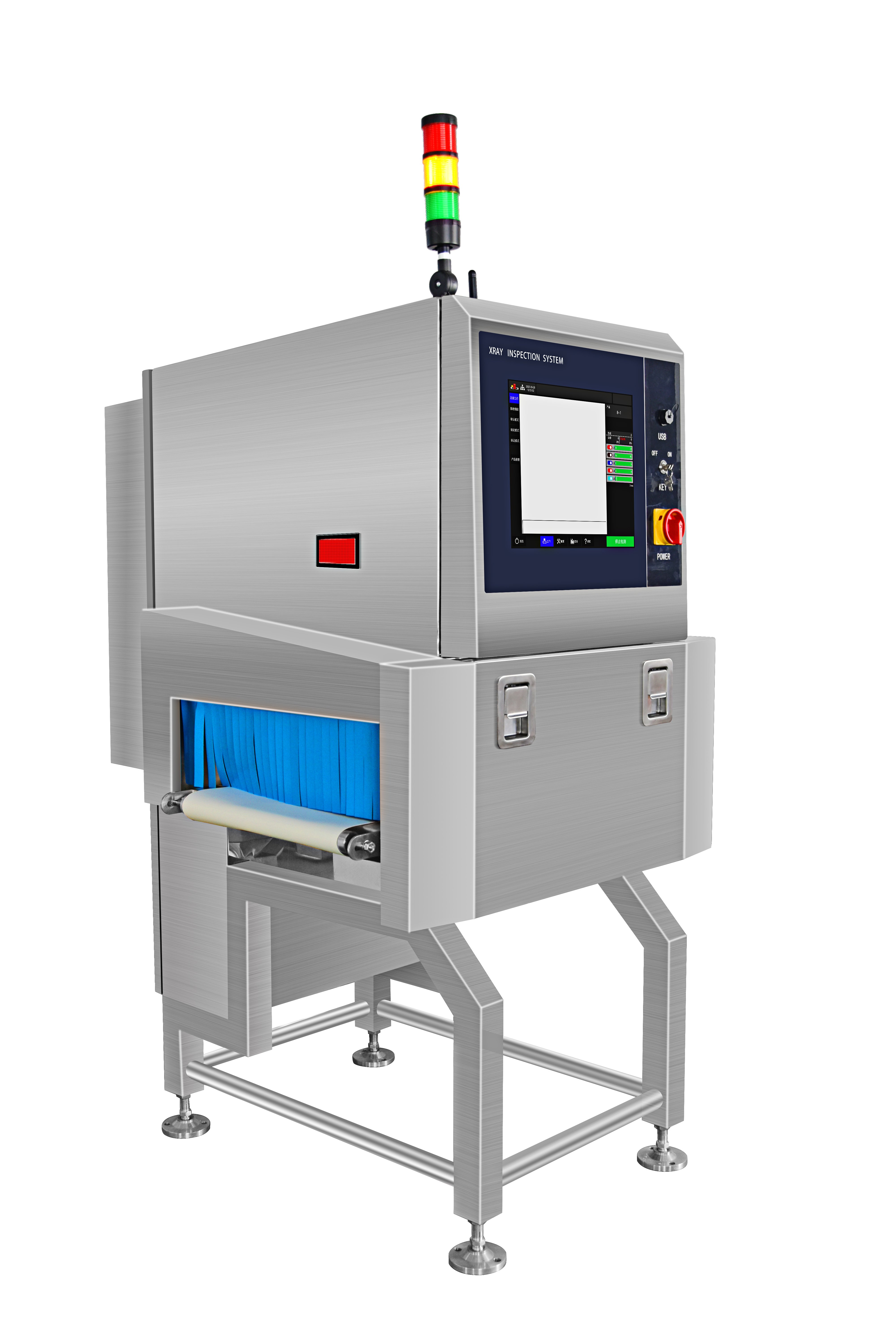
Image processing software has become the central nervous system of contemporary x ray machine technology, enabling unprecedented levels of precision and reliability in industrial applications. Without sophisticated image processing algorithms, modern x ray inspection systems would be unable to detect microscopic defects, foreign materials, or structural anomalies that pose safety and quality risks. The software transforms raw radiographic data into actionable intelligence, making it indispensable for manufacturers relying on quality control systems to maintain compliance and protect consumers.
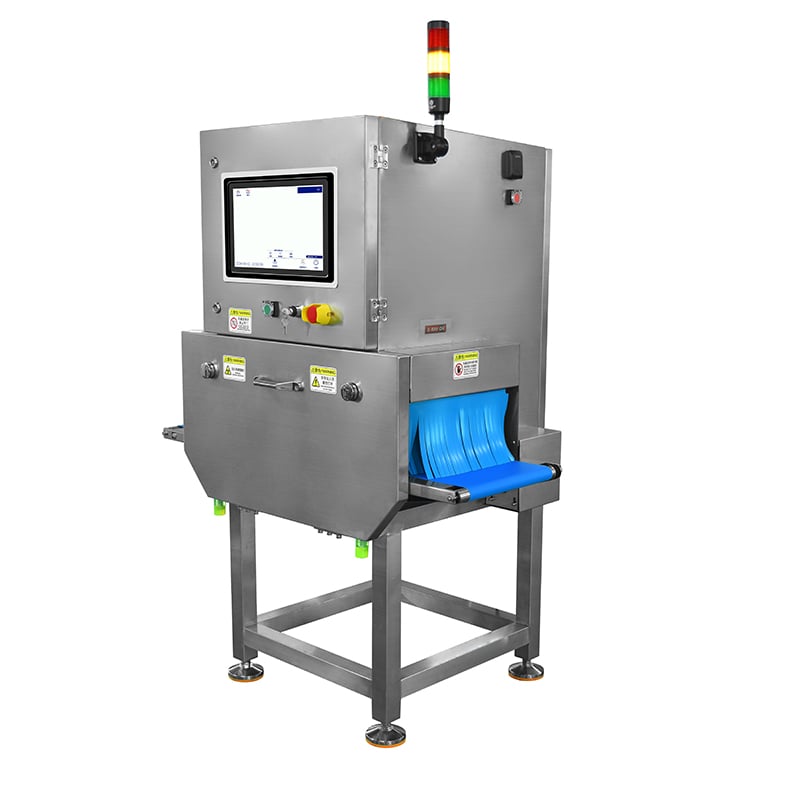
Every x ray machine operating in food processing, pharmaceuticals, electronics, and automotive sectors depends on image processing software to extract meaningful information from complex radiographic images. This software doesn't merely display what the x ray sensor captures; it enhances contrast, filters noise, measures dimensions, identifies anomalies, and generates compliance-ready reports. Understanding how image processing drives the functionality of safety scanner systems is essential for operations managers, quality engineers, and procurement professionals seeking to optimize their inspection infrastructure.
The Foundation of Image Acquisition and Enhancement
How Image Processing Transforms Raw X Ray Data
When an x ray machine generates radiographic images, the initial data contains noise, artifacts, and inconsistencies that reduce diagnostic accuracy. Image processing software immediately begins enhancing this raw data through multiple layers of algorithmic correction. The software applies noise reduction filters, adjusts histogram distributions, and calibrates pixel intensity values to create a clear, usable image suitable for defect detection. This enhancement process is what separates a basic x ray inspection system from a true quality control system capable of meeting strict industrial standards.
Edge detection algorithms within the image processing software highlight boundaries between materials and anomalies, making foreign objects, cracks, and density variations instantly visible to operators and automated detection routines. Dynamic range compensation ensures that dense materials and thin sections are equally visible in the same image, eliminating blind spots that could hide critical defects. These preprocessing steps occur in milliseconds, allowing the x ray machine to maintain high throughput while preserving accuracy.
Real-Time Processing and System Performance
Advanced image processing software must operate in real-time to support the speed requirements of modern production environments. Safety scanner systems integrated into high-speed conveyor lines demand instantaneous analysis, meaning the software must process and evaluate images faster than mechanical components can move materials through the inspection zone. Multi-threaded processing architectures allow the software to simultaneously acquire new images, analyze previous frames, and generate reports without creating bottlenecks. This parallel processing capability transforms the x ray inspection experience from a potential production constraint into a seamless quality control system component.
Defect Detection and Quality Control Integration
Automated Anomaly Recognition Algorithms
The core strength of modern image processing software lies in its ability to automatically identify defects that would escape manual inspection or basic threshold-based detection methods. Machine learning models trained on thousands of defect examples enable the software to recognize subtle density variations, shape irregularities, and material discontinuities that indicate quality failures. These algorithms continuously learn from operator feedback and historical data, improving detection sensitivity and reducing false positive rates that waste production time and damage customer relationships.
Quality control systems built on this sophisticated image processing foundation can distinguish between acceptable product variations and genuine defects requiring rejection or rework. For instance, in food processing applications, the software differentiates between natural product density variations and foreign contaminants, bones, or metal fragments. In pharmaceutical manufacturing, it detects missing components, incorrect assembly sequences, or packaging defects that could compromise product integrity. This discrimination capability is what transforms an x ray machine from a basic scanning tool into a critical quality assurance instrument.
Data Logging and Compliance Documentation
Image processing software generates comprehensive audit trails and compliance documentation that regulatory agencies require for food safety, pharmaceutical, and medical device applications. The software automatically timestamps, catalogs, and archives every inspection image, creating an immutable record of quality control system performance. When defects are detected, the software captures metadata including product lot numbers, inspection parameters, decision logic, and confidence scores, providing traceability that satisfies regulatory requirements and enables root cause analysis when issues arise.
This documentation capability extends the x ray inspection system beyond simple pass-fail functionality into a complete quality management platform. Operators can instantly retrieve historical images for specific production batches, trending systems can identify emerging defect patterns before they become widespread problems, and management dashboards provide real-time visibility into quality control system performance. The software essentially transforms raw inspection data into strategic business intelligence.
Advanced Features and Future-Ready Capability
3D Reconstruction and Multi-Angle Analysis
Cutting-edge image processing software enables x ray machines to generate three-dimensional reconstructions of inspected objects, revealing internal defects that 2D radiographic images alone cannot fully characterize. Tomographic reconstruction algorithms process multiple x-ray projections captured at different angles, creating volumetric datasets that quality control system operators can navigate digitally. This capability proves invaluable for complex assemblies, layered materials, and sealed containers where surface inspection methods fail to detect internal anomalies.
Safety scanner systems leveraging 3D image processing can measure component dimensions, verify assembly completeness, and validate internal configuration without disassembling products or performing destructive testing. The software automatically generates cross-sectional views, rotatable 3D models, and measurement reports that provide comprehensive quality documentation. This advanced capability positions modern x ray inspection systems as essential tools for manufacturers producing complex, high-value products where internal quality assessment is non-negotiable.
Integration with Production Management Systems
Contemporary image processing software integrates seamlessly with manufacturing execution systems, enterprise resource planning platforms, and quality management databases, creating unified ecosystems where inspection data flows automatically into production planning and inventory management workflows. The x ray machine becomes not an isolated quality control system but a connected node in the broader digital manufacturing infrastructure. This integration enables automatic sorting of rejected products, real-time production adjustments, and predictive maintenance alerts based on inspection data patterns.
API connections and standardized data formats allow image processing software to communicate with third-party systems, customized analytics platforms, and customer quality portals. Manufacturers gain unprecedented transparency into their safety scanner performance metrics, enabling data-driven decisions about process improvements, equipment calibration, and supplier quality management. The software transforms inspection from a compliance necessity into a competitive advantage.
FAQ
Why is image processing software essential for modern x ray machines?
Image processing software is the brain of any x ray machine because it transforms raw radiographic data into actionable intelligence by enhancing image quality, automatically detecting defects, and generating compliance documentation. Without sophisticated algorithms, an x ray inspection system cannot achieve the precision and reliability required for modern quality control. The software enables real-time processing, automated anomaly recognition, and seamless integration with production management systems that raw imaging alone cannot provide.
How does image processing software improve quality control system accuracy?
Image processing software improves quality control system accuracy through multiple mechanisms including noise reduction, edge detection, dynamic range compensation, and machine learning-based defect classification. These algorithms eliminate false positives caused by image artifacts, highlight subtle defects that escape manual inspection, and continuously learn from historical data to refine detection sensitivity. The result is a safety scanner system capable of identifying defects consistently across varying product types and production conditions.
Can image processing software reduce false rejections in x ray inspection?
Yes, advanced image processing software reduces false rejections by distinguishing between acceptable product variations and genuine quality failures through sophisticated pattern recognition and contextual analysis. The software uses machine learning models trained on thousands of inspection examples to improve discrimination accuracy over time. By minimizing false rejections, the quality control system improves production efficiency, reduces waste, and maintains customer satisfaction while preserving the safety and integrity benefits of comprehensive x ray inspection.