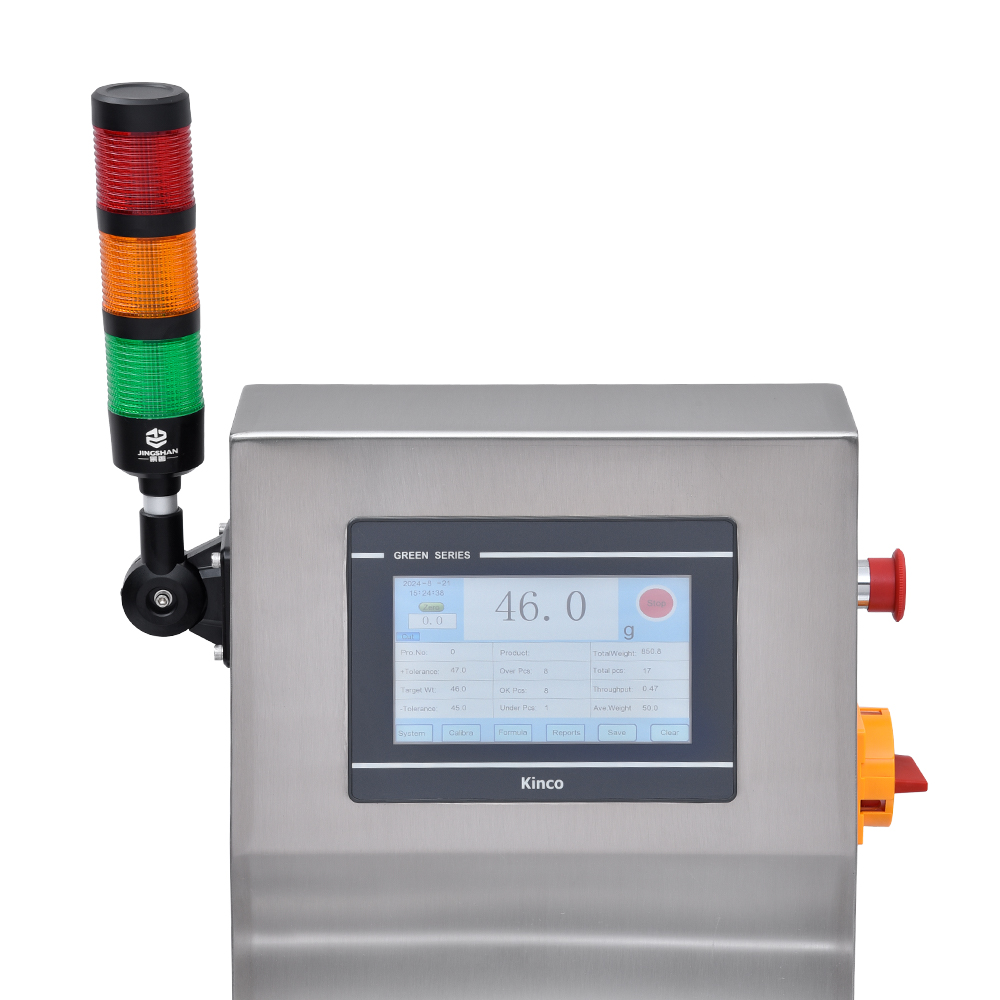
metal detectors for food
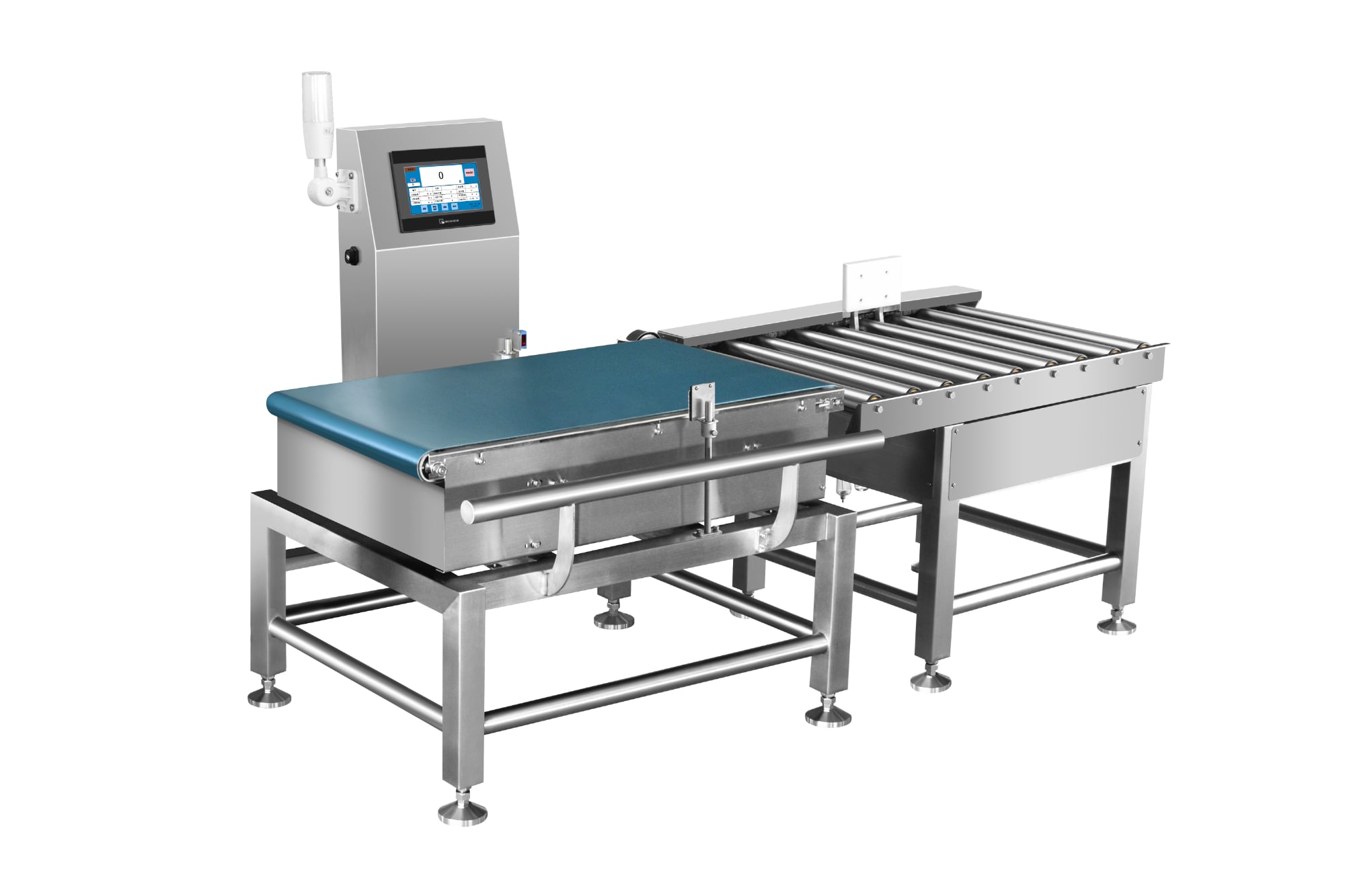
Metal detectors for food represent essential safety equipment designed to protect consumers and maintain product quality throughout food processing and packaging operations. These sophisticated devices identify metallic contaminants that may accidentally enter food products during manufacturing, handling, or storage. Metal detectors for food operate using electromagnetic technology to scan products automatically as they move along production lines.
The primary function of metal detectors for food involves detecting ferrous metals, non-ferrous metals, and stainless steel contaminants with exceptional precision. Modern metal detectors for food feature adjustable sensitivity settings that operators can customize based on specific product types and contamination risk levels. These systems seamlessly integrate into existing production workflows, offering real-time monitoring and immediate alerts when foreign metallic objects are discovered.
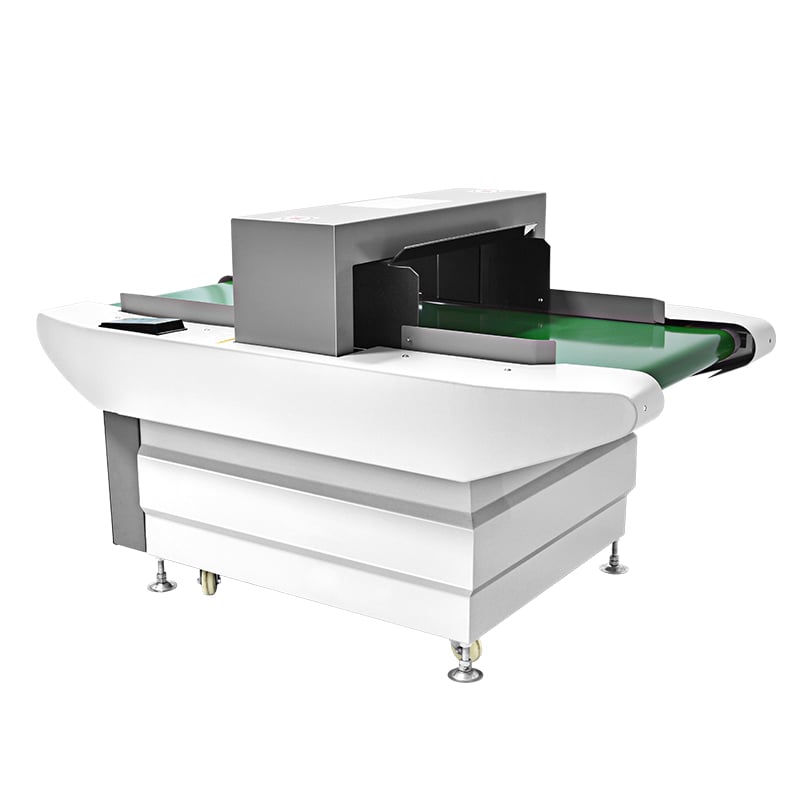
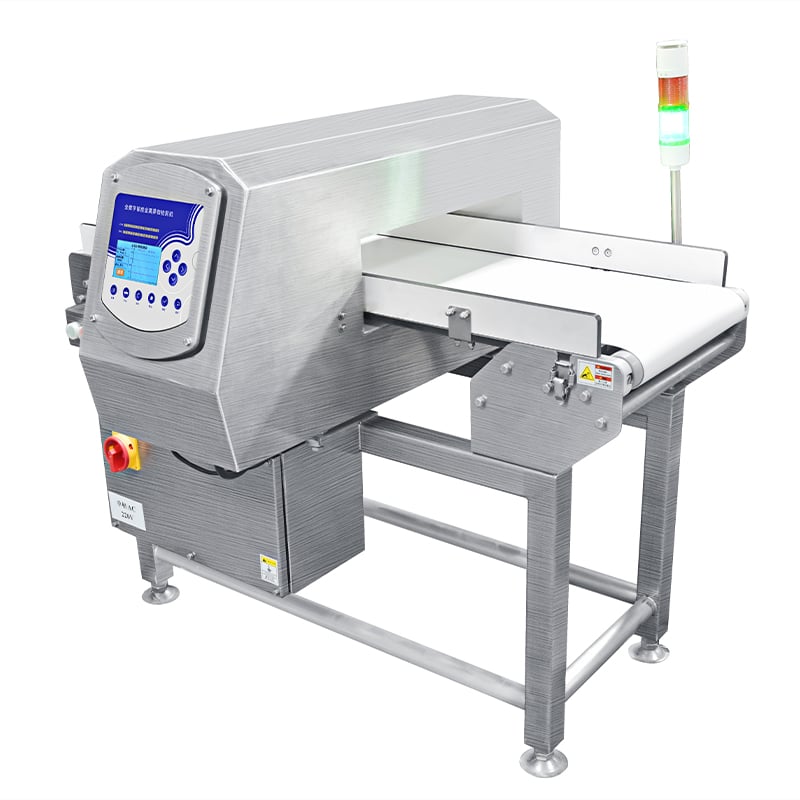
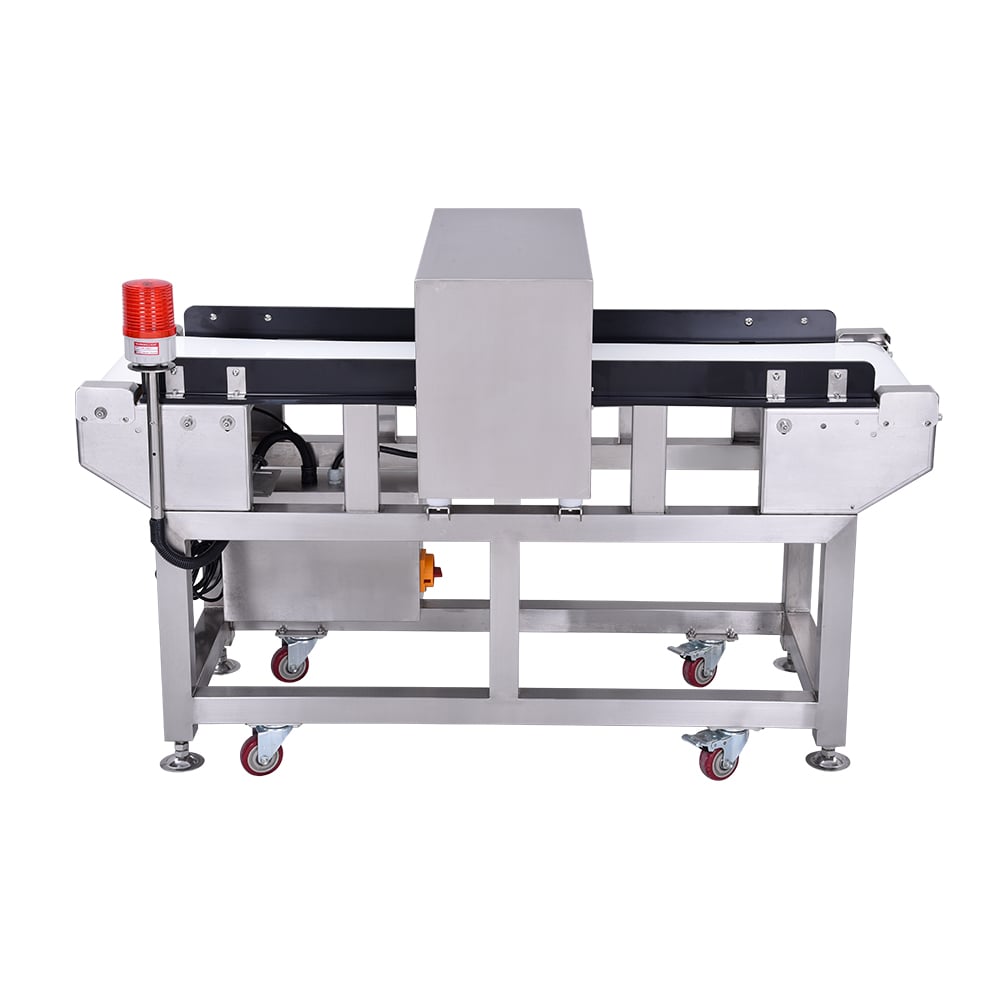
Technologically advanced metal detectors for food employ sophisticated signal processing algorithms that distinguish between harmless product variations and actual metal contamination. The systems feature intuitive digital interfaces allowing operators to program detection parameters efficiently. Metal detectors for food applications range from conveyor belt models suitable for packaged products to handheld versions for specialized testing purposes.
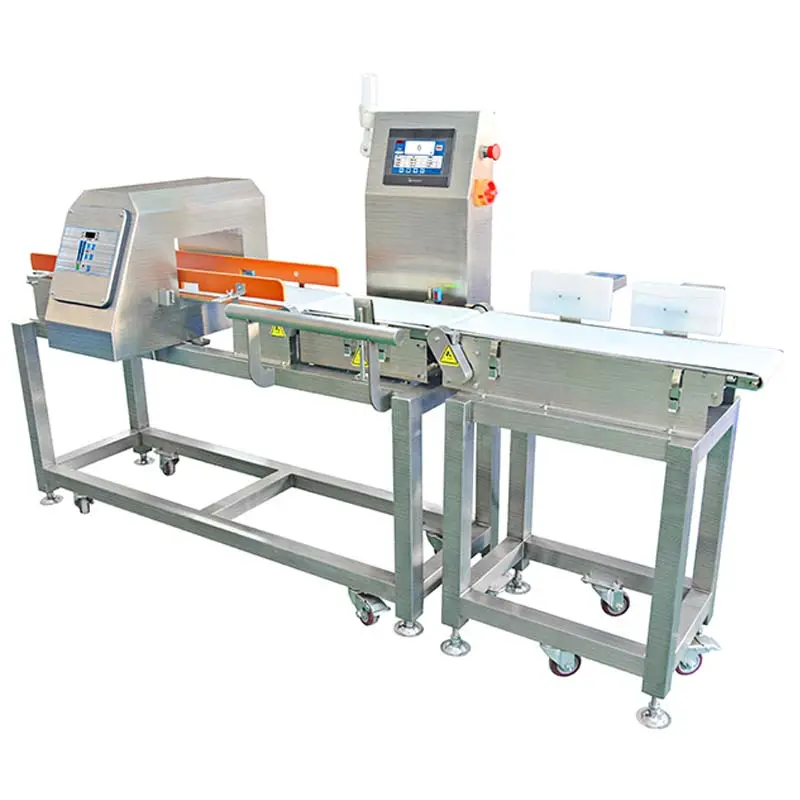
Applications of metal detectors for food extend across multiple food sectors including bakeries, meat processing facilities, dairy operations, and beverage manufacturers. These devices protect brand reputation, ensure regulatory compliance, and prevent potential health hazards. Metal detectors for food systems provide automated rejection capabilities, automatically removing contaminated products from production lines without manual intervention, thereby maintaining operational efficiency and consumer safety simultaneously.
 EN
EN