 EN
EN


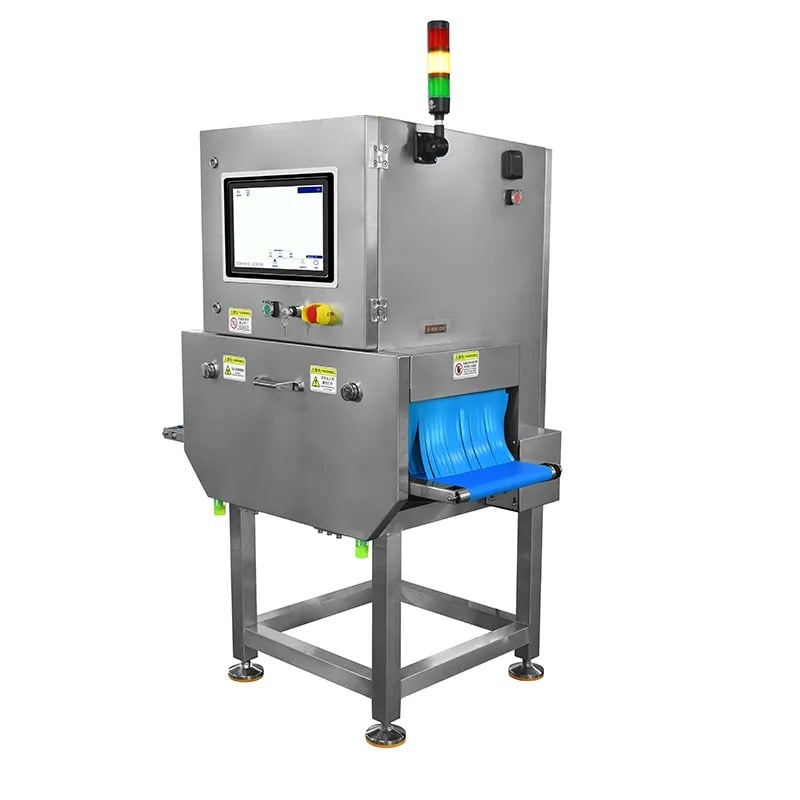
The choice between flat panel and linear sensor designs represents a critical decision for manufacturers implementing x ray inspection systems in their production lines. Both technologies offer distinct advantages and trade-offs that directly impact inspection speed, image quality, cost efficiency, and overall operational performance. Understanding these differences enables quality assurance teams to select the most appropriate sensor architecture for their specific packaging inspection requirements, production volume, and product type. This comparison examines the fundamental design principles, practical benefits, and limitations of each approach to help manufacturers make informed decisions.
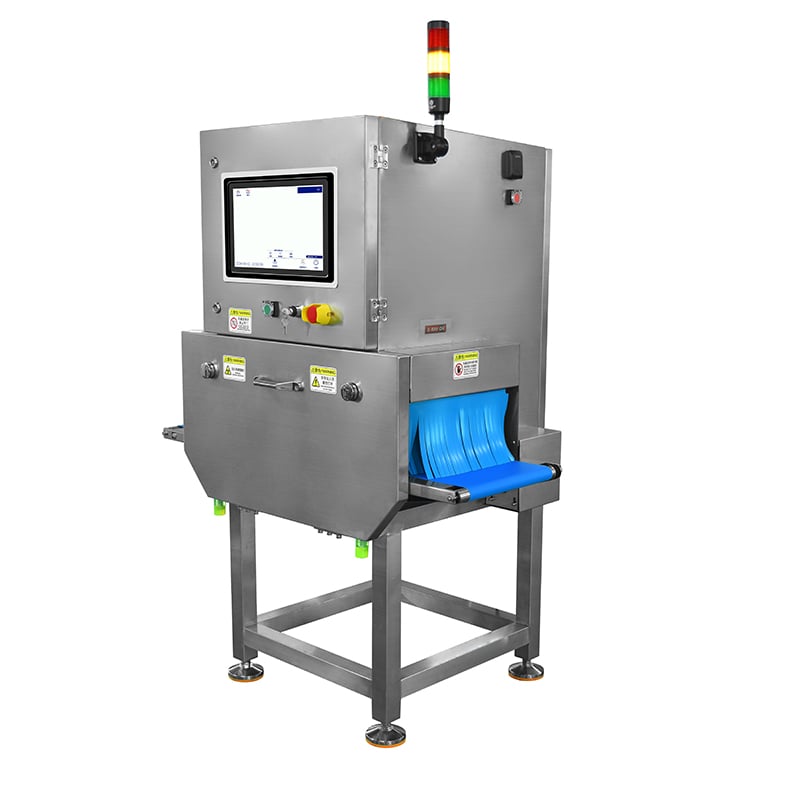
Modern x ray inspection systems rely on two primary sensor technologies to detect and process radiographic images of products and packaging. Flat panel detectors use semiconductor technology to capture an entire image simultaneously, while linear sensors employ a scanning mechanism to build images progressively line by line. Each design philosophy creates distinct operational characteristics that influence how food scanner equipment performs during production runs, how packaging inspection procedures operate, and how quality assurance protocols integrate into manufacturing workflows. The selection process requires careful analysis of detection speed, spatial resolution, cost considerations, and specific application requirements.
Flat Panel Detector Architecture and Performance
Technology Foundation and Image Capture
Flat panel detectors represent modern semiconductor-based imaging technology designed to capture complete radiographic images in a single exposure. These devices consist of a scintillator layer that converts x-ray photons into visible light, which a photodiode array then transforms into electrical signals for digital processing. The simultaneous capture of all image data enables rapid throughput and reduces motion artifacts that might otherwise compromise image quality. This architecture makes flat panel detectors particularly effective for high-speed production environments where packaging inspection demands consistent, real-time visualization without compromising detection accuracy.
Speed Advantages and Production Integration
Flat panel x ray inspection systems excel in throughput capability, enabling inspection speeds that reach several hundred products per minute depending on conveyor velocity and inspection protocol complexity. The instantaneous image capture eliminates mechanical scanning delays, allowing quality assurance teams to implement seamless integration with high-speed production lines. This speed advantage proves especially valuable in food scanner applications where continuous operation is essential for competitive production rates. Manufacturers using flat panel technology report significant improvements in overall line efficiency and reduced bottlenecks that traditionally plagued older inspection methodologies.
Linear Sensor Design and Scanning Mechanisms
Progressive Imaging and Mechanical Operation
Linear sensors employ a different architectural approach, using a single row of detector elements that moves across or scans through the x-ray beam to progressively build complete images. This scanning mechanism requires precise mechanical coordination and controlled movement, making the imaging process inherently slower than flat panel capture but offering specific compensating advantages. The scanning approach generates lower false positive rates in certain applications because it allows extended exposure time for improved photon collection and statistical noise reduction. Packaging inspection systems using linear sensors often demonstrate superior defect detectability in challenging materials like dense composite packaging or complex product configurations.
Image Quality and Defect Resolution
Linear x ray inspection systems typically deliver exceptional spatial resolution and detailed visualization of internal product structure, particularly valuable for quality assurance protocols requiring precise flaw identification. The extended dwell time of linear scanning enables superior contrast resolution and better penetration of thick or high-density materials commonly encountered in food scanner and pharmaceutical packaging applications. These systems excel at identifying small foreign objects, incomplete fills, seal integrity issues, and structural defects that might escape detection in rapid flat panel imaging scenarios. The trade-off involves reduced throughput capability, which means lower inspection speed requires larger physical spaces and potentially more sophisticated scheduling algorithms for continuous production lines.
Comparative Analysis for Industrial Selection
Cost Structure and Capital Investment
Flat panel detector technology typically involves higher initial capital expenditure, reflecting the complexity of semiconductor manufacturing and sophisticated electronics integration required for contemporary detector systems. However, maintenance costs often run lower for flat panel x ray inspection systems due to simpler mechanical designs without moving parts prone to wear and misalignment. Linear sensor systems require lower upfront investment but demand regular mechanical maintenance, alignment verification, and component replacement schedules that accumulate operational costs over extended periods. Quality assurance budgets must account for both scenarios, evaluating total cost of ownership rather than initial purchase price alone when comparing packaging inspection solutions.
Application Suitability and Decision Criteria
Selection between flat panel and linear designs depends heavily on production requirements, product characteristics, and quality assurance objectives. High-volume food scanner operations prioritizing maximum throughput typically benefit from flat panel x ray inspection systems that maintain consistent inspection speed without mechanical limitations. Conversely, applications demanding maximum defect resolution, such as pharmaceutical package verification or premium product inspection, often justify linear sensor selection despite slower operational speed. Hybrid approaches utilizing multiple inspection stations with mixed technologies enable manufacturers to optimize both speed and detection capability across diverse product lines, though this strategy increases system complexity and training requirements for quality assurance personnel managing different equipment architectures.
FAQ
Which sensor design offers faster inspection speeds for packaging inspection?
Flat panel detectors provide significantly faster inspection speeds, often reaching several hundred products per minute with instantaneous image capture and no mechanical scanning delays. Linear sensors operate more slowly due to their progressive scanning mechanism, making them more suitable for applications where defect detection precision outweighs throughput requirements. The choice between technologies depends on whether your food scanner or packaging inspection operation prioritizes production speed or detection accuracy for quality assurance.
How do defect detection capabilities compare between the two x ray inspection systems?
Linear sensors typically excel at detecting subtle defects and small foreign objects because their extended scanning time allows enhanced contrast resolution and superior penetration of dense materials. Flat panel x ray inspection systems provide rapid, reliable detection suitable for most production quality assurance applications but may miss very small defects in dense packaging materials. The detection advantage depends on specific product characteristics and your quality assurance standards rather than the inherent capability difference between technologies.
What maintenance differences should influence packaging inspection equipment selection?
Flat panel x ray inspection systems require minimal maintenance due to their solid-state design without mechanical components, though professional service expertise may be necessary for repairs. Linear sensors demand regular mechanical alignment checks, component inspection, and movement system maintenance that increases operational overhead and planned downtime. Budget for these maintenance requirements when selecting equipment, as recurring maintenance costs significantly impact total ownership expense for long-term food scanner and packaging inspection operations.