 EN
EN


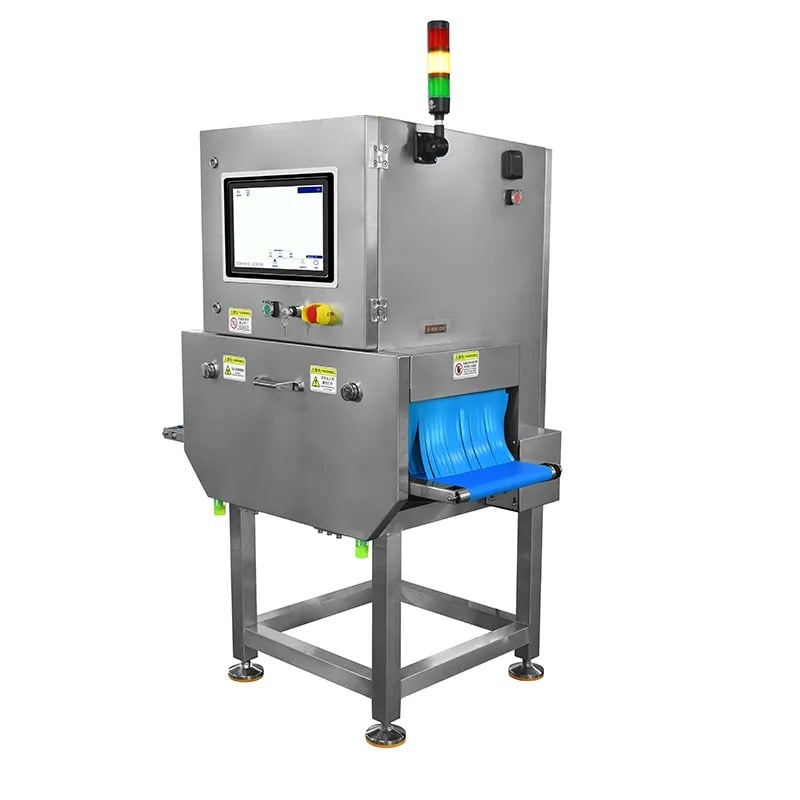
Missing pills in blister packs represent a critical quality control challenge for pharmaceutical manufacturers worldwide. When patients receive incomplete medication packages, the consequences extend beyond simple customer dissatisfaction, potentially affecting treatment outcomes and regulatory compliance. Modern x ray inspection systems have become the industry standard for detecting these defects before products reach distribution centers and end consumers.
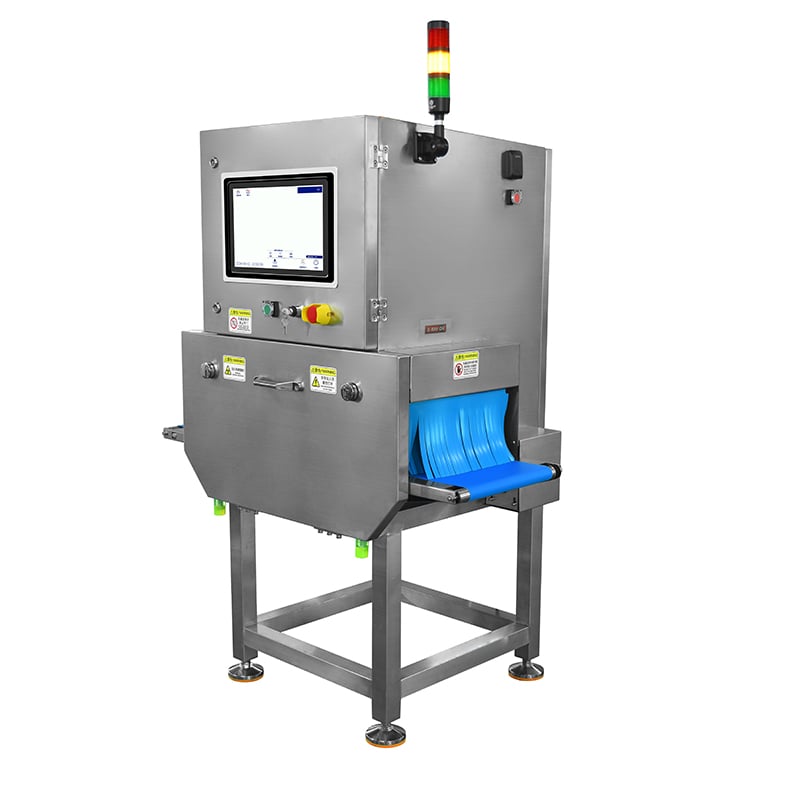
Blister pack integrity directly impacts brand reputation, patient safety, and regulatory standing. Pharmaceutical companies must implement reliable packaging inspection methods to ensure every box contains the correct number of tablets or capsules before shipment. Advanced x ray inspection systems offer non-destructive, highly accurate detection capabilities that traditional visual inspection cannot match, making them indispensable for modern manufacturing environments.
How X Ray Inspection Systems Detect Missing Pills
Radiographic Imaging Principles
X ray inspection systems use controlled radiation to create detailed internal images of sealed blister packs without opening or damaging packaging. The system transmits x rays through the blister, capturing density variations that reveal whether each cavity contains the expected pill or remains empty. This radiographic approach delivers instant, objective data about pack contents, eliminating human error inherent in manual visual checks.
The x ray beam penetrates plastic, aluminum, and cardboard materials with predictable attenuation patterns. Pills and capsules, being denser than the surrounding air, absorb more radiation and appear as distinct dark regions on the detector screen. Any empty cell or missing tablet produces a noticeably different radiographic signature, enabling automated detection algorithms to flag defective packages for removal from the production line.
Real-Time Detection and Sorting
Modern x ray inspection systems operate at line speeds of 300 to 400 packs per minute, maintaining production efficiency while delivering comprehensive packaging inspection coverage. Each pack triggers image capture, instant analysis, and reject signal generation within milliseconds. Defective units are automatically ejected or diverted to a quarantine location, preventing contaminated stock from entering the distribution network.
The system's speed and accuracy make it far superior to manual counting or simple metal detection alternatives. Food scanner technology and pharmaceutical-grade x ray inspection systems share similar underlying principles but operate within different regulatory frameworks. Pharmaceutical applications demand higher sensitivity, faster processing, and stricter compliance documentation than general food scanner applications.
Quality Assurance Benefits and Industry Compliance
Regulatory Requirements and Risk Mitigation
Pharmaceutical regulatory agencies including the FDA, EMA, and ICH guidelines require documented quality assurance processes that verify package completeness and integrity. X ray inspection systems provide verifiable records of every pack inspected, creating an auditable trail essential for regulatory submissions and recall management. This documentation demonstrates due diligence in quality assurance, protecting manufacturers from liability and regulatory sanctions.
Missing pill incidents can trigger expensive product recalls, damage market reputation, and expose companies to legal action. Implementing robust x ray inspection systems reduces recall risk by catching defects before distribution. The investment in advanced packaging inspection technology pays for itself through reduced warranty claims, regulatory penalties, and lost brand equity that preventable defects would otherwise cause.
Production Efficiency and Cost Control
While x ray inspection systems represent a capital investment, they eliminate the need for manual quality assurance staff dedicated to pack counting and visual verification. Automation reduces labor costs, minimizes human fatigue-related errors, and maintains consistent detection standards across all production shifts. The system's reliability means fewer false rejections that waste product and create line interruptions.
Manufacturers gain actionable data about process stability through x ray inspection system reporting features. When missing pill defect rates spike, the system alerts supervisors immediately, enabling root cause investigation before large batches are affected. This real-time feedback loop drives continuous improvement in blister filling equipment performance and packaging quality assurance protocols.
Implementation Considerations and Technology Features
System Selection and Integration
Choosing appropriate x ray inspection systems requires evaluating pack dimensions, material composition, product density, and line speed requirements. Systems must integrate seamlessly with existing conveyor infrastructure and downstream reject mechanisms. Many manufacturers combine x ray inspection systems with complementary technologies like metal detection and vision inspection for comprehensive quality assurance coverage.
Food scanner vendors and pharmaceutical x ray specialists offer different feature sets tailored to industry-specific demands. Pharmaceutical-grade systems emphasize traceability, validation documentation, and regulatory compliance features beyond basic defect detection. Integration with manufacturing execution systems enables real-time data analysis and predictive maintenance scheduling.
Maintenance and Ongoing Performance
X ray inspection systems require periodic calibration and validation to maintain detection accuracy and regulatory compliance. Manufacturers must establish preventive maintenance schedules and train operators on system troubleshooting and performance verification. Annual qualification tests confirm that the system continues detecting missing pills at the required sensitivity threshold.
Modern systems incorporate self-diagnostic features that flag calibration drift or detector degradation before performance impacts production. Cloud-connected x ray inspection systems enable remote support from vendors, reducing downtime during troubleshooting. Investing in proper training and maintenance extends equipment lifespan and ensures sustained quality assurance effectiveness throughout the system's operational life.
FAQ
Can x ray inspection systems detect all types of missing pills and capsules?
Yes, x ray inspection systems effectively detect missing pills, capsules, and tablets of virtually any size or composition. The technology works because pills are denser than air, creating clear radiographic contrast. However, detection sensitivity depends on proper system calibration, appropriate sensor selection, and correct image processing parameters tuned for your specific product.
How do x ray inspection systems compare to manual visual inspection for packaging inspection accuracy?
X ray inspection systems vastly outperform manual visual inspection due to their objectivity, consistency, and speed. Humans cannot reliably inspect sealed packages without opening them, whereas x ray technology peers inside non-destructively. Automated detection eliminates fatigue-related errors and maintains uniform standards across production shifts, making quality assurance far more reliable and documentable.
What regulatory standards govern x ray inspection systems for pharmaceutical packaging inspection?
Pharmaceutical x ray inspection systems must comply with FDA 21 CFR Part 11 for data integrity, ISO 13849 for safety, and 21 CFR Part 820 for quality management systems. Different regions impose additional requirements, but modern packaging inspection equipment meets international standards. Manufacturers should verify vendor documentation confirms compliance with relevant regulations in their target markets.