 EN
EN


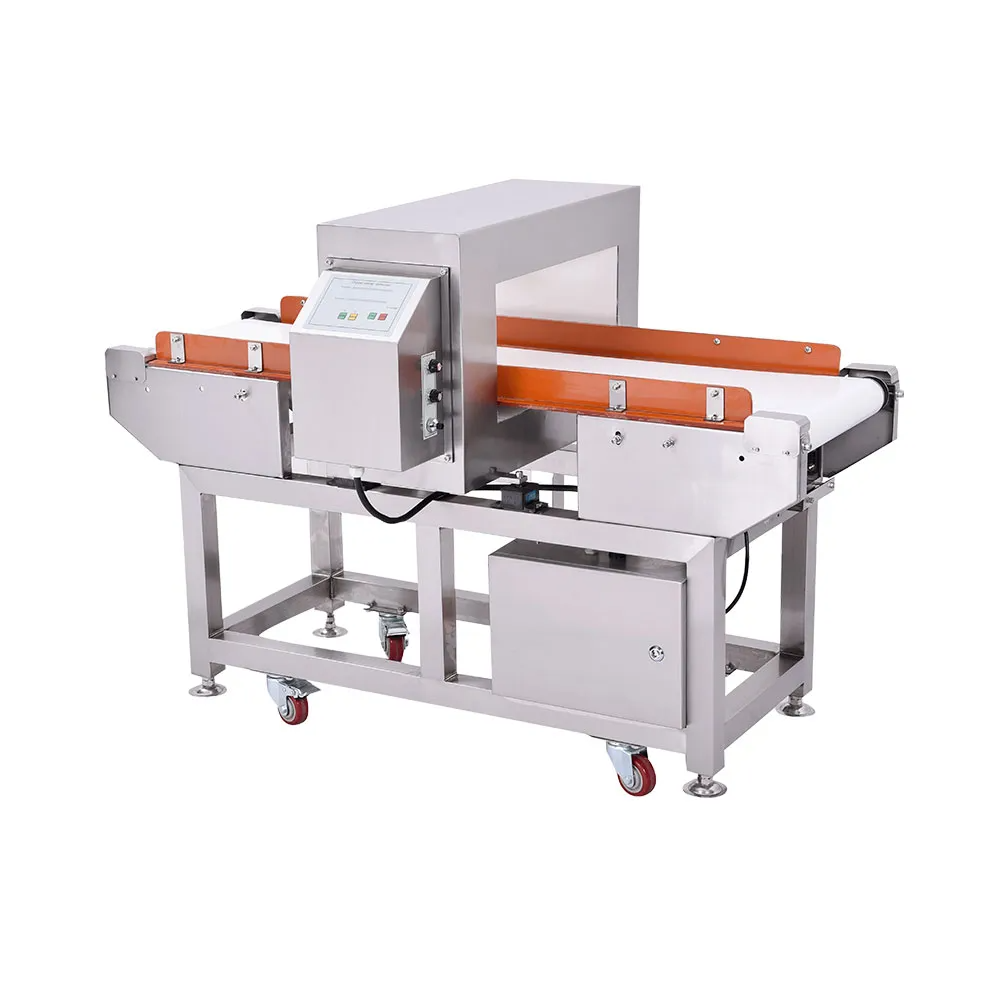
Broken screws and metal fragments pose significant quality and safety risks across manufacturing, food processing, pharmaceutical, and assembly operations. Detecting these contaminants before products reach customers requires reliable technology and systematic processes. A metal detector machine has become the industry standard for identifying broken fasteners, metal shavings, and fragmented components within production lines. Understanding how this metal detector machine works, what it detects, and how to implement it effectively is essential for maintaining product integrity and regulatory compliance.
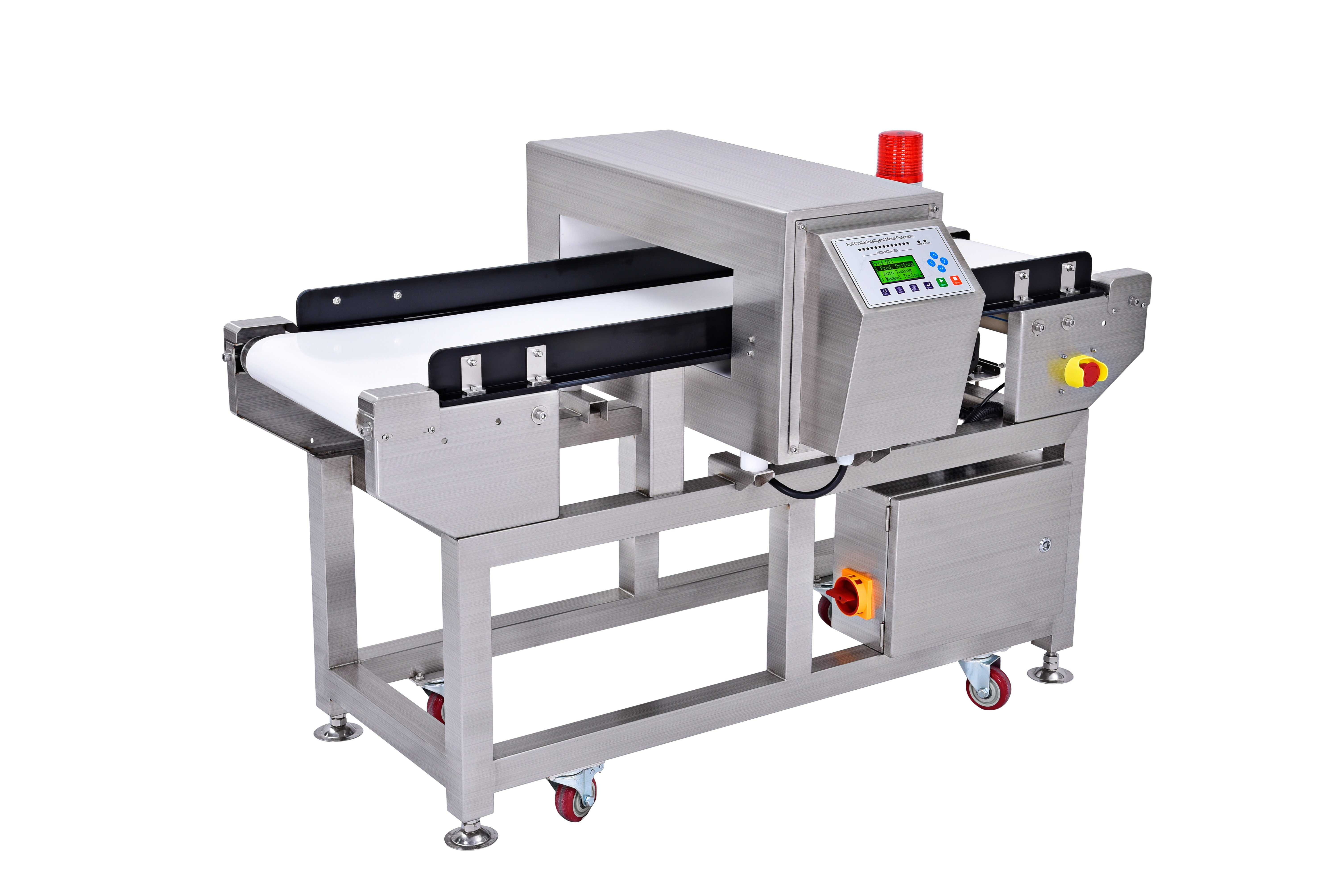
Modern contamination control depends on precise detection equipment that captures metal fragments before they contaminate finished goods or reach end-users. An industrial metal detector operates by generating electromagnetic fields that respond to conductive materials, enabling it to identify even small broken screw pieces. This inspection machine technology has evolved beyond basic metal sensing to include digital processing, sensitivity adjustment, and integration with production workflows. Organizations that prioritize metal fragment detection protect their brand reputation, reduce liability, and meet strict quality standards.
How Metal Detector Machines Identify Broken Screws
Electromagnetic Detection Technology
A metal detector machine functions by creating alternating electromagnetic fields that penetrate the product stream passing through its detection zone. When a broken screw or metal fragment enters this field, it disrupts the electromagnetic pattern, triggering an alarm and stopping the production line. The industrial metal detector's sensitivity can be calibrated to detect ferrous metals like steel screws, non-ferrous metals like aluminum fragments, and stainless steel pieces depending on application requirements. Modern detection systems use dual-frequency technology and advanced signal processing to minimize false positives while maintaining reliable identification of actual contaminants.
Sensitivity and Fragment Size Range
Effective contamination control requires understanding the detection capabilities of your inspection machine. Most industrial metal detector systems can identify ferrous fragments as small as 0.7 millimeters, ferrous wire at 0.8 millimeters, and non-ferrous metals at 1.0 millimeters or smaller. This sensitivity level captures broken screw pieces, slivers from snapped fasteners, and metal shavings that pose contamination risks. Operators configure the metal detector machine's threshold settings based on product type, target contaminant size, and production speed to balance detection accuracy with operational efficiency.
Practical Implementation of Industrial Metal Detector Systems
Integration Into Production Lines
Successful contamination control requires strategic placement of the inspection machine within your manufacturing workflow. The industrial metal detector should be positioned after assembly operations where broken screws are most likely to occur, before final packaging. Installation height, conveyor speed, and product flow direction all influence detection performance. The metal detector machine integrates with control systems to automatically reject contaminated products or halt production when fragments are detected, preventing non-conforming items from reaching customers. Proper calibration during startup ensures the system responds appropriately to the specific product matrix and target contaminant sizes.
Maintenance and Compliance Requirements
An inspection machine requires regular calibration verification using standard test samples containing known metal fragments. Daily startup checks with calibration reference blocks confirm the metal detector machine maintains baseline sensitivity. Weekly cleaning of sensor windows and periodic full system diagnostics prevent performance degradation. Documentation of all calibration checks, adjustments, and validation tests demonstrates contamination control effectiveness during regulatory audits. Compliance with food safety regulations, pharmaceutical standards, and product-specific guidelines mandates that your industrial metal detector maintains documented proof of detection capability throughout its operational life.
Industry-Specific Applications and Contamination Control Benefits
Food and Beverage Manufacturing
Food producers depend on metal detector machine technology to prevent broken screw contamination that could cause consumer injury or product recalls. An industrial metal detector screening packaged snacks, processed meats, baked goods, and frozen products protects public health and brand credibility. Contamination control in food applications demands sensitivity to ferrous, non-ferrous, and stainless steel fragments that could originate from mixing equipment or packaging machinery. The inspection machine's reject capability prevents a single contaminated unit from reaching distribution channels, avoiding expensive recalls and reputational damage.
Pharmaceutical and Medical Device Manufacturing
Pharmaceutical manufacturers and medical device producers face regulatory requirements for metal fragment detection and removal. A metal detector machine ensures tablets, capsules, injectable medications, and sterile devices remain free from broken screw contamination. The industrial metal detector used in pharmaceutical facilities often features validation protocols, audit trail capabilities, and integration with quality management systems. These contamination control measures exceed customer expectations and demonstrate commitment to product safety compliance.
FAQ
Can a metal detector machine identify all types of metal fragments from broken screws?
A metal detector machine detects ferrous metals like steel and stainless steel fragments effectively, but detection depends on fragment size, material composition, and system sensitivity settings. Non-ferrous metals like aluminum require industrial metal detector systems calibrated for those materials. An inspection machine cannot detect non-metallic contaminants, so contamination control programs should combine metal detection with other screening technologies when needed.
What inspection machine settings optimize detection of small broken screw pieces?
Optimizing your metal detector machine involves balancing detection sensitivity, conveyor speed, and false-positive rates. Most industrial metal detector manufacturers recommend starting at maximum sensitivity during calibration, then gradually reducing it until false alarms disappear while maintaining target fragment detection. An inspection machine requires periodic recalibration as product formulations change or environmental factors shift. Consulting equipment documentation and following manufacturer guidance ensures your contamination control system performs reliably.
How does a metal detector machine integrate with production management systems?
Modern industrial metal detector equipment connects to programmable logic controllers, quality management systems, and data collection platforms for real-time contamination control monitoring. An inspection machine can log detection events, automatically reject flagged products, halt production lines, and generate compliance reports. The metal detector machine provides traceability for affected batches, enabling targeted investigation and corrective action. This integration supports both operational efficiency and regulatory documentation requirements in contamination control programs.