 EN
EN


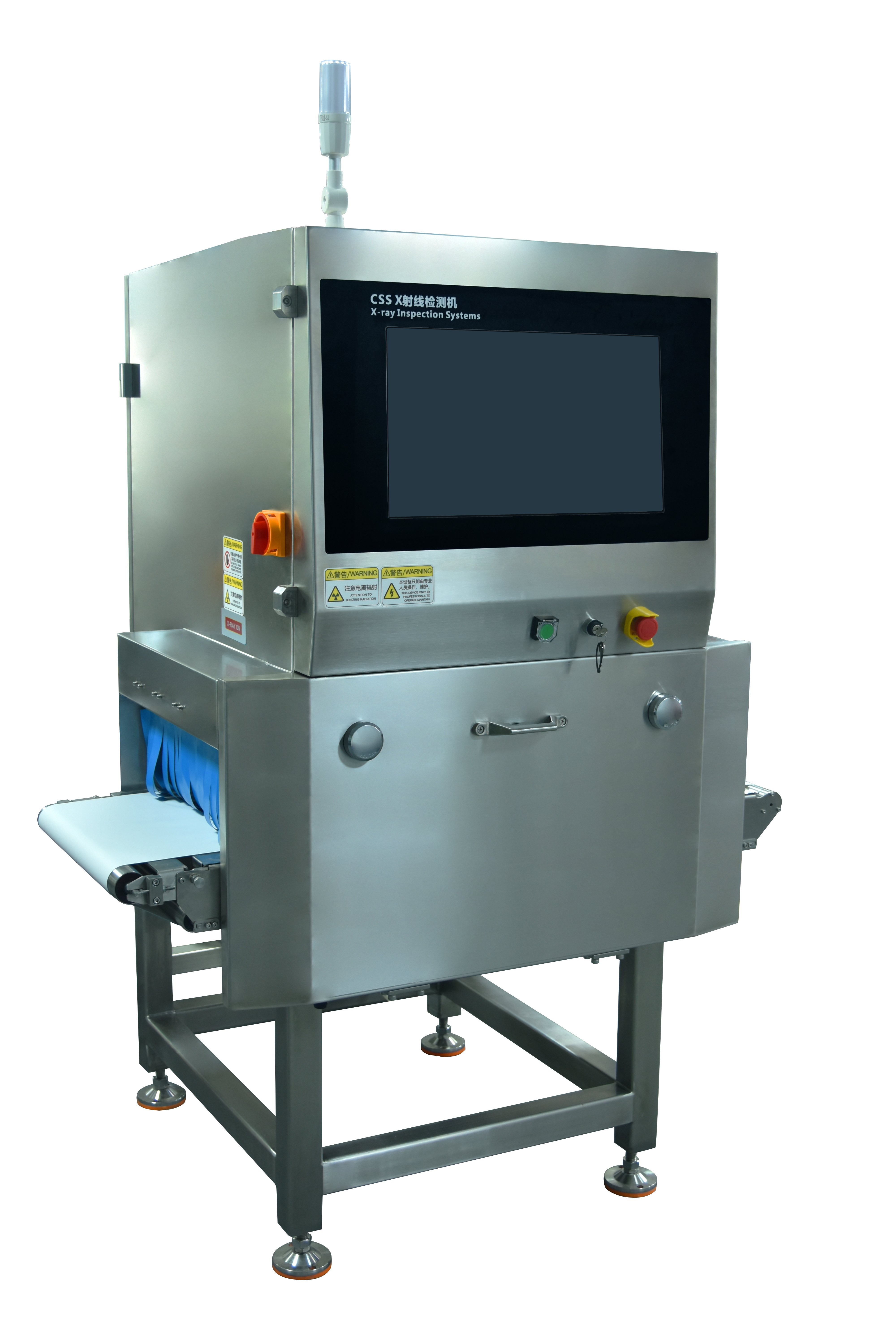
Modern manufacturing and food processing facilities face increasing pressure to maintain product safety and quality standards. A metal detector machine equipped with multi-frequency technology represents a significant advancement in addressing these critical requirements. Unlike single-frequency systems that operate at fixed intervals, multi-frequency metal detector machines utilize dynamic frequency switching to detect various metal types with superior sensitivity and accuracy across diverse product matrices.
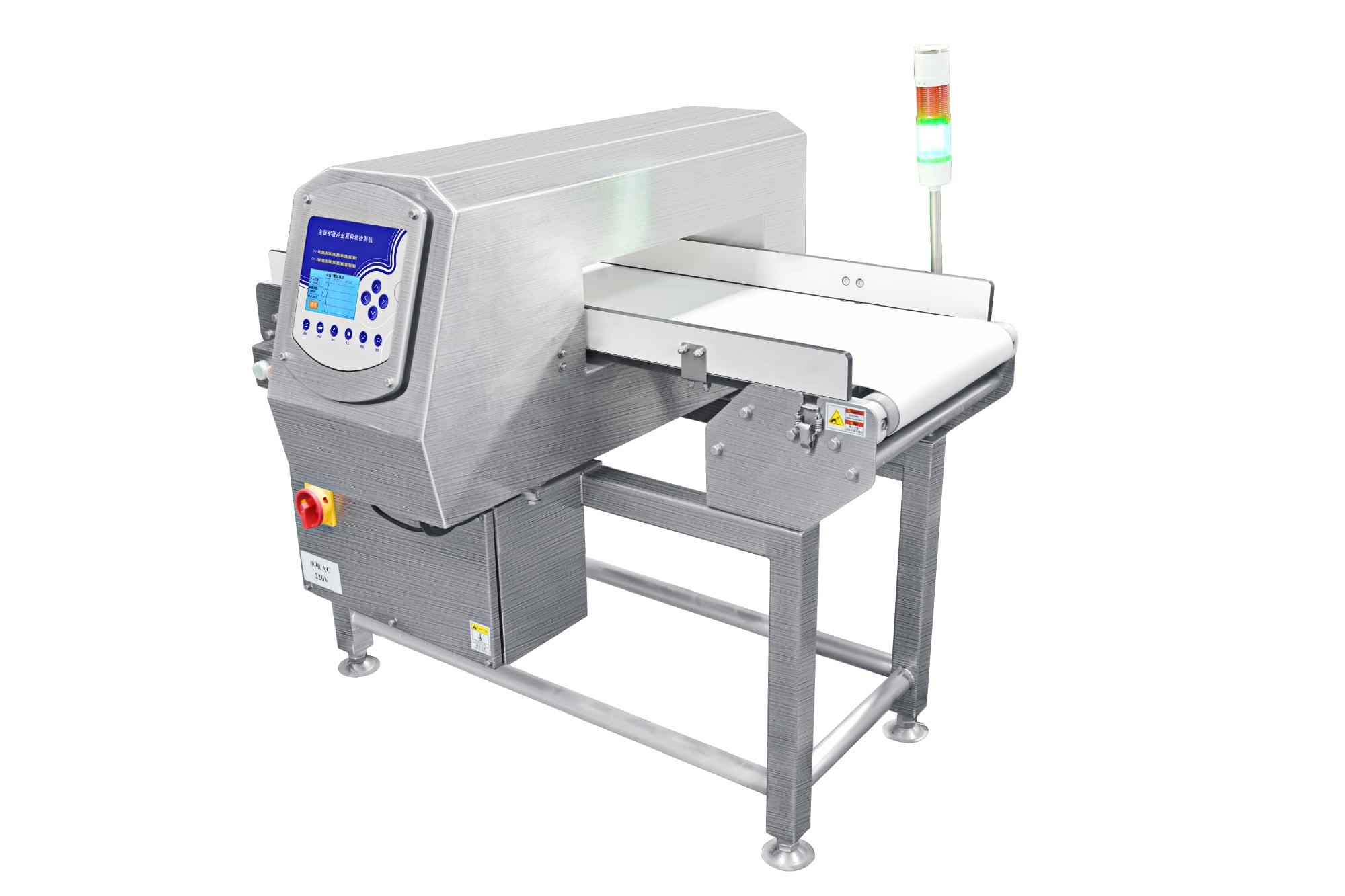
Understanding how multi-frequency capabilities enhance an industrial metal detector lies in recognizing the fundamental physics of metal detection. Different metals respond variably to electromagnetic fields depending on their electrical conductivity and magnetic properties. Multi-frequency systems overcome the limitations of conventional single-frequency approaches by simultaneously operating across multiple frequency bands, enabling superior contamination control across all product types.
Understanding Multi-Frequency Detection Technology
How Frequency Variation Improves Detection Capability
A traditional metal detector machine operates at one fixed frequency, which creates inherent blind spots for certain metal types and product compositions. Multi-frequency technology addresses this by transmitting at several frequencies simultaneously or sequentially. Lower frequencies penetrate deeper into conductive products like meat or chocolate, while higher frequencies excel at detecting small ferrous particles near the product surface. This dual capability dramatically improves the overall sensitivity and versatility of the inspection machine.
Industrial metal detector systems using multi-frequency approaches can automatically switch between frequency bands based on real-time product characteristics. When detecting ferrous contamination in salty or wet food products, the system dynamically adjusts its operating frequency to maintain consistent sensitivity. This adaptive behavior ensures that neither ferrous nor non-ferrous metals slip through undetected, providing comprehensive contamination control regardless of product type or environmental conditions.
Signal Processing and Sensitivity Enhancement
Advanced signal processing algorithms work alongside multi-frequency capabilities to filter environmental noise and distinguish true metal signals from false positives. Each frequency band generates its own signal pattern, and sophisticated digital analysis compares and correlates these patterns to identify genuine contamination. An industrial metal detector equipped with this technology can achieve detection thresholds as small as 0.5mm for ferrous particles, significantly exceeding single-frequency performance. The inspection machine's ability to process multiple frequency streams in parallel reduces cycle time while maintaining accuracy.
Key Advantages for Industrial Applications
Versatility Across Product Types
Manufacturing environments process vastly different product types, each presenting unique detection challenges. A metal detector machine with multi-frequency capability seamlessly transitions between inspecting dry goods, wet foods, fatty products, and conductive materials without requiring complete recalibration. This versatility stems from the technology's ability to select optimal frequency ranges automatically based on product conductivity levels. Facilities can deploy a single inspection machine across multiple production lines, reducing capital investment and operational complexity.
Contamination control becomes substantially easier when your metal detector machine adapts intelligently to product properties. Multi-frequency systems eliminate the need for manual frequency adjustment when switching between product batches. The technology recognizes product characteristics during operation and optimizes detection parameters in real time, ensuring consistent security regardless of whether the line processes meat, seafood, bakery items, or confectionery products.
Improved Detection of Non-Ferrous Metals
Aluminum, stainless steel, and copper contamination pose significant risks in food manufacturing but remain challenging to detect with conventional systems. Multi-frequency metal detector technology excels at identifying non-ferrous metals through frequency-dependent signal analysis. Different frequencies interact with non-ferrous metals at varying signal strengths, creating distinctive detection signatures that advanced processors can identify with high confidence. This capability strengthens contamination control programs and expands the scope of hazards an industrial metal detector can reliably address.
Enhanced Performance in Challenging Environments
High-salinity products, fatty matrices, and wet food processing environments traditionally cause performance degradation in metal detection systems. The inspection machine's multi-frequency approach overcomes product-induced noise by leveraging frequency combinations that minimize conductivity interference. Lower frequency bands can penetrate conductive products while higher frequencies maintain sensitivity to surface contamination. This complementary action enables consistent detection performance even when processing products that would severely challenge single-frequency metal detector machines.
Implementation and Optimization Strategies
System Integration Considerations
Implementing multi-frequency metal detector technology requires careful system integration to maximize the industrial metal detector's potential. Modern systems feature simplified operator interfaces that abstract the underlying frequency complexity, allowing production staff to operate the inspection machine with minimal specialized training. Digital connectivity enables remote monitoring and diagnostics, supporting preventive maintenance schedules that keep contamination control systems operating at peak performance. Integration with existing quality management systems ensures that detection events trigger appropriate responses and maintain complete audit trails.
The metal detector machine should be positioned within production workflows to intercept contamination at optimal points. Pre-processing stages benefit from early detection, while multi-frequency capability ensures consistent performance even after product transformation. Modern systems support flexible sensitivity programming, allowing facilities to establish contamination control protocols matched to specific product categories and regulatory requirements. An industrial metal detector with these capabilities becomes a core component of comprehensive quality assurance infrastructure.
Regulatory Compliance and Documentation
Food safety regulations and industry standards increasingly mandate advanced contamination control measures that align with multi-frequency metal detector technology requirements. The inspection machine's automated logging and reporting features support regulatory compliance by generating documented evidence of consistent monitoring. Multi-frequency systems provide technical superiority that exceeds regulatory baseline expectations, offering competitive advantages beyond minimum compliance. Facilities deploying such technology demonstrate commitment to product safety that resonates with customers and regulatory agencies alike.
FAQ
Can a multi-frequency metal detector machine detect all metal types equally well?
Multi-frequency technology significantly improves detection across all metal types, but detection efficacy varies based on metal properties and product composition. Ferrous metals respond strongly across most frequencies, while non-ferrous metals show variable responses depending on their conductivity. Advanced systems optimize frequency selection for each metal type, achieving excellent detection performance across the metal spectrum. The inspection machine's processing algorithms ensure that frequency variety translates into practical detection improvements for ferrous, non-ferrous, and stainless steel contamination.
How does multi-frequency capability improve an industrial metal detector's versatility?
Versatility emerges from the metal detector machine's ability to adapt frequency selection based on real-time product characteristics. Rather than operating at fixed frequencies, multi-frequency systems automatically optimize performance for each product type without manual intervention. An industrial metal detector can transition from processing meat to chocolate to seafood while maintaining consistent contamination control. This adaptive behavior eliminates recalibration downtime and allows centralized inspection equipment to serve multiple production lines with varying product types.
What role does signal processing play in multi-frequency metal detection systems?
Signal processing transforms raw frequency data into actionable contamination detection by filtering noise and identifying genuine metal signals. The inspection machine's processor analyzes signal patterns across multiple frequencies simultaneously, enabling differentiation between true contamination and false positives. Advanced algorithms can detect extremely small particles by correlating signals across frequency bands. Multi-frequency metal detector machines achieve superior performance through sophisticated software analysis that extracts maximum information from diverse frequency responses.