 EN
EN


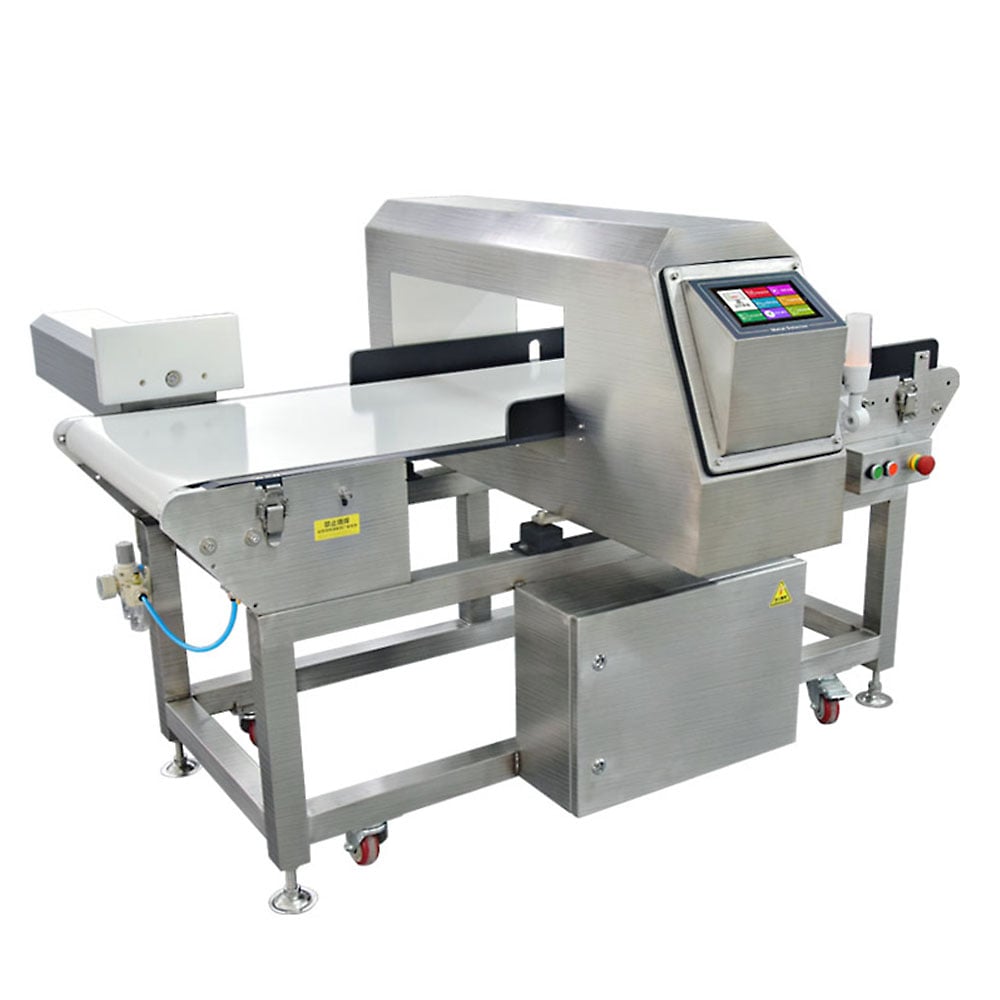
Detecting low profile metal foils represents one of the most challenging applications in industrial metal inspection. When aluminum foil, metallic film, or ultra-thin conductive materials move through production lines, standard metal inspection equipment often fails to catch contamination because these foils themselves conduct electricity, making them difficult to distinguish from foreign metal particles. Conveyor belt metal detectors purpose-built for this task use advanced signal processing and frequency optimization to detect even ferrous particles as small as 0.7 millimeters embedded within or adhering to metal foil products.
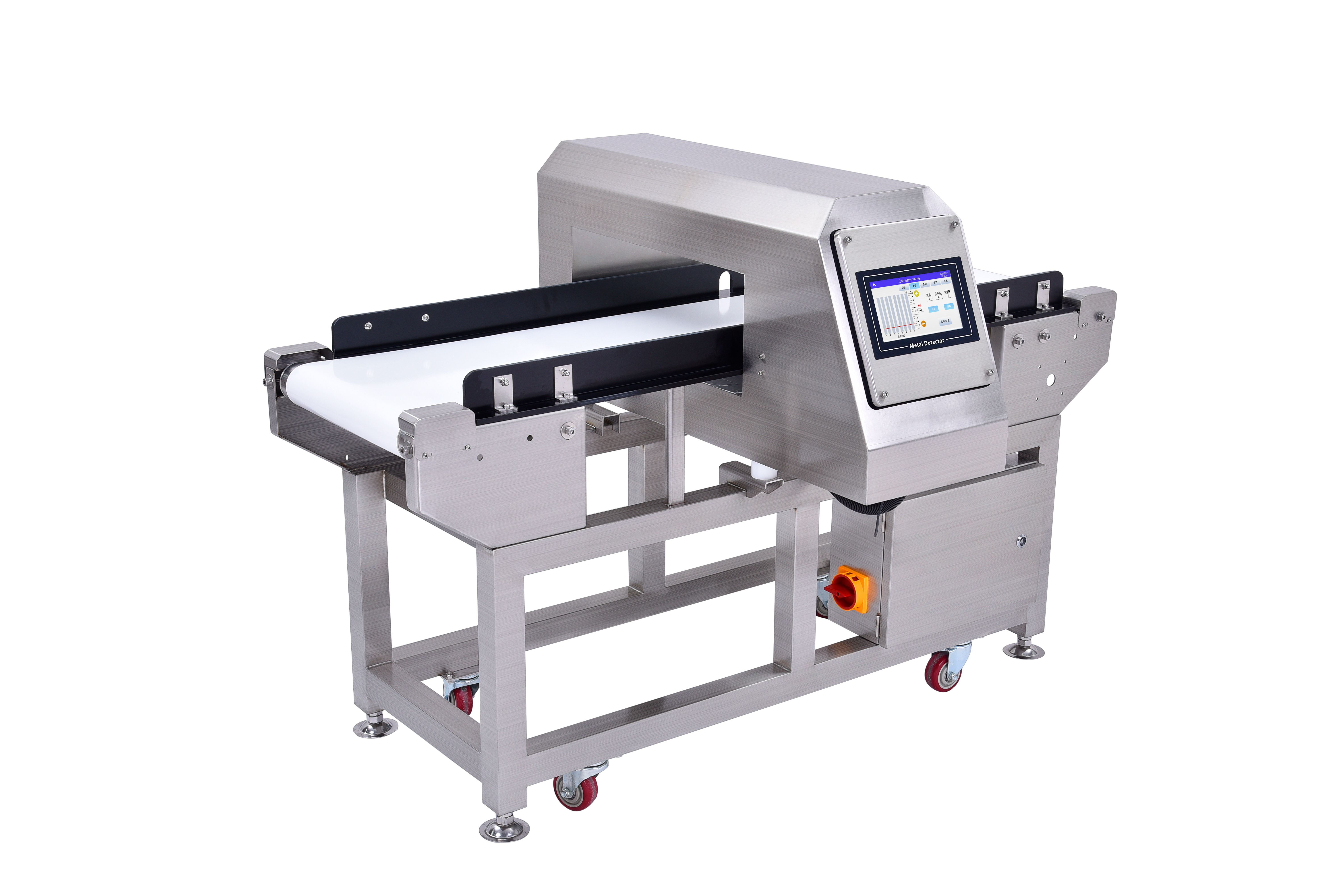
The complexity of detecting contaminants within conductive foil packaging demands specialized tunnel metal detector configurations that balance sensitivity with practical production throughput. A packaging line detector must overcome the inherent conductivity of aluminum and metallic films while maintaining the speed and reliability required in high-volume manufacturing environments. Understanding how these systems work, their configuration requirements, and their role in quality assurance is essential for packaging manufacturers, food producers, pharmaceutical companies, and any operation where metal foil materials are processed or packaged.
How Conveyor Belt Metal Detectors Handle Conductive Foil Materials
Understanding the Signal Challenge in Metal Foil Detection
Metal foil products present a fundamentally different detection problem than rigid metal contaminants. When aluminum foil or metallic film moves through a standard tunnel metal detector, the foil itself generates a strong background signal because it conducts electricity. This baseline noise can mask the presence of smaller foreign metal particles or even prevent the system from detecting contamination altogether. Conveyor belt metal detectors designed for foil applications use frequency tuning and phase analysis to separate the product signal from actual metallic contaminants.
The key to successful metal inspection on packaging lines lies in optimizing the detector's operating frequency. Lower frequencies penetrate thicker, more conductive materials more effectively, but they sacrifice sensitivity to smaller particles. Higher frequencies detect tiny ferrous fragments but become overwhelmed by thick foil conductivity. Purpose-built tunnel metal detector systems for foil applications operate at carefully selected frequencies that balance these competing demands, often incorporating multiple frequencies simultaneously to achieve what single-frequency systems cannot.
Advanced Signal Processing for Foil Packaging Lines
Modern conveyor belt metal detectors employ sophisticated digital signal processing to distinguish genuine metal contaminants from the foil product itself. The system measures not only the amplitude of the signal but also its phase relationship and harmonic content. A ferrous particle generates a distinctly different signal signature than an aluminum foil base material, even when both pass through identical detection coils. This intelligence allows a packaging line detector to reject foil while accepting legitimate alarm conditions, reducing false positives that would otherwise halt production unnecessarily.
Temperature compensation and baseline drift correction are additional features integrated into conveyor belt metal detectors serving high-speed production environments. As ambient temperature fluctuates or as foil tension and positioning vary slightly, the baseline signal can shift. Advanced systems continuously adapt their detection thresholds to maintain consistent sensitivity throughout the production run, ensuring that metal inspection performance remains reliable even as external conditions change.
Practical Installation and Configuration for Metal Foil Detection
Tunnel Metal Detector Sizing and Positioning
Selecting the correct tunnel metal detector dimensions is critical when processing metal foil materials. The detector opening must accommodate the foil roll width or layered foil packaging without requiring product folding or excessive compression, which could cause false signals or damage the foil. Conveyor belt metal detectors for foil applications typically feature rectangular tunnels rather than round designs, allowing the foil to pass through in its natural orientation. The tunnel height must be minimized to maintain strong magnetic fields and improve sensitivity, while still providing adequate clearance for smooth product flow.
Installation location within the packaging line affects detection reliability significantly. The tunnel metal detector should be positioned after all product formation and consolidation steps, where foil materials have reached their final configuration. Placement too early in the process, when foil positioning is still unstable, leads to product variability that complicates metal inspection calibration. Conversely, positioning the detector as late as possible in the line minimizes the number of reject units that must be processed before contamination is caught, improving cost-effectiveness and throughput.
Calibration and Sensitivity Tuning for Metallic Film Products
Commissioning a conveyor belt metal detector on a packaging line begins with establishing a baseline signal for the foil material itself. Operators feed clean foil product through the system repeatedly, allowing the detector to learn and normalize the expected conductivity pattern. Once this baseline is established, the system's sensitivity threshold is set to trigger alarms only when the signal deviation exceeds a level that cannot be explained by natural product variation. This threshold must be aggressive enough to catch genuine ferrous particles at 0.7 millimeters or smaller, yet relaxed enough to avoid false alarms from minor foil thickness fluctuations.
Test samples containing known ferrous particles are then run through the metal inspection system to verify detection performance. These samples typically include particles of defined sizes—often starting at 0.7 millimeters and increasing to larger sizes—to confirm that the tunnel metal detector can reliably identify contaminants within the intended sensitivity range. Documentation of this calibration process creates a baseline for ongoing quality assurance and helps troubleshoot any detection failures that may occur later during production.
Role of Metal Inspection in Foil Packaging Quality Assurance
Regulatory Compliance and Customer Expectations
Metal inspection using conveyor belt metal detectors has become a regulatory expectation in many industries, particularly food, pharmaceutical, and medical device packaging. Regulatory bodies worldwide recognize that metal foil packaging materials can introduce ferrous contamination through wear of production equipment, inadvertent tool loss, or supplier defects in the foil raw material itself. Documented metal detection protocols satisfy audit requirements, demonstrate due diligence, and protect manufacturers from liability associated with contaminated products reaching consumers.
Beyond compliance, customers increasingly demand proof that their suppliers have implemented metal inspection on packaging lines. Food brands, pharmaceutical companies, and medical device manufacturers require certification that incoming aluminum foil and metallic film materials have been tested by functioning tunnel metal detector equipment. A packaging line detector is no longer optional in competitive markets; it is a basic requirement for business continuity and customer confidence.
Economic Impact of Effective Metal Detection
Implementing reliable metal inspection reduces waste, minimizes recalls, and protects brand reputation. A single contaminated product reaching the market can trigger expensive recalls, regulatory investigations, and customer litigation. The cost of operating a conveyor belt metal detector and rejecting occasional contaminated batches is negligible compared to the financial and reputational damage of a product recall. Pharmaceutical and food manufacturers quickly recognize that investment in quality metal detection is insurance against far greater losses.
The economic analysis extends to production efficiency as well. While some manufacturers worry that metal inspection equipment slows line throughput, modern tunnel metal detector systems designed for foil applications operate at speeds matching or exceeding the rest of the production line. Properly integrated conveyor belt metal detectors create no production bottleneck and add minimal operational cost per unit produced, making them economically justified regardless of line speed.
FAQ
Can standard metal detectors detect contaminants in aluminum foil?
Standard metal detectors struggle with aluminum foil because the foil itself conducts electricity and generates strong background signals that can mask smaller contaminants. Purpose-built tunnel metal detector systems use frequency optimization and advanced signal processing to overcome this challenge, but standard equipment typically cannot achieve reliable metal inspection on conductive foil materials without excessive false alarms.
What size ferrous particles can a packaging line detector reliably catch?
High-precision conveyor belt metal detectors can detect ferrous particles as small as 0.7 millimeters within metal foil products. Sensitivity varies based on the specific system configuration, foil thickness, foil composition, and the depth of the particle within the material. Proper calibration of the tunnel metal detector ensures consistent detection of particles within the intended sensitivity range while managing false alarm rates.
How often should metal inspection equipment be tested and validated?
Best practices require that conveyor belt metal detectors be tested with known ferrous particle samples at least once per production shift, or more frequently if a facility runs continuous operations. Many manufacturers test at the start of each production run to confirm the metal detection system remains functional. This routine validation of the packaging line detector ensures that any equipment degradation or calibration drift is caught before contaminated products proceed further through the distribution chain.