 EN
EN


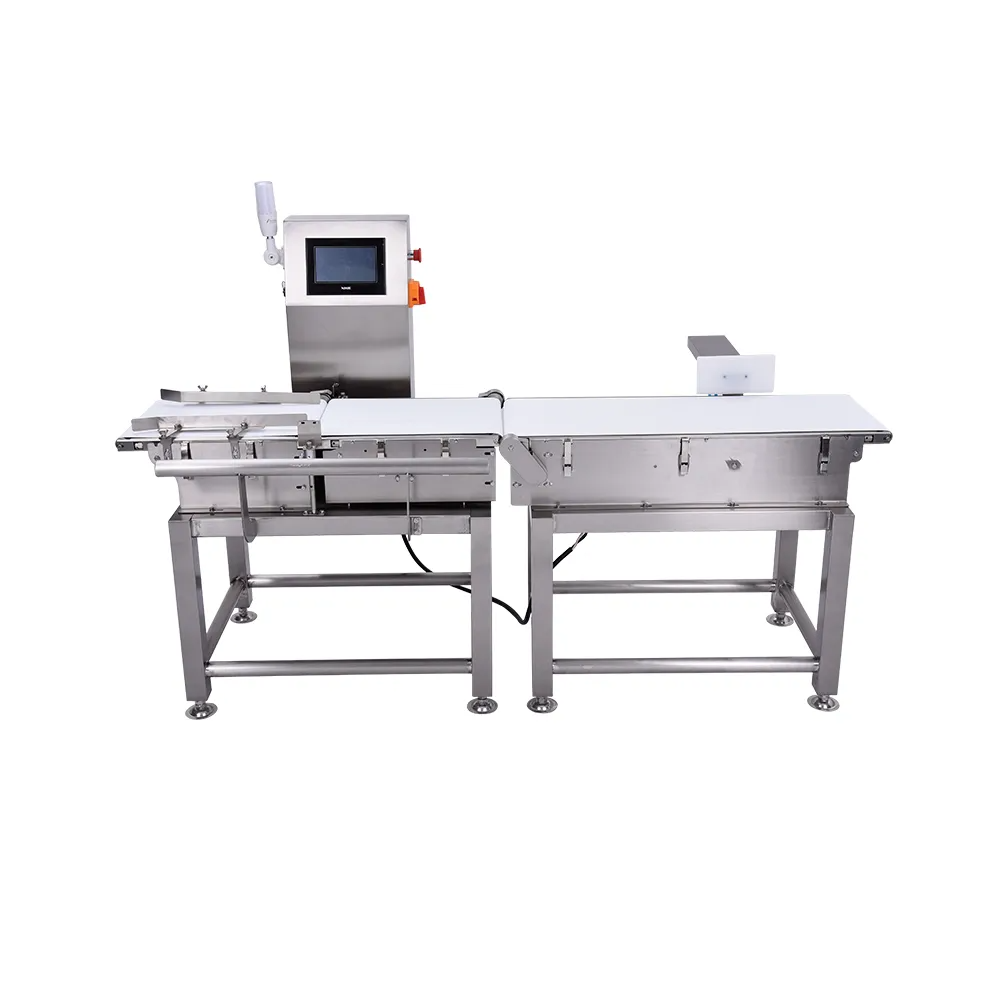
Selecting the right sorter mechanism for your weight sorting machine directly impacts throughput, accuracy, and long-term operational costs. The three dominant sorter types—paddle, air jet, and drop gate—each offer distinct advantages depending on your product characteristics, line speed, and sorting complexity. Understanding how these mechanisms work and where each excels will help you make an informed investment decision for your checkweighing sorter application.
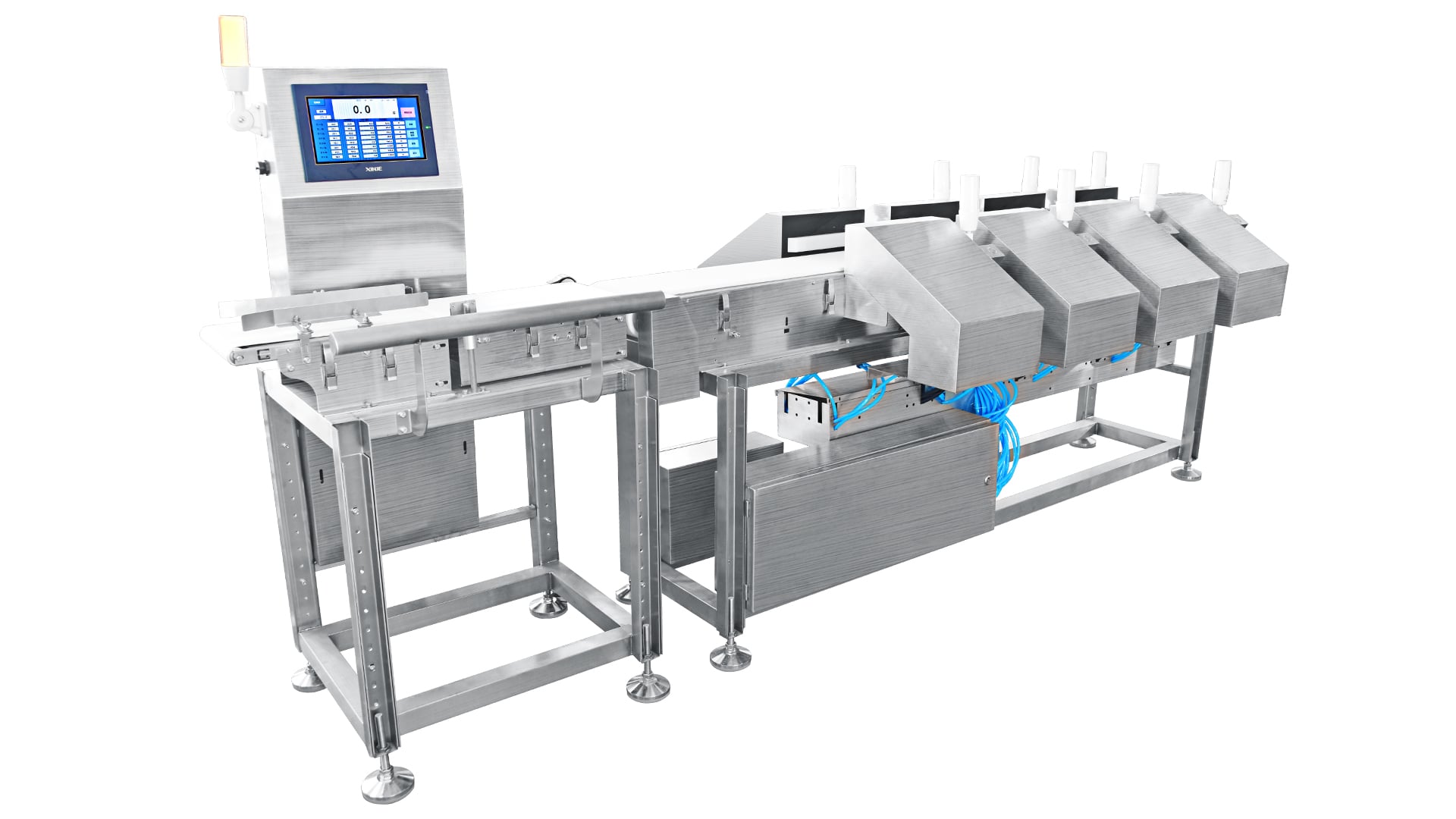
Each sorter type integrates differently with your weight grader's control system and convey infrastructure. Paddle sorters use mechanical arms to deflect products, air jet sorters employ pressurized air streams for rapid diversion, and drop gate sorters use gravity-based chutes to separate items by weight class. The sorting equipment you choose must align with your product fragility, required cycle time, space constraints, and maintenance preferences.
Paddle Sorter Mechanics and Applications
How Paddle Sorters Operate
Paddle sorters use motorized arms that swing across the conveyor path to physically deflect products into separate chutes. The weight sorting machine controller triggers each paddle movement based on weight data from the scale sensor. Timing is critical; the paddle must engage precisely as the product reaches the deflection point. This mechanical approach works exceptionally well for rigid items like packaged foods, bottles, and industrial parts where contact force won't cause damage. Paddle sorters excel in high-speed applications, often handling 300+ items per minute depending on product size and weight range.
Advantages and Limitations
Paddle sorters offer robust reliability and straightforward maintenance since they rely on proven mechanical principles rather than pneumatic systems. They require minimal compressed air infrastructure, reducing operational expenses compared to air jet sorting equipment. However, paddle sorters do generate more noise and vibration, and they may not suit delicate products that cannot tolerate contact force. The wear pattern on paddle arms and conveyor edges demands periodic replacement, and the mechanical linkage requires regular lubrication and alignment checks to maintain checkweighing sorter performance.
Air Jet Sorter Performance and Suitability
Air Jet Deflection Technology
Air jet sorters use sudden bursts of compressed air to push lightweight products sideways off the conveyor path into designated chutes. The weight grader sends a control signal that opens a solenoid valve for milliseconds, creating a sharp air pulse that intercepts the product at the critical moment. This non-contact approach makes air jet sorting equipment ideal for fragile goods such as bakery products, fresh produce, pharmaceuticals, and light packaging. Air jet sorters can achieve precise control over deflection distance and angle by adjusting air pressure and pulse duration, enabling flexible sorting strategies.
Operating Requirements and Challenges
Air jet sorters demand a dedicated compressed air system with adequate flow capacity and clean, dry air filtration to prevent clogging and inconsistent performance. Moisture and particulates in the air supply directly reduce checkweighing sorter accuracy and increase maintenance downtime. Installation costs for air compressors, regulators, and distribution piping can be substantial, particularly for existing facilities. Solenoid valves require periodic replacement, and air nozzles may accumulate dust buildup over time. Noise levels are moderate, and energy consumption is driven by air compressor run time rather than continuous mechanical operation.
Drop Gate Sorter Design and Industrial Use
Gravity-Based Sorting Mechanism
Drop gate sorters utilize vertically mounted gates that open beneath the conveyor path to allow products to fall into lower chutes by gravity. The weight sorting machine control system determines which gate to release based on weight classification data. This design minimizes product contact and works well for moderate-speed operations with consistent product flow. Drop gate sorting equipment suits items ranging from fresh produce to metal parts, as long as the products can withstand a controlled fall distance. The simplicity of gravity-based deflection means fewer moving parts than paddle sorters and no pneumatic system requirements.
Operational Characteristics and Suitability
Drop gate sorters operate quietly and require less energy than air jet sorters since gravity performs the primary deflection work. The mechanical gates are durable, though hinges and locking mechanisms need regular inspection to ensure reliable operation. Drop gate sorters work best in facilities with vertical space available below the conveyor, as the sorter footprint extends downward. Product speeds are typically lower than paddle or air jet options, usually 100–200 items per minute, making drop gate sorters suitable for lower-throughput applications or when space constraints limit horizontal installation options. The weight grader integrates straightforwardly since gate timing is less critical than with paddle or air jet deflection.
Comparative Factors for Your Selection
Speed and Throughput Considerations
Paddle sorters lead in speed capability, often reaching 400+ items per minute for lightweight products. Air jet sorters typically handle 200–350 items per minute with excellent precision. Drop gate sorters generally process 100–200 items per minute but with minimal product damage. Your required throughput directly shapes which checkweighing sorter mechanism will meet production targets without overheating, jamming, or requiring excessive downtime.
Product Compatibility and Damage Risk
Air jet sorters offer the gentlest handling for fragile items since air provides non-contact deflection. Drop gate sorters present moderate risk depending on fall distance and product fragility. Paddle sorters pose the highest contact-related damage risk but work reliably for rigid products. Understanding your product's sensitivity to force and impact is essential when choosing a weight grader integration strategy. If your sorting equipment must handle multiple product types with varying fragility levels, air jet sorters provide the most flexibility.
Total Cost of Ownership
Initial purchase prices vary, with drop gate sorters typically the most affordable, followed by paddle sorters, then air jet systems. However, long-term costs depend on energy consumption, maintenance frequency, spare part availability, and required compressed air infrastructure. Paddle sorters excel in low-maintenance scenarios. Air jet sorters incur ongoing compressor energy costs and solenoid valve replacement. Drop gate sorters offer modest ongoing expenses but slower throughput may require larger facilities to achieve equivalent annual sorting volume. Consulting with equipment vendors about total cost of ownership projections helps align budget expectations with operational reality.
FAQ
Which sorter type works best for high-speed sorting lines?
Paddle sorters excel in high-speed applications, often exceeding 400 items per minute. However, air jet sorters can achieve 300+ items per minute while protecting fragile products. Your choice depends on both speed requirements and product fragility. A weight sorting machine with paddle sorters is ideal for rigid, packaged items needing maximum throughput. If speed is critical but products are delicate, an air jet-based weight grader provides better damage protection.
Do air jet sorters require expensive infrastructure changes?
Yes, air jet sorting equipment demands a dedicated compressed air system with proper filtration, regulators, and distribution piping. Retrofitting an existing facility may require substantial investment in air compressors and associated components. Drop gate and paddle sorters, by contrast, need minimal infrastructure beyond electrical power. If your facility lacks adequate compressed air capacity, air jet sorters may prove cost-prohibitive unless the non-contact benefits justify the infrastructure expense for fragile products managed by your weight grader.
Can a weight sorting machine accommodate multiple sorter types?
Most modern weight grading systems are designed around a single sorter mechanism, as paddle, air jet, and drop gate designs require different mechanical integration and control timing. However, some advanced checkweighing sorters feature modular designs that allow sorter type switching if needed for product line changes. Consult your equipment manufacturer about modular options. Upgrading or replacing the sorting equipment typically involves downtime and recalibration of your weight sorting machine control parameters.