 EN
EN

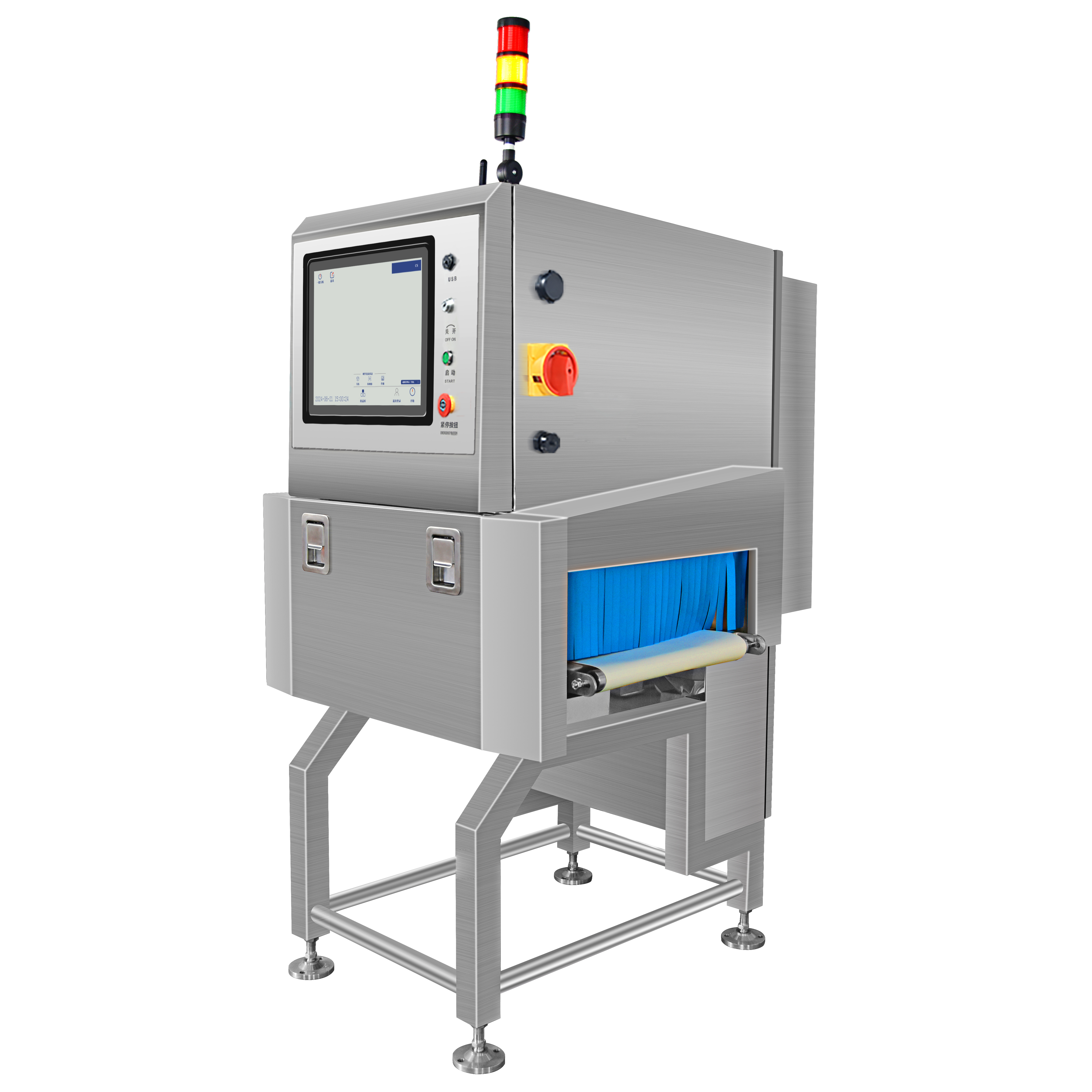
Radiation safety is one of the most critical considerations in modern food processing facilities. A food x-ray inspection system represents a powerful tool for detecting contaminants and foreign objects in packaged food products, but its effectiveness must never compromise worker safety or public health. Understanding radiation leakage safety standards is essential for any facility evaluating contamination detector equipment. These standards ensure that your x ray food scanner operates within acceptable radiation exposure limits while maintaining reliable product inspection capabilities.
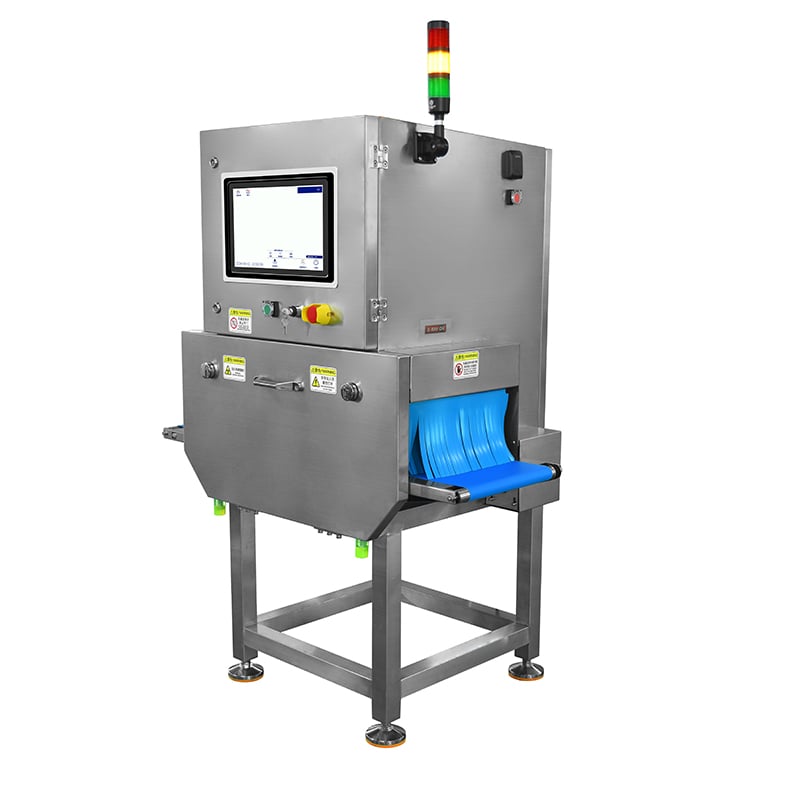
Food safety regulations across North America, Europe, and Asia have established strict radiation leakage thresholds for x ray food scanner installations. These regulatory frameworks protect employees, consumers, and the broader environment from unnecessary radiation exposure. When selecting a food x-ray inspection system, understanding how safety inspection protocols address radiation containment becomes a competitive advantage. Facilities that demonstrate rigorous compliance with radiation leakage standards build stronger customer relationships, reduce liability exposure, and maintain operational confidence in their contamination detector deployment.
Understanding Radiation Leakage Limits and Regulatory Frameworks
Key Standards for Food Processing Equipment
International bodies including the International Commission on Radiological Protection (ICRP), the U.S. Food and Drug Administration (FDA), and the International Atomic Energy Agency (IAEA) establish radiation leakage thresholds for industrial safety inspection equipment. A typical food x-ray inspection system must demonstrate that radiation leakage at a distance of one meter from the equipment does not exceed 0.1 millirem per hour during normal operation. This safety inspection standard applies whether your x ray food scanner operates in a small artisan facility or a large-scale manufacturing plant. Compliance certification proves that your contamination detector meets recognized radiation protection benchmarks and eliminates regulatory uncertainty.
Measuring and Verifying Leakage Levels
Radiation leakage measurement requires specialized instrumentation calibrated to detect low-level gamma or X-ray emissions. A qualified food x-ray inspection system undergoes third-party radiation testing before deployment and at regular maintenance intervals. These measurements confirm that the equipment's shielding integrity remains intact and that the contamination detector performs safely under actual production conditions. Safety inspection protocols must document baseline leakage readings at installation, then establish trending over the equipment's operational lifespan. Modern x ray food scanner designs incorporate redundant shielding materials and automated safety features to maintain leakage levels consistently below regulatory maximums.
Design and Engineering Controls for Radiation Containment
Shielding Architecture in Modern Systems
Contemporary food x-ray inspection system designs use multi-layer shielding strategies to contain radiation effectively. Lead and tungsten composite materials form the primary radiation barrier, while secondary containment chambers reduce stray radiation paths. A well-engineered x ray food scanner incorporates geometric design principles that direct residual radiation away from operator positions and nearby equipment. Contamination detector enclosures feature sealed inspection ports and camera windows that maintain shielding continuity even during active scanning cycles. Safety inspection teams verify that all access points, cable conduits, and maintenance ports maintain adequate material thickness and overlap, preventing radiation bypass pathways.
Automatic Shutoff and Monitoring Systems
Advanced food x-ray inspection systems include real-time radiation monitoring sensors that trigger automatic X-ray tube shutoff if leakage exceeds preset thresholds. These active safety inspection features provide continuous verification that the contamination detector operates within approved limits. An x ray food scanner equipped with redundant monitoring systems and fail-safe interlocks demonstrates commitment to worker protection and regulatory compliance. Door interlocks, beam shutter verification, and exposure rate monitoring create layered safety defenses that prevent accidental radiation exposure during maintenance or troubleshooting activities. Many modern systems log all radiation measurements electronically, creating an auditable record for regulatory reviews and insurance documentation.
Implementation and Ongoing Compliance Management
Site Assessment and Installation Protocol
Before deploying a food x-ray inspection system, a comprehensive site survey measures baseline radiation levels and identifies potential exposure zones. Installation protocols for your x ray food scanner should include dedicated shielded operating enclosures and restricted access zones marked with appropriate radiation warning signage. The contamination detector location must maintain sufficient distance from employee break areas, office spaces, and neighboring facilities. Safety inspection procedures establish baseline measurements immediately after installation, then schedule quarterly verification tests to confirm ongoing compliance. Facility managers should document equipment specifications, regulatory certifications, and maintenance records as proof of diligent radiation leakage management.
Staff Training and Operational Oversight
Employees who operate or maintain your food x-ray inspection system require radiation safety training that addresses equipment-specific hazards and emergency response procedures. Safety inspection training should cover proper startup protocols, restricted zone access limits, and procedures for reporting unexpected equipment behavior. Regular refresher sessions ensure that staff remain current on regulatory changes and emerging best practices for contamination detector management. Facility radiation safety officers should conduct periodic compliance audits and maintain detailed records demonstrating that x ray food scanner operations remain consistent with approved safety inspection plans. This commitment to training and oversight reduces accident risk and demonstrates professional stewardship during regulatory inspections.
FAQ
What radiation leakage standards apply to food x-ray inspection systems?
Most jurisdictions require that radiation leakage from a food x-ray inspection system not exceed 0.1 millirem per hour at one meter distance. This threshold reflects guidance from the ICRP, FDA, and IAEA, ensuring protection for workers and the public. Specific limits may vary slightly by country or regional regulatory body, so your contamination detector installation should verify applicable standards for your operating location. Safety inspection certification documents should clearly reference the regulatory framework and leakage measurements that your x ray food scanner meets.
How often should radiation leakage be tested in an x ray food scanner?
Most safety inspection protocols recommend baseline radiation leakage measurement at installation, followed by verification testing at least quarterly or annually depending on regulatory requirements. A food x-ray inspection system subject to heavy production schedules may benefit from more frequent testing to detect potential shielding degradation early. Your contamination detector manufacturer should provide recommended testing intervals as part of the equipment warranty and compliance documentation. Professional radiation safety firms can conduct independent verification to confirm that leakage levels remain within acceptable limits throughout the equipment's operational lifespan.
Can operator exposure be completely eliminated near a food x-ray inspection system?
While radiation exposure cannot be completely eliminated near active x ray food scanner equipment, it can be reduced to negligible and legally acceptable levels through proper shielding and operational practices. A food x-ray inspection system designed with adequate containment ensures that worker exposure remains far below occupational limits established by regulatory authorities. Your contamination detector's safety inspection features, access restrictions, and monitoring systems create multiple protective layers that make operational exposure risk extremely low. Facilities that implement comprehensive safety protocols and maintain proper equipment maintenance demonstrate that safe and effective food inspection can proceed without unacceptable radiation hazard.