 EN
EN


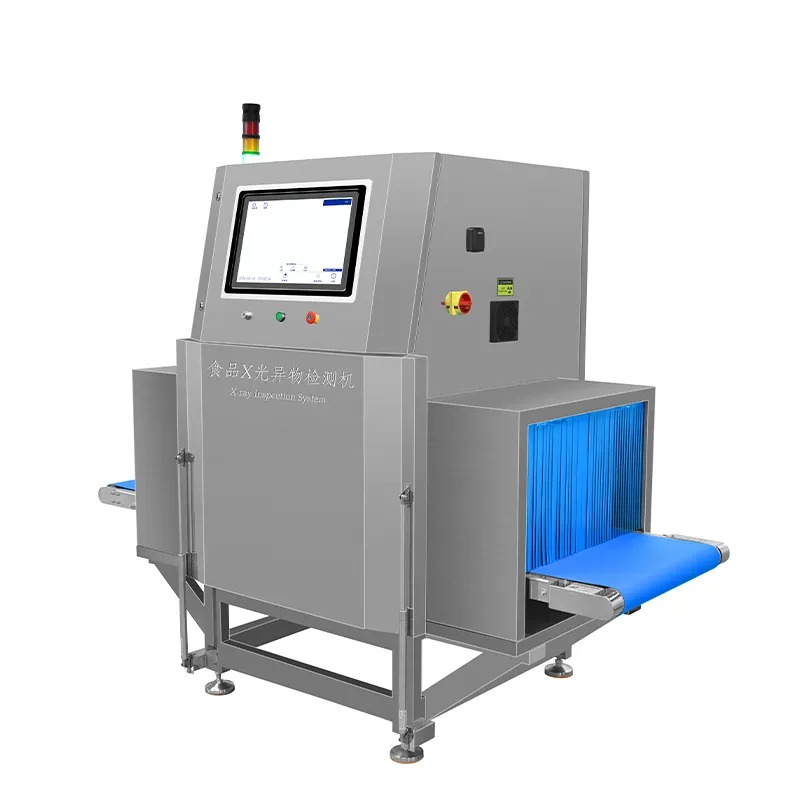
Sealed food trays present a unique challenge in quality control. Once a tray is sealed, visual inspection becomes impossible, yet missing components can slip through production lines undetected. Manufacturers and food processors face significant liability if customers receive incomplete products. A food x-ray inspection system addresses this critical gap by penetrating sealed packaging to verify that every component is present and correctly positioned inside the tray.
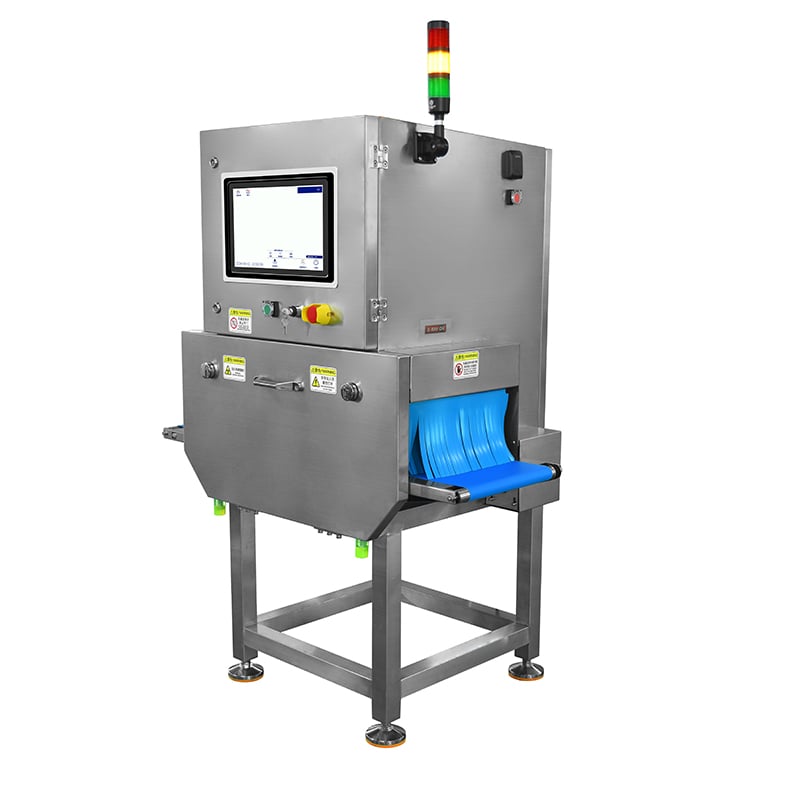
The challenge intensifies when multiple components must fit within a sealed tray. Lids, barriers, or protective inserts may shift during transport or packaging processes, leaving cavities where components should be. An x ray food scanner uses advanced imaging technology to create high-resolution, real-time images of sealed contents without breaking the package seal. This capability transforms production verification from a time-consuming manual process into an automated, reliable safety inspection that catches defects before products reach customers.
How Missing Component Detection Works
X-Ray Imaging Technology and Component Visibility
X-ray technology penetrates opaque and translucent materials with precision unmatched by conventional optical systems. When an x ray food scanner passes a sealed tray through its detection chamber, electromagnetic radiation passes through packaging and contents, with different densities absorbing varying amounts of radiation. Components, gaps, and foreign materials create distinct patterns on the detector array. The system compares these patterns against a reference template programmed during setup. If a component is missing, the image deviates from the expected pattern, triggering an immediate alert and rejection signal.
The contamination detector integrated into modern x-ray food inspection systems simultaneously identifies foreign objects such as metal fragments, bone chips, glass shards, or stones that might lodge in sealed trays during filling or sealing. This dual functionality—component verification and foreign material detection—means a single food x-ray inspection system handles two critical safety inspection tasks in parallel. The system processes each tray in milliseconds, enabling production speeds of hundreds of units per minute without creating bottlenecks.
Programming and Baseline Reference Establishment
Setup begins with a reference tray containing all components correctly positioned. The x ray food scanner captures multiple images of this reference from different angles if the system includes multi-angle capability. Software algorithms create a baseline profile that defines acceptable variations in component size, position, and density. Once baseline parameters are established, the contamination detector and component recognition algorithms become active for every subsequent tray. Operators can adjust sensitivity thresholds to accommodate minor dimensional variations while still catching genuine missing components or defects that pose safety inspection risks.
Practical Applications Across Food and Beverage Production
Sealed Tray Formats and Component Variety
Sealed trays appear across diverse product categories. Meal prep containers must include sauce compartments, protein portions, and vegetable sections all properly filled and separated. Pharmaceutical dietary supplements in sealed trays require precise pill counts and correct formulation components. Bakery items in clamshell trays need to include all promised components—multiple pastries, sauce cups, or topping packets. Seafood, meat, and deli products in modified-atmosphere sealed trays require verification that portioning separators haven't shifted or that no components are missing after sealing. An x ray food scanner handles all these scenarios because it detects components through any sealed packaging material without material compatibility restrictions.
The safety inspection role extends beyond missing components. Trays containing multi-part products—such as frozen dinners with separate vegetable and protein compartments—benefit from verification that partition walls remain intact. A broken compartment divider might not be immediately obvious through packaging, but an x-ray image reveals it clearly. The contamination detector simultaneously confirms that no foreign material entered sealed compartments during manufacturing. This comprehensive approach to quality verification protects brand reputation and customer safety simultaneously.
Production Line Integration and Workflow Efficiency
Modern food production demands non-stop throughput with minimal line stoppages. An x ray food scanner integrates seamlessly into existing conveyor systems, sitting between the sealing station and the packaging area. Rejected trays are automatically diverted to a designated collection zone for rapid investigation and reprocessing. The food x-ray inspection system communicates with production management systems, logging every detection event, rejection reason, and timestamp. This data enables root-cause analysis when clusters of rejections appear, helping operators identify whether the problem originates in filling consistency, sealing pressure, or component sourcing. Real-time safety inspection feedback accelerates problem resolution and reduces scrap rates.
Key Advantages of X-Ray Verification Over Manual Inspection
Consistency, Speed, and Human-Factor Elimination
Manual visual inspection of sealed trays fails fundamentally because sealed packaging obscures contents. Even x-ray film-based inspection methods slow production dramatically compared to digital real-time systems. A contamination detector using modern x ray food scanner technology eliminates subjective judgment. Every tray receives identical, objective analysis. The food x-ray inspection system never suffers fatigue, never misses shifts due to illness, and never applies inconsistent criteria across different batches. At production volumes exceeding 200 trays per minute, manual safety inspection becomes economically and logistically impossible. Automation ensures consistent quality regardless of shift time, operator experience, or production pressure.
Documentation and traceability represent another critical advantage. Every detection result is logged automatically. If a customer complaint arrives months later about a missing component, manufacturers can retrieve exact inspection records proving that the tray passed its x ray food scanner verification. This historical record demonstrates due diligence and provides legal protection. The food x-ray inspection system creates an auditable trail that manual inspection cannot match, essential for regulatory compliance and liability management.
Cost-Benefit Analysis and ROI Considerations
Initial capital investment in an x-ray food inspection system varies based on throughput requirements and feature complexity, but cost calculations must account for avoided losses. A single missed component causing customer injury or illness triggers recall costs, regulatory fines, and brand damage far exceeding equipment investment. The contamination detector prevents liability scenarios entirely. For manufacturers processing high volumes of sealed trays, the cost per unit inspected drops to fractions of a cent, making automated safety inspection economically mandatory rather than optional. Production efficiency gains from non-stop automated verification, combined with waste reduction from fewer false rejects, typically enable payback within 18-36 months of operation, with equipment operating for 10-15 years.
FAQ
Can an x ray food scanner detect all types of missing components?
An x ray food scanner excels at detecting solid or dense missing components—pills, protein portions, sauce cups, and compartment fills. However, components with very low density similar to the surrounding matrix (such as certain foams or gases in modified-atmosphere packaging) may present greater challenges. The contamination detector function works reliably for metal, bone, and glass contaminants but may miss extremely small or extremely low-density foreign materials. Proper baseline programming and realistic sensitivity threshold calibration ensure the food x-ray inspection system catches the vast majority of missing components and safety threats relevant to each specific product.
How does an x-ray food inspection system ensure food safety without chemical contamination?
X-ray inspection uses ionizing radiation that passes completely through products and packaging without leaving residue or chemical contamination. The energy levels used for food safety inspection are carefully regulated to minimize radiation dose while maintaining detection accuracy. No radioactive materials remain in the food or packaging. The contamination detector and food x-ray inspection system comply with food safety regulations globally, including FDA approval for food contact in most jurisdictions. The process is non-destructive and non-contact, meaning sealed trays proceed unharmed after verification, maintaining package integrity and shelf life.
What maintenance does an x ray food scanner require?
Routine maintenance for an x ray food scanner includes regular calibration checks to verify image quality and detection accuracy. Most modern systems feature self-diagnostic capabilities that alert operators to performance drift before failures occur. Component cleaning and conveyor belt maintenance ensure smooth operation. Qualified technicians should perform annual comprehensive inspections and tube servicing. The contamination detector and detector arrays degrade slowly over years of operation, but modern systems typically deliver 10-15 years of productive service before major component replacement becomes necessary. Regular maintenance keeps the food x-ray inspection system operating at peak sensitivity and throughput, protecting both safety inspection integrity and return on investment.