 EN
EN


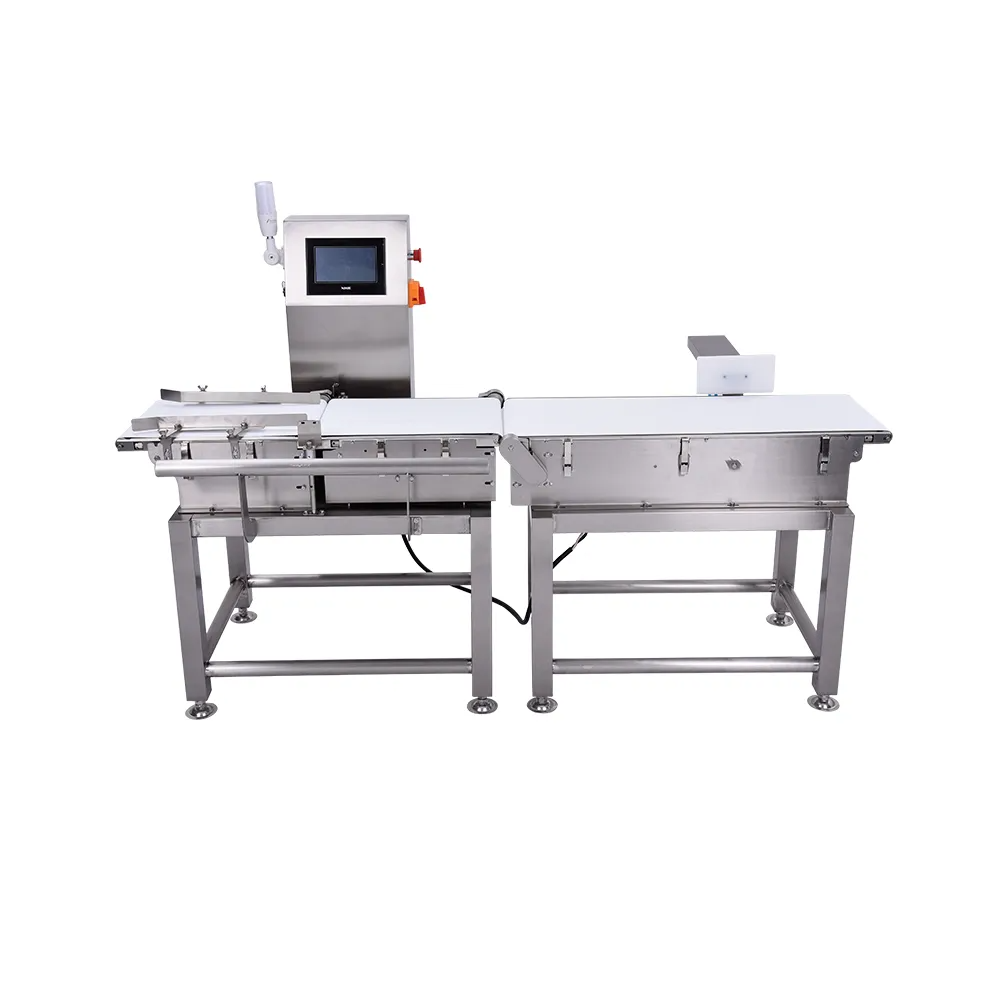
Processing sticky or wet products on a weight sorting machine presents unique operational challenges that directly impact throughput, accuracy, and equipment longevity. Unlike dry materials, wet and adhesive products tend to accumulate on conveyor surfaces, creating buildup that interferes with proper product flow and weighing accuracy. Understanding how to manage these conditions is essential for any operation using a weight grader or sorting equipment in food processing, chemical production, or pharmaceutical manufacturing.
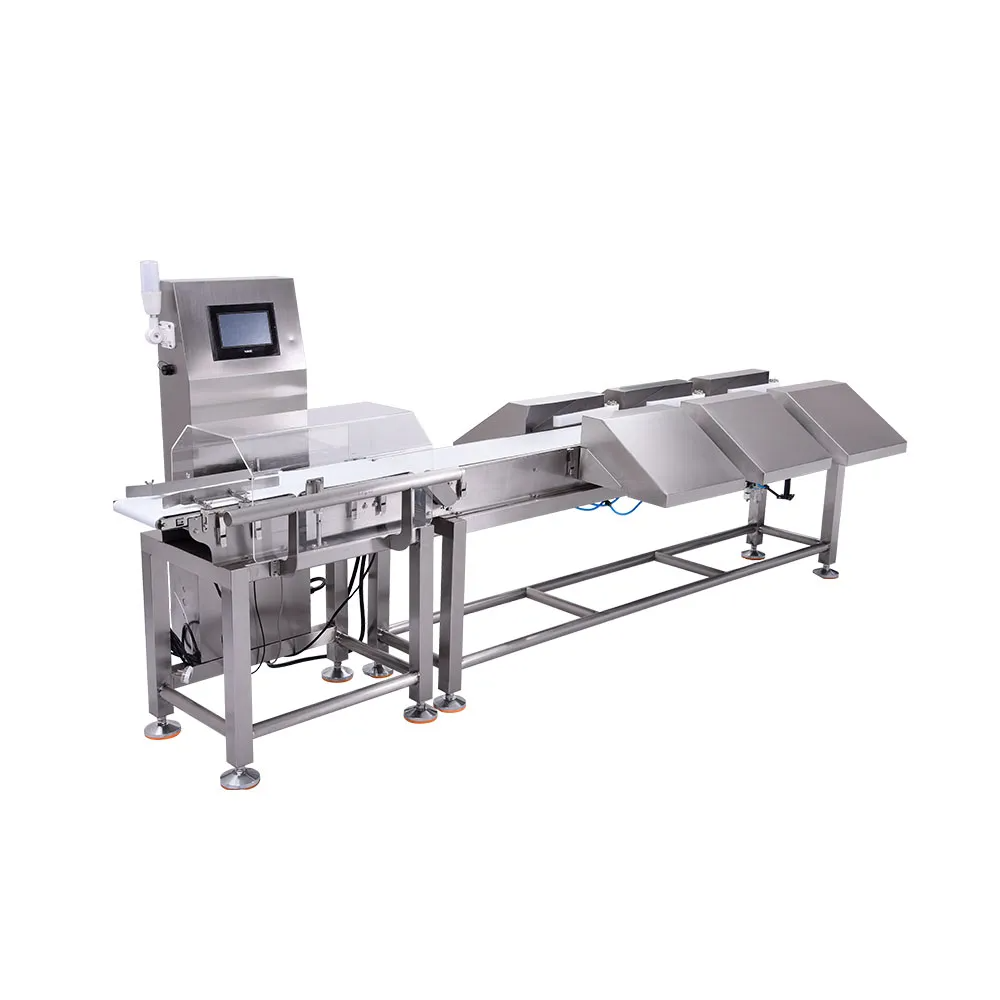
Sticky and wet materials require deliberate conveyor design modifications and operational protocols to maintain sorting accuracy and prevent equipment degradation. A checkweighing sorter handling moisture-prone products must incorporate material-compatible surfaces, controlled conveyor speeds, and regular maintenance routines. This article explores practical strategies to optimize your sorting equipment performance when processing challenging product types.
Surface Material Selection and Conveyor Design
Choosing the Right Belt Material
The conveyor belt material is your first line of defense against product adhesion. Standard rubber belts absorb moisture and encourage product sticking, while specialized surfaces like polypropylene or polyurethane resist moisture and reduce friction that causes buildup. For a weight grader handling wet products, polyurethane belts offer superior release properties and easier cleaning without degradation. These materials maintain dimensional stability even when exposed to water, sanitizers, and temperature fluctuations common in food and pharmaceutical environments.
Modular plastic conveyor belts with open-grid or perforated designs allow excess moisture to drain through rather than pooling on the surface. This design prevents product from sitting in moisture pockets where it becomes more adhesive. When selecting your sorting equipment, verify that the belt material matches your product type and processing environment. Temperature-resistant materials become critical if your products arrive hot or require heated conveyance, as heat can intensify stickiness.
Texture and Grip Optimization
Smooth, polished conveyor surfaces initially seem ideal but actually increase slippage and product migration during sorting. A slight texture applied to your weight sorting machine conveyor provides gentle grip without promoting adhesion. Industrial-grade ribbed or dimpled surfaces prevent sideways drift while allowing sticky products to move forward consistently. The texture should be engineered specifically for your product weight and shape to ensure proper positioning when the checkweighing sorter measures and diverts items.
Antimicrobial or non-porous coatings applied to conveyor surfaces further reduce product buildup and contamination risk. These coatings are especially valuable in food processing where wet conditions combined with organic material create ideal environments for microbial growth. Regular inspection of the conveyor surface ensures the coating remains intact and effective across the entire sorting equipment length.
Moisture Control and Cleaning Protocols
Active Drying and Drainage Systems
Integrating drainage directly beneath your weight grader conveyor removes pooled liquid before it causes adhesion problems. Sloped or perforated sections allow excess water to drain away from the product path, keeping the weighing zone dry for accurate readings. Some advanced sorting equipment includes low-pressure air jets or squeegees that remove surface moisture just before the product enters the checkweighing sorter measurement zone, ensuring the sensor obtains clean weight data without moisture interference.
Pre-sorting air curtains blow excess moisture from product surfaces as they advance along the conveyor, reducing the liquid content that contacts the belt. This approach works particularly well for lightly wet items like freshly washed vegetables or products emerging from a rinse stage. The air pressure must be calibrated carefully to dry without displacing lightweight items or causing product to bounce erratically, which would compromise the accuracy of your weight sorting machine.
Scheduled Cleaning and Sanitization
Wet product processing demands more frequent conveyor cleaning than standard dry-goods applications. Buildup accumulates rapidly, so establishing a cleaning schedule between production runs prevents material from hardening on the conveyor. For a weight grader handling sticky items, enzymatic cleaners or mild alkaline solutions dissolve product residue more effectively than water alone. Modular sorting equipment designs allow quick removal of conveyor sections for thorough cleaning without extended downtime.
In food and pharmaceutical industries, sanitization is critical beyond just debris removal. Low-pressure washdown systems preserve sensor accuracy better than high-pressure spray that can force moisture into electronic housing. Allow complete drying after cleaning before resuming product flow, as residual moisture on the checkweighing sorter surface causes immediate adhesion with new batches. Establish clear documentation of cleaning intervals and methods to maintain regulatory compliance and equipment reliability.
Operational Adjustment and Maintenance
Conveyor Speed and Product Flow Management
Reducing conveyor belt speed allows sticky products more time to release from the surface without forcing them through the sorting equipment violently. A slower-moving weight sorting machine belt prevents splashing and airburst that scatter moisture, while giving the product time to settle into the correct position for accurate weighing. However, overly slow speeds reduce throughput unacceptably, so finding the optimal speed balance requires testing with your specific product type.
Spacing between products on the conveyor becomes more critical when handling wet items. Crowded placement allows moisture from one product to transfer to adjacent items and accumulate on the belt, creating slippery conditions that compromise measurement accuracy on your weight grader. Adjust product spacing to increase the gap between items, allowing the checkweighing sorter adequate time to measure and divert without cross-contamination between adjacent pieces.
Sensor Calibration and Protection
Moisture interferes with both weighing accuracy and sensor longevity in a weight sorting machine. Regular calibration checks become essential, particularly after extended processing of wet products where sensor drift may occur. Install protective covers or baffles around load cells and measurement areas to shield them from direct splash, while maintaining adequate air circulation for ventilation. For a checkweighing sorter, sealed or IP67-rated sensors resist moisture intrusion better than standard industrial models.
Establish preventive maintenance routines that inspect all electronic components for corrosion or moisture accumulation. Even minor corrosion on circuit connections degrades the signal quality from your weight grader sensors, leading to sorting errors and inconsistent output. Replace protective gaskets and seals at manufacturer-recommended intervals to maintain the integrity of your sorting equipment against moisture infiltration. Document all calibration records and sensor replacements to track performance trends and identify when major component updates become necessary.
FAQ
Why does product stick to conveyor belts on a weight sorting machine?
Wet and sticky products adhere to standard rubber belts due to surface chemistry and moisture absorption. The belt material absorbs water, creating a wet layer that acts like adhesive. Additionally, the friction between the sticky product and the belt surface generates tackiness that increases adhesion. Specialized non-porous materials like polyurethane reduce this effect by resisting water absorption and providing lower-friction release characteristics that prevent buildup on your weight grader or sorting equipment.
How often should I clean a checkweighing sorter handling wet products?
Wet product processing typically requires cleaning between every production run rather than daily or weekly intervals. Buildup hardens quickly on a weight sorting machine conveyor when moisture is present, so allowing material to remain overnight creates removal difficulties and contaminates the next batch. Implement enzymatic or alkaline cleaners that dissolve organic residue effectively. Always allow complete drying before resuming operation, as residual moisture on your weight grader surface will immediately cause new adhesion with incoming products.
Can I use high-pressure washdown on my weight sorting machine?
High-pressure spray can force moisture into electronic housing, damaging sensors and control boards on your checkweighing sorter. Instead, use low-pressure washdown systems that effectively clean the sorting equipment without forcing water into sensitive areas. Protect load cells and measurement zones with removable covers during washdown. Allow adequate drying time afterward to prevent moisture from migrating to electronic components within your weight grader during initial startup after cleaning.