 EN
EN


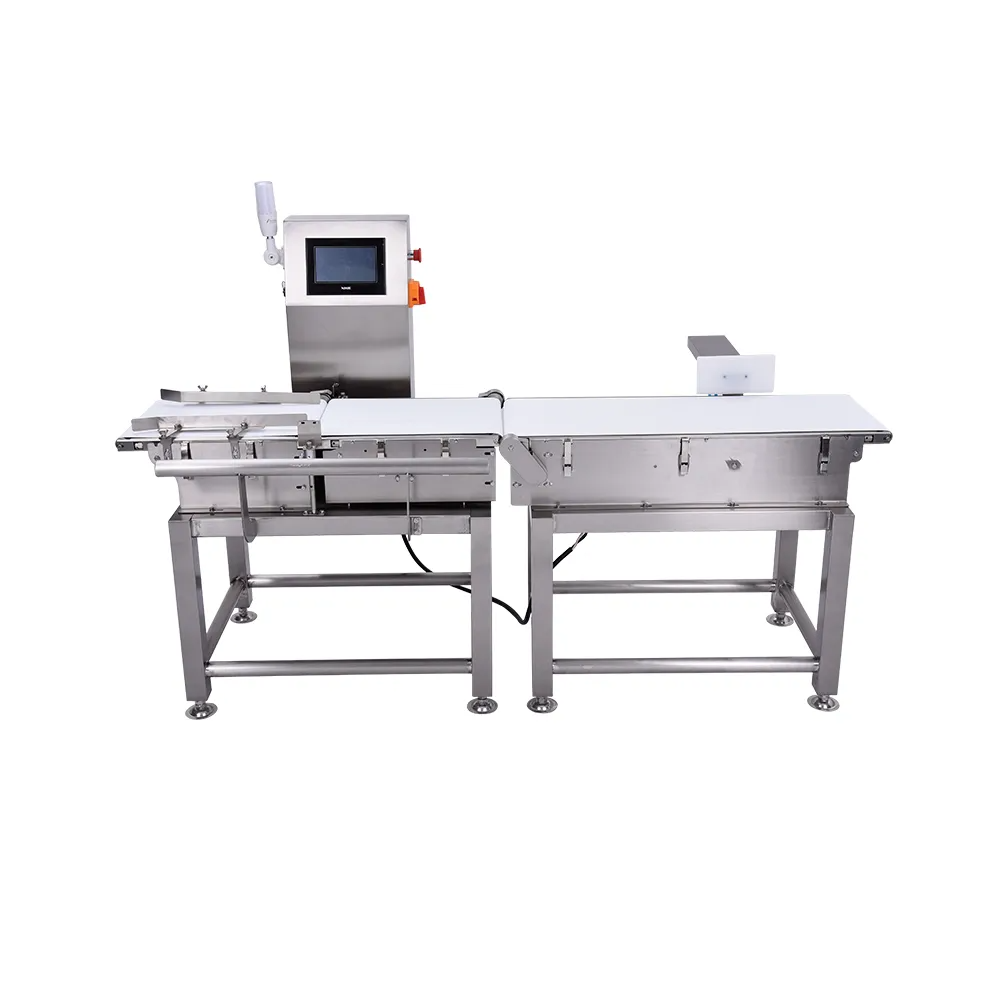
Evaluating dynamic calibration procedures for a weight sorting machine is critical to maintaining accuracy and operational efficiency in industrial processing environments. Whether you're managing a facility that handles food products, pharmaceuticals, minerals, or manufactured goods, the precision of your weight sorting machine directly impacts product quality, regulatory compliance, and customer satisfaction. Dynamic calibration goes beyond static weight verification by continuously adjusting measurement parameters during active operation, ensuring that your weight sorting machine maintains consistent performance across varying environmental conditions and material characteristics.
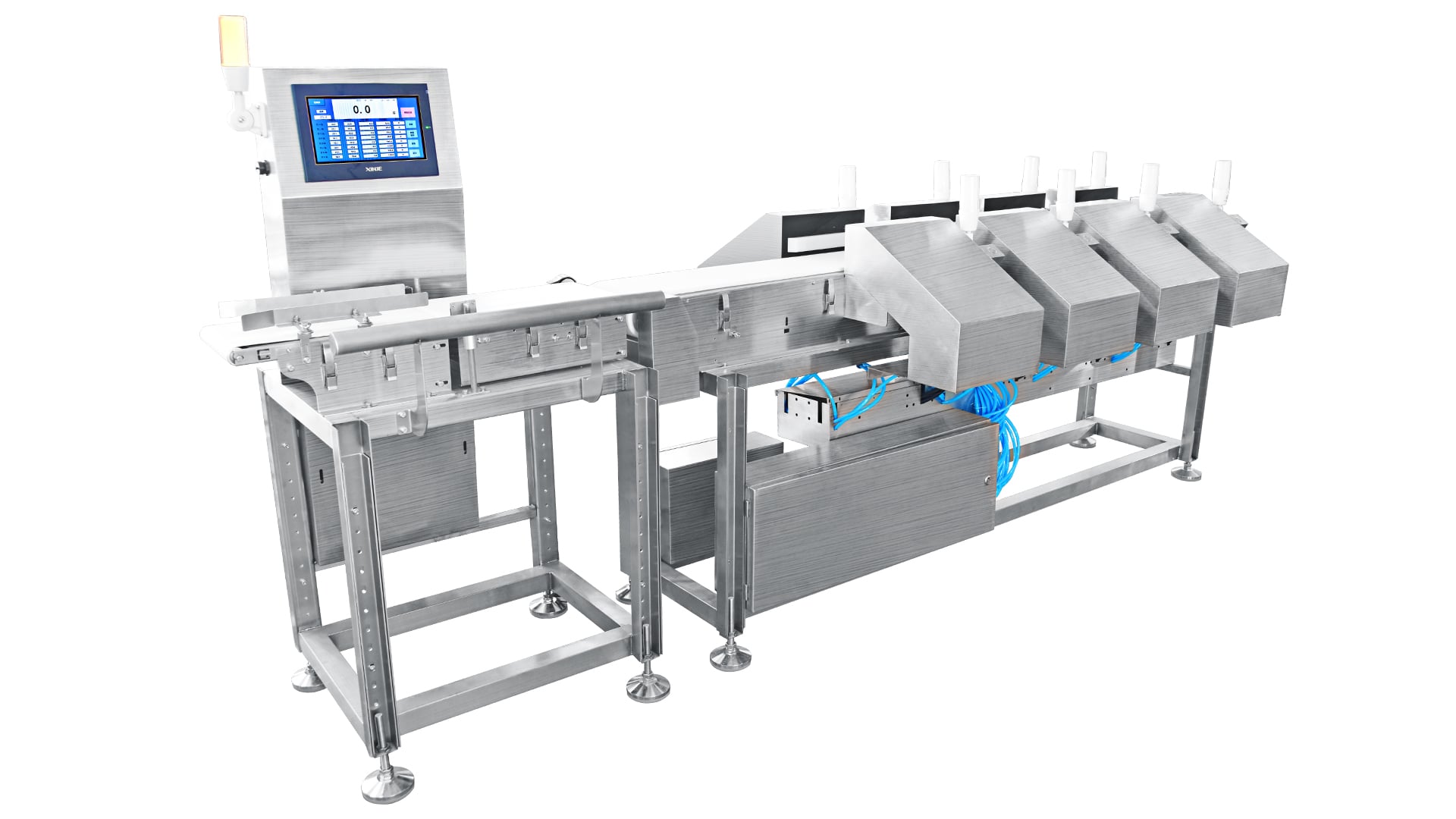
The process of evaluating calibration procedures requires a comprehensive understanding of how your weight grader functions under real-world conditions. Modern sorting equipment must accommodate fluctuations in temperature, humidity, vibration, and product flow rates while maintaining repeatable accuracy. This evaluation framework helps production managers, maintenance technicians, and quality supervisors establish protocols that reduce product giveaway, minimize rejects, and extend the operational lifespan of your checkweighing sorter.
Understanding Dynamic Calibration Requirements
What Makes Dynamic Calibration Different
Static calibration typically occurs during initial setup or maintenance intervals, using fixed reference weights under controlled laboratory conditions. Dynamic calibration, by contrast, continuously monitors and adjusts the weight sorting machine's measurement systems while processing actual production loads. A weight grader operating under dynamic calibration protocols can detect and compensate for thermal drift, mechanical wear, and environmental changes in real time. This active adjustment capability ensures that your checkweighing sorter maintains specification compliance throughout extended production runs.
Critical Performance Indicators
When evaluating calibration procedures for your sorting equipment, several key performance indicators demand attention. Repeatability measures how consistently your weight sorting machine produces identical results for the same product sample across multiple weighing cycles. Linearity assesses whether accuracy remains constant across the full weighing range, from minimum to maximum capacity. Hysteresis evaluates the difference in readings when approaching a weight value from above versus below. Sensitivity to environmental factors such as temperature changes determines how frequently your weight grader requires recalibration adjustments. Each of these metrics directly influences whether your checkweighing sorter meets industry standards and customer specifications.
Implementing Effective Calibration Procedures
Establishing Baseline Standards
Before implementing any calibration procedure, establish a documented baseline for your weight sorting machine using certified reference standards. This baseline captures the initial performance characteristics of your weight grader under specified environmental conditions, including ambient temperature, humidity levels, and electrical supply stability. Use calibrated test weights that meet national or international standards, typically traceable to institutions like NIST. For your checkweighing sorter, run minimum 25 consecutive measurements at five different weight points spanning the operational range. Document the mean, standard deviation, and any drift patterns observed. This baseline becomes the reference point against which all future calibration procedures are compared, enabling meaningful assessment of whether your sorting equipment is maintaining performance or degrading over time.
Dynamic Adjustment Frequency and Triggers
The optimal calibration interval for your weight sorting machine depends on several factors including production volume, environmental stability, and product characteristics. High-volume facilities may require automatic recalibration of their weight grader every 4 to 8 hours, while lower-volume operations might calibrate daily or on demand. Establish specific triggers for manual calibration when environmental conditions deviate significantly, such as temperature fluctuations exceeding 5 degrees Celsius or when statistical process control charts indicate drift beyond acceptable limits. Your checkweighing sorter should include data logging capabilities that record all calibration events, environmental conditions at calibration time, and the magnitude of adjustments required. This historical data reveals patterns in equipment aging and helps predict maintenance needs before performance degradation affects product quality.
Validation and Quality Assurance
Testing Procedures and Acceptance Criteria
Evaluate your weight sorting machine's calibration procedures through rigorous testing protocols that simulate real production conditions. After any calibration adjustment, run a verification series using reference materials that closely match the density, shape, and surface characteristics of actual production items. For a weight grader handling variable products, create a matrix of test materials representing different material types and weight ranges. Your checkweighing sorter should demonstrate repeatability within plus or minus 0.3 to 1.0 percent of the actual weight, depending on industry requirements and machine specifications. Acceptance criteria must align with your downstream processes—if regulatory compliance requires plus or minus 2 percent accuracy, your sorting equipment must calibrate to achieve better than 1 percent under worst-case conditions to provide a safety margin.
Documentation and Traceability
Comprehensive documentation strengthens the validity of your calibration evaluation process. Maintain detailed records for every weight sorting machine showing calibration dates, environmental conditions, reference standards used, measured values before and after calibration, and the name of the technician performing the procedure. Your weight grader must generate timestamped reports proving that calibration occurred and that the checkweighing sorter met performance specifications at that moment. This documentation becomes essential evidence during audits, customer quality reviews, and regulatory inspections. Many industries require proof that sorting equipment was properly calibrated at the time products were processed, making traceability a non-negotiable component of your quality assurance framework. Digital data storage with version control ensures that calibration histories remain accessible and unaltered throughout product shelf life and any subsequent investigations.
FAQ
How often should a weight sorting machine be calibrated?
Calibration frequency depends on your specific application, production volume, and environmental conditions. High-speed sorting equipment processing thousands of units daily may require automatic recalibration every 4 to 8 hours. Lower-volume operations typically calibrate daily or at the start of each production shift. Environmental factors such as temperature fluctuations, humidity changes, and vibration levels influence how quickly a weight grader drifts out of specification. Review your weight sorting machine's performance data monthly to identify drift patterns and adjust calibration intervals accordingly. Most industrial facilities find that weekly manual verification combined with automatic dynamic recalibration during production provides optimal balance between accuracy and operational efficiency.
What reference standards should be used for weight sorting machine calibration?
Reference standards must be certified, traceable to national measurement standards, and appropriate for your weight grader's capacity and precision requirements. Use Class F1 or better calibrated weights for high-precision checkweighing sorter applications in pharmaceutical, chemical, or laboratory settings. Class F2 weights suffice for most food processing and general industrial sorting equipment where plus or minus 1 to 2 percent accuracy is acceptable. Your weight sorting machine's reference standards should be recalibrated by an accredited laboratory every 12 to 24 months, depending on usage frequency and regulatory requirements. Store reference materials in a controlled environment, protect them from corrosion and damage, and maintain documentation of their calibration history. Using uncertified or outdated reference weights renders your weight grader's calibration meaningless and creates liability in regulated industries.
Can dynamic calibration procedures improve sorting equipment accuracy over time?
Dynamic calibration procedures maintain accuracy rather than improve it beyond the weight sorting machine's inherent design specifications. A checkweighing sorter's maximum achievable accuracy is determined by its mechanical components, load cell quality, and electronic circuitry. Proper calibration ensures that your weight grader operates consistently at its design capability by compensating for thermal drift, material fatigue, and environmental variations. Over months and years, mechanical wear inevitably reduces a weight sorting machine's precision, requiring eventual component replacement or equipment upgrade. Regular dynamic calibration with detailed documentation reveals this degradation pattern, helping you plan preventive maintenance and capital replacement strategically. The value of effective sorting equipment calibration procedures lies in detecting problems early, maintaining consistent performance, and providing evidence that your production met specification when products were manufactured.