 EN
EN


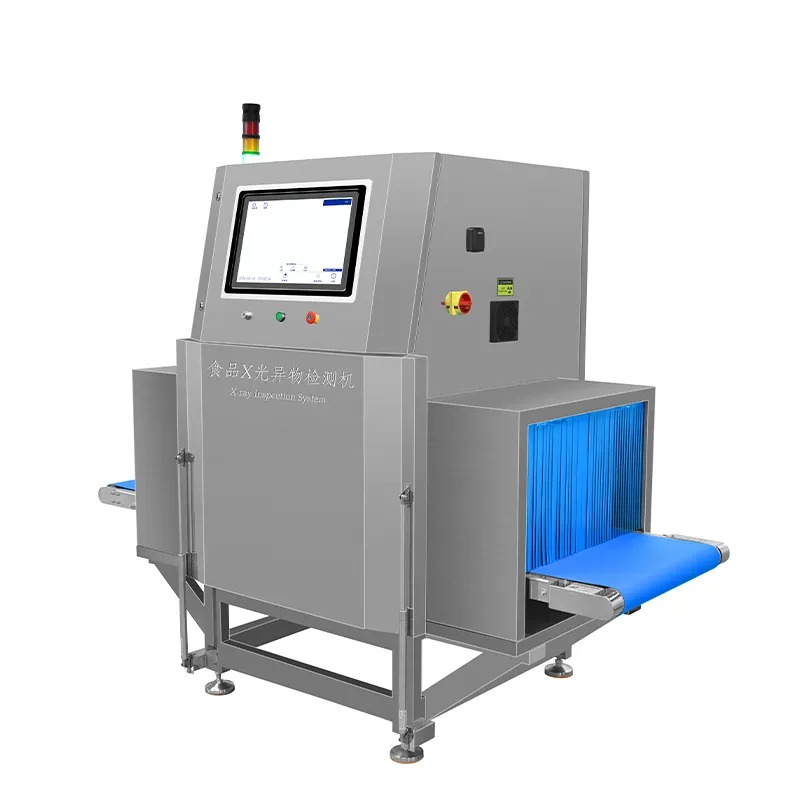
Bone detection is one of the most critical functions within a food x-ray inspection system, protecting consumers and manufacturers from potentially dangerous foreign objects. Modern x ray food scanners employ sophisticated algorithms that identify bone fragments, calcified material, and other dense contaminants buried within packaged food products. These detection capabilities represent a fundamental shift in how food safety inspection operates across meat processing, seafood handling, bakery production, and prepared food facilities. Understanding how these algorithms function provides valuable insight into why industrial x-ray technology has become indispensable for contamination detector operations in today's food manufacturing environment.
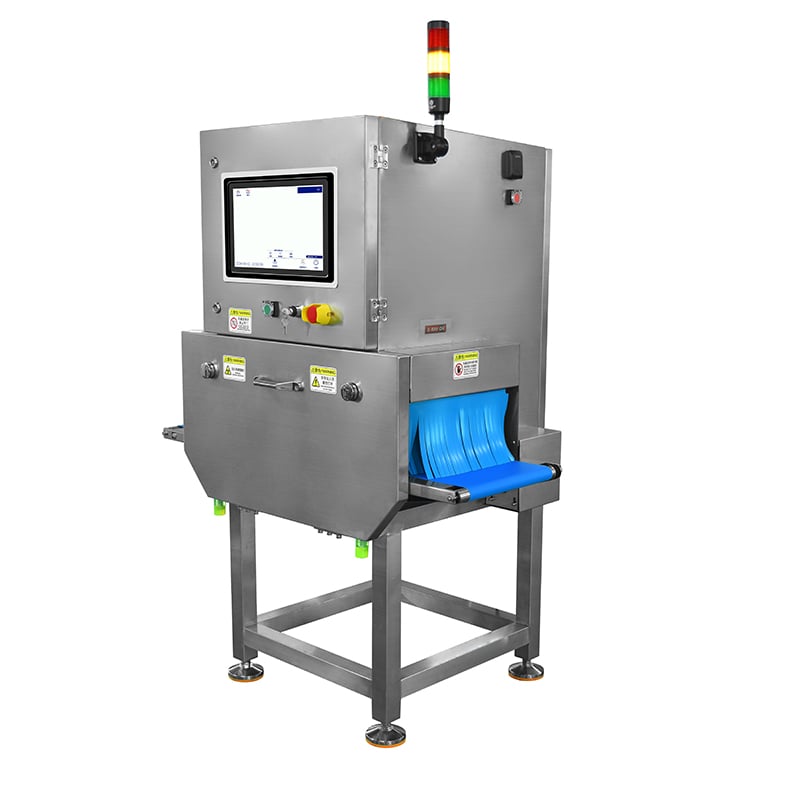
The core function of any x ray food scanner lies in its ability to distinguish between acceptable product composition and hazardous foreign matter. Bone detection algorithms work by analyzing the density signatures captured during the imaging process, comparing pixel intensity patterns against established safety inspection thresholds. When a food x-ray inspection system scans a product, it generates a detailed radiographic image that reveals internal structure. Bones appear as distinctly denser regions within this image, and the algorithm recognizes these characteristic density patterns, triggering rejection protocols when threats are identified.
How Bone Detection Algorithms Analyze Density Patterns
Image Acquisition and Preprocessing
The x ray food scanner begins operation by exposing the product to controlled X-ray radiation. Sensors on the opposite side capture the transmitted radiation, creating a digital image where pixel intensity corresponds to material density. Preprocessing steps normalize this raw image data, compensating for variations in product thickness, composition changes, and equipment drift. The contamination detector system applies filters that enhance edge contrast between bones and surrounding food matrix, making subtle density differences more pronounced. This preprocessing is essential because bones embedded in products like processed meat, poultry, or seafood can be partially obscured by surrounding tissue, fat, or batter. Advanced food x-ray inspection system units execute these steps in real-time, processing hundreds of images per minute without sacrificing detection accuracy.
Algorithmic Pattern Recognition
Once the image is prepared, the safety inspection algorithm applies pattern recognition logic specifically trained on bone signatures. Machine learning models are calibrated using thousands of reference images containing known bone positions and sizes. The algorithm analyzes texture, shape, and density gradient characteristics that distinguish bones from other food components. Calcium-rich bone material produces a distinctly different X-ray attenuation profile compared to muscle, fat, or seasoning particles. The x ray food scanner compares incoming image features against learned patterns, generating a confidence score for each suspected foreign object. When this score exceeds the sensitivity threshold set by the facility, the contamination detector triggers immediate product rejection. Different product types require separate algorithmic configurations because a bone fragment in ground beef appears differently than a bone splinter in processed chicken or fish fillet, so the food x-ray inspection system maintains specialized detection profiles for each product category.
Technical Implementation in Modern Safety Inspection Systems
Real-Time Processing and Detection Speed
Industrial food x-ray inspection systems operate at production line speeds, requiring bone detection algorithms to complete their analysis within milliseconds. Specialized hardware accelerators and optimized software architectures enable the x ray food scanner to process conveyor belt products continuously without creating bottlenecks. The contamination detector must balance detection sensitivity against false positive rates—rejecting too many safe products reduces yield and profitability, while missing dangerous contamination creates liability and health risks. Manufacturers calibrate their safety inspection settings based on regulatory requirements, product specifications, and risk tolerance. Modern algorithms employ adaptive thresholds that adjust detection sensitivity based on product type and production conditions, ensuring consistent protection across varying production batches.
Multi-Channel Analysis Capabilities
Advanced food x-ray inspection system configurations utilize multiple imaging channels to enhance bone detection reliability. Some systems capture images at different X-ray energies, revealing material composition information beyond simple density measurements. The x ray food scanner can identify not only bones but also calcified tissue, tooth fragments, and other calcified foreign objects that pose safety risks. A contamination detector using multi-channel data creates a more complete material profile, distinguishing between innocuous high-density particles like mineral deposits and genuine bone fragments. This sophisticated approach to safety inspection reduces false rejections while maintaining sensitivity to genuine threats. The food x-ray inspection system processes data from all channels simultaneously, fusing information to generate a final detection decision with high confidence.
Practical Application and Performance Considerations
Sensitivity Tuning and Threshold Optimization
Each food x-ray inspection system requires careful calibration before deployment in production environments. Operators establish sensitivity levels that reflect acceptable risk tolerance for their specific product category. The x ray food scanner's bone detection algorithm can be adjusted to catch smaller fragments or relaxed to reduce false positives, depending on product characteristics and customer requirements. A contamination detector configured for premium grade products might maintain higher sensitivity than one handling bulk commodity items where minor imperfections are more acceptable. Through safety inspection protocols, facilities establish baseline detection parameters and conduct regular validation testing using reference samples containing known bone sizes. This empirical approach ensures the food x-ray inspection system performs reliably across production variations.
Integration with Rejection Mechanisms
The bone detection algorithm functions as only one component of the complete x ray food scanner system. When the contamination detector identifies suspicious material, it must trigger rapid mechanical response—typically compressed air ejection, diverter gates, or conveyor stops that isolate the affected product. Modern food x-ray inspection system units integrate algorithmic detection seamlessly with mechanical rejection equipment, ensuring millisecond response times. The safety inspection process continues downstream, with rejected products either reprocessed, manually inspected, or discarded depending on facility protocols. This integration approach minimizes production disruption while maximizing consumer protection. Comprehensive logging and data analytics track detection events, alerting operators to systematic issues like equipment wear or process problems that might increase bone fragment occurrence.
FAQ
What size bones can a food x-ray inspection system detect?
The detection capability depends on the x ray food scanner's resolution and the contamination detector algorithm sensitivity settings. Most modern systems reliably detect bone fragments larger than 2–3 millimeters, with premium equipment achieving 1 millimeter sensitivity. The food x-ray inspection system calibration allows operators to adjust detection thresholds based on safety inspection requirements and acceptable false positive rates for their specific products.
How does the x ray food scanner distinguish bones from other dense materials?
The contamination detector analyzes multiple density and texture characteristics specific to bone material. Bones exhibit distinct X-ray attenuation patterns, shape characteristics, and density gradients that differ from metal, mineral deposits, or other contaminants. The food x-ray inspection system's safety inspection algorithms are trained on reference samples, enabling them to recognize and differentiate bone signatures from non-bone foreign objects with high accuracy.
Can a food x-ray inspection system detect all bone contamination?
While modern x ray food scanner technology offers excellent detection rates, no contamination detector system achieves 100 percent accuracy. Very small bone fragments, heavily obscured bones within dense products, or bones with density signatures similar to legitimate product components may occasionally be missed. The food x-ray inspection system provides a critical safety inspection layer that dramatically reduces risk, but manufacturers typically implement multiple detection methods as comprehensive contamination prevention strategies.