 EN
EN


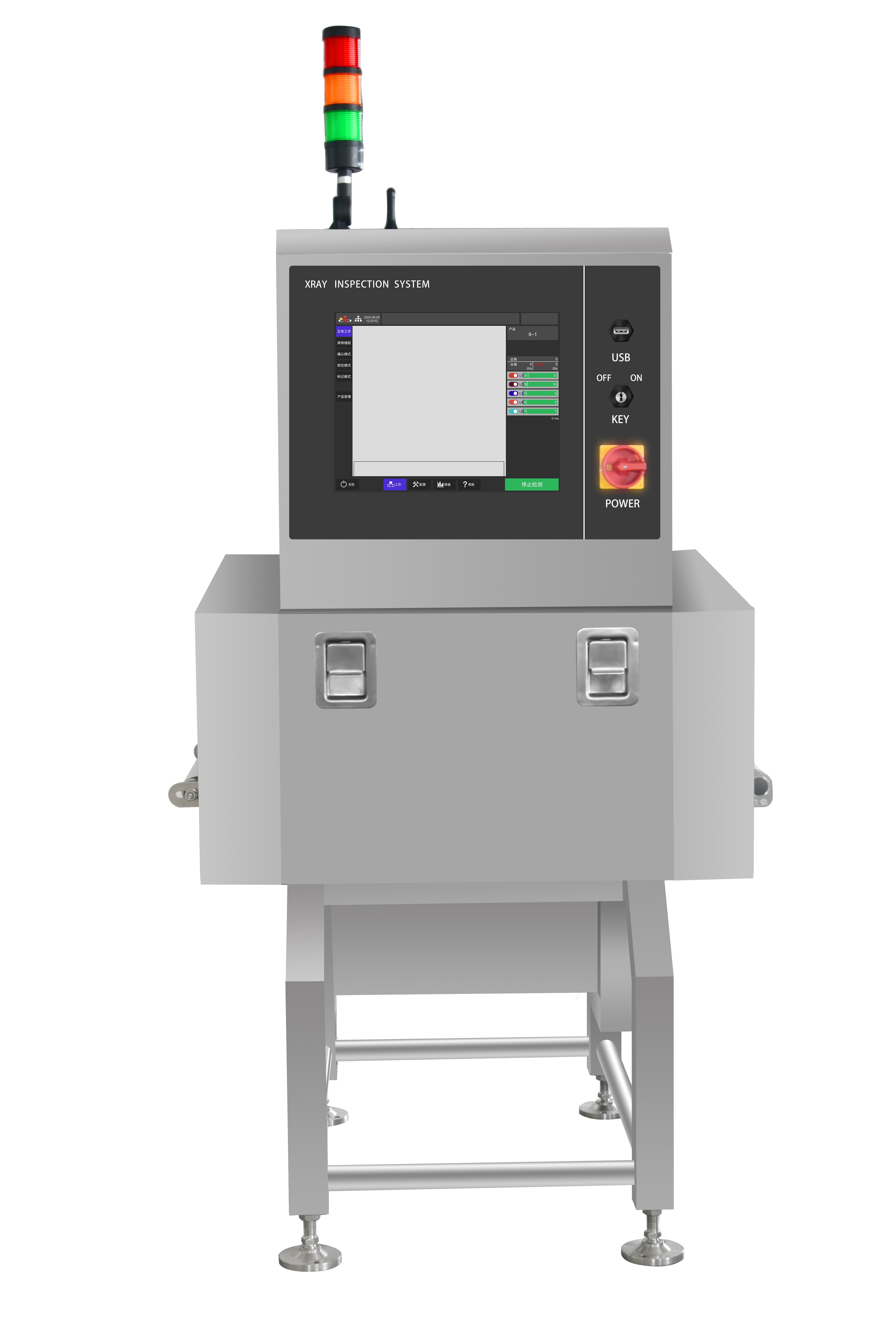
Effective cooling fan maintenance is critical to preventing overheating in x ray machine tubes, yet many operators overlook this fundamental aspect of equipment care. The x ray machine generates intense heat during extended operation, and without proper cooling system function, tube degradation accelerates rapidly, leading to costly downtime and compromised imaging quality. Understanding how to maintain cooling fans ensures your x ray inspection equipment operates safely and delivers consistent results throughout its service life.
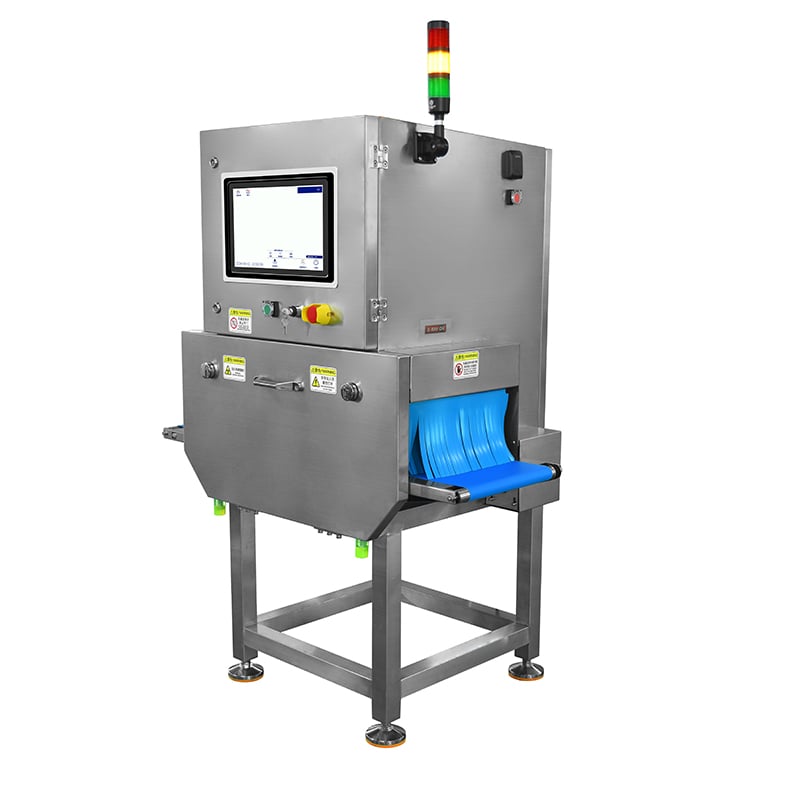
In industrial quality control environments, a x ray machine operates under demanding conditions where thermal management directly impacts both performance and longevity. The cooling system is not a secondary feature but a core component that protects the x ray tube from thermal stress, maintains calibration accuracy, and extends equipment lifespan. Proper maintenance protocols transform a preventive mindset into measurable operational benefits.
Understanding X Ray Machine Cooling System Function
How Heat Accumulates in X Ray Tubes
X ray machines generate significant heat as electrons strike the target material inside the tube. This process is inherent to x ray inspection operations, making heat dissipation essential. When a safety scanner or quality control system runs continuously, internal tube temperatures can exceed safe limits within minutes if cooling mechanisms fail. The cooling fan actively circulates air through the tube housing, drawing away thermal energy and maintaining the structural integrity of tube components.
Without adequate cooling, the tube envelope weakens, vacuum seals degrade, and high-voltage components become unstable. The x ray machine then produces inconsistent output, leading to image artifacts and unreliable defect detection. Industrial quality control system operators must recognize that overheating is not a gradual fade but an accelerating failure mode that can damage the tube beyond repair.
The Role of Cooling Fans in Thermal Management
Cooling fans serve as the primary active heat removal mechanism in modern x ray machines. These fans operate continuously during x ray inspection cycles, pushing ambient air across the tube housing and heat exchangers. A properly functioning safety scanner includes redundant cooling pathways to ensure consistent thermal performance. The quality control system relies on this steady airflow to maintain stable tube temperature within manufacturer-specified ranges, typically between 30 and 50 degrees Celsius above ambient conditions.
Fan performance directly correlates with imaging stability. When cooling efficiency drops even 10 to 15 percent, the x ray machine must reduce output power to prevent overheating, compromising inspection sensitivity. Maintenance ensures the cooling fan operates at full efficiency, protecting both tube life and inspection capability.
Preventive Maintenance Protocols for Cooling Fans
Inspection and Cleaning Procedures
Regular visual inspection of x ray machine cooling fans reveals early warning signs of failure. Dust accumulation on fan blades reduces airflow efficiency by up to 20 percent, forcing the safety scanner to work harder and reducing thermal dissipation. Every 30 to 60 days, operators should inspect fan housing for debris, blockages, and visible corrosion. Gentle cleaning with compressed air removes surface dust without risking component damage. For industrial x ray inspection systems operating in harsh environments, more frequent cleaning intervals protect the quality control system from environmental contamination.
Visual cracks in fan housing or blade deformation signal imminent failure. A damaged fan cannot maintain uniform airflow through the x ray machine, creating hot spots that rapidly degrade the tube. Replacement before catastrophic failure prevents emergency downtime and protects tube integrity. Listen for unusual noise during operation; grinding or squealing sounds indicate bearing wear that requires immediate service.
Bearing Lubrication and Mechanical Checks
Cooling fan bearings require periodic lubrication to maintain smooth rotation and minimize friction heat. When bearings wear, they consume additional power and generate heat within the x ray machine itself, paradoxically reducing cooling capacity while adding thermal load. High-quality bearing lubricant formulated for continuous-duty cooling fans extends bearing life by 50 to 100 percent. Refer to manufacturer specifications for lubricant type and application intervals specific to your safety scanner model.
Check fan blade alignment and shaft runout using simple mechanical tools. Misaligned blades increase vibration, accelerate bearing wear, and reduce cooling efficiency in the x ray inspection system. Slight misalignment often goes unnoticed until bearing failure becomes catastrophic. A quality control system performing routine runout checks prevents these cascading failures and maintains consistent thermal performance.
Recognizing Cooling System Failure and Taking Action
Warning Signs of Inadequate Cooling
Thermal monitoring systems built into modern x ray machines provide quantitative data on cooling performance. If the x ray machine displays consistently elevated tube temperatures during normal operation, cooling fan function is compromised. Many safety scanner systems now include temperature alerts that trigger when airflow falls below acceptable levels. Operators who ignore these warnings risk rapid tube degradation and sudden equipment failure. Temperature trending over weeks reveals cooling fan degradation before catastrophic breakdown occurs.
Performance degradation in x ray inspection quality often stems from thermal issues rather than imaging electronics. If your quality control system produces less contrast or more noise than previously observed, overheating may be the root cause. Correlate image quality changes with temperature readings to confirm cooling system involvement. Early intervention through fan maintenance restores both thermal performance and imaging reliability.
Maintenance Records and Predictive Scheduling
Documenting cooling fan maintenance creates a historical record that enables predictive maintenance strategy. Log every cleaning, lubrication, and inspection in a maintenance database tied to your x ray machine serial number. Over time, this data reveals patterns in fan wear rates and failure timing. A quality control system with strong preventive maintenance documentation can anticipate component replacement well before failure, eliminating unexpected downtime in industrial operations.
Predictive maintenance reduces total cost of ownership for x ray inspection equipment by 30 to 40 percent compared to reactive failure-based approaches. Scheduling fan replacement during planned maintenance windows rather than responding to emergency failures minimizes operational disruption. Establish a spare parts inventory that includes replacement fans compatible with your specific x ray machine model to enable rapid restoration of cooling capacity.
FAQ
How often should cooling fans be cleaned in an x ray machine?
Cooling fans in an x ray inspection system should be cleaned every 30 to 60 days in typical industrial environments, or more frequently in dusty settings. Regular cleaning maintains optimal airflow through your safety scanner and quality control system, preventing thermal buildup that damages the x ray machine tube. Use compressed air and gentle brushing techniques to avoid mechanical damage during cleaning.
What temperature range indicates proper x ray machine cooling?
Most x ray machines maintain optimal cooling performance when tube temperature stays 30 to 50 degrees Celsius above ambient conditions during continuous x ray inspection operation. If your quality control system shows temperatures exceeding these ranges despite normal usage, cooling fan efficiency has likely declined. Check fan operation and cleaning status immediately to restore proper thermal management in the x ray machine.
Can cooling fan failure be prevented entirely?
While cooling fan failure cannot be eliminated entirely, regular maintenance dramatically extends fan lifespan and prevents premature breakdown. Consistent cleaning, lubrication, alignment checks, and thermal monitoring transform most potential failures into planned maintenance events. A safety scanner equipped with comprehensive cooling system monitoring and preventive x ray inspection maintenance protocols experiences far fewer unexpected failures than equipment receiving only reactive repairs.