 EN
EN


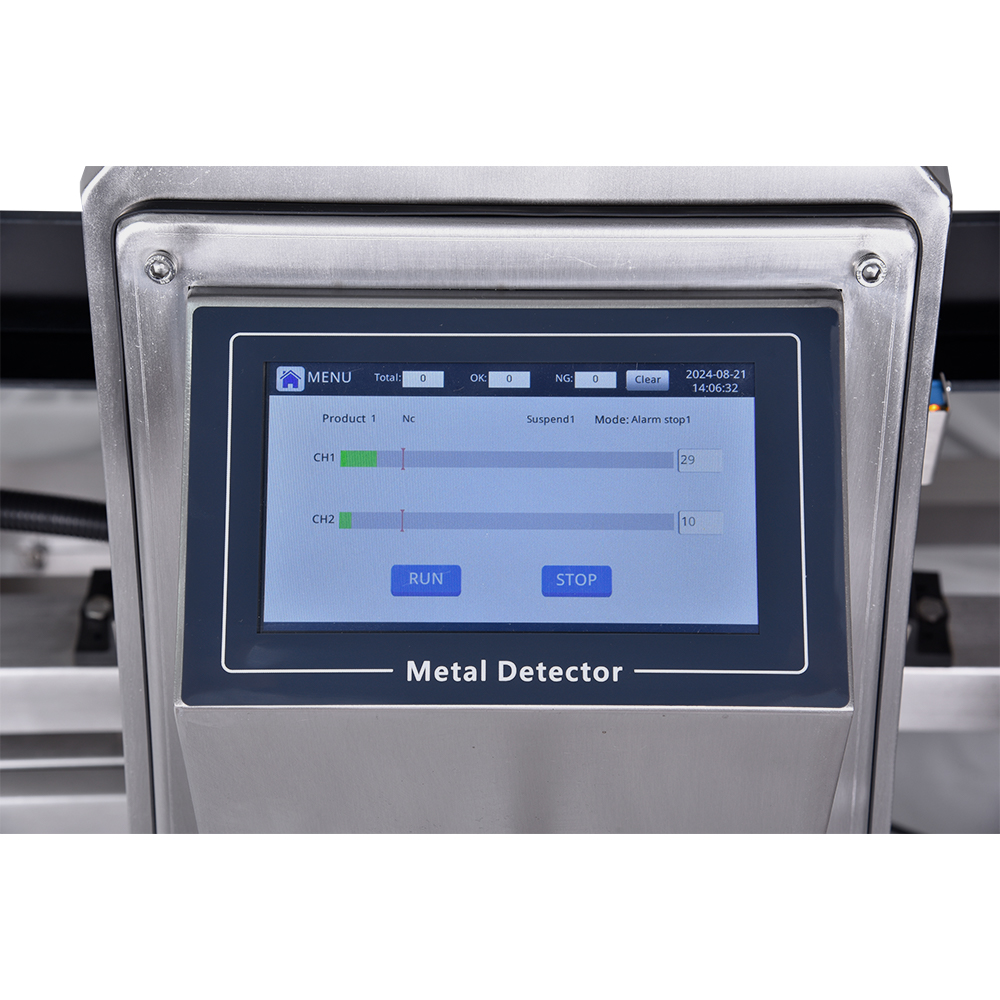
High pressure cleaning is essential in food processing facilities, but it poses a serious threat to equipment longevity when not managed carefully. A food grade metal detector operates under demanding sanitary conditions where regular washdown is mandatory for compliance and hygiene. Understanding how high pressure systems affect seal integrity is critical to maintaining equipment performance and minimizing unexpected downtime in your production line.
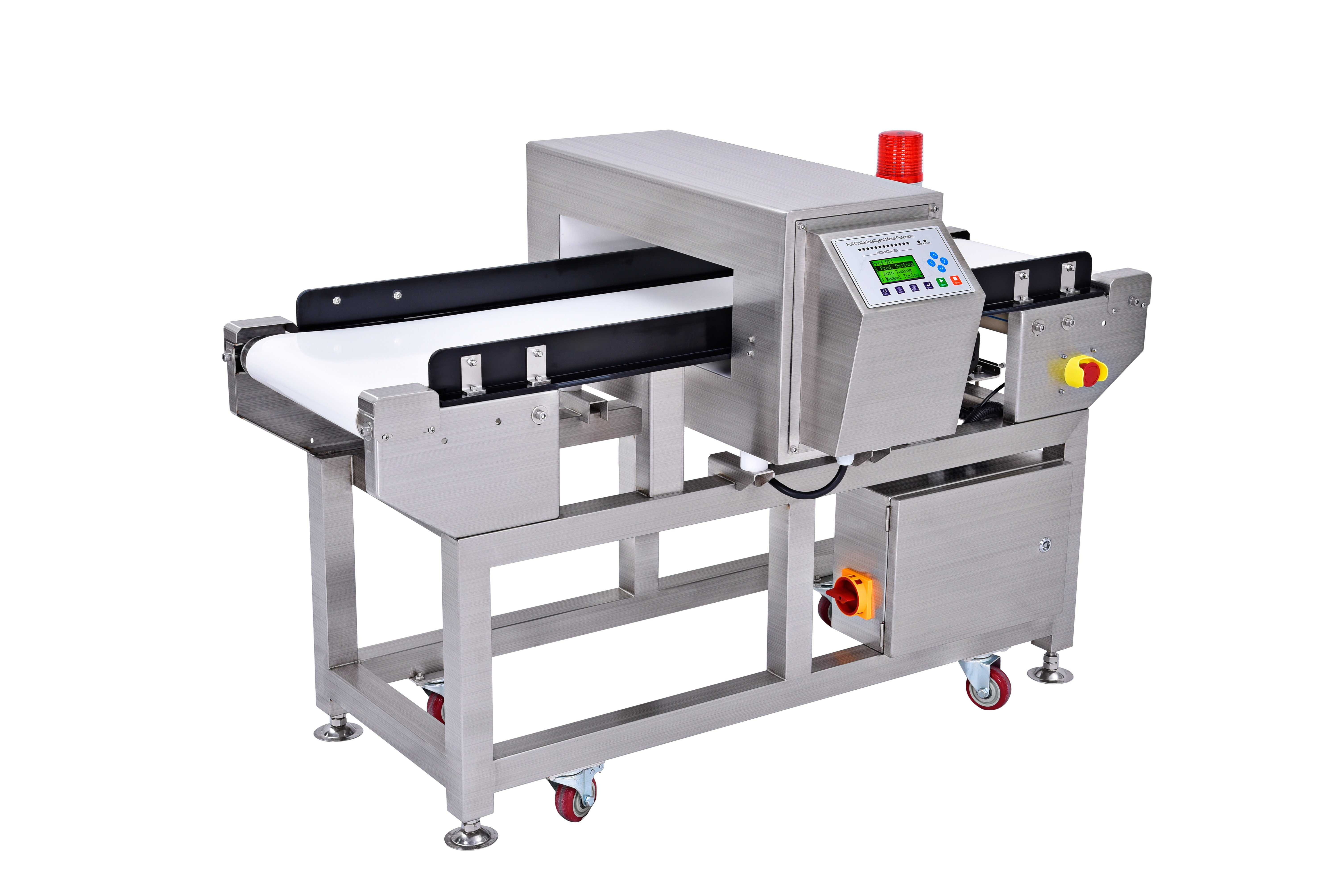
A sanitary metal detector must withstand rigorous environmental demands in food processing environments. When high pressure washdown equipment is used improperly, it can compromise the sealing systems designed to protect internal components from moisture and contaminants. This article explores the direct relationship between washdown metal detector pressure levels and seal degradation, helping operators and maintenance teams make informed decisions about cleaning protocols and equipment selection.
How Pressure Affects Seal Degradation
Direct Mechanical Stress on Seal Materials
Seals in a food grade metal detector are precision components engineered to maintain pressure differentials and keep contaminants out. When high pressure water jets strike these seals directly, they experience mechanical stress that exceeds their design specifications. Typical washdown metal detector systems operate between 1000 and 4000 PSI, while most detector seals are rated for pressures significantly below these levels when exposed directly to impact.
The cumulative effect of repeated high pressure exposure weakens the polymer materials used in food processing equipment seals. Even brief, intense pressure spikes can cause microscopic tears and deformation. Over time, these compromised seals allow water intrusion into the detector housing, leading to corrosion of internal electronics and premature equipment failure. Proper seal selection and protective design architecture become essential considerations when operating in high pressure washdown environments.
Temperature and Chemical Interactions
High pressure washdown in food processing facilities often involves heated water and cleaning chemicals designed to eliminate pathogens and residue. These conditions accelerate the degradation of food processing equipment seals beyond what pressure alone would cause. When sanitary metal detector seals are exposed to temperatures above 60°C combined with alkaline or acidic cleaning solutions, their material properties deteriorate more rapidly.
The synergistic effect of pressure, temperature, and chemical exposure creates an environment where seal lifespan can be reduced by 40 to 60 percent compared to standard operating conditions. EPDM and other elastomeric materials commonly used in food grade metal detector seals swell and soften under these combined stressors. Understanding these interactions helps maintenance teams predict failure points and schedule preventive seal replacement before critical failures occur.
Seal Life Optimization Strategies
Design Features for High Pressure Environments
Modern sanitary metal detector designs incorporate protective features specifically engineered to shield seals from direct pressure impact. Beveled housings, recessed connection points, and reinforced seal covers help deflect washdown metal detector spray patterns away from critical seal interfaces. These design elements are industry standard in premium food processing equipment, though not all manufacturers include them as baseline features.
When evaluating a food grade metal detector for your facility, prioritize models that feature stainless steel reinforcement sleeves around seals and angled spray deflectors. These architectural improvements can extend seal life by 30 to 50 percent in high pressure environments. Premium housings also reduce the frequency of unplanned maintenance and improve overall equipment reliability within food processing environments where production continuity is critical.
Maintenance and Inspection Protocols
Effective seal life management requires a proactive maintenance program tailored to your washdown metal detector pressure levels and cleaning frequency. Establishing quarterly visual inspections of seal surfaces can identify early signs of degradation before catastrophic failure occurs. Look for visible cracks, permanent deformation, discoloration, or loss of elasticity that indicates a sanitary metal detector seal is nearing end-of-life.
Preventive seal replacement should be scheduled based on equipment usage patterns and washdown intensity rather than waiting for failure indicators. In high pressure environments, replacing seals annually or after 500 washdown cycles is more cost effective than emergency repairs that interrupt production. Maintaining detailed equipment logs helps food processing facilities optimize maintenance timing and budget effectively for food processing equipment preservation.
Practical Application in Food Processing Operations
Washdown Protocol Best Practices
Operators must understand that pressure settings should be adjusted based on soilage level and the specific food grade metal detector model in use. Training personnel to use variable pressure nozzles and keep spray patterns at least 30 centimeters away from detector seals significantly reduces damage. Most sanitary metal detector equipment benefits from medium pressure (1500 to 2500 PSI) settings with wider spray patterns rather than concentrated high pressure jets.
Establishing plant-wide washdown procedures that specify pressure limits for different equipment types protects your entire food processing equipment investment. When staff understand that reduced pressure actually extends seal life without compromising sanitation, compliance with these protocols improves naturally. Document these best practices in your standard operating procedures and train new operators thoroughly on correct washdown metal detector maintenance techniques.
Environmental Considerations and Equipment Selection
Choose a food grade metal detector specifically rated for your anticipated washdown pressure and frequency. Some models feature enhanced sealing systems designed to handle repeated high pressure exposure, while others prioritize different performance characteristics. Understanding your facility's washdown protocols before equipment purchase prevents costly incompatibilities and premature seal failures.
Investing in sanitary metal detector models with replaceable seal kits reduces long-term ownership costs significantly. These food processing equipment solutions allow maintenance teams to refresh critical components quickly without professional service calls. Verify that replacement seals are readily available from suppliers and that installation procedures are straightforward enough for trained facility personnel.
FAQ
What pressure levels are safe for seals in food grade metal detectors?
Most food grade metal detector seals tolerate 1500 to 2500 PSI without significant degradation when not exposed to extreme temperatures or chemicals. Pressures above 3000 PSI should be avoided for direct seal exposure. Always consult your specific sanitary metal detector equipment manual for manufacturer recommendations and safe operating ranges.
How often should seals be replaced in a washdown metal detector environment?
In food processing facilities with daily high pressure washdown, seal inspection should occur quarterly, with replacement recommended every 12 months or after 500 washdown cycles, whichever comes first. The exact interval depends on your washdown metal detector model, water temperature, and chemical composition. Regular monitoring helps you establish a maintenance schedule tailored to your specific food processing equipment conditions.
Can seal degradation affect food grade metal detector detection accuracy?
Yes, water intrusion from compromised seals can damage internal electronics and sensors in a food grade metal detector, leading to reduced sensitivity or false rejects. Maintaining seal integrity ensures both equipment longevity and reliable performance in your sanitary metal detector operations. Preventive seal maintenance protects your investment and ensures consistent food processing equipment reliability.