 EN
EN


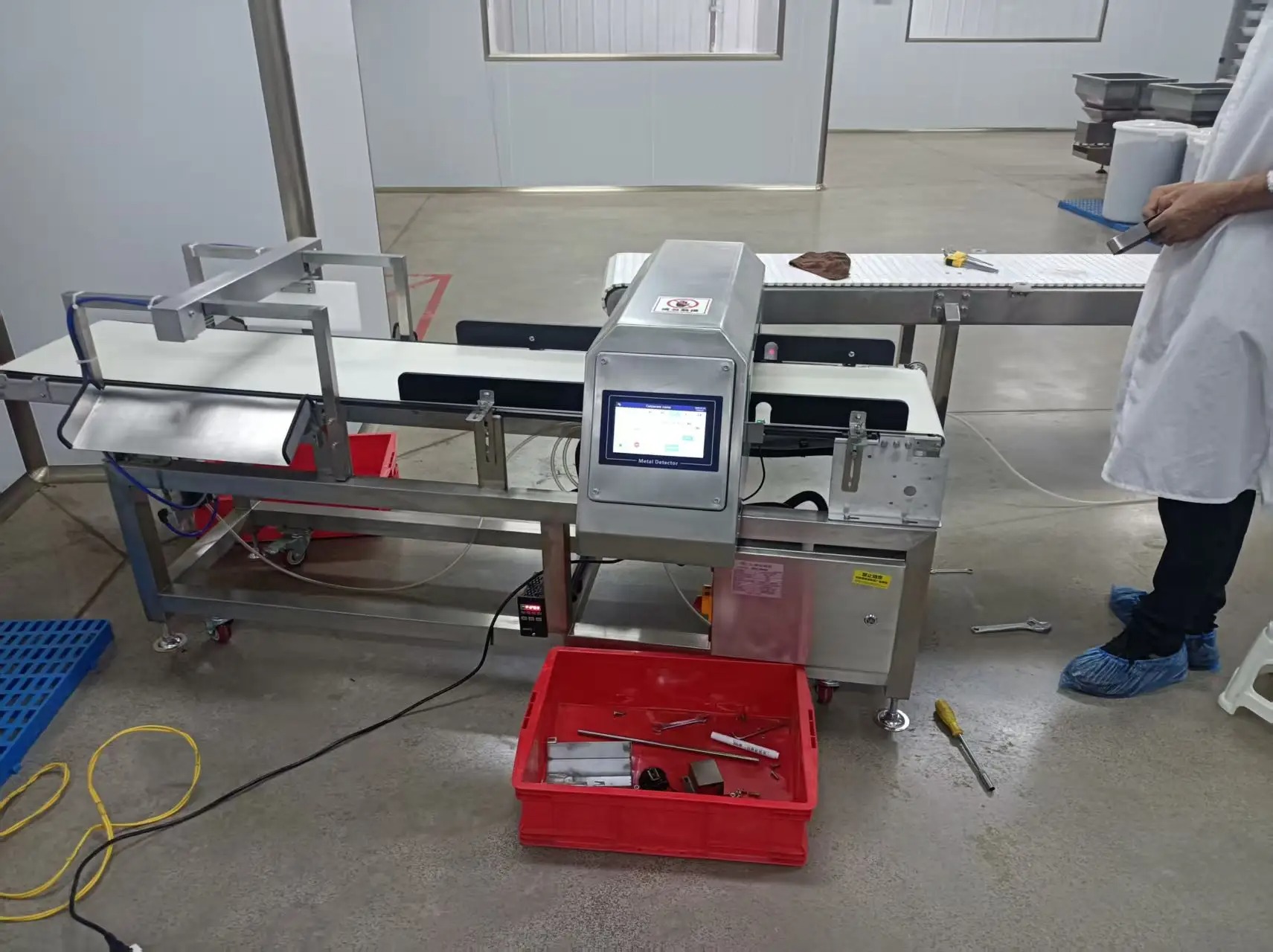
The challenge of detecting contaminants in flexible packaging requires specialized equipment designed to overcome the unique electromagnetic properties of aluminum foil. An aluminum foil metal detector must balance sensitivity with the inherent magnetic interference created by the foil material itself. This presents a critical engineering problem in food safety and quality assurance, where manufacturers need reliable contamination detection without false positives that disrupt production.
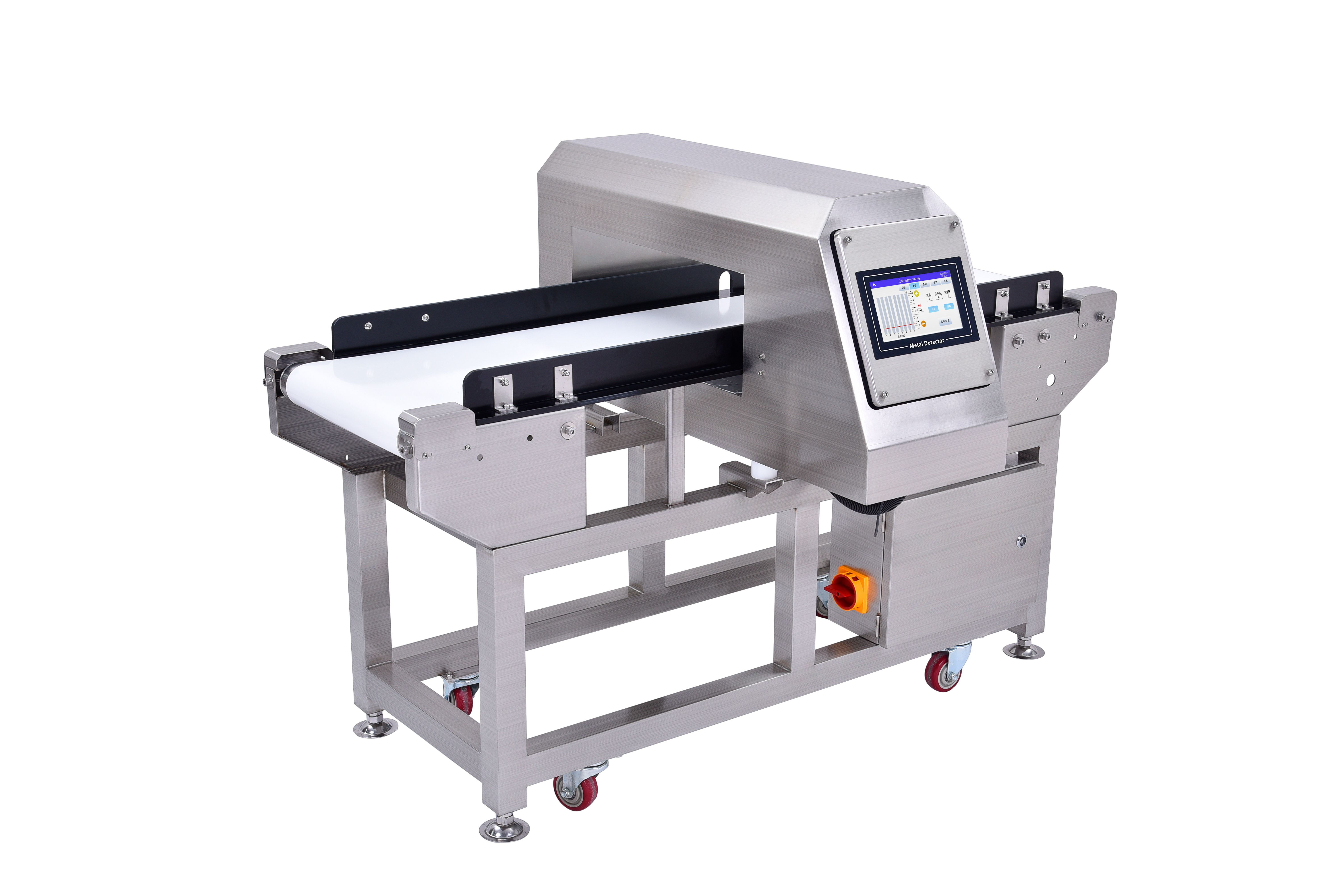
Magnetic field distortion in packaged food inspection systems directly impacts the accuracy of metal detection results. When aluminum foil packaging moves through a metal detection system, its conductive properties create eddy currents that generate their own magnetic fields. These fields interact with the detector's operating field, causing baseline shifts and signal noise that can obscure genuine metal contamination.
Understanding Magnetic Field Distortion Mechanisms
How Aluminum Foil Creates Electromagnetic Interference
Aluminum foil's high electrical conductivity makes it an excellent barrier material for flexible packaging, but this same property generates significant electromagnetic interference. When an alternating magnetic field from a metal detection system passes through aluminum foil, it induces circular eddy currents within the material. These eddy currents produce a secondary magnetic field that opposes the primary detection field, a phenomenon known as Lenz's law. The strength of this interference depends on the foil thickness, alloy composition, and the frequency of the detection system's operating field.
The metallized film detector must account for this interference pattern across all portions of the packaged product. Traditional metal detection systems designed for non-conductive materials cannot reliably process aluminum foil packages because the background signal from the foil itself overwhelms the signal from small ferrous or non-ferrous contaminants. This signal masking effect requires specialized algorithm tuning and hardware configuration specific to aluminum foil metallurgy and packaging geometry.
Signal Noise and Baseline Drift in Detection Circuits
As aluminum foil moves through the detection coils at varying speeds and positions, the magnitude of magnetic field distortion changes dynamically. This creates baseline drift, where the system's reference signal shifts continuously rather than remaining stable. Baseline drift is particularly problematic because it can cause false positives when acceptable background noise crosses the detection threshold, or false negatives when small metal particles fall below a shifting threshold. Modern packaged food inspection systems address this challenge through continuous baseline monitoring and adaptive threshold algorithms.
The frequency response of aluminum foil also complicates signal interpretation. Different alloys and foil thicknesses exhibit different interference patterns at various operating frequencies. A metallized film detector system must operate at frequencies optimized for the specific packaging material while maintaining sensitivity to the minimum contaminant size required by food safety standards.
Technical Compensation Strategies
Dual-Frequency and Multi-Frequency Detection Systems
Advanced aluminum foil metal detector systems employ dual or multi-frequency technology to differentiate between the eddy currents induced by packaging material and genuine metal contaminants. By operating at two or more distinct frequencies simultaneously, the system can mathematically isolate the signature of actual metallic particles from the background interference pattern created by the foil. Ferrous metals exhibit different frequency response characteristics than aluminum foil, allowing the detection algorithm to filter out packaging-related signals while enhancing contamination-related signals.
Multi-frequency metal detection also addresses the phase relationship between the primary detection field and the induced eddy currents. At one frequency, the phase angle between package-induced signals and genuine metallic signals may be similar, reducing discrimination capability. By introducing a second or third frequency, the phase relationships diverge sufficiently to enable reliable separation. This technique is particularly valuable in high-speed production environments where packaged food inspection must occur continuously without reducing line throughput.
Digital Signal Processing and Adaptive Filtering
Modern metal detection systems utilize sophisticated digital signal processing to handle magnetic field distortion from aluminum foil packaging. The system captures raw analog signals from the detection coils and converts them to digital data, which is then processed through digital filters designed to attenuate interference frequencies while preserving contamination signals. Adaptive algorithms learn the baseline interference pattern during a calibration phase and continuously adjust filter parameters as conditions change during production.
Machine learning approaches have emerged in advanced packaged food inspection systems to further improve accuracy when dealing with metallized film detector challenges. These systems build a reference database of acceptable background signals from various aluminum foil types and thicknesses. When a new product runs through the detector, the system matches the observed interference pattern against this database and automatically adjusts sensitivity parameters. This adaptive approach reduces the need for manual recalibration and maintains consistent detection performance across diverse packaging materials.
Coil Design and Geometry Optimization
The physical design of detection coils directly influences how severely magnetic field distortion affects system performance. Symmetric coil arrangements help cancel out common-mode interference signals that affect both coils equally. Shielded coils reduce the detection field's fringing effects at the edges where aluminum foil packages encounter the most intense field variations. Engineers optimize coil spacing, diameter, and wire gauge to create detection fields that penetrate packaging material uniformly while minimizing sensitivity to position-dependent interference variations.
Coil materials also play a role in managing magnetic field distortion. High-permeability core materials can enhance field strength and improve the signal-to-noise ratio for small contaminants. However, increased field strength also increases eddy current induction in aluminum foil, requiring careful trade-off analysis. Advanced aluminum foil metal detector designs use ferrite or composite core materials tuned to specific frequency ranges to optimize this balance and ensure reliable metal detection in packaged food inspection applications.
Practical Implementation and Maintenance
Calibration Procedures for Aluminum Foil Packages
Proper calibration is critical for maintaining accurate metal detection in aluminum foil packaging lines. Before running production, operators must establish a baseline using representative empty packages or packages containing only acceptable materials. The system measures the interference pattern generated by the aluminum foil and records this as the reference baseline. Detection thresholds are then set well above this baseline to ensure that only genuine metal contamination triggers an alarm. This calibration process must be repeated whenever package materials, foil thickness, or product type changes.
Metallized film detector calibration includes test runs with known contaminant samples at target sensitivity levels. Small ferrous and non-ferrous test pieces are introduced into the detection zone to verify that the system reliably identifies them while rejecting the aluminum foil background signal. If test detection success rates fall below acceptable thresholds, the system requires adjustment of frequency parameters, filter settings, or gain levels. Regular verification testing ensures that magnetic field distortion management remains effective throughout the production shift.
Environmental Factors and System Stability
Temperature variations affect both the detection coils and the aluminum foil packaging, causing expansion and contraction that alters magnetic field characteristics. Advanced packaged food inspection systems include temperature compensation circuits that adjust system parameters automatically as environmental conditions change. This prevents baseline drift caused by thermal effects and maintains consistent contamination detection sensitivity across varying factory conditions throughout the day.
Electromagnetic interference from nearby equipment such as motors, transformers, and wireless devices can also disrupt aluminum foil metal detector performance. Industrial facilities employ shielding, grounding, and filtering techniques to isolate the detection system from external electromagnetic sources. Proper electrical installation and regular maintenance of shielding integrity are essential for maintaining reliable metal detection. Facilities must also consider the location of the detection system relative to high-current machinery to minimize unwanted electromagnetic coupling.
FAQ
Why do aluminum foil packages create such significant magnetic field distortion?
Aluminum foil's high electrical conductivity allows it to generate strong eddy currents when exposed to alternating magnetic fields. These induced currents produce secondary magnetic fields that directly interfere with the primary detection field used to identify metal contaminants. Unlike plastic or paper packaging, aluminum foil interacts strongly with the entire detection system, making it necessary to use specialized equipment and compensation techniques to distinguish genuine contamination from the background noise created by the packaging material itself.
Can standard metal detection equipment handle aluminum foil packages effectively?
Standard metal detection systems designed for non-conductive packaging cannot reliably process aluminum foil packages because the interference signal overwhelms the contamination signal. Specialized aluminum foil metal detector systems use multi-frequency operation, advanced digital signal processing, and optimized coil designs to compensate for magnetic field distortion. Attempting to use generic metal detection equipment on aluminum foil packaging typically results in either frequent false positives that halt production or false negatives that allow contaminants to pass through, compromising product safety.
How often should aluminum foil metal detector systems be recalibrated?
Calibration frequency depends on production volume, environmental stability, and the specific metallized film detector model in use. Most manufacturers recommend daily calibration checks at the beginning of each shift, with additional recalibration whenever product type, foil thickness, or package geometry changes. Environmental factors like temperature fluctuations and nearby equipment modifications may also necessitate recalibration. Regular preventive maintenance and comprehensive verification testing help ensure that magnetic field distortion compensation remains effective and that the system continues to detect contaminants reliably throughout extended production runs.