 EN
EN


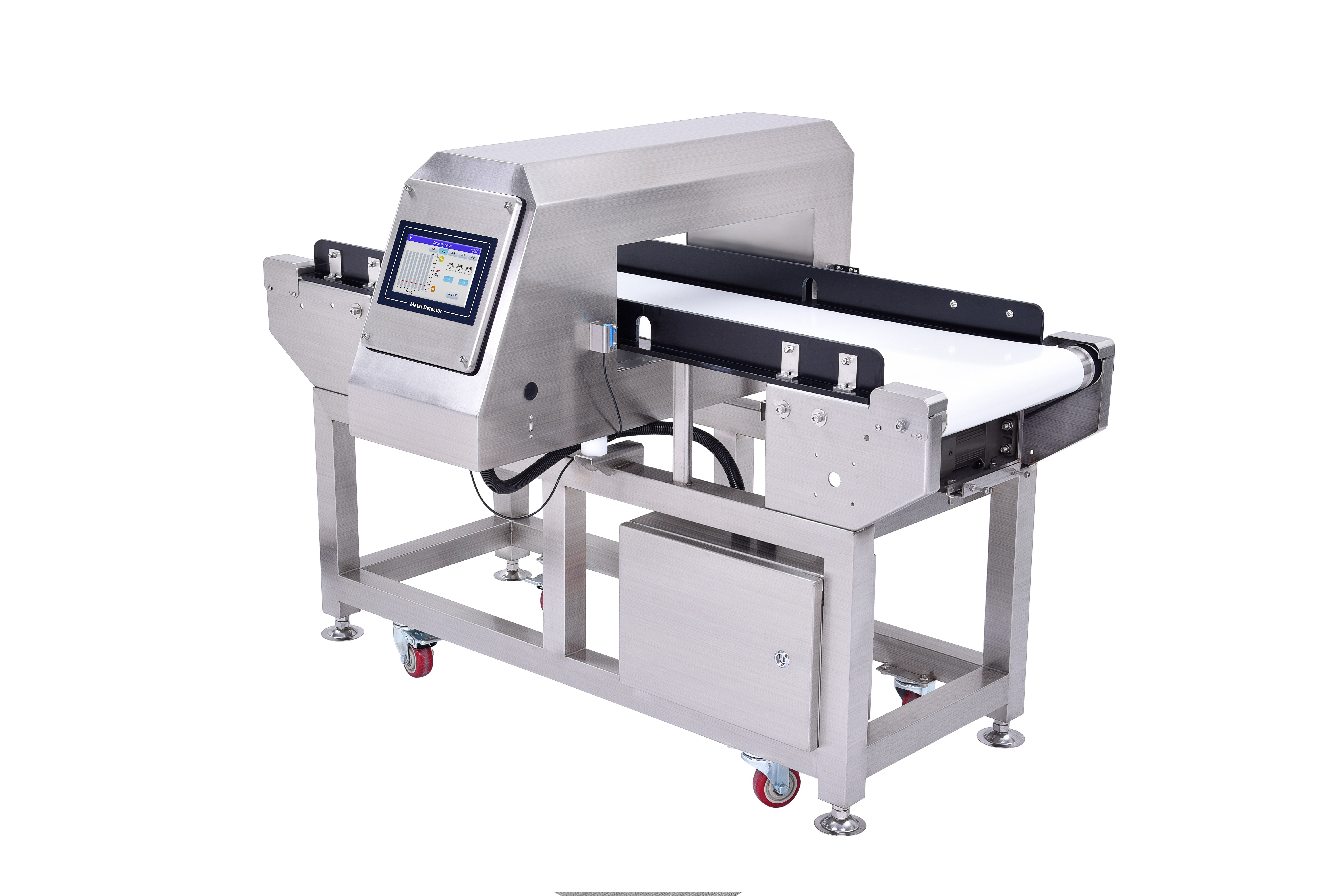
Phase shift errors on an aluminum foil metal detector represent one of the most persistent challenges in packaged food inspection operations. These errors occur when the detector system fails to properly align the signal phase during metal detection cycles, resulting in false positives, missed contamination, or erratic behavior that compromises product safety. Understanding the root causes and implementing systematic troubleshooting protocols can restore detector reliability and prevent costly production delays.
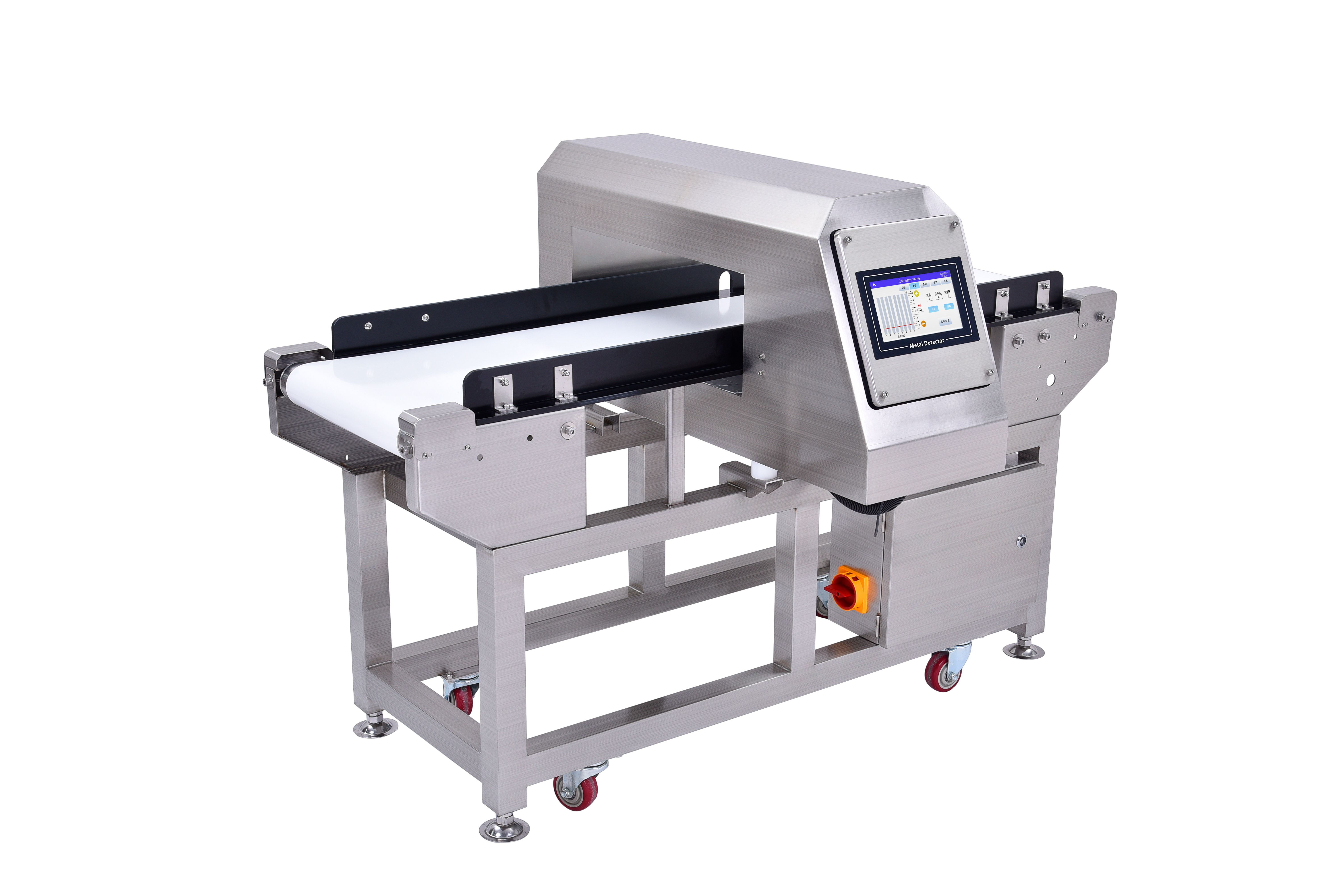
In packaged food manufacturing, metallized film detector calibration directly influences detection accuracy and line throughput. Phase shift errors stem from electromagnetic interference, improper sensor calibration, environmental drift, or hardware degradation. By recognizing early warning signs and applying targeted diagnostic procedures, operators can quickly identify whether issues relate to sensor performance, signal processing, or external interference factors specific to metal detection processes.
Understanding Phase Shift Error Origins
Signal Processing and Calibration Drift
Phase shift errors emerge when the detector's reference signal and measurement signal become misaligned during operation. This misalignment occurs as temperature fluctuations cause component drift in the oscillator circuit, or when calibration parameters decay over extended production runs. Metallized film detector systems rely on precise phase matching between transmitted and received signals; even minor deviations introduce detection inconsistencies. Environmental conditions such as humidity spikes or thermal cycling accelerate this drift, particularly in food processing environments where moisture and temperature variations are common.
External Electromagnetic Interference
Industrial production lines generate substantial electromagnetic noise from motors, conveyor drives, and radio frequency equipment. This interference directly couples into metal detection circuits, disrupting the phase relationship between signal components. When an aluminum foil metal detector operates near high-powered machinery, the external electromagnetic fields impose unwanted phase shifts that the detector cannot distinguish from legitimate metal signals. Shielding degradation, improper grounding, or missing ferrite filters exacerbate this problem, making troubleshooting more complex in existing installations.
Systematic Troubleshooting and Diagnostic Procedures
Initial System Verification and Baseline Testing
Begin troubleshooting by powering down the system and visually inspecting all cable connections, sensor coils, and shielding integrity. Ensure ferrite core filters remain secure on signal leads and that grounding straps connect properly to equipment frames. Power the system in isolation, away from active production equipment, and run a self-test sequence to establish a baseline reference. Most modern metal detection systems include built-in diagnostics that report phase offset values; document these baseline measurements before any adjustments. For metallized film detector calibration, establish reference measurements using known metallic test samples to confirm the system responds appropriately to intentional metal presence.
Temperature Stabilization and Warm-Up Protocols
Phase shift errors frequently appear immediately after system startup or during temperature transitions. Allow the aluminum foil metal detector to warm up for at least fifteen to twenty minutes before resuming production. This permits oscillator circuits to stabilize and reach thermal equilibrium. Monitor phase offset readings during the warm-up period; they should plateau within an acceptable range specified by the manufacturer. If phase values continue drifting after warm-up completes, this indicates possible component failure or environmental stress factors requiring deeper investigation. Implement routine warm-up procedures as standard operating protocol, particularly in facilities with significant daily temperature swings.
Sensor Coil Inspection and Repositioning
Misaligned or contaminated sensor coils contribute substantially to phase shift errors in metal detection systems. Carefully remove any accumulated dust, product residue, or moisture from coil surfaces using soft brushes and electronics-safe cleaning agents. Verify that sensor coils remain symmetrically positioned relative to the product conveyor path; even millimeter-level shifts degrade detection uniformity and introduce phase asymmetries. Reposition coils to manufacturer specifications and confirm fastening hardware is tight. For metallized film detector applications, sensor spacing becomes critical because the thin, conductive film nature requires precise coil geometry to maintain consistent field distribution across detection zones.
Advanced Remediation and Long-Term Stability
Electromagnetic Shielding Enhancements
Where external interference persists despite baseline troubleshooting, upgrade shielding infrastructure around the aluminum foil metal detector installation. Install mu-metal or aluminum shielding enclosures around sensing electronics, route all signal cables through shielded conduits, and maintain continuous ground paths to production equipment frames. Add ferrite choke filters to power supply lines feeding the detector system. In facilities with radio frequency sources or high-power induction heating, consider locating the detector control electronics in a separate isolated cabinet rather than mounting directly at the detection head. These metallized film detector installations often require more aggressive shielding due to the highly conductive nature of the product material itself, which can couple interference directly into measurement circuits.
Calibration Verification and Parameter Adjustment
Access the system's calibration menu and verify all phase adjustment parameters match factory specifications documented in your equipment manual. Some systems permit manual phase offset tuning; increment these adjustments in small steps while monitoring detection response to reference metallic samples. Document which parameter adjustments produce measurable improvement. If the system permits automatic recalibration, activate this function and allow the detector to re-establish baseline phase relationships. For persistent phase shift errors, perform a complete system reset using factory default parameters, then rebuild calibration from the ground state. This approach often eliminates accumulated calibration errors that compound over months of operation.
Hardware Diagnostics and Component Replacement
If phase shift errors persist after environmental and calibration remediation, suspect hardware degradation within the detection electronics. Common failure points include oscillator circuit components, phase comparator ICs, and analog-to-digital conversion modules. Request detailed diagnostic reports from the equipment manufacturer that pinpoint which circuit elements show degraded performance. Most manufacturers offer modular replacement options for detector electronics; upgrading signal processing boards often resolves intractable phase shift issues without requiring complete system replacement. Document the timeline of phase error onset; if errors appeared suddenly after specific environmental events or extended downtime, this historical pattern guides component selection priorities.
FAQ
What immediate actions should operators take when phase shift errors first appear on an aluminum foil metal detector?
First, power down the system and allow it to cool completely, then restart using the warm-up protocol. Check all cable connections and sensor coil positioning for physical damage or misalignment. Access the diagnostic menu to capture current phase offset readings and compare them against documented baseline values. If readings remain abnormal after warm-up, isolate the detector from other production equipment to test whether external electromagnetic interference contributes to the problem. This staged approach quickly identifies whether the issue relates to startup transients, mechanical alignment, or environmental factors.
How does environmental contamination affect phase shift detection in packaged food inspection systems?
Dust, moisture, and product residue accumulating on sensor coils and electronic components alter the electromagnetic field distribution and introduce parasitic capacitance changes. These physical contaminants shift the phase relationship between sensor signals, mimicking the effects of internal component drift. In metal detection operations involving metallized film detector technology, conductive product particles can directly bridge circuit elements and drastically change phase characteristics. Regular preventive cleaning of sensor surfaces and electronic enclosures serves as the first defense against contamination-induced phase errors, particularly in high-humidity food processing environments.
When should a facility consider replacing the entire aluminum foil metal detector rather than continuing troubleshooting efforts?
Replace the system when phase shift errors persist despite comprehensive troubleshooting, component-level repairs, and environmental remediation spanning multiple weeks. If the aluminum foil metal detector exhibits sudden onset of multiple types of detection failures beyond phase shift issues alone, or if manufacturer technical support exhausts available diagnostic options, replacement becomes economically justified. Systems approaching end-of-service-life often accumulate unrecoverable phase calibration drift; newer metal detection equipment typically includes improved shielding, digital signal processing, and adaptive phase compensation that prevents these errors. Evaluate replacement against your facility's production volume, food safety compliance requirements, and remaining equipment lifespan.
Table of Contents
- Understanding Phase Shift Error Origins
- Systematic Troubleshooting and Diagnostic Procedures
- Advanced Remediation and Long-Term Stability
-
FAQ
- What immediate actions should operators take when phase shift errors first appear on an aluminum foil metal detector?
- How does environmental contamination affect phase shift detection in packaged food inspection systems?
- When should a facility consider replacing the entire aluminum foil metal detector rather than continuing troubleshooting efforts?