 EN
EN

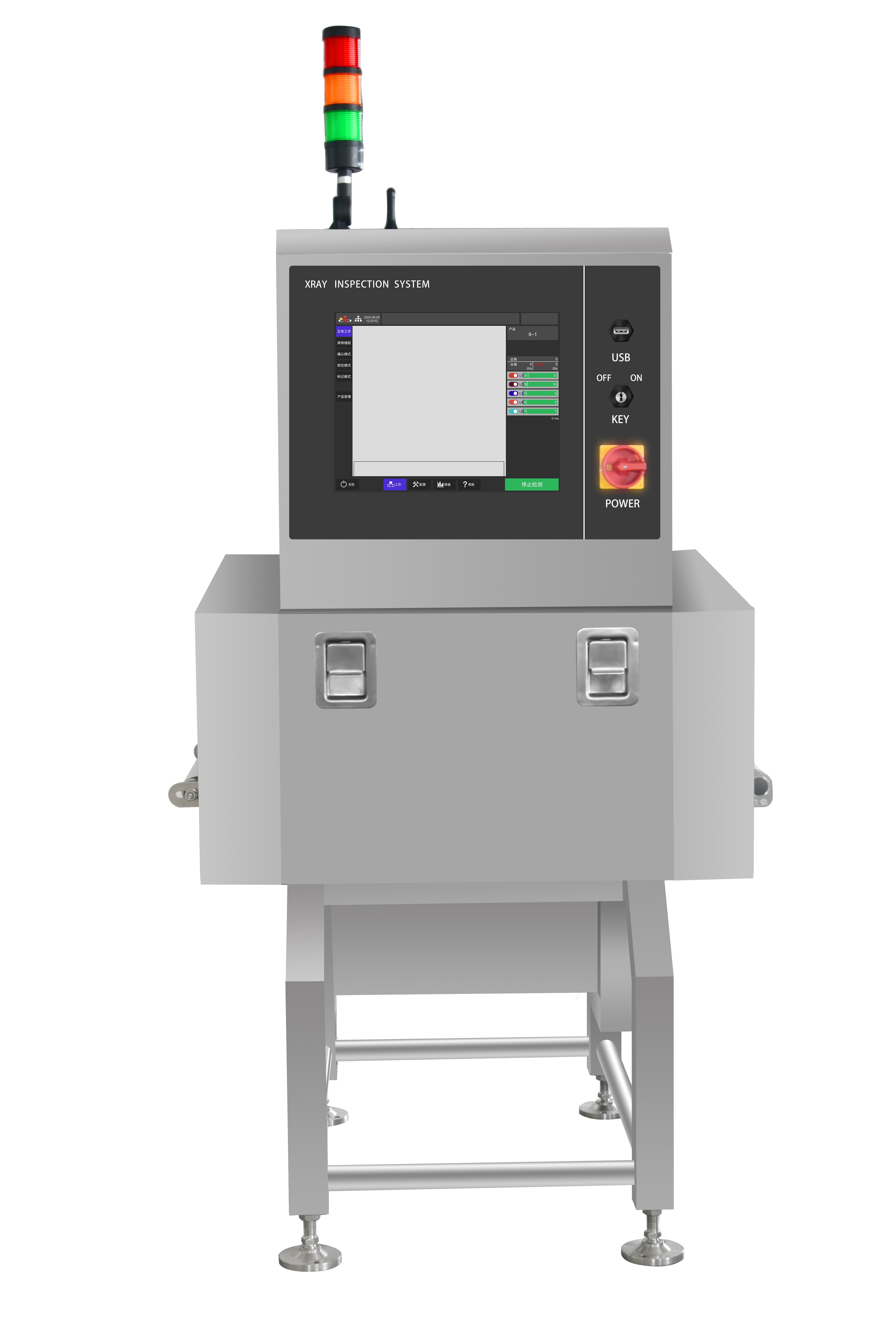
The x ray detector food industry units have revolutionized grain processing by enabling precise identification of foreign materials that pose safety and quality risks. Stone contamination in grain represents one of the most persistent challenges for food processors, millers, and distributors worldwide. Traditional visual inspection methods fail to detect low density stones that closely resemble grain kernels, leaving dangerous contaminants in final products that reach consumers.
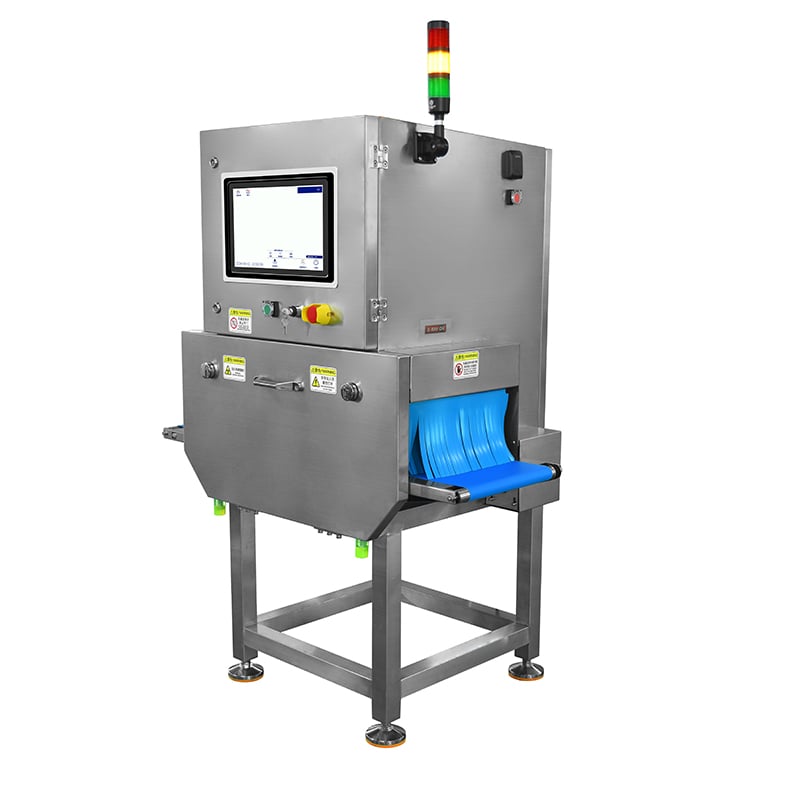
Modern food safety scanner technology uses advanced x ray imaging to differentiate between legitimate grain and contaminant particles based on density variations and atomic composition. The inspection process happens at production speed without slowing throughput, making it practical for large-scale operations. This article explores how x ray detector systems work, why they excel at stone detection, and what specific advantages they bring to grain handling facilities.
Understanding X Ray Imaging Technology in Food Processing
How X Ray Imaging Detects Foreign Materials
X ray imaging technology passes electromagnetic radiation through products to create detailed density profiles that reveal internal composition. When grain passes through an x ray detector food industry unit, the system captures images showing how different materials absorb radiation differently. Low density stones absorb x rays in patterns distinct from grain kernels, allowing the detection algorithm to identify and classify contamination automatically.
The contaminant detection capability extends beyond simple size measurement. The x ray imaging analysis examines atomic density, which means that stones weighing less than grain kernels still register as foreign objects because their atomic structure creates unique x ray absorption signatures. This density-based approach solves the critical gap left by mechanical sieving and magnetic separation, which cannot detect non-magnetic stones of comparable weight to grain.
Real-Time Processing Speed and Reliability
Food safety scanner systems using x ray detector technology operate at thousands of scans per second, inspecting every gram of grain in the production stream. Unlike batch inspection methods, inline x ray imaging provides continuous, real-time quality assurance without requiring product stoppage or manual sampling. The automated detection triggers immediate removal of contaminated grain through pneumatic or mechanical ejection systems, ensuring zero contaminants reach packaging or further processing.
Why Low Density Stones Challenge Traditional Detection Methods
Limitations of Mechanical and Magnetic Separation
Conventional grain cleaning equipment uses screens, air classifiers, and magnetic separators that function based on size or magnetic properties rather than atomic density. Low density stones often fall within the size range of normal grain kernels, causing them to pass through mechanical screens without capture. Since these stones contain no ferrous material, magnetic separation systems cannot detect them either, leaving a dangerous blind spot in conventional quality control processes.
The x ray detector food industry approach overcomes these limitations by examining the fundamental material composition rather than relying on size or magnetism. An object that weighs less than grain but occupies similar space will still appear distinctly different in x ray images. This fundamental physics advantage explains why food safety scanner technology using x ray imaging has become the industry standard for stone detection in grain and legume processing.
Consumer Safety and Liability Protection
Dental damage, equipment failure, and serious injury from consuming grain products contaminated with stones create severe liability exposure for food manufacturers and distributors. Regulatory agencies expect comprehensive contaminant detection protocols that exceed basic mechanical separation. Implementing an x ray imaging system demonstrates due diligence and provides documented evidence of systematic foreign material control, protecting businesses from costly recalls and legal claims.
Strategic Implementation of X Ray Detection in Grain Facilities
Placement and Integration in Production Lines
Most grain processors install x ray detector food industry units at strategic points where contamination risk is highest: immediately after primary cleaning but before final packaging, or positioned to inspect finished grain products before distribution. The food safety scanner integrates with existing conveyor systems, allowing rapid grain throughput without bottlenecking production speed. System designers carefully calibrate detection sensitivity to maintain the balance between catching all low density stones while avoiding false rejections of legitimate grain.
Proper x ray imaging placement requires understanding material flow patterns and throughput requirements. Some facilities use multiple detection units in series to achieve maximum confidence, while others optimize single-unit placement to inspect the product stream most efficiently. The contaminant detection thresholds can be adjusted based on crop type, harvest conditions, and customer specifications, making the systems flexible across different grain varieties and processing scenarios.
Maintenance, Calibration, and Regulatory Compliance
X ray detector systems require regular calibration and maintenance to preserve detection accuracy and food safety compliance. Most food safety scanner units include built-in test procedures and quality assurance protocols that verify detection performance daily. Regulatory frameworks including FSMA and international food safety standards increasingly require documented verification that contaminant detection systems perform reliably, making compliance monitoring an essential operational component.
Staff training on x ray imaging operation, sensitivity adjustment, and troubleshooting ensures consistent system performance throughout product campaigns. Facilities maintain detailed records of detection events and removed contaminants, providing traceability and documentation that regulators and customers expect. This systematic approach to x ray detector food industry integration transforms grain safety from a reactive concern into a proactive control measure built into daily operations.
FAQ
Can x ray imaging detect all types of stones in grain?
Yes, x ray imaging technology detects stones across a wide density range because the detection mechanism is based on atomic composition rather than weight or magnetism. Low density stones, high density minerals, and glass fragments all appear distinct from grain in x ray images. However, detection sensitivity depends on stone size; very tiny particles may fall below the system's resolution threshold, which is why most systems are calibrated to detect stones above specific size parameters relevant to consumer safety.
How does food safety scanner technology ensure no grain is accidentally rejected?
Food safety scanner systems using x ray imaging are calibrated to distinguish grain from contaminants by comparing absorption patterns against stored reference signatures for target grain varieties. The detection algorithms apply stringent thresholds to prevent false positives, allowing normal grain kernels to pass through while capturing only genuine foreign materials. Operators regularly run test samples containing known contaminants to verify the system maintains proper detection accuracy without over-rejecting legitimate product.
What is the return on investment for x ray detector food industry equipment?
The x ray detector food industry investment is justified through reduced product liability, avoided recalls, improved customer confidence, and regulatory compliance. Lost revenue from recalls and damaged reputation often far exceeds equipment costs within a single incident. For high-volume grain processors, the contaminant detection capability protects customer relationships and premium pricing, while the x ray imaging system itself operates cost-effectively by requiring minimal maintenance and no consumable materials.