 EN
EN


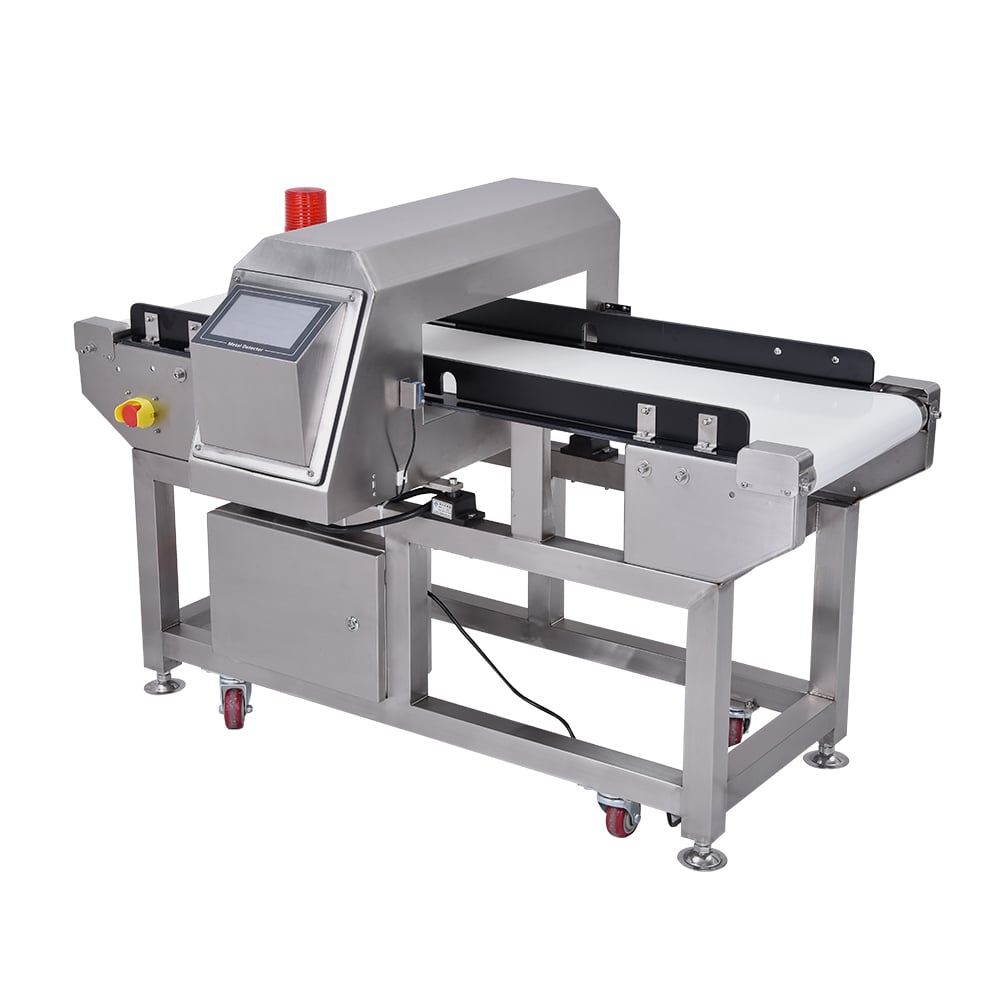
IP69K certification represents one of the most stringent environmental protection standards available for industrial equipment, and its importance cannot be overstated when evaluating a food grade metal detector. In the food processing industry, equipment must withstand not only contamination risks but also rigorous cleaning protocols that involve high-pressure water jets and harsh chemical environments. A food grade metal detector equipped with IP69K certification ensures that your facility meets the highest hygiene standards while maintaining reliable foreign object detection throughout daily operations. Understanding why this certification matters directly impacts your production safety, regulatory compliance, and operational longevity.
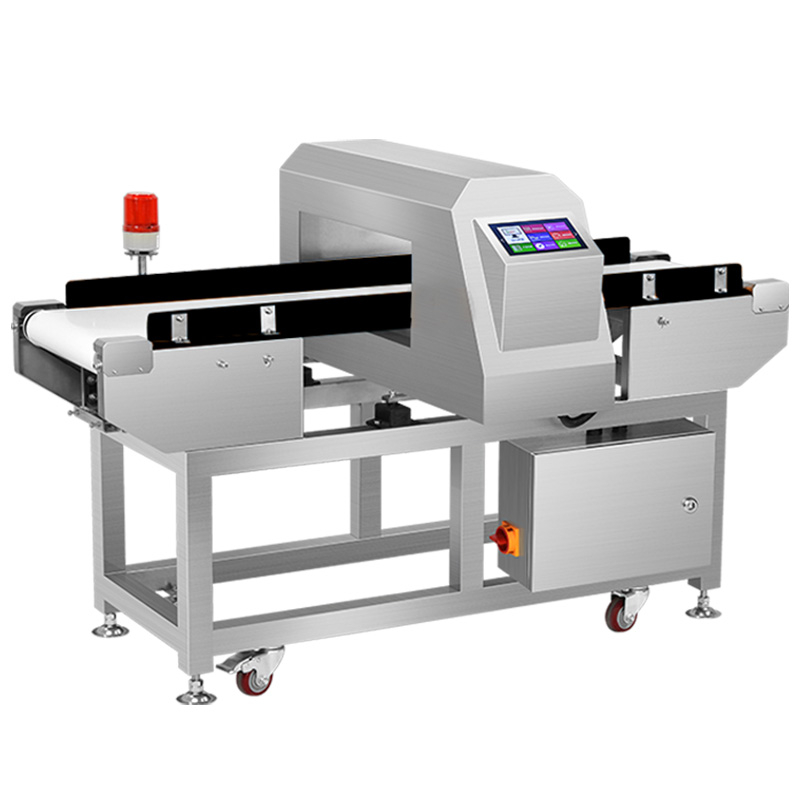
The relevance of IP69K extends beyond simple water resistance. Food processing facilities operate in demanding environments where sanitary practices are non-negotiable. Equipment must endure frequent washdowns, steam cleaning, and exposure to moisture-laden air without degradation. A food grade metal detector with proper certification demonstrates that engineering teams have prioritized both detection accuracy and durability in these challenging conditions. This combination directly protects your brand reputation, ensures consumer safety, and reduces unexpected downtime.
Understanding IP69K Protection Standards
What IP69K Actually Means
The IP69K rating breaks down into specific protection categories. The first digit, 6, indicates complete dust protection and total sealing against particulate contamination. The second digit, 9, denotes protection against powerful high-pressure and steam cleaning jets. The K designation specifically refers to a washdown metal detector's ability to withstand high-temperature, high-velocity water spray without allowing moisture ingress. This rating framework exists because standard food processing equipment faces continuous exposure to moisture, cleaning chemicals, and thermal stress. For a sanitary metal detector to maintain calibration and sensitivity, every internal component must remain protected from environmental hazards that would otherwise compromise detection performance.
How IP69K Differs from Other Ratings
Lower IP ratings like IP65 or IP67 offer basic water resistance but prove insufficient for aggressive washdown environments. A washdown metal detector operating in a food processing facility cannot rely on standard IP65 protection because intense spray systems deliver water at pressures exceeding 80 bar. IP69K certification specifically addresses this high-pressure requirement, ensuring that sensor connections, circuit boards, and internal mechanisms remain completely sealed. The difference becomes critical when considering that equipment failures in food processing often trigger production halts, product recalls, and regulatory investigations. Investing in equipment rated to IP69K eliminates these risks by design.
Critical Performance Benefits for Food Processing Equipment
Maintaining Detection Sensitivity and Accuracy
Detection accuracy depends on stable environmental conditions within the sensor housing. Moisture contamination introduces signal degradation, false positives, and missed detections. When a sanitary metal detector achieves true IP69K certification, engineering teams have verified that internal components remain perfectly sealed across all operational scenarios. This design integrity means your food grade metal detector maintains consistent sensitivity through thousands of washdown cycles without drift or calibration loss. The result directly translates to reliable foreign object detection and eliminated product recalls caused by equipment malfunction.
Extended Equipment Lifespan and Reduced Maintenance
Moisture intrusion accelerates corrosion of electronic components, connectors, and circuit board traces. A washdown metal detector protected by IP69K certification experiences dramatically reduced corrosion rates because water and cleaning chemicals cannot penetrate the sealed housing. This design approach extends equipment lifespan from typical five-to-seven years to ten-plus years, depending on operational intensity. For food processing equipment operators managing tight capital budgets, this longevity represents significant cost savings. Fewer replacement cycles mean reduced procurement costs, minimized installation downtime, and more stable production schedules.
Meeting Regulatory Compliance Requirements
Food safety regulations across major markets increasingly specify environmental protection requirements for metal detection systems. FSMA regulations in the United States, HACCP standards in Europe, and similar frameworks globally recognize IP69K as the industry benchmark for sanitary food processing equipment. Choosing a food grade metal detector with verified IP69K certification ensures your facility meets current and anticipated future regulatory demands without equipment retrofit. This forward-compatible approach protects your operational investment and demonstrates proactive commitment to food safety to regulators and customers alike.
Implementation and Selection Guidance
Assessing Washdown Metal Detector Specifications
When evaluating a washdown metal detector for your facility, verify that IP69K certification comes from independent testing rather than manufacturer claims alone. Third-party laboratory verification provides objective assurance that equipment meets stated protection standards. Review technical specifications for details about connector protection, cable gland design, and housing materials. Stainless steel housings typically outlast aluminum in aggressive washdown environments because they resist both moisture and chemical corrosion more effectively. Ask manufacturers for test reports demonstrating IP69K performance across the full operational temperature range your facility uses, particularly if you employ steam cleaning systems.
Integration with Food Processing Equipment Standards
A sanitary metal detector must integrate seamlessly with broader food processing equipment hygiene protocols. This means selecting equipment with smooth external surfaces that prevent bacterial harborage, easily accessible connection points for validated cleanability, and compatibility with your existing cleaning verification procedures. Food processing equipment standards like EHEDG (European Hygienic Engineering and Design Group) provide detailed guidance on design features that support sanitary operation. Your food grade metal detector selection should reference these standards to ensure that certification translates into practical hygiene benefits across your production line. Alignment between IP69K protection and overall sanitary design creates a cohesive food safety ecosystem.
FAQ
Can a food grade metal detector with IP69K certification detect contaminants as effectively as older equipment?
Yes, modern food grade metal detectors with IP69K certification typically exceed the detection sensitivity of older equipment. The sealed design protects sensor accuracy, maintaining consistent performance across thousands of operational cycles. Advanced signal processing algorithms in contemporary washdown metal detectors often improve both sensitivity and false positive rejection compared to legacy systems. IP69K certification actually enhances detection reliability by eliminating moisture-related signal degradation that sometimes affects older equipment during extended operations.
How often should a sanitary metal detector undergo maintenance if it carries IP69K certification?
IP69K-certified food processing equipment requires less frequent intensive maintenance because moisture ingress is virtually eliminated by design. However, routine inspection remains important to verify connector integrity, inspect external surfaces for damage, and confirm that seals show no signs of wear. Most manufacturers recommend quarterly visual inspections and annual professional servicing for high-volume food processing environments. The washdown metal detector should be calibrated according to your HACCP plan, typically monthly or per facility protocol, regardless of IP rating. This preventive approach maximizes equipment uptime while maintaining detection accuracy.
Is IP69K certification worth the additional equipment cost?
IP69K certification typically adds 15–25% to the equipment purchase price compared to lower-rated alternatives. However, total cost analysis favors IP69K-rated equipment when considering extended lifespan, reduced maintenance costs, eliminated recalls from equipment failure, and compliance assurance. A food grade metal detector lasting twice as long while requiring minimal maintenance substantially reduces lifetime ownership costs. Furthermore, regulatory compliance risks and product safety liabilities make robust washdown metal detector protection essential rather than optional for any serious food processing facility. The investment aligns directly with long-term operational and financial stability.