 EN
EN

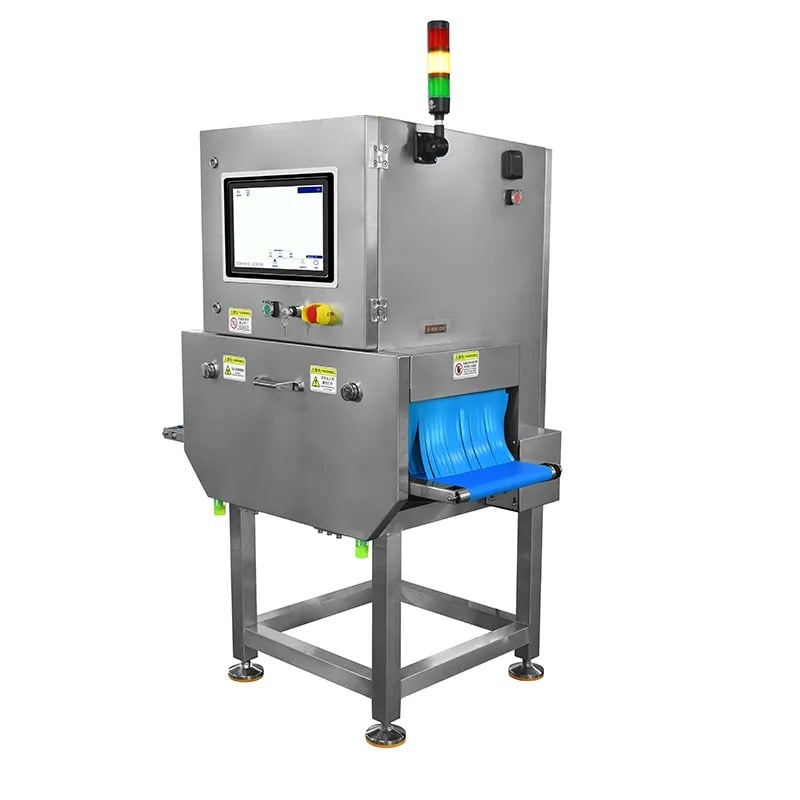
Regulatory compliance has become non-negotiable in food manufacturing and processing facilities worldwide. When you implement a food x-ray inspection system, integrating robust data logging compliance features transforms inspection from a simple quality control step into a documented, auditable process that meets FDA, FSMA, and international food safety standards. Modern regulatory frameworks require not just detection of foreign objects and contamination, but complete traceability records showing what was inspected, when, by whom, and what results were documented.
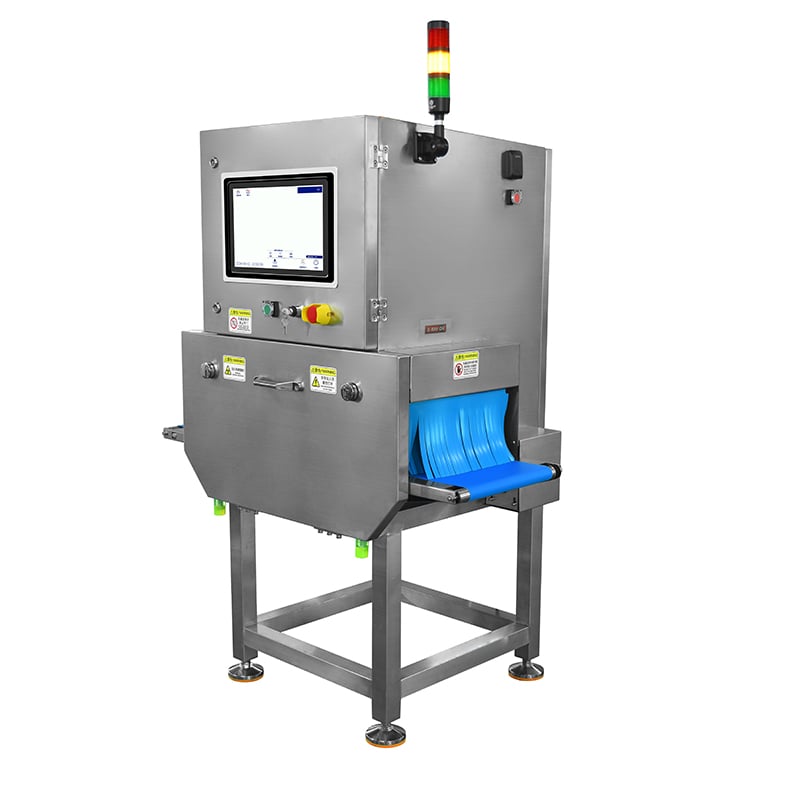
Data logging compliance features within an x ray food scanner create an immutable record of every inspection event, ensuring your facility maintains the evidence auditors and regulators demand. Without proper data logging, even the most sophisticated contamination detector becomes difficult to defend during compliance reviews. This article explores how to effectively integrate data logging capabilities into your food x-ray inspection system, covering regulatory drivers, technical architecture, and practical implementation strategies that protect both consumer safety and your company's reputation.
Understanding Regulatory Drivers for Data Logging in Food Safety Inspection
Compliance Frameworks Requiring Inspection Records
The FDA's Food Safety Modernization Act mandates that food facilities document all preventive controls, including foreign object detection activities. A food x-ray inspection system with integrated data logging directly addresses this requirement by generating timestamped, electronically stored records of every scan performed. FSMA rules require that records be retained for a minimum period and be readily retrievable during inspections or investigations.
International standards including ISO 22000 and FSSC 22000 similarly demand documented evidence of food safety inspection activities. When your x ray food scanner captures data automatically, you eliminate manual logging errors and create defensible proof that inspection protocols were followed consistently. Auditors increasingly expect electronic audit trails showing pass rates, detected anomalies, and operator actions, not just summary statistics at month-end.
Traceability and Recall Response Capability
Data logging compliance features enable precise product traceability in the event of a recall. If a contamination issue emerges after product distribution, your food x-ray inspection system must provide exact batch codes, production line identifiers, and inspection timestamps so you can pinpoint which products received inspection and what results were obtained. A safety inspection with proper data logging allows you to confidently determine the scope of a recall rather than face costly overly broad product withdrawal.
Regulators and customers now routinely demand traceability records within hours of a potential incident. Without integrated data logging in your x ray food scanner, reconstructing this information becomes impossibly time-consuming. Properly designed data logging systems automatically link each contamination detector reading to product identification, creating an unbreakable chain of evidence.
Core Technical Components of Compliant Data Logging Systems
Automated Data Capture and Secure Storage
A compliant food x-ray inspection system must capture inspection data automatically rather than relying on manual operator entry. This includes scan timestamp, product code, line identifier, detected foreign objects or anomalies, operator ID, and pass/fail determination. The data architecture should prevent retroactive modification of records—critical for demonstrating data integrity during audits. Secure storage solutions should include redundant backup systems and immutable logging to an external server or cloud platform.
Your x ray food scanner should generate structured data files compatible with your facility's enterprise resource planning or quality management systems. This integration eliminates duplicate data entry and ensures contamination detector events flow automatically into compliance documentation streams. Encryption of data in transit and at rest protects sensitive information while meeting cybersecurity compliance expectations.
User Access Controls and Audit Trail Features
Data logging compliance requires role-based access controls ensuring that only authorized personnel can view, modify, or export inspection records. Your food x-ray inspection system should authenticate operators at startup, log all user actions, and create audit trails showing who accessed what data and when. A robust safety inspection system records not just the inspection results but also any system configuration changes, downtime events, or maintenance activities that might affect inspection validity.
Multi-factor authentication and unique operator credentials transform your x ray food scanner from a standalone machine into an integrated compliance asset. The contamination detector's data becomes part of a controlled information environment where changes are logged, approvals are documented, and regulatory requirements are demonstrably met.
Implementation Strategies for Data Logging Integration
System Selection and Specification Requirements
When evaluating a food x-ray inspection system for data logging compliance capabilities, specify minimum requirements upfront. Your procurement should mandate that the x ray food scanner support simultaneous multi-user access, real-time alerts for detected contamination, and automated data export in standardized formats. Verify that your contamination detector's data logging architecture has been validated through third-party security assessments and complies with data protection regulations including GDPR if you ship products internationally.
Request documentation of the system's compliance testing and validation protocols. A mature food x-ray inspection system will provide evidence that its data logging has undergone FSMA compliance review and that safety inspection records have been validated for legal defensibility in regulatory actions or product liability situations.
Operational Integration and Continuous Compliance Monitoring
Successful integration of your food x-ray inspection system requires training operators on proper data handling, emphasizing that the x ray food scanner is capturing compliance evidence continuously. Establish clear procedures for accessing contamination detector data, reviewing inspection logs, and escalating detected anomalies. Your safety inspection protocol should include periodic verification that data logging is functioning correctly and that no records have been corrupted.
Develop a data governance plan specifying retention periods, archive procedures, and recovery protocols for your food x-ray inspection system's records. Regular audits of the x ray food scanner's data integrity and access logs help identify any compliance gaps before external regulators review them. A contamination detector's data logging becomes valuable only when the organization commits to treating inspection records as critical compliance evidence rather than optional documentation.
FAQ
What happens if my food x-ray inspection system fails to capture inspection data?
System failures must be documented immediately, and affected production batches should be held pending manual inspection or reassessment. Your food x-ray inspection system should include automated monitoring that alerts operators and supervisors if data logging stops or if the contamination detector ceases transmitting records. Regulatory agencies view undocumented inspection periods as gaps in preventive controls, so recovery procedures must be swift and thoroughly documented.
How long must I retain data from my x ray food scanner?
Data retention periods depend on the product shelf life and applicable regulations, but FDA guidance generally requires retention for the longer of the product's shelf life plus one year, or one year from production. Your food x-ray inspection system's data logging should be designed to support these retention timelines with reliable archival and retrieval capabilities. Some facilities maintain records indefinitely for potential future recall analysis, and your safety inspection system architecture should accommodate scalable storage for this requirement.
Can I integrate my contamination detector data with existing quality management software?
Yes, modern food x-ray inspection systems offer API connections and standardized data formats enabling seamless integration with enterprise quality platforms. Your x ray food scanner's contamination detector data can flow directly into your facility's quality management system, creating unified compliance documentation. This integration strengthens your food x-ray inspection system's role within your broader safety inspection strategy and simplifies regulatory reporting and audit preparation.