 EN
EN


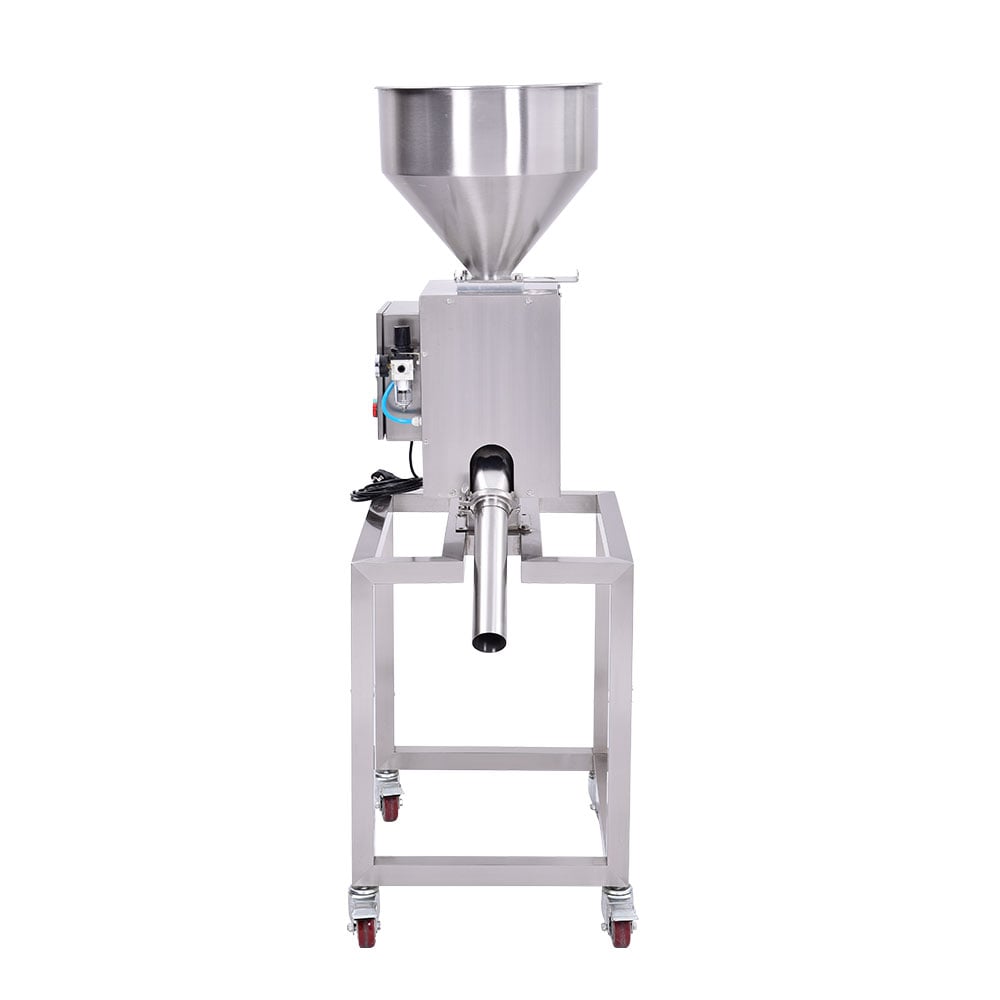
Integrating a metal separator machine into pneumatic conveying lines represents a critical advancement in industrial contamination control. Modern manufacturing facilities face constant pressure to maintain product purity while maximizing throughput, and the strategic placement of metal detection equipment directly within conveying systems offers an elegant solution. This integration approach ensures that metallic contaminants are captured at the source, preventing downstream product damage, equipment failure, and costly recalls. Understanding how to properly implement this technology can transform operational efficiency and protect both your reputation and bottom line.
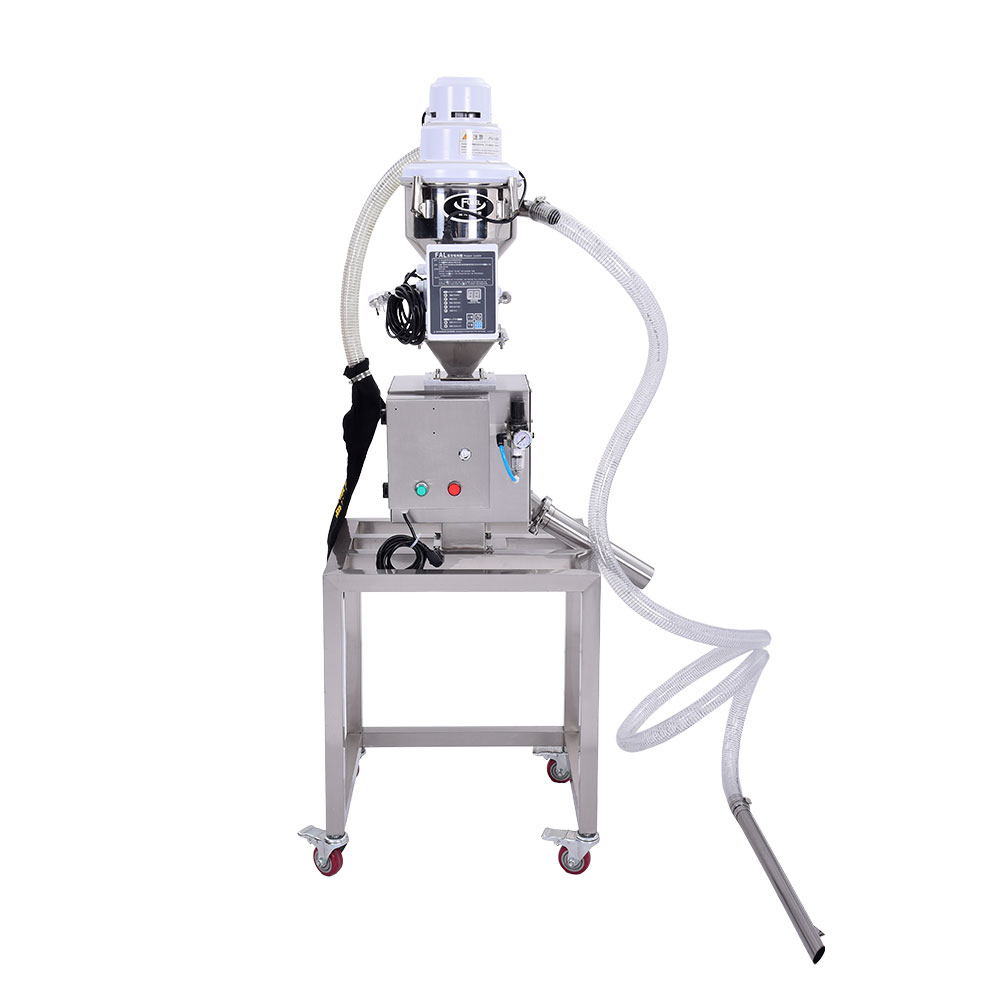
The integration of detection equipment into conveying systems requires careful planning and technical precision. When a metal separator machine is properly installed, it operates seamlessly with existing production workflows, catching contaminants before they compromise product quality. This approach is especially valuable in industries handling powders, grains, minerals, and bulk materials where manual inspection is impractical and chemical testing is insufficient. The key to successful implementation lies in understanding your material characteristics, conveying system design, and detection requirements before selecting and positioning your equipment.
Understanding Metal Detection in Conveying Systems
How Conveying Integration Works
Pneumatic conveying lines move bulk materials using pressurized air through enclosed pipelines, creating an ideal environment for metal detection integration. Unlike open-belt systems, pneumatic systems protect the product while allowing detection equipment to monitor material flow continuously. A gravity fed metal detector or powder inspection system can be installed inline, where the material stream passes directly through the detection zone before reaching its destination. This design eliminates the need for separate batch testing or secondary screening operations, reducing labor costs and processing delays. The equipment triggers automatic rejection mechanisms that divert contaminated material away from your production line instantaneously.
Integration Points and Placement Strategy
Strategic placement of your metal separator machine determines detection effectiveness and operational continuity. Installation typically occurs at critical junctures where bulk material sorting becomes essential, such as immediately after raw material reception, between processing stages, or before final packaging. The gravity fed approach works particularly well in systems where materials naturally flow downward, allowing detection to occur without disrupting line pressure or velocity. Bulk material sorting becomes more efficient when detection occurs early in the process, preventing contaminated material from mixing with cleaned batches and requiring complete line flushing. Proper installation also considers access points for routine maintenance, calibration, and sensor cleaning, which are essential for sustained performance.
Technical Integration Considerations
Material Compatibility and Detection Accuracy
Different materials present unique challenges for metal detection technology, requiring careful alignment between your powder inspection requirements and equipment specifications. Dense materials like minerals and metal-rich ores may require higher sensitivity settings, while fine powders need gentler conveying parameters to prevent material bridging or settling within detection chambers. The effectiveness of your gravity fed metal detector depends on understanding your specific material conductivity, moisture content, and particle size distribution. Materials with high mineral content or conductive particles can create background noise that reduces detection accuracy, making calibration and sensor positioning critically important. Working with equipment providers to conduct pilot tests with your actual materials ensures that your bulk material sorting equipment will perform reliably under real production conditions.
System Compatibility and Workflow Integration
Your existing conveying infrastructure must accommodate the metal separator machine without requiring expensive modifications or production shutdowns. Modern detection systems are designed for retrofit installation, featuring compact dimensions and modular construction that integrate with both new and legacy pneumatic systems. The equipment requires coordination with existing control systems, including pressure regulators, flow meters, and automated diversion gates. Electrical integration ensures that detection signals trigger appropriate responses, whether that means material rejection, line shutdown, or operator notification through visible and audible alarms. Proper system documentation and training enable your maintenance team to troubleshoot issues and perform routine calibration, keeping your powder inspection capabilities consistently effective.
Operational Benefits and Performance Outcomes
Contamination Prevention and Product Quality Assurance
The primary advantage of integrating a metal separator machine into conveying lines is contamination prevention at the earliest opportunity. By implementing powder inspection technology inline, you eliminate the risk of metallic particles reaching customers, which could damage equipment, cause injury, or trigger regulatory violations. Bulk material sorting through continuous detection maintains consistent product quality across all production batches, building customer confidence and supporting premium pricing. Detection equipment positioned strategically prevents costly downtime associated with metal contamination in processing equipment, which can require complete line disassembly and deep cleaning. The investment in metal detection integration typically pays for itself through reduced waste, fewer recalls, and avoided equipment repairs within the first year of operation.
Operational Efficiency and Cost Reduction
Real-time metal detector monitoring eliminates manual inspection bottlenecks, allowing your bulk material sorting operations to run continuously at full line speed. Automatic rejection mechanisms ensure that contaminated material exits the system immediately without halting production, maintaining throughput and meeting customer delivery schedules. The gravity fed approach particularly benefits operations with high material volumes, where traditional testing methods would create unacceptable delays and labor expenses. By preventing metallic contamination from entering your equipment ecosystem, you avoid expensive repairs, extend asset lifespan, and reduce maintenance downtime. Powder inspection data collected during operation provides valuable insights into supply chain quality, helping you identify problematic suppliers or raw material batches early in the process.
FAQ
What is the difference between a metal separator machine and a gravity fed metal detector?
A metal separator machine refers to the complete detection and ejection system integrated into conveying lines, while a gravity fed metal detector specifically describes the detection mechanism that relies on material flowing downward through the detection zone. The gravity fed design works particularly well in vertical conveying systems where materials naturally descend, reducing the need for additional pressure to move detected material through the sensing chamber. Both terms relate to the same category of equipment used for bulk material sorting and powder inspection, but the terminology emphasizes different aspects of the technology.
How frequently does a powder inspection system require calibration and maintenance?
Calibration and maintenance schedules depend on your specific application, material characteristics, and equipment manufacturer recommendations, but most systems benefit from monthly calibration checks and quarterly deep cleaning. Environmental factors like humidity, static electricity, and dust accumulation can affect detection accuracy, making regular sensor cleaning essential for maintaining reliable bulk material sorting. Your maintenance team should establish documented procedures for testing system response with calibration standards, verifying that your metal separator machine continues detecting target contaminants at specified sensitivity levels. Neglecting routine maintenance often results in gradual performance degradation that operators may not immediately notice, potentially allowing small contaminants to pass through undetected.
Can a metal separator machine be retrofit into existing conveying lines without complete system redesign?
Yes, modern metal detector systems are specifically designed for retrofit installation into existing pneumatic conveying infrastructure, though some modifications to piping configuration may be necessary depending on your specific system layout. The gravity fed metal detector can be installed at natural flow points in your existing lines, and modular construction allows integration without requiring complete line shutdown or replacement of major components. Your equipment supplier should conduct a site assessment to identify optimal installation locations and ensure that your existing control systems can accommodate the detection equipment and automatic rejection mechanisms. Most retrofit projects can be completed within days rather than weeks, minimizing production disruption while delivering significant improvements to your powder inspection capabilities.