 EN
EN


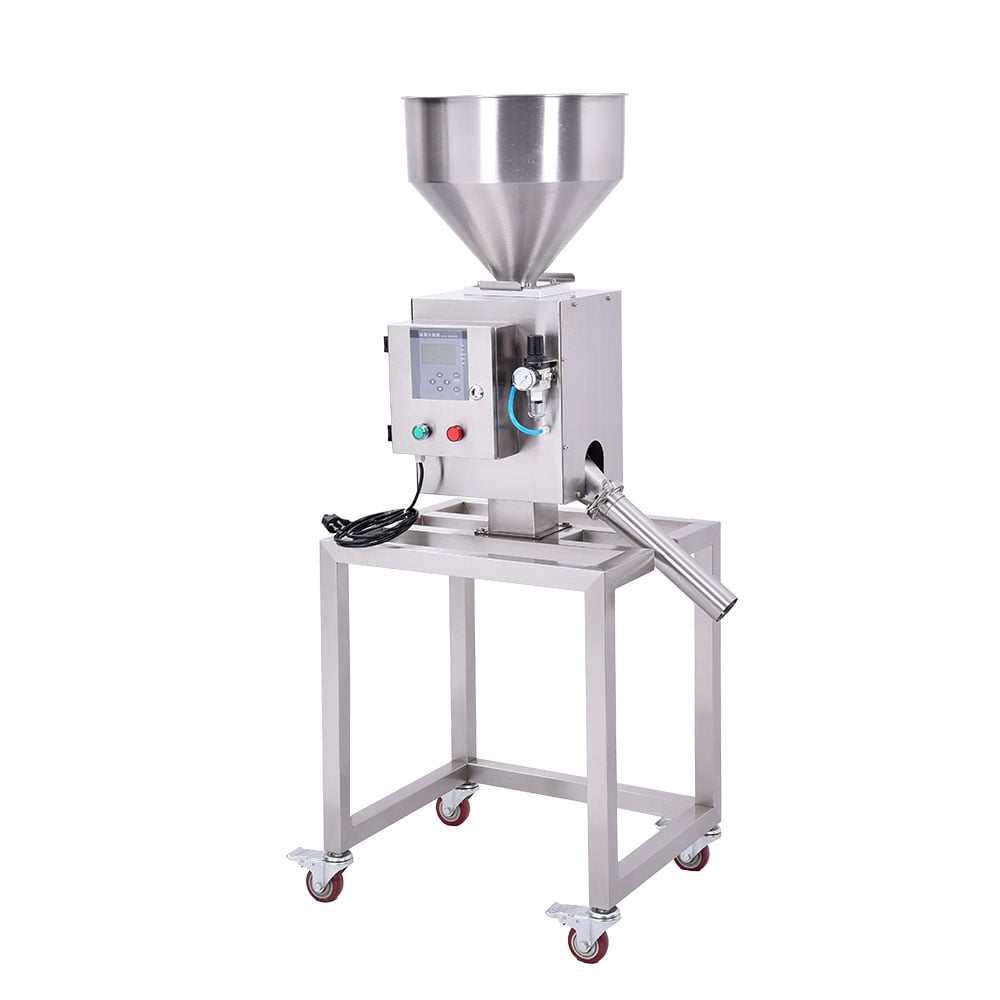
Maintaining a clean and sanitized metal separator machine is essential for operational reliability and product safety in industrial processing environments. Quick release designs have revolutionized equipment maintenance by allowing operators to disassemble critical components without specialized tools or extensive downtime. However, proper cleaning and sanitizing protocols are equally important as the mechanical advantages these units offer. When contamination accumulates inside separator chambers, detection accuracy diminishes, and product quality suffers significantly.
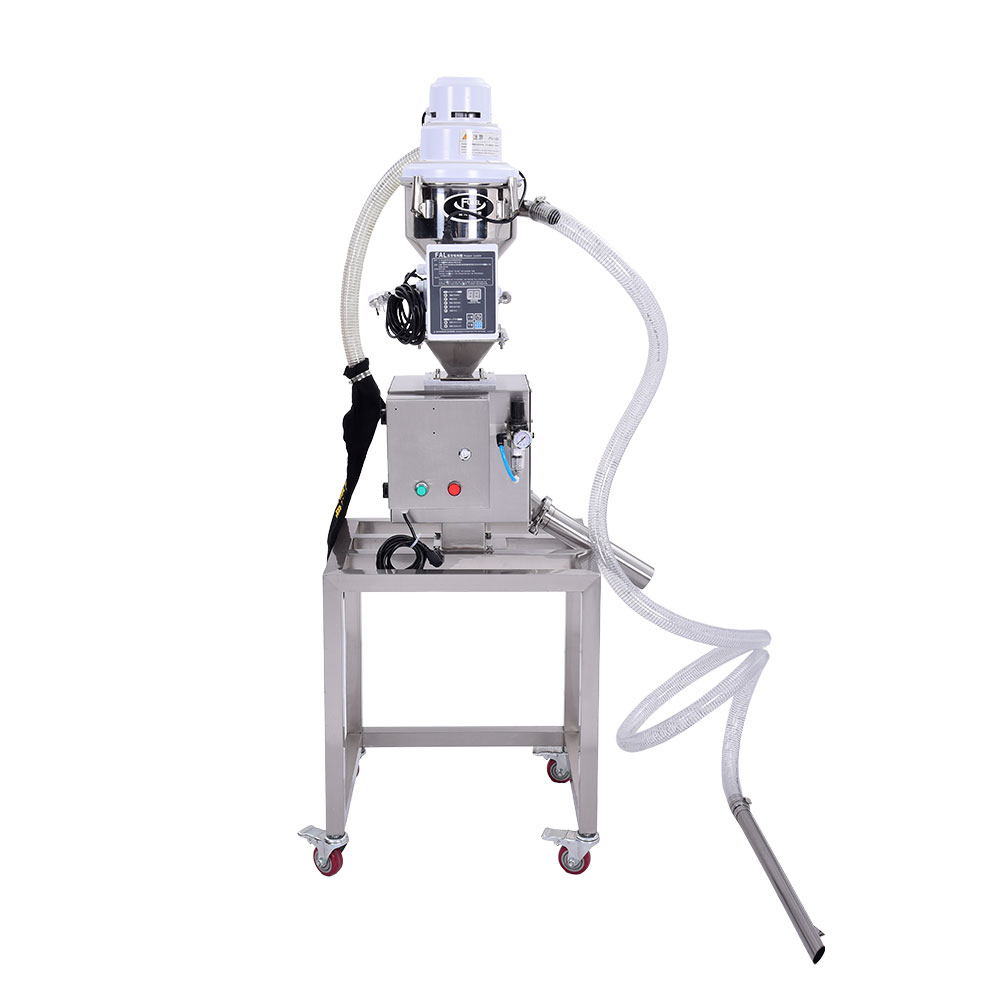
Quick release mechanisms simplify the sanitizing workflow by enabling rapid access to internal surfaces where residue settles. Understanding the correct cleaning sequence, approved materials, and frequency schedules ensures your gravity fed metal detector and bulk material sorting equipment operates at peak performance. This guide provides detailed, practical steps for keeping your metal separator machine units in optimal condition across food, pharmaceutical, chemical, and mineral processing industries.
Understanding Quick Release Component Design
Mechanism and Assembly Structure
Quick release metal separator machine units feature spring-loaded pins, twist-lock connectors, or lever-based fasteners that eliminate traditional bolted connections. These components hold separator heads, hoppers, and discharge chutes in secure alignment during operation. The design permits single-operator removal in minutes rather than hours, dramatically reducing maintenance windows. Gravity fed metal detector systems benefit from this efficiency because operators can inspect and clean detection coils, magnet assemblies, and housing interiors without equipment downtime extending beyond scheduled breaks.
Material Compatibility Considerations
Quick release separators typically combine stainless steel, aluminum, and engineered polymers. Each material requires specific cleaning approaches to prevent corrosion, pitting, or degradation. Stainless steel tolerates most aqueous detergents and mild acids, while aluminum components may suffer etching if exposed to strong alkaline solutions. Powder inspection equipment frequently handles abrasive or hygroscopic materials that require gentle handling during disassembly to protect seal surfaces and bearing interfaces from unnecessary wear.
Step-by-Step Cleaning and Sanitizing Protocol
Pre-Cleaning Preparation Phase
Begin by isolating your metal separator machine from electrical power and ensuring the hopper is empty. Use compressed air at moderate pressure to remove loose powder, debris, and product residue from all external surfaces and quick release joints. Pay special attention to crevices where product can collect during normal operation. Document the original component configuration through photographs if this is your first disassembly, which simplifies reassembly and ensures proper alignment of gravity fed metal detector sensors.
Disassembly and Component Isolation
Activate quick release mechanisms sequentially, working systematically from the discharge end toward the feed hopper. Place each component on a clean work surface in removal order, maintaining separation between parts that contact product from those housing electronics or magnets. For bulk material sorting systems, inspect o-rings and gaskets during removal; note any visible wear, cracks, or hardening that signals replacement need. Store small fasteners and springs in labeled containers to prevent loss.
Interior Surface Cleaning
Use soft-bristled brushes and warm water with food-grade or pharmaceutical-approved detergent to clean interior separator chambers. Powder inspection equipment often retains dust that embeds into surface irregularities, requiring gentle scrubbing rather than aggressive pressure washing. For stubborn residue, apply approved degreasers and allow five to ten minute contact time before wiping. Rinse thoroughly with demineralized water to prevent mineral deposits that interfere with detection accuracy in your metal separator machine.
Sanitizing and Disinfection Steps
After thorough cleaning, apply appropriate sanitizing solutions based on industry requirements. Food processors typically use approved sanitizers at specified concentrations; pharmaceutical facilities may require alcohol-based solutions or chlorine-based disinfectants. Allow contact time as directed on product labels, usually five to fifteen minutes. For gravity fed metal detector components, avoid spraying sanitizers directly onto circuit boards or sensor faces; instead, wipe surrounding areas and allow vapors to circulate. Bulk material sorting operations should prioritize drain design review to ensure sanitizer solutions exit completely without pooling.
Best Practices for Maintenance Excellence
Cleaning Frequency and Scheduling
Establish cleaning frequencies based on product type, processing volume, and contamination risk. Powder inspection operations typically require daily or shift-end cleaning to prevent cross-contamination between different materials. Bulk material sorting facilities with minimal changeover may schedule sanitizing weekly or monthly. Document all cleaning activities in equipment logbooks alongside any anomalies observed. Your metal separator machine performance records will reveal whether current frequencies maintain detection sensitivity or if adjustments are needed.
Drying and Reassembly Protocols
Allow all components to air-dry completely before reassembly, or use lint-free cloth and compressed air for faster drying. Moisture trapped under quick release connectors promotes corrosion and electrical interference in gravity fed metal detector systems. Inspect all gaskets and o-rings before reinstalling; replace any that appear degraded. Apply a light coating of food-grade silicone grease to quick release mechanisms to maintain smooth operation and protect metal separator machine joints from corrosion during storage periods.
Documentation and Quality Verification
Maintain detailed records showing cleaning dates, personnel involved, sanitizers applied, and any parts replaced. After reassembly, perform system calibration checks to confirm your metal separator machine detects test samples at expected sensitivity levels. Run trial batches through bulk material sorting equipment before returning to full production. This verification process confirms that cleaning operations did not inadvertently affect detection performance or introduce new defects.
FAQ
How often should I clean a quick release metal separator machine?
Cleaning frequency depends on your specific application. Powder inspection operations typically require daily cleaning to prevent cross-contamination and maintain hygiene standards. Bulk material sorting facilities with single-material processing may clean weekly or monthly. Always consult your equipment manual and industry regulations; more frequent cleaning ensures optimal gravity fed metal detector performance and product safety.
Can I use high-pressure washers on metal separator machine components?
High-pressure washers can damage delicate sensors, gaskets, and quick release mechanisms on your metal separator machine. Instead, use warm water with soft brushes for gentle cleaning. For tough residue, apply approved degreasers and allow soaking time rather than applying mechanical force. Powder inspection and bulk material sorting equipment require careful handling to preserve detection accuracy and component longevity.
What sanitizers are approved for food-grade metal separator machines?
Approved sanitizers vary by region and facility certification. Common options include quaternary ammonium compounds, chlorine-based solutions, and alcohol-based disinfectants. Always verify that chosen sanitizers comply with FDA, USDA, or equivalent regulatory requirements for your industry. Consult your gravity fed metal detector manufacturer's documentation to confirm compatibility with specific equipment materials and sensor electronics.