 EN
EN


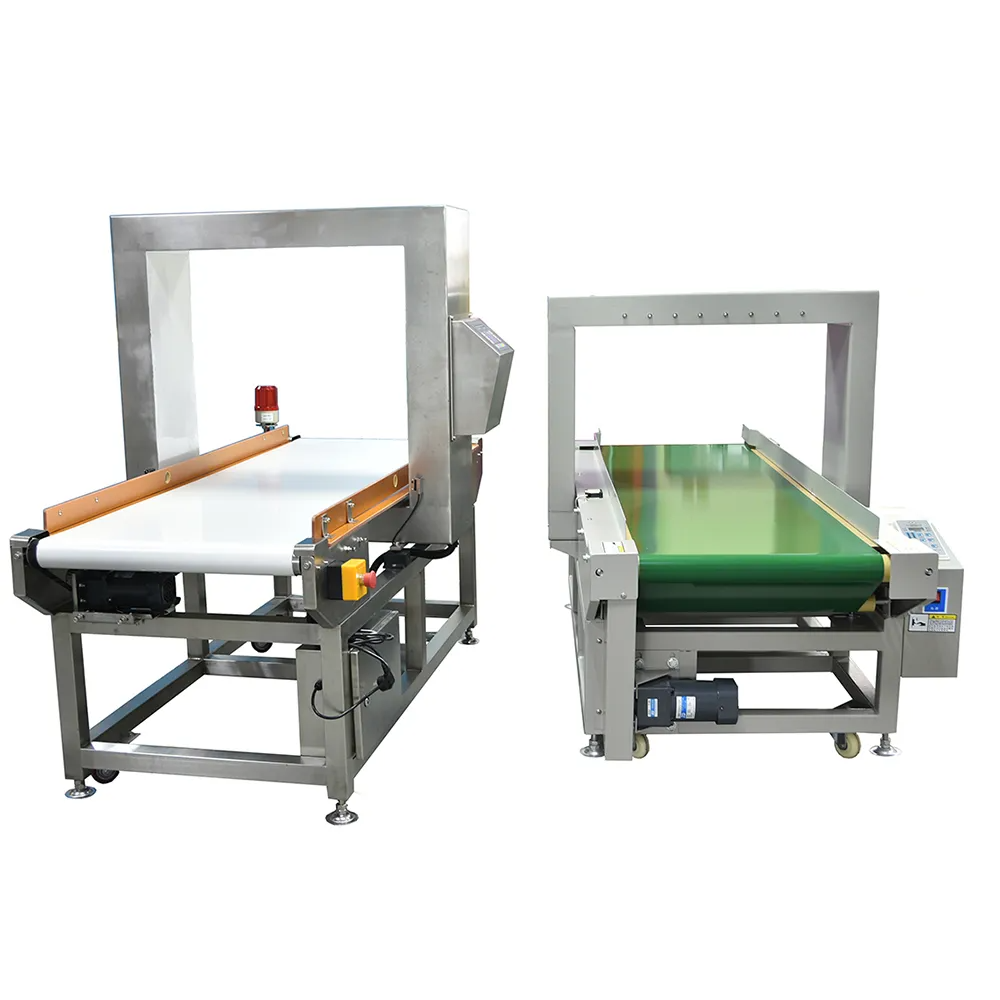
Modern automated packaging lines demand precision, speed, and above all, safety. When manufacturing textiles, apparel, or soft goods, the risk of needle fragments contaminating products represents both a quality and liability concern. A needle detector integrated into your automated packaging workflow provides the critical safeguard needed to prevent defective products from reaching customers and protects your brand reputation in competitive markets.
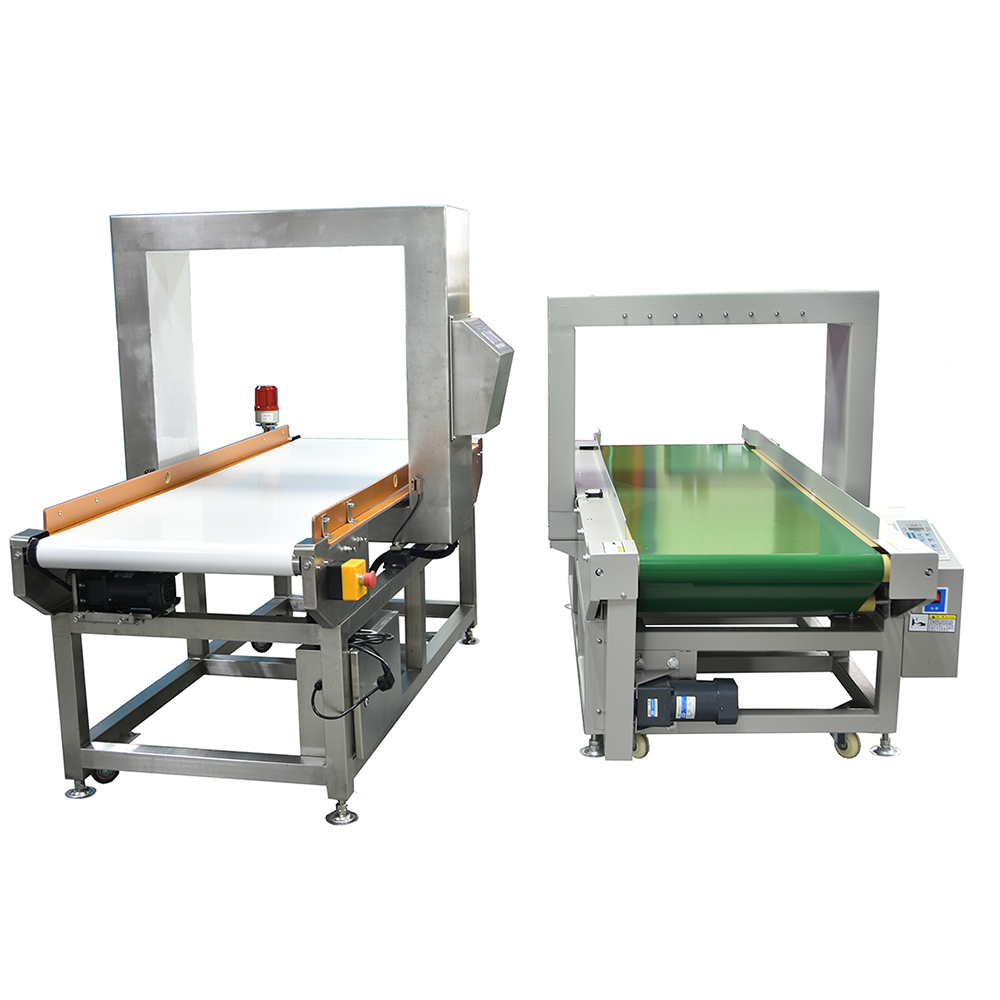
Integrating needle detection technology directly into your packaging line transforms product safety from a reactive concern into a proactive control. This approach eliminates manual inspection bottlenecks, reduces contamination risk, and ensures compliance with retail and regulatory standards. Understanding how to properly implement needle detection equipment into existing production workflows is essential for manufacturers seeking to maintain both operational efficiency and zero-defect outcomes.
Understanding Needle Detector Technology in Packaging
How Needle Detectors Protect Textile Products
Broken needle detection systems use electromagnetic or metal-sensing technology to identify needle fragments embedded in fabric, yarn, or finished garments before packaging. During sewing operations, needles can break due to thread tension, fabric defects, or machine wear, leaving small metal pieces behind. Without active needle detection, these fragments remain invisible to human inspection and create serious product safety risks, potential injury liability, and brand damage when discovered post-purchase.
A needle detector works by passing products through a sensing zone that identifies ferrous and non-ferrous metal fragments. When a product contains foreign metal objects, including needle pieces, the system triggers an alarm, stops the production line, and removes the contaminated item. This real-time garment inspection method eliminates reliance on manual visual checking, which is inherently inconsistent and prone to human error.
Integration Points in Automated Lines
Needle detector units can be positioned at multiple stages within automated packaging workflows. The most effective placement occurs just before final packaging, where products have completed all processing steps but before they enter sealed containers. Some facilities install additional needle detection checkpoints after key production phases, such as post-finishing or pre-packaging inspection zones. Choosing the right integration point depends on your production line layout, product type, and existing textile safety equipment infrastructure.
Installation and Operational Considerations
Technical Requirements for Line Integration
Installing a needle detector requires proper alignment with conveyor systems to ensure every product passes through the detection zone at appropriate speed. The system must connect to your production control interface to enable automatic rejection of flagged items and trigger alerts to production staff. Power requirements, sensor calibration protocols, and product throughput specifications vary by equipment model, making professional installation and operator training essential components of successful deployment.
Broken needle detection equipment must be regularly calibrated and maintained to preserve sensitivity and reliability. Dust, moisture, and metal contamination on sensor surfaces can degrade detection accuracy over time. Establishing preventive maintenance schedules, periodic sensitivity testing, and staff training protocols ensures your needle detector remains effective throughout its operational lifespan and continues to protect product quality consistently.
Workflow Optimization and Production Impact
When properly implemented, needle detection systems enhance rather than impede production flow. Modern equipment integrates seamlessly with existing conveyor systems and production management software, creating minimal disruption to line speed. The key is selecting a needle detector with throughput capacity matching your production volume. A system that cannot keep pace with line speed becomes a bottleneck; conversely, oversized equipment represents unnecessary capital investment.
Rejected products flagged by needle detection must enter a secondary quality review process. Some facilities conduct manual re-inspection to confirm detections; others implement a systematic hold-and-rescan protocol. Establishing clear procedures for handling flagged items, documenting rejection reasons, and tracking contamination patterns provides valuable data for process improvement and root cause analysis in your garment inspection workflows.
Compliance, Safety Standards, and Long-Term Value
Meeting Regulatory and Retail Requirements
Major retailers and international standards now require documented needle detection practices as part of product safety compliance. Brands serving markets in North America, Europe, and Asia face explicit expectations regarding textile safety equipment and contamination control. Integrating a needle detector into your packaging line creates an auditable record of safety measures, reduces liability exposure, and demonstrates commitment to protecting end consumers.
Beyond regulatory compliance, broken needle detection protects your brand from costly recalls, negative publicity, and loss of retail partnerships. A single injury incident or product recall can damage relationships with major customers and generate negative social media exposure. By implementing systematic needle detection as part of your packaging process, you establish a defensible safety protocol that demonstrates due diligence and professional standards to retailers, regulators, and consumers alike.
Return on Investment and Operational Benefits
The financial case for needle detector integration extends beyond risk mitigation. Reduced product waste from manual handling, eliminated manual inspection labor, and decreased returns from customer-reported contamination create measurable cost savings. When calculated across annual production volumes, these benefits often offset equipment investment within 12 to 24 months, particularly for high-volume operations where manual inspection costs are substantial.
Long-term operational benefits include consistent product quality, reduced line stoppages from quality issues, and improved customer satisfaction metrics. Facilities that implement needle detection report fewer complaints, improved retailer scorecards, and enhanced reputation within their supply chain. These intangible benefits translate directly to customer retention and market positioning, making needle detection investment strategically valuable beyond simple cost calculations.
FAQ
What types of products require needle detector integration?
Any textile product manufactured with needle-based processes benefits from broken needle detection, including apparel, home textiles, industrial fabrics, and soft goods. Products intended for consumer use, particularly those that contact skin, face the highest scrutiny. Even products used in industrial or commercial settings can require needle detection to meet customer specifications or industry standards, making garment inspection protocols industry-wide best practice.
Can a needle detector identify all types of metal contamination?
Most modern needle detector systems identify both ferrous and non-ferrous metals, capturing needle fragments effectively. However, detection sensitivity depends on fragment size, metal composition, and equipment specifications. A needle detector engineered specifically for textile applications provides optimized sensitivity for needle-sized metal pieces while minimizing false positives from normal production environments, ensuring reliable broken needle detection performance.
How often should textile safety equipment be maintained?
Needle detector units should undergo preventive maintenance quarterly at minimum, with sensitivity checks performed weekly or based on manufacturer recommendations. Monthly calibration verification and regular sensor cleaning prevent drift in detection performance and ensure your needle detector remains effective throughout its operational life. Documentation of all maintenance activities creates an audit trail demonstrating consistent attention to textile safety equipment quality.