 EN
EN


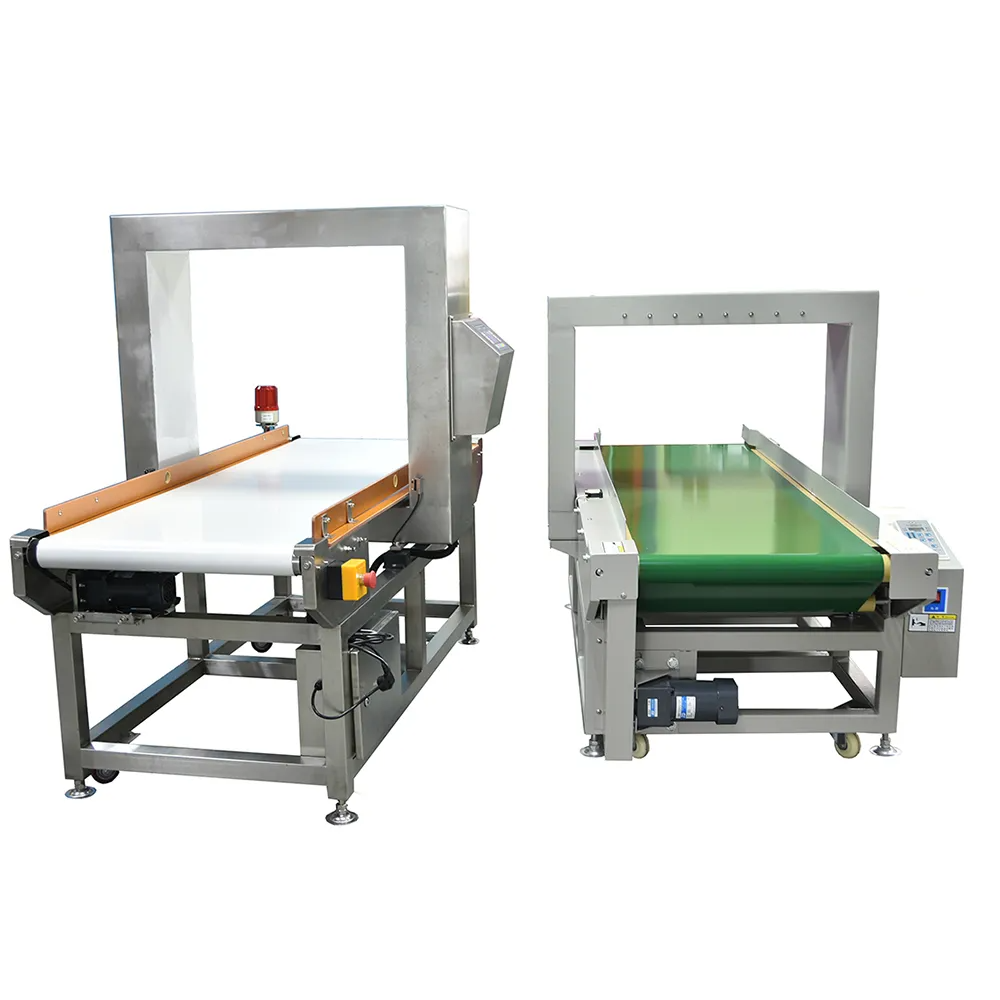
Heavy-duty needle detector units are critical investments for any textile production facility. These sophisticated machines protect consumers and maintain brand reputation by identifying broken needles and metal contaminants in garments before they reach the market. However, like all precision equipment, a needle detector requires consistent preventive maintenance to operate at peak performance and avoid costly downtime. Establishing a structured maintenance checklist ensures your textile safety equipment remains reliable, accurate, and compliant with industry standards.
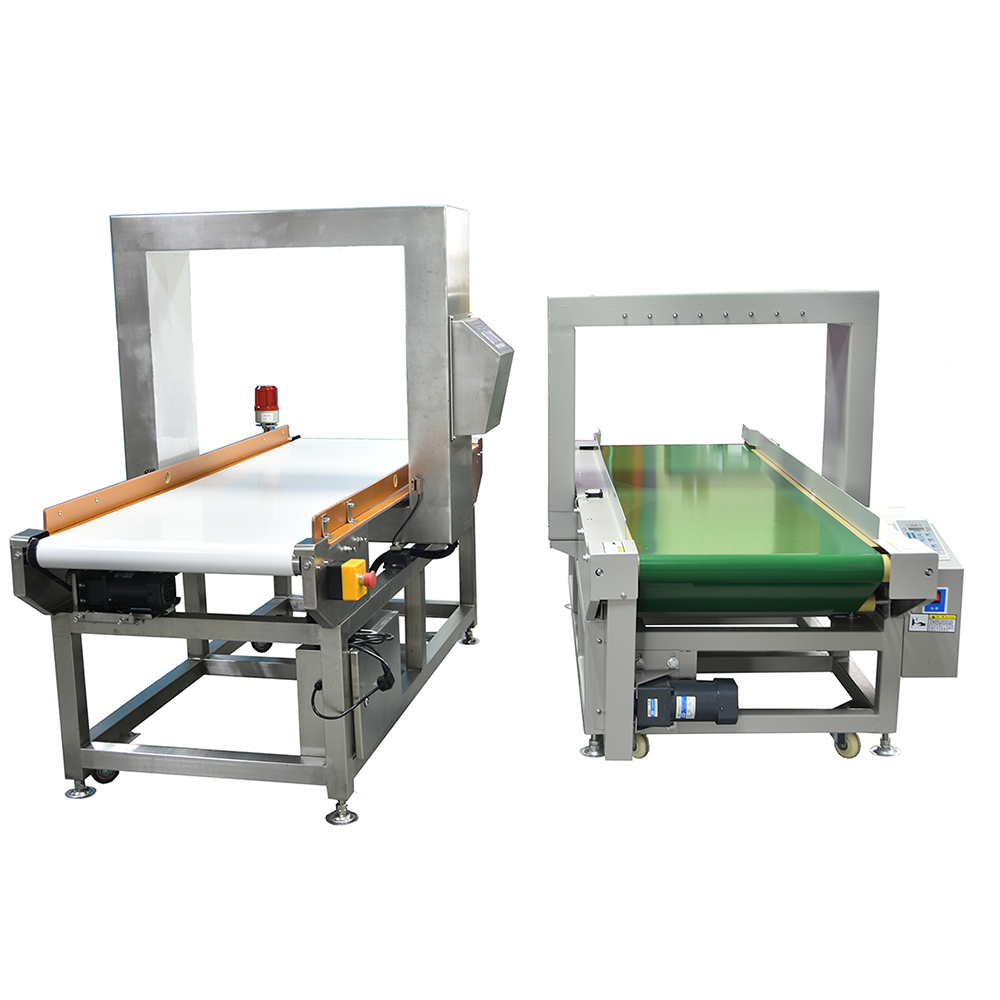
Preventive maintenance transforms how organizations approach broken needle detection and garment inspection. Rather than addressing failures reactively, a proactive checklist identifies wear patterns, recalibrates sensors, and replaces worn components before problems compromise product quality. This approach significantly extends the lifespan of your needle detector while reducing emergency repairs that disrupt production schedules and increase operational costs. Organizations that implement systematic maintenance protocols experience fewer false negatives, improved detection accuracy, and stronger confidence in their textile safety equipment performance.
Daily and Weekly Inspection Routines
Visual and Operational Checks
Begin every production day with a quick visual inspection of your needle detector unit. Check for visible dust accumulation, loose cables, or physical damage to the machine housing. Inspect the conveyor belt or garment feed mechanism for proper alignment and smooth operation. Press the power button and listen for normal startup sounds; unusual noises often signal internal wear. Run a test cycle with a known sample garment to confirm the unit detects simulated defects. This quick operational test validates that your garment inspection equipment responds correctly and builds confidence before processing production batches.
Sensor and Detection Area Maintenance
The detection chamber and sensor ports require attention at least twice weekly. Use a soft, lint-free cloth to gently wipe external sensor windows and detection zones. Avoid aggressive scrubbing that could scratch optical surfaces. Check for fiber, thread, or lint buildup inside the detection area, which degrades sensor accuracy and increases false signals. Remove any visible debris using compressed air at low pressure, never directly touching internal components. Proper garment inspection depends on clean, unobstructed sensor pathways; this simple preventive step eliminates the primary cause of performance degradation in needle detector equipment.
Monthly Deep Maintenance Procedures
Calibration and Signal Testing
Once monthly, perform formal calibration using your needle detector manufacturer's approved test kit. This involves running standard metal reference samples through the detection zone and verifying sensitivity settings match documented baseline values. Recalibration ensures consistent broken needle detection across all production runs and prevents performance drift that compounds over time. Document all calibration results in a maintenance log, noting any adjustments made. If test results deviate significantly from baseline specifications, contact technical support before returning the unit to production. This structured approach to textile safety equipment validation maintains the high detection accuracy your quality standards demand.
Belt and Drive Component Inspection
Examine conveyor belts, rollers, and drive mechanisms for wear, cracking, or misalignment during monthly maintenance windows. Check belt tension using the manufacturer's recommended measurement tool; improper tension causes uneven garment transport and detection inconsistencies. Inspect roller bearings for smooth rotation and listen for grinding or squeaking sounds. Lubricate specified points according to the maintenance manual using only approved lubricants; over-lubrication attracts dust and creates contamination. Properly maintained drive components ensure consistent garment positioning through the detection zone, directly supporting accurate needle detector performance and reliable broken needle detection results.
Quarterly and Annual Deep Service
Internal Component Inspection and Replacement
Every three months, schedule a more thorough internal inspection of your needle detector. Remove access panels as specified by the manufacturer and visually inspect circuit boards, connectors, and wiring for corrosion, loose connections, or thermal damage. Check LED indicators for proper illumination. Look for accumulated dust on electronic components and use specialized electronics-safe compressed air to remove buildup. Test all indicator lights and alarm systems to confirm functional status. Replace air filters if equipped, as clean airflow prevents heat accumulation that stresses sensitive electronics. This comprehensive textile safety equipment inspection catches developing issues before they compromise detection capability or cause equipment failure.
Sensor Replacement and Recertification
Needle detector sensors gradually lose sensitivity over time through normal use and environmental exposure. Annual replacement of sensor elements maintains the consistent broken needle detection performance your production quality requires. Follow the manufacturer's sensor replacement procedure exactly, taking care to maintain proper alignment and seating. After installation, run the full calibration protocol described in quarterly procedures to establish new baseline values. Keep detailed records of sensor replacement dates and associated calibration data. When properly maintained, textile safety equipment delivers reliable performance; neglecting sensor maintenance is the primary cause of declining detection rates and unexpected production holds for contamination concerns.
Environmental and Operational Considerations
The environment surrounding your needle detector directly impacts maintenance frequency and equipment longevity. Facilities with high humidity, significant dust generation, or temperature extremes require more frequent cleaning and calibration checks. Keep the detector in a climate-controlled area when possible, as temperature fluctuations affect sensor accuracy and electronic stability. Ensure adequate airflow around the unit to prevent heat buildup; blocked vents reduce sensor sensitivity and accelerate component wear. Minimize vibration from adjacent machinery by ensuring proper installation leveling and isolation. Document your facility's environmental conditions in the maintenance log; this contextual information helps anticipate maintenance needs and supports troubleshooting when performance questions arise. Proper environmental management extends needle detector lifespan and reduces the total cost of ownership.
Record Keeping and Compliance Documentation
Maintain detailed records for every maintenance action performed on your garment inspection equipment. Document the date, specific procedures performed, any components replaced, calibration results, and technician name for all activities. This comprehensive log serves multiple purposes: it provides evidence of due diligence for quality audits, supports troubleshooting when issues arise, and documents patterns that predict future maintenance needs. Many industries require proof of regular needle detector maintenance and broken needle detection validation for regulatory compliance and customer audits. Digital or physical maintenance logs demonstrate commitment to textile safety equipment reliability and product quality assurance. Review these records quarterly to identify trends, refine maintenance schedules, and optimize resource allocation across your maintenance program.
FAQ
How often should I perform full calibration on my needle detector?
Full calibration of your needle detector should occur monthly at minimum, with additional calibration after any component replacement, environmental stress, or detection performance concerns. More frequent calibration in high-volume production facilities or challenging environments may be warranted. Regular broken needle detection validation ensures consistent accuracy and supports quality compliance documentation.
What are the warning signs that my needle detector needs immediate service?
Warning signs include increasing false alarms, failure to detect known defects, unusual grinding or squeaking noises, visible corrosion around connectors, inconsistent detection zones, or error messages during startup. If your garment inspection equipment exhibits any of these symptoms, remove it from production and contact technical support before returning to service. Continued operation with these issues compromises textile safety equipment reliability and product protection.
Can preventive maintenance reduce my needle detector operating costs?
Yes, preventive maintenance significantly reduces overall operating costs by extending equipment lifespan, minimizing emergency repairs, preventing production downtime, and maintaining optimal detection performance. Organizations investing in systematic maintenance protocols experience lower cost-per-unit-produced and improved return on their textile safety equipment investment compared to reactive maintenance approaches.