 EN
EN

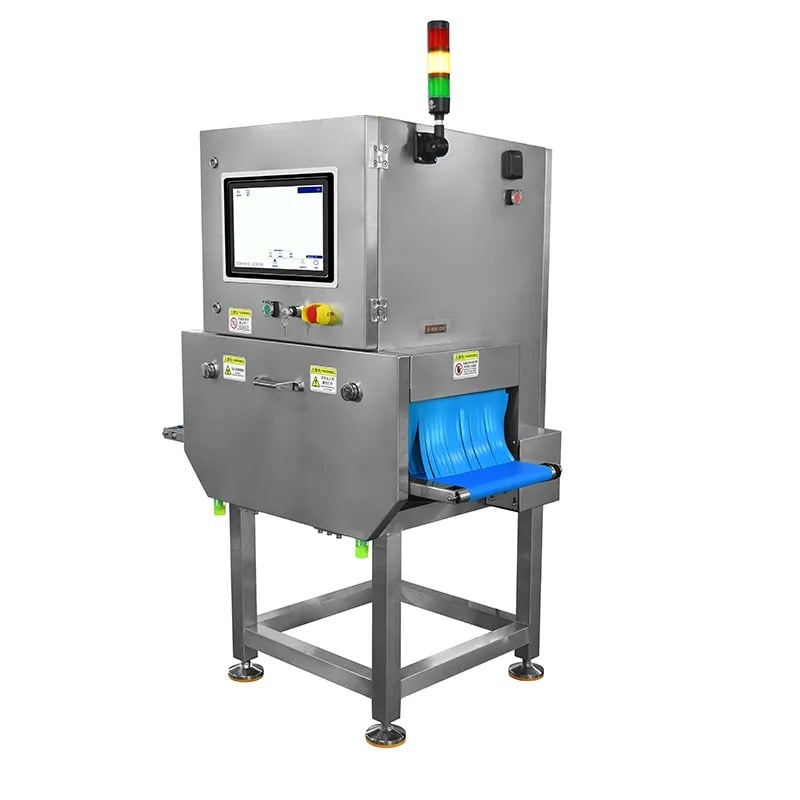
Remote diagnostics capabilities have become essential for modern x ray inspection systems, enabling manufacturers to monitor equipment performance across distributed networks without on-site technician presence. As production facilities grow increasingly complex and geographically dispersed, the ability to diagnose system failures, optimize performance, and predict maintenance needs from a central location has transformed operational efficiency in quality assurance workflows. This integration bridges the gap between hardware reliability and data accessibility, allowing production teams to maintain consistent output while reducing downtime and operational costs.
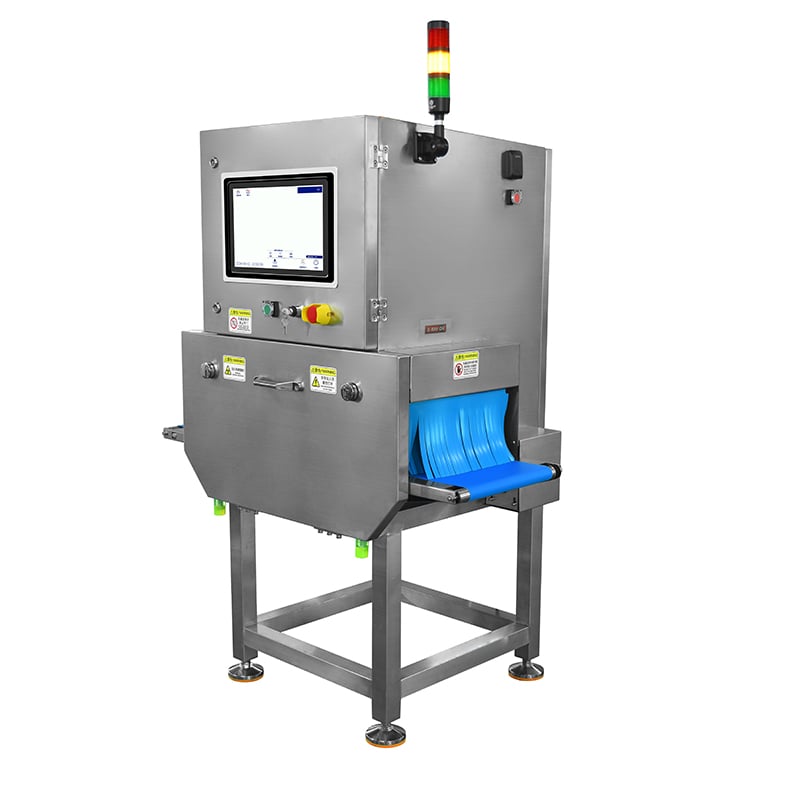
Food processing, pharmaceutical, and electronics manufacturers rely heavily on packaging inspection equipment to ensure product safety and regulatory compliance. When quality assurance systems encounter issues, every minute of downtime directly impacts production schedules and revenue. Remote diagnostics transforms this challenge by providing real-time visibility into system health, allowing technicians to troubleshoot problems before they escalate into costly shutdowns. The integration of remote capabilities into x ray inspection systems networks represents a fundamental shift in how industrial quality control operates in the modern manufacturing environment.
Understanding Remote Diagnostics Architecture
Core Components of Connected Systems
Remote diagnostics for x ray inspection systems relies on a layered architecture combining hardware sensors, communication protocols, cloud infrastructure, and analytical software. Each food scanner unit sends continuous performance data including image quality metrics, detector sensitivity readings, power consumption patterns, and operational anomalies to centralized monitoring platforms. This continuous data stream enables quality assurance teams to establish baseline performance profiles and immediately detect deviations that indicate emerging problems. Packaging inspection systems equipped with remote diagnostics can flag issues such as detector drift, calibration loss, or mechanical misalignment before they compromise product quality or regulatory compliance.
Network Integration Requirements
Successful integration of remote diagnostics into existing x ray inspection systems networks demands robust communication infrastructure and cybersecurity protocols. Manufacturing facilities must establish secure data transmission channels, implement encryption standards, and ensure compliance with industry regulations governing sensitive operational data. The food scanner integration process typically involves installing edge computing devices that preprocess data locally before transmitting summaries to cloud platforms, reducing bandwidth requirements while maintaining diagnostic accuracy. Packaging inspection systems benefit from network redundancy features that preserve data continuity even during temporary connectivity interruptions, ensuring continuous quality assurance monitoring.
Operational Benefits and Performance Enhancement
Predictive Maintenance and Downtime Reduction
Remote diagnostics empowers quality assurance managers to shift from reactive maintenance strategies to predictive approaches that prevent failures before they occur. By analyzing historical performance patterns and real-time sensor data, x ray inspection systems can alert maintenance teams when components approach end-of-life thresholds, allowing planned replacement during scheduled downtime rather than emergency repairs during production hours. Food scanner systems equipped with predictive analytics capabilities reduce unplanned downtime by 40 to 60 percent, directly protecting production schedules and revenue streams. This proactive maintenance posture also extends equipment lifespan by preventing cascading failures that result from operating degraded components.
Enhanced Quality Assurance Monitoring
Packaging inspection systems integrated with remote diagnostics provide continuous visibility into detection accuracy, image consistency, and system calibration status. Quality assurance teams can establish automated alerts that notify supervisors when image quality degrades, detection sensitivity drifts, or calibration drift exceeds predefined thresholds. This real-time monitoring capability ensures that defective products do not reach consumers and helps manufacturers maintain compliance with regulatory standards including FDA requirements for food safety and pharmaceutical tracking. Remote access to diagnostic data allows quality assurance personnel to investigate issues comprehensively without requiring immediate on-site presence, accelerating root cause analysis and corrective action implementation.
Implementation Strategies and Integration Challenges
Network Architecture Planning
Integrating remote diagnostics into existing x ray inspection systems networks requires careful planning to balance performance, security, and cost considerations. Manufacturers must evaluate cloud versus on-premise data storage options, determine appropriate data refresh rates for different system parameters, and design network topologies that support reliable communication from production facilities to monitoring centers. Food scanner deployments in remote locations or facilities with limited bandwidth must utilize data compression techniques and edge computing capabilities to maintain diagnostic effectiveness without overwhelming network infrastructure. Packaging inspection systems in multi-facility operations benefit from hierarchical network structures that aggregate data from individual units through regional hubs before transmitting to centralized analysis platforms.
Cybersecurity and Data Protection
Remote diagnostics introduces new security considerations that manufacturing operations must address systematically. X ray inspection systems connected to external networks become potential targets for cyber threats, requiring comprehensive security frameworks including endpoint protection, network segmentation, and access control mechanisms. Food scanner systems and packaging inspection equipment must comply with industry-specific cybersecurity standards that protect both operational technology and proprietary manufacturing data. Implementing secure authentication protocols, encrypting data in transit and at rest, and conducting regular security audits ensures that remote diagnostics capabilities enhance operational efficiency without compromising facility security or product integrity.
FAQ
How does remote diagnostics improve quality assurance efficiency?
Remote diagnostics provides real-time visibility into x ray inspection systems performance, allowing quality assurance teams to identify calibration drift, detector sensitivity issues, and image quality degradation immediately. This continuous monitoring capability enables faster detection and correction of problems that would otherwise compromise packaging inspection accuracy or food scanner reliability. By automating routine monitoring tasks, remote diagnostics allows quality assurance personnel to focus on higher-level analysis and process optimization rather than manual system checks.
What infrastructure changes are required for integrating remote diagnostics?
Most existing x ray inspection systems can be retrofitted with remote diagnostics capabilities through edge computing devices and secure communication gateways that connect to centralized monitoring platforms. Food scanner units and packaging inspection equipment typically require software updates and network connectivity establishment, but do not necessitate complete hardware replacement. Manufacturing facilities should evaluate their current network capacity, cybersecurity posture, and data management infrastructure to determine integration feasibility and identify any upgrades needed to support reliable remote diagnostics operation.
Can remote diagnostics reduce maintenance costs for x ray inspection systems?
Yes, remote diagnostics significantly reduces maintenance expenses by enabling predictive maintenance strategies that prevent costly emergency repairs and equipment failures. By identifying component degradation early, food scanner operators and packaging inspection supervisors can schedule maintenance during planned downtime rather than experiencing surprise breakdowns that disrupt production. Reduced downtime, extended equipment lifespan, and more efficient technician dispatch all contribute to substantial cost savings that typically offset remote diagnostics implementation investments within the first year of operation.