 EN
EN


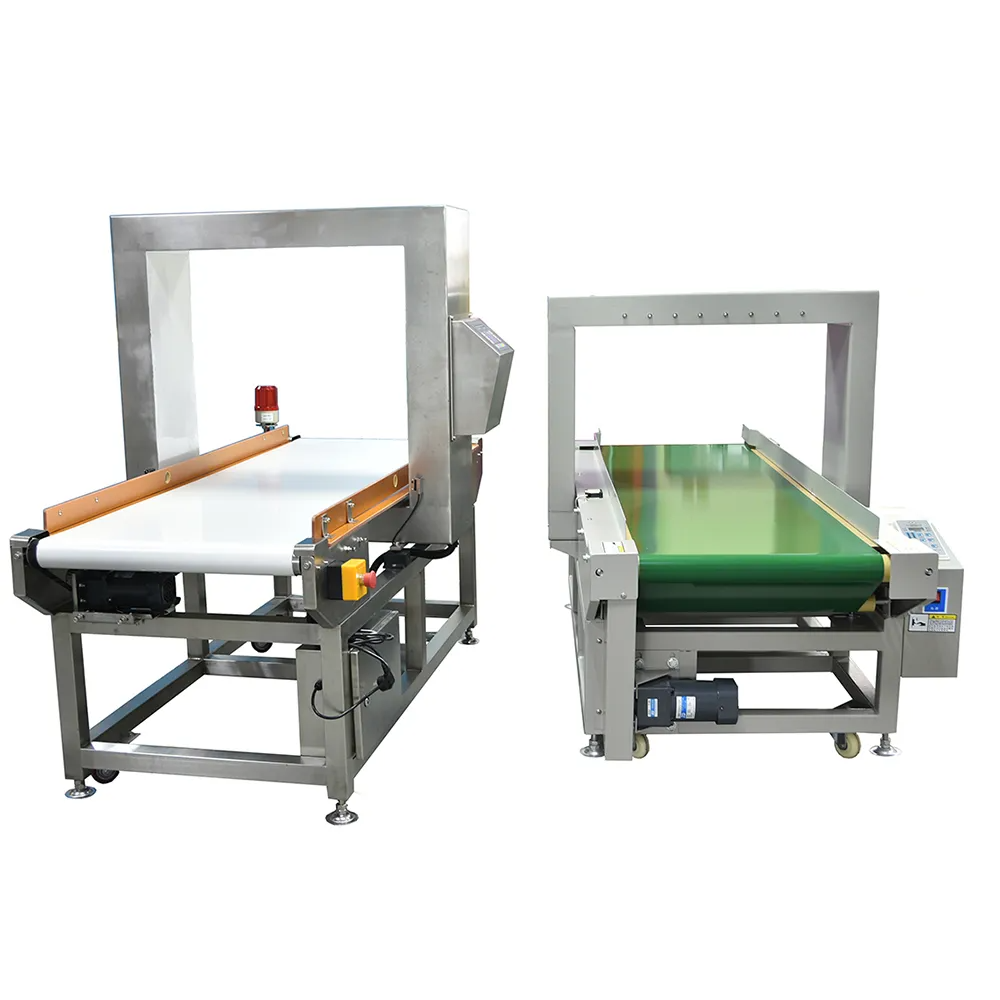
Calibration drift in a needle detector is one of the most challenging issues operators face in textile production environments. When sensitivity settings shift over time, detection accuracy declines, creating significant risks for both product quality and worker safety. Understanding the root causes of this drift and implementing systematic troubleshooting protocols helps manufacturers maintain reliable garment inspection and broken needle detection throughout production runs.
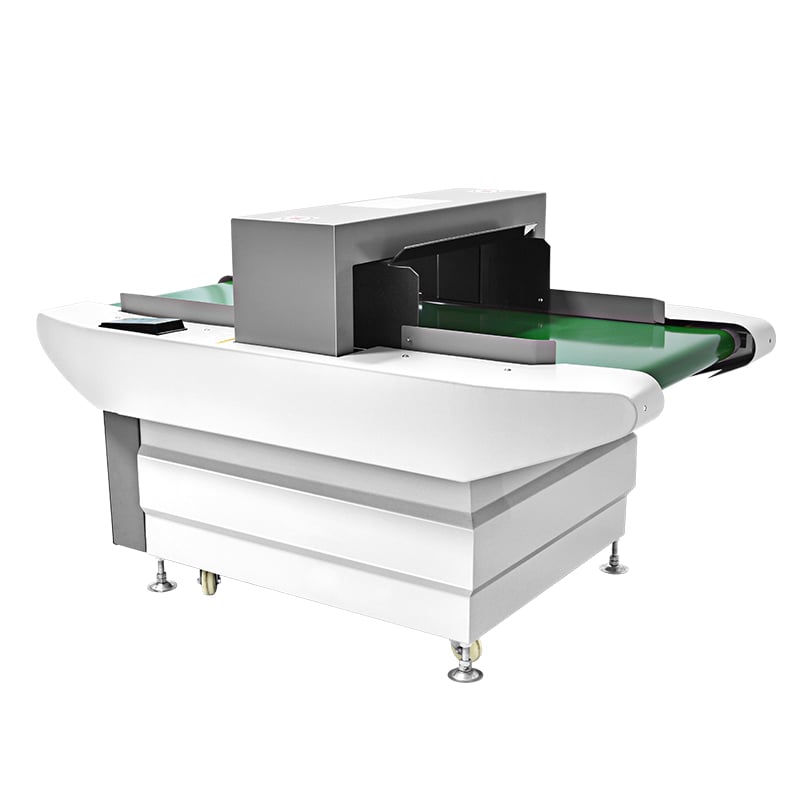
High sensitivity needle detectors operate through electromagnetic field analysis, making them sensitive to environmental factors that affect calibration stability. Temperature fluctuations, electromagnetic interference, power supply variations, and physical wear on sensor components all contribute to performance degradation. By recognizing early warning signs and applying evidence-based troubleshooting methods, textile safety equipment operators can restore detection precision and prevent costly contamination incidents.
Understanding Calibration Drift Mechanisms
Environmental Factor Impact
Temperature is the primary driver of calibration drift in needle detection systems. Electronic sensors respond to thermal changes by expanding or contracting, which shifts the baseline electromagnetic field reference. A 10-degree Celsius temperature swing can cause measurable sensitivity changes that compromise broken needle detection performance. Humidity levels, while often overlooked, also affect the dielectric properties of detection circuits, introducing subtle but cumulative drift over weeks of continuous operation.
Electromagnetic interference from adjacent machinery amplifies calibration problems significantly. Motors, welding equipment, and radio frequency systems emit radiation that disrupts the stabilized electromagnetic field your needle detector relies upon for consistent operation. Industrial facilities with high electrical noise often experience more frequent recalibration needs than controlled environments, making environmental shielding a critical component of textile safety equipment maintenance protocols.
Component Degradation Patterns
Sensor coil aging is inevitable in long-running garment inspection applications. The copper windings gradually oxidize, resistance increases, and the electromagnetic field strength weakens over thousands of operating hours. This gradual degradation mimics calibration drift because detection sensitivity appears to decline evenly across all detection thresholds. Recognizing whether drift comes from environmental interference or actual component wear determines whether recalibration or replacement is the appropriate solution.
Diagnostic Procedures for Needle Detector Calibration Issues
Systematic Testing Workflow
Begin your troubleshooting with environmental baseline assessment. Record ambient temperature, relative humidity, and power supply voltage before initiating any tests with your needle detector. Run standardized test objects of known size through the detection tunnel, documenting pass or fail results at each sensitivity setting. Compare current performance against historical baseline data to quantify drift magnitude rather than relying on operator observation alone.
Perform isolation tests to distinguish environmental causes from internal component issues. Move the needle detector away from major electrical equipment, or operate it during facility downtime when electromagnetic interference is minimal. If detection accuracy improves dramatically, external interference is your primary culprit, and shielding or relocation becomes your solution rather than internal recalibration or component replacement for your garment inspection workflow.
Calibration Reference Standards
Maintain a dedicated set of reference test objects specifically calibrated for your needle detector model. These standards must remain environmentally controlled and physically handled minimally to prevent dimensional changes that introduce false calibration drift readings. Use test needles of exact diameter specifications your needle detection system was engineered to identify, ensuring that apparent sensitivity loss reflects actual equipment degradation rather than human error in test methodology.
Document each calibration cycle with timestamp, ambient conditions, test object results, and sensitivity adjustments made. This historical record reveals patterns in drift behavior, helping predict maintenance intervals and distinguish between predictable environmental drift and unexpected component failure. Textile safety equipment performance tracking through systematic documentation transforms reactive troubleshooting into proactive maintenance planning.
Corrective Actions and Prevention Strategies
Recalibration Best Practices
Always recalibrate your needle detector during stable environmental conditions, ideally when facility temperature has remained constant for at least two hours. Recalibrate during low-activity periods when electromagnetic noise from surrounding equipment is minimal. Follow manufacturer calibration sequences precisely, as skipping steps or taking shortcuts undermines accuracy even if the procedure appears to produce acceptable results initially during broken needle detection operations.
Implement progressive sensitivity adjustment rather than making large single changes. Adjust sensitivity incrementally by ten percent increments, test with reference standards between each adjustment, and stabilize at the minimum sensitivity that reliably detects broken needles in your garment types. This methodical approach prevents over-correction that masks underlying component degradation and helps identify whether your needle detector truly requires service intervention.
Long-Term Stability Enhancement
Install environmental controls in proximity to your needle detector installation to minimize temperature fluctuation. A temperature variance of plus or minus three degrees Celsius is standard; facilities achieving one-degree stability see significantly reduced recalibration frequency. Climate-controlled machine rooms represent substantial capital investment but deliver measurable improvements in textile safety equipment reliability and operator productivity for garment inspection duties.
Apply electromagnetic shielding around the needle detector unit using standard faraday cage materials or purpose-built shielding accessories. Position power cords for detection equipment away from high-current machinery circuits, and consider independent power conditioning systems that stabilize voltage within precise tolerances. These infrastructure investments address drift causes rather than treating symptoms, transforming your needle detector from a troublesome component into stable, consistent detection equipment.
FAQ
How often should I recalibrate a needle detector to prevent drift issues?
Recalibration frequency depends on your specific operating environment, but most textile manufacturers perform full calibration every seven to fourteen days during active production. If your facility maintains stable temperature and low electromagnetic interference, monthly calibration may suffice. Monitor broken needle detection performance continuously through test runs, and recalibrate whenever detection consistency shows visible decline regardless of schedule.
Can environmental shielding reduce calibration drift requirements for garment inspection equipment?
Yes, proper environmental shielding significantly reduces drift by eliminating external electromagnetic interference sources that destabilize needle detector sensitivity. Combining thermal insulation with faraday shielding and dedicated power circuits addresses the three primary environmental causes of calibration drift. Facilities implementing comprehensive shielding often reduce recalibration frequency by fifty percent while improving detection accuracy and needle detection system reliability.
What indicates that my needle detector requires component replacement rather than simple recalibration?
If recalibration no longer restores consistent broken needle detection performance, or if sensitivity settings drift continuously even shortly after recalibration completion, internal component degradation is likely occurring. Test reference objects should produce identical results repeatedly; if they don't, sensor coil deterioration has progressed beyond what calibration adjustment can compensate. Contact your textile safety equipment manufacturer for service assessment when recalibration becomes ineffective.