 EN
EN


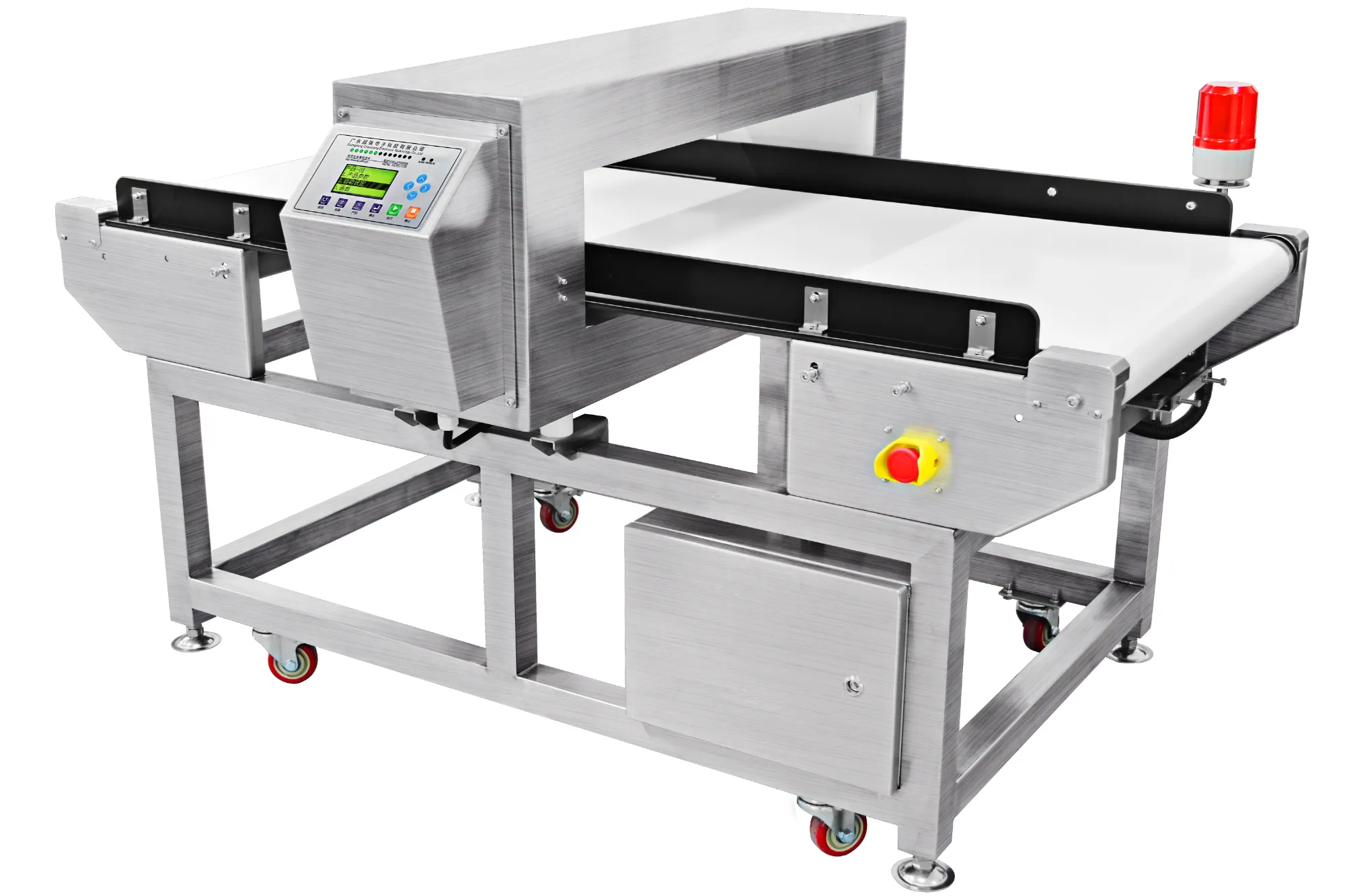
An industrial metal detector operates at the intersection of precision and durability. In demanding factory environments, these systems face continuous mechanical stress from vibration, impact, and operational shock. Without proper shock mounting, even the most robust heavy duty metal detector will experience signal degradation, component failure, and costly downtime. Specialized shock mounting protects the delicate sensors and electronic circuits that define performance in bulk inspection operations.
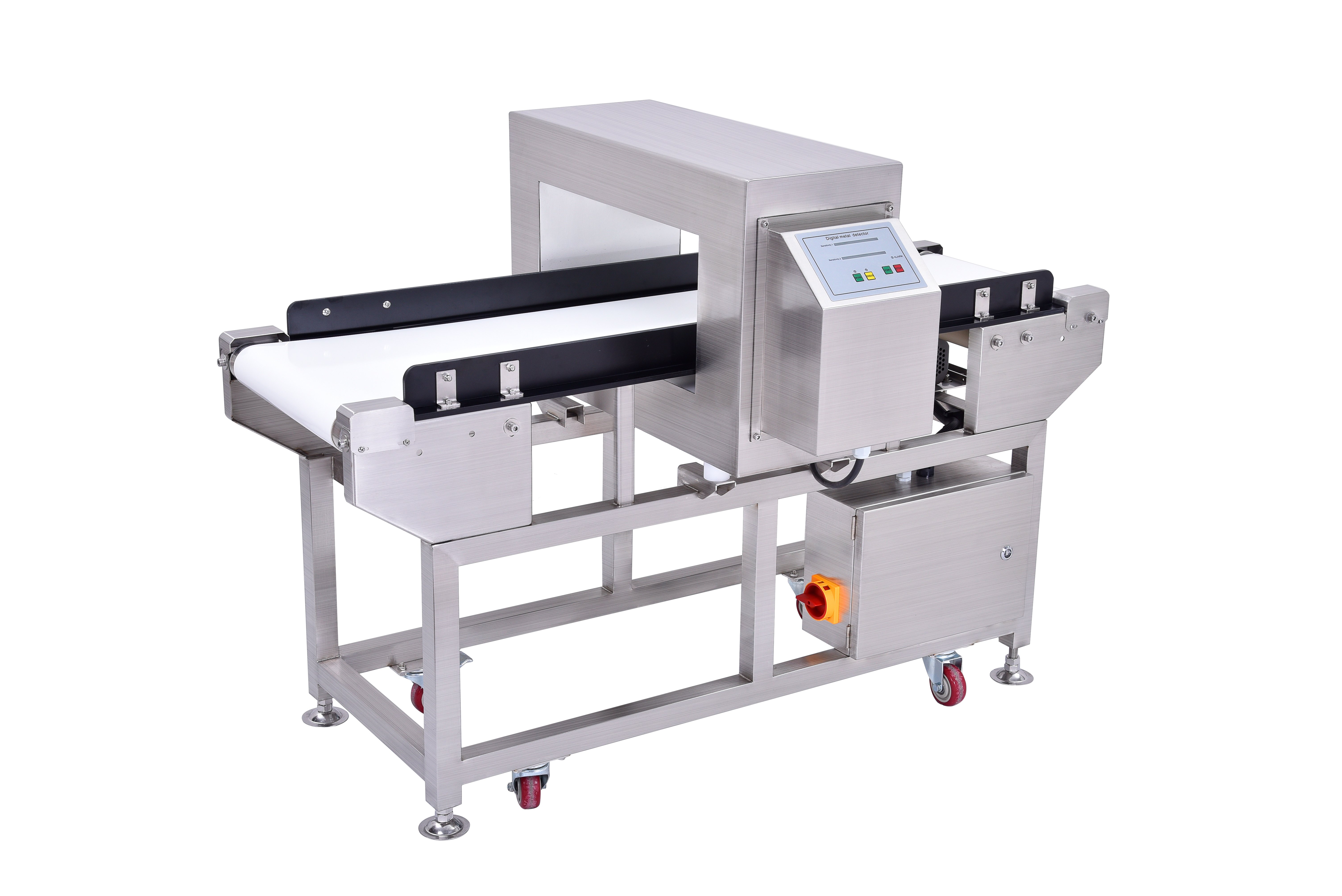
Modern factory metal detector systems generate their own vibration during operation while simultaneously facing external mechanical stress from conveyor systems, processing machinery, and handling equipment. A heavy duty metal detector installed without isolation experiences cumulative fatigue that degrades both mechanical integrity and detection accuracy. Specialized shock mounting acts as a mechanical buffer, absorbing impact and vibration energy before it reaches critical internal components, thereby extending equipment lifespan and maintaining stable performance across thousands of inspection cycles.
Understanding Vibration Impact on Detection Accuracy
How Mechanical Stress Compromises Sensor Performance
Every factory metal detector contains precision sensors calibrated to detect minute electromagnetic changes. Continuous vibration causes microscopic shifts in component positioning, thermal cycling, and solder joint stress. When a heavy duty metal detector lacks adequate shock isolation, these vibrations accumulate, causing sensor drift and false positives that disrupt production. Bulk inspection reliability depends on electromagnetic stability, which deteriorates rapidly when equipment operates without proper vibration damping. The cost of false readings—product recalls, line shutdowns, and lost efficiency—far exceeds the investment in quality shock mounting systems.
Temperature Fluctuations and Mechanical Stress Interaction
Factory environments rarely maintain stable temperatures. An industrial metal detector experiences thermal expansion and contraction simultaneously with mechanical vibration, creating a compounding stress effect. Shock mounting materials absorb both thermal and mechanical energy, preventing the rapid flexing that causes component wear. Without this isolation layer, a factory metal detector's internal circuits experience thermal shock that accelerates component aging and increases failure probability. Specialized shock mounts distribute stress uniformly, protecting electronics from the dual challenge of vibration and temperature variation that characterizes heavy duty metal detector operation.
Protecting Critical Internal Components
Electronic Circuit Board Vulnerability
The core of any industrial metal detector is its electronic circuit board, containing microprocessors, capacitors, oscillators, and signal conditioning circuits. These components have solder joint fatigue limits measured in thousands of stress cycles. Without shock mounting, a heavy duty metal detector's circuit boards experience constant mechanical flexing that exceeds safe fatigue thresholds within months. Specialized shock isolation extends component lifespan from months to years by reducing cumulative stress. For bulk inspection applications where 24/7 operation is common, this protection translates directly into reduced replacement costs and predictable maintenance cycles.
Coil Assembly and Sensing Element Protection
A factory metal detector's sensing coils must maintain precise geometric alignment to function accurately. These coils are wound with tight tolerances and mounted in fixed positions relative to signal generation circuits. Mechanical vibration causes micro-movements that shift coil spacing and alignment, degrading detection sensitivity. Shock mounting preserves coil geometry by isolating the detection assembly from external vibration sources. A heavy duty metal detector operating with proper shock isolation maintains coil alignment stability that ensures consistent bulk inspection performance across extended operating periods, preventing the gradual sensitivity loss that characterizes inadequately mounted systems.
Design Principles for Effective Shock Mounting
Material Selection and Isolation Characteristics
Effective shock mounting requires materials that dissipate mechanical energy without degrading under continuous use. Elastomer compounds, spring elements, and viscoelastic materials serve this function in heavy duty metal detector applications. These materials must resist fatigue, maintain performance across temperature ranges, and support equipment weight without permanent deformation. An industrial metal detector's shock mounting system is engineered to absorb vibration frequencies typical in factory environments, typically ranging from 10 to 500 Hz. Bulk inspection operations demand consistent performance, which depends on shock mounts that maintain isolation characteristics throughout their service life, typically three to five years in demanding factory conditions.
Installation and Maintenance Requirements
Proper shock mounting installation is as critical as material selection. A factory metal detector must be mounted on isolation feet or platforms that distribute weight evenly and maintain vertical alignment. Incorrect installation allows equipment to rock or shift, negating the protective benefits of shock mounting. Maintenance involves periodic inspection for material degradation, loose fasteners, and alignment drift. For a heavy duty metal detector, routine shock mount inspection adds minimal maintenance burden but prevents catastrophic failure. Bulk inspection systems that receive quarterly shock mount inspections show 60 to 70 percent longer component lifespan compared to systems without isolation monitoring, delivering measurable return on preventive maintenance investment.
FAQ
What vibration levels cause damage to an industrial metal detector without shock mounting?
Factory environments commonly produce vibration in the 0.5 to 2.0 g acceleration range from conveyor systems and processing machinery. An industrial metal detector without shock isolation experiences component stress at these levels within weeks of continuous operation. Heavy duty metal detector sensors are sensitive to accelerations above 0.1 g, meaning unprotected systems rapidly develop signal degradation. Shock mounting systems are designed to reduce transmitted vibration to safe levels below 0.05 g, protecting internal components from stress accumulation that causes failure. For bulk inspection operations, this vibration reduction directly translates into fewer false readings and extended equipment lifespan.
How does shock mounting improve bulk inspection reliability?
Shock mounting improves bulk inspection reliability by maintaining stable operating conditions for detection circuits. A factory metal detector's accuracy depends on consistent electromagnetic field generation and sensor response, both disrupted by vibration. When a heavy duty metal detector operates on properly isolated shock mounts, signal stability increases by 30 to 40 percent compared to direct mounting on rigid surfaces. This improved stability reduces false positives that interrupt production and false negatives that allow contaminant passage. Industrial metal detector systems with effective shock isolation demonstrate measurably better detection consistency, lower rejection rates of clean product, and higher overall inspection accuracy across production runs.
Can existing factory metal detectors be retrofitted with shock mounting?
Most factory metal detector installations can be retrofitted with shock mounting systems designed for the specific equipment weight and operating environment. Retrofit shock mounts are installed beneath the industrial metal detector's existing frame, replacing direct contact with rigid flooring or conveyor surfaces. Heavy duty metal detector retrofit installation typically requires 2 to 4 hours and minimal downtime during off-shift periods. Retrofitting a bulk inspection system with proper shock mounting extends equipment life and improves performance at a fraction of replacement equipment cost. However, retrofit effectiveness depends on accurate environmental vibration assessment and correct shock mount selection matched to the specific industrial metal detector's operating weight and sensitivity requirements.