EN
EN


Product: Black insoles and shoe components
The problem: Broken needles are invisible on dark material
The fix: Yiwan 805 needle detector
Insoles go through stitching, molding, and assembly. Every step that uses a needle or a stapler is a chance for a piece of metal to stay behind.
On a black insole, you'll never see it. A white fabric might show a dark spot — black material hides everything.
But the needle is still there. And a shoe with a broken needle inside is a product that can't be sold. Or worse, it gets sold, and the customer finds it the hard way.
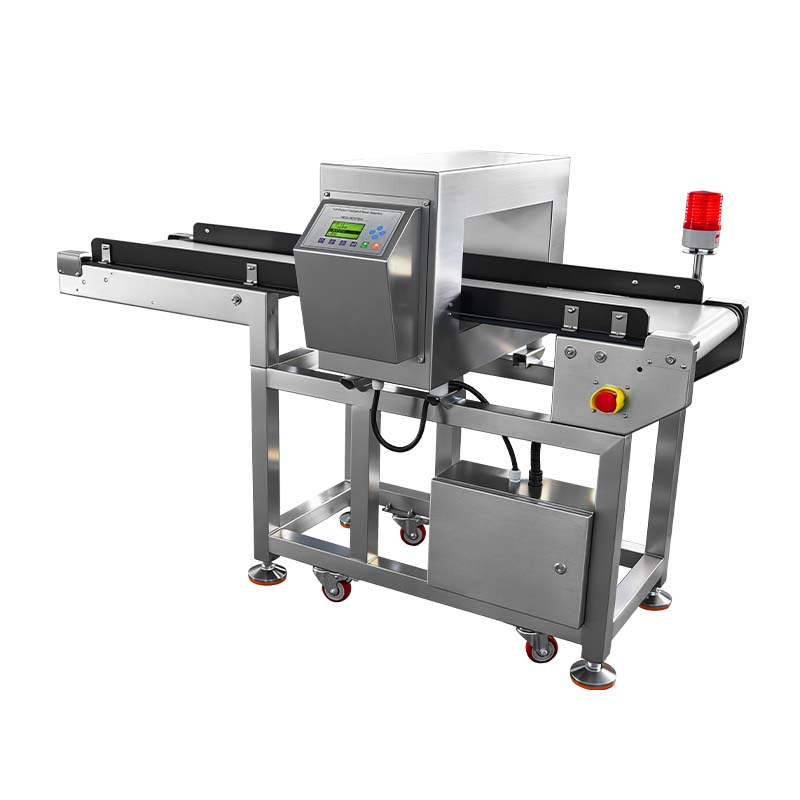
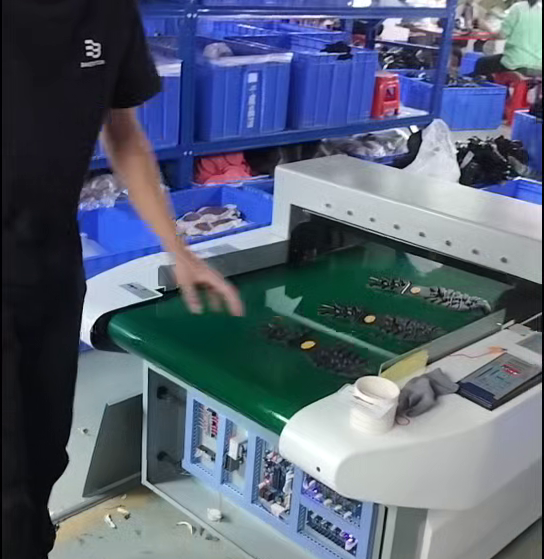
We installed a Yiwan 805 needle detector in the insole finishing area, right before packing.
The worker places each insole onto the green conveyor belt. The belt carries it into the detection tunnel, where the machine checks it with a magnetic field. Steel and iron — even a tiny needle fragment — interrupt that field, and the machine knows.
The machine doesn't care that the insole is black. It doesn't look with eyes. It looks with a magnetic field — and that can't be fooled by color.
Most shoe exporters face the same question from buyers: "Do you have needle detection?" If the answer is no, the order doesn't come.
A needle detector isn't a cost. It's the ticket to the order. For this factory, one machine at the end of the line keeps every batch sellable — and every buyer satisfied.
Making shoes or shoe parts? Let's talk about needle control. Get a free consultation →

 ONLINE