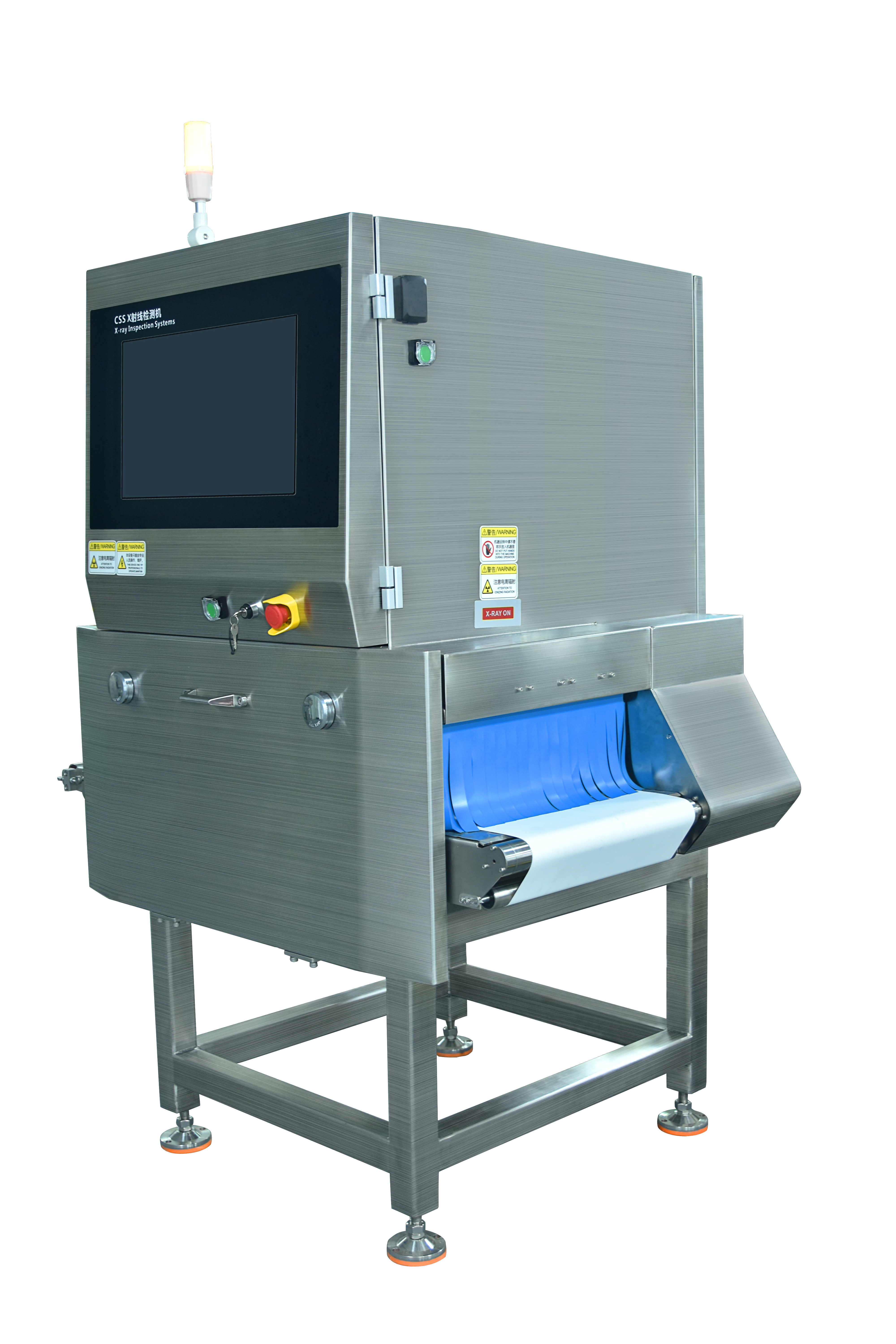
meat metal detector
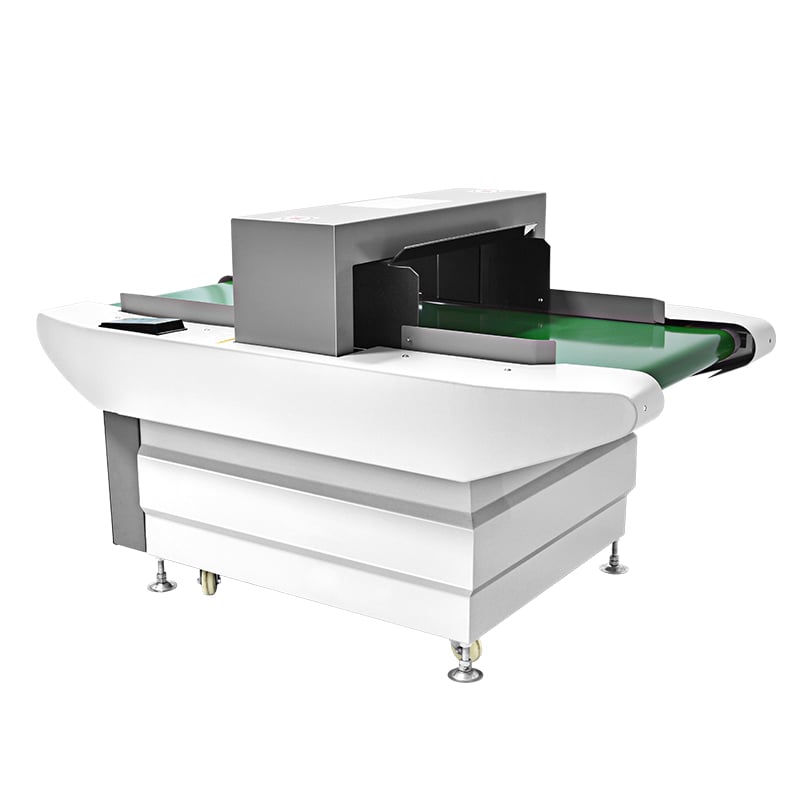
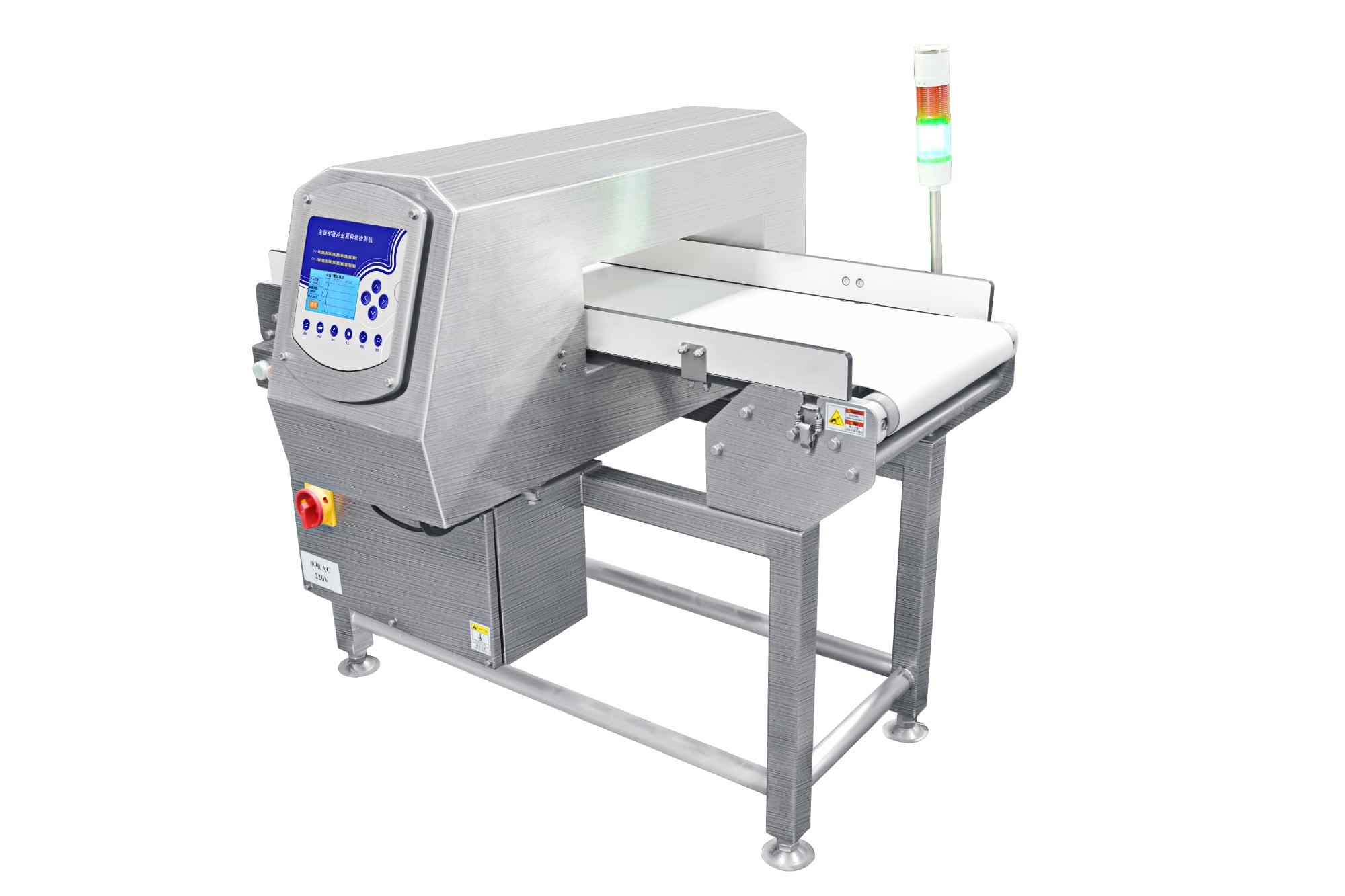
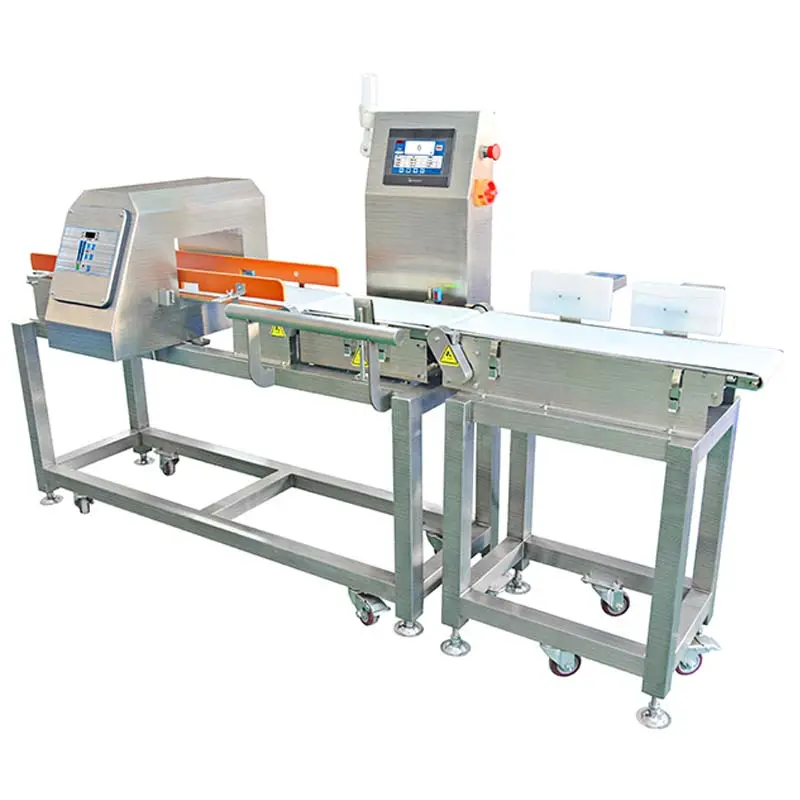
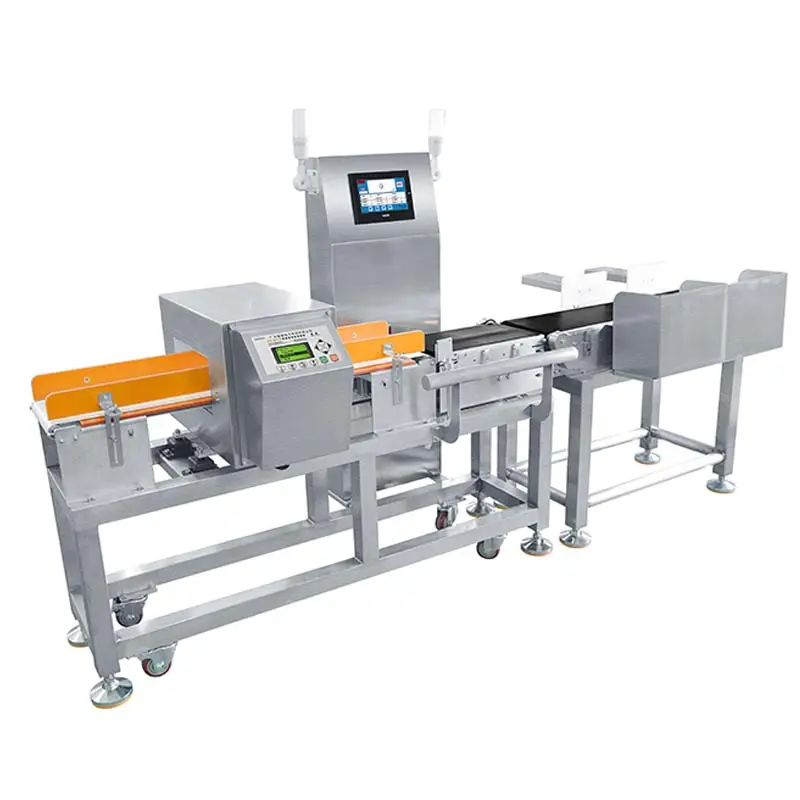
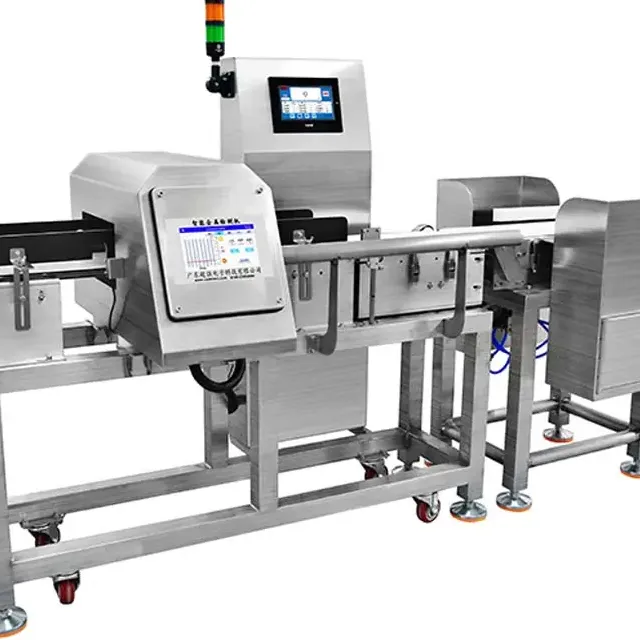
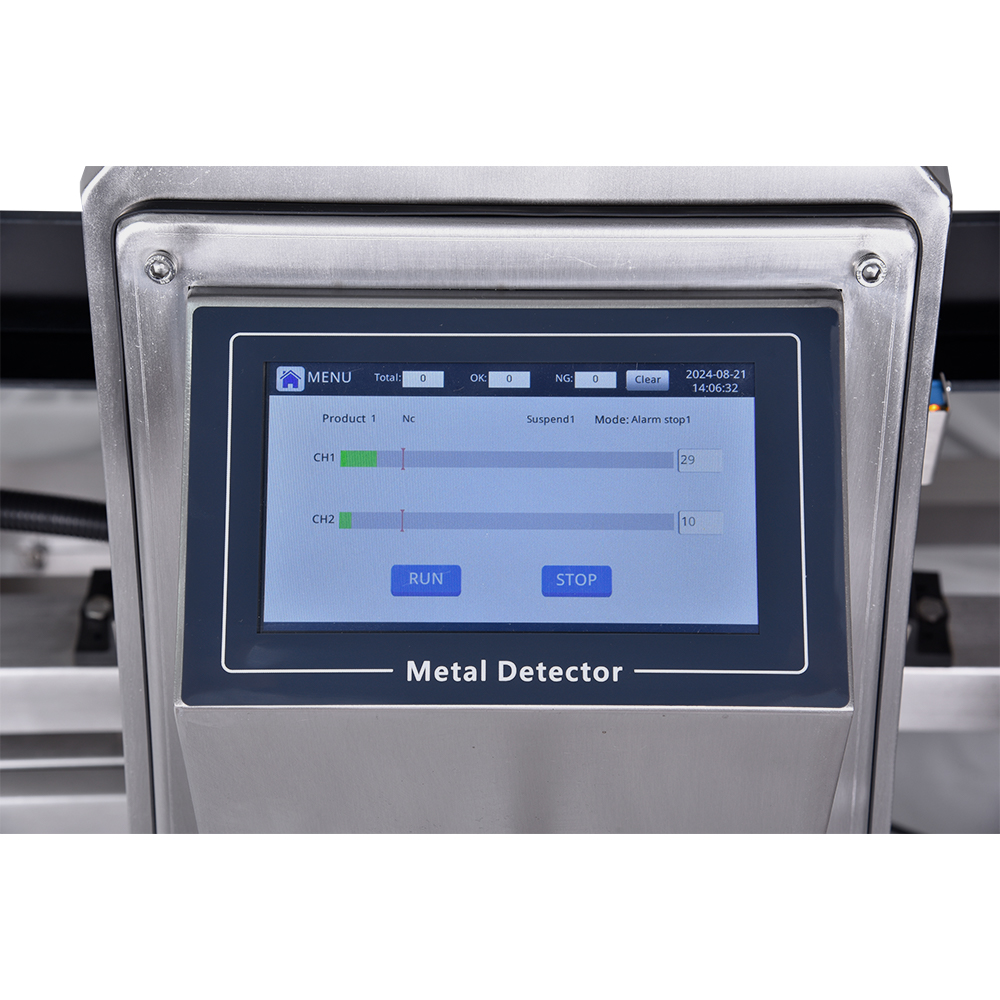
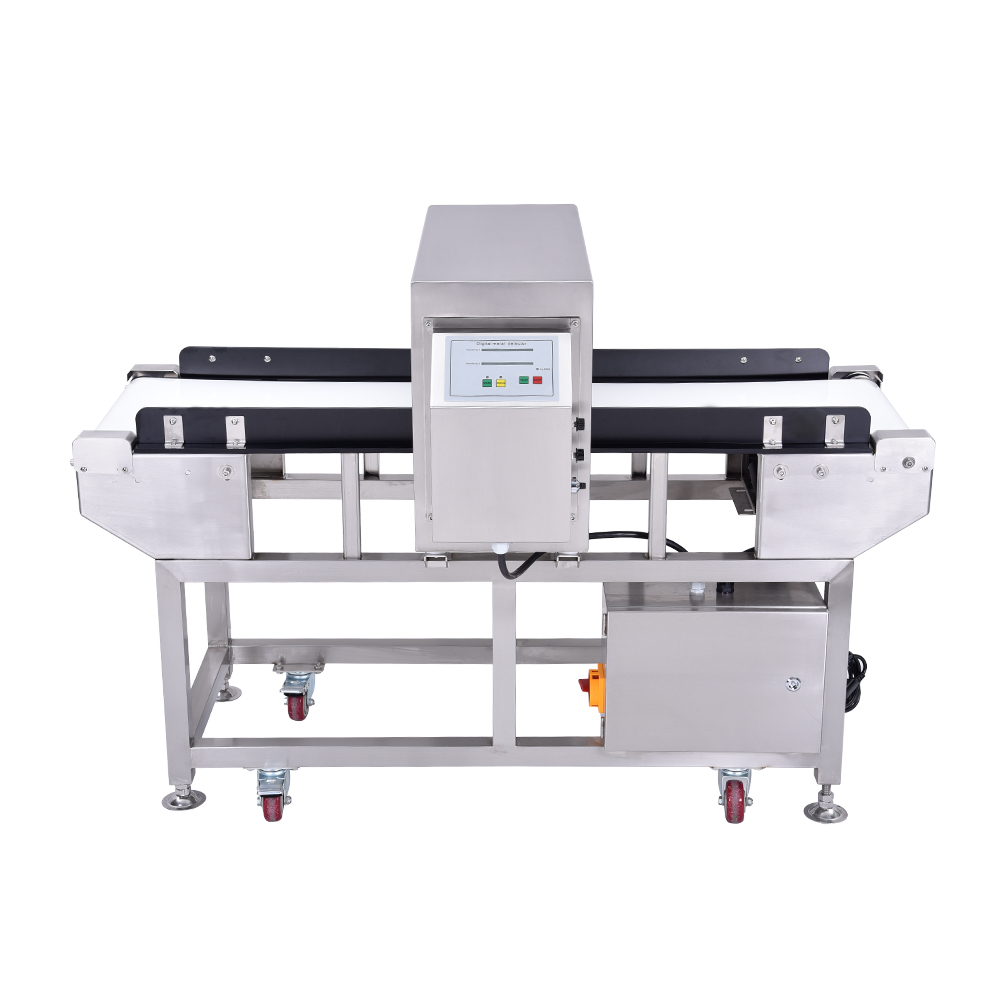
A meat metal detector is an advanced inspection system designed to identify and remove metallic contaminants from meat products during processing and packaging. This specialized equipment plays a critical role in maintaining food safety standards and protecting both consumers and manufacturers from potential hazards. The meat metal detector operates using electromagnetic technology to detect ferrous metals, non-ferrous metals, and stainless steel particles that may accidentally enter the production line. Modern meat metal detector systems feature conveyor belt integration, allowing continuous scanning of products without disrupting workflow efficiency. The primary function of a meat metal detector is to prevent contaminated meat from reaching consumers, ensuring compliance with food safety regulations and industry standards. Meat metal detectors are equipped with sensitive sensors that trigger automatic rejection mechanisms when metallic objects are detected, removing compromised products instantly. These devices accommodate various meat types, including ground meat, whole cuts, processed products, and packaged items. The technology behind meat metal detector systems includes adjustable sensitivity settings, allowing operators to customize detection thresholds based on product characteristics and safety requirements. Installation of a meat metal detector at strategic production points ensures comprehensive quality control throughout the manufacturing process. Advanced models feature touchscreen interfaces, data logging capabilities, and real-time monitoring systems. The meat metal detector represents an essential investment for meat processing facilities seeking to enhance product integrity, minimize liability, and maintain consumer trust in their brand reputation and quality assurance practices.
 EN
EN