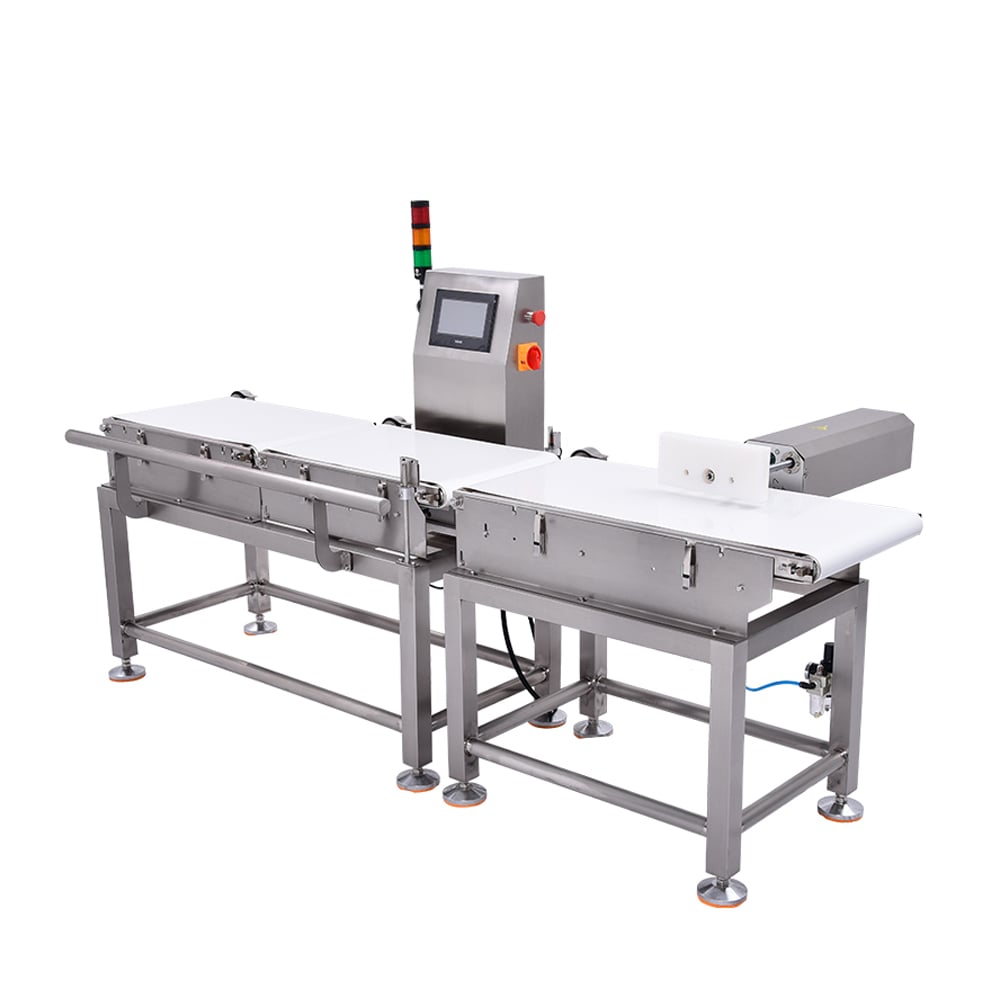
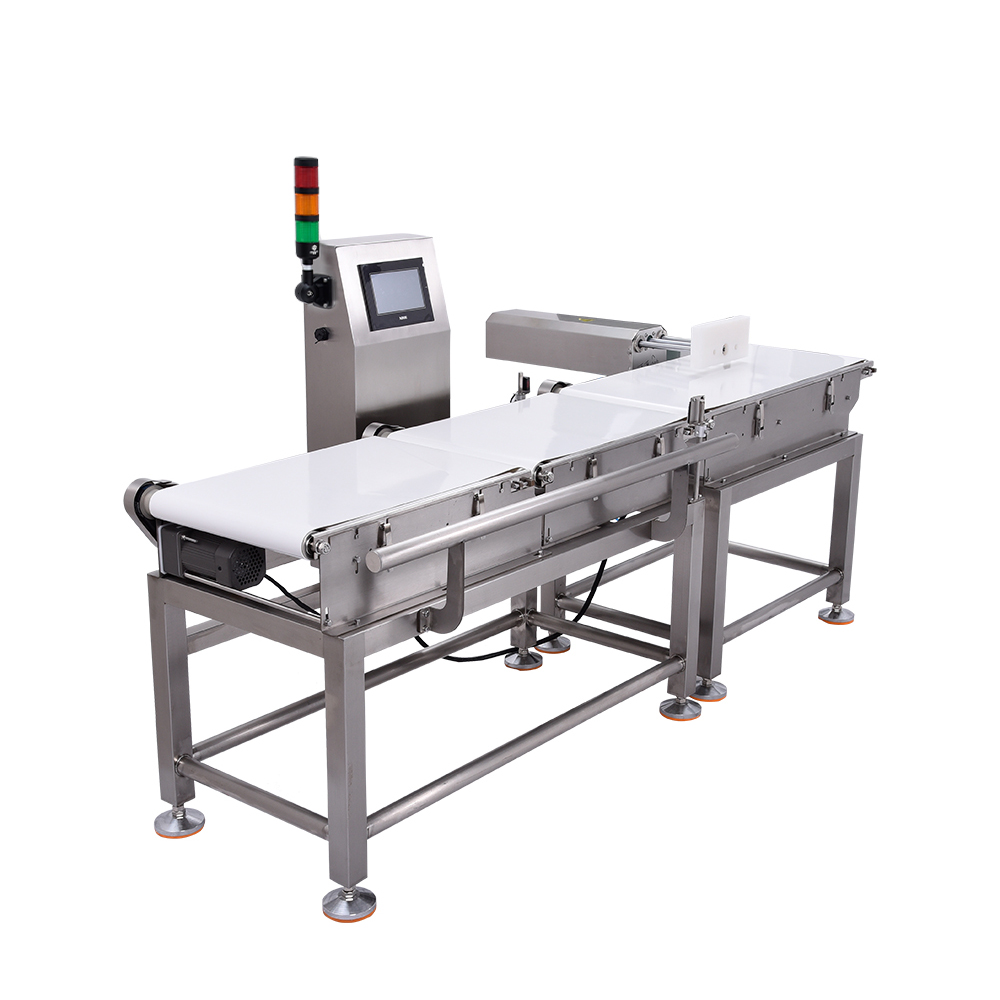
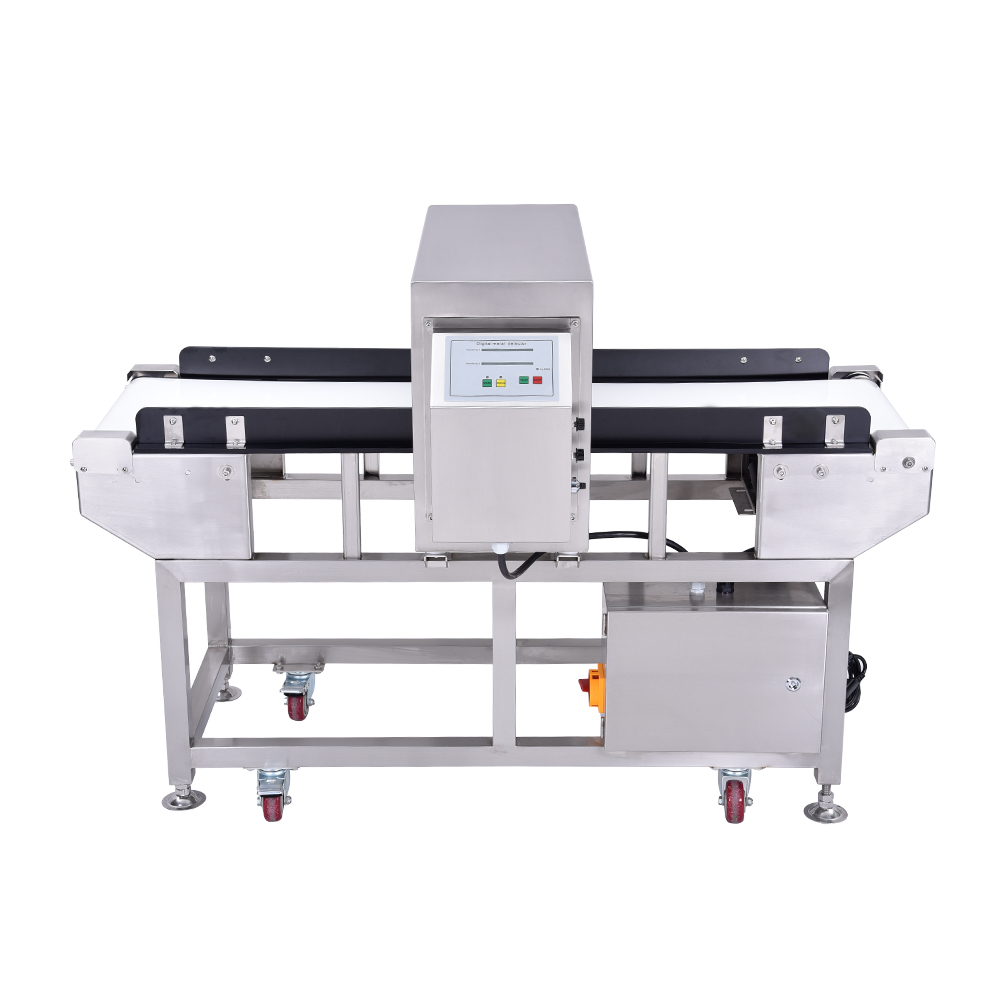
food metal detector
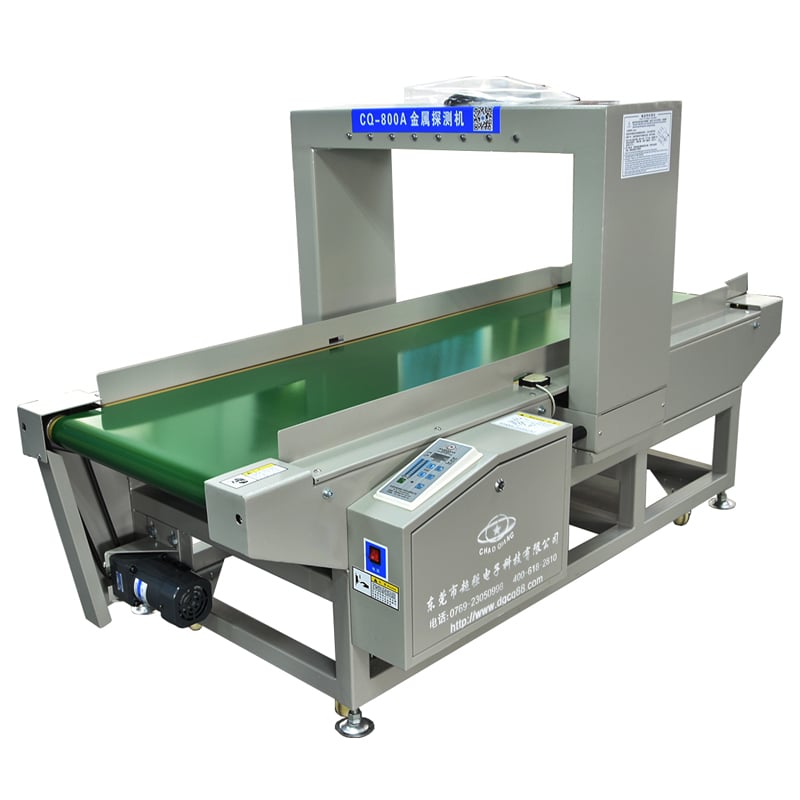
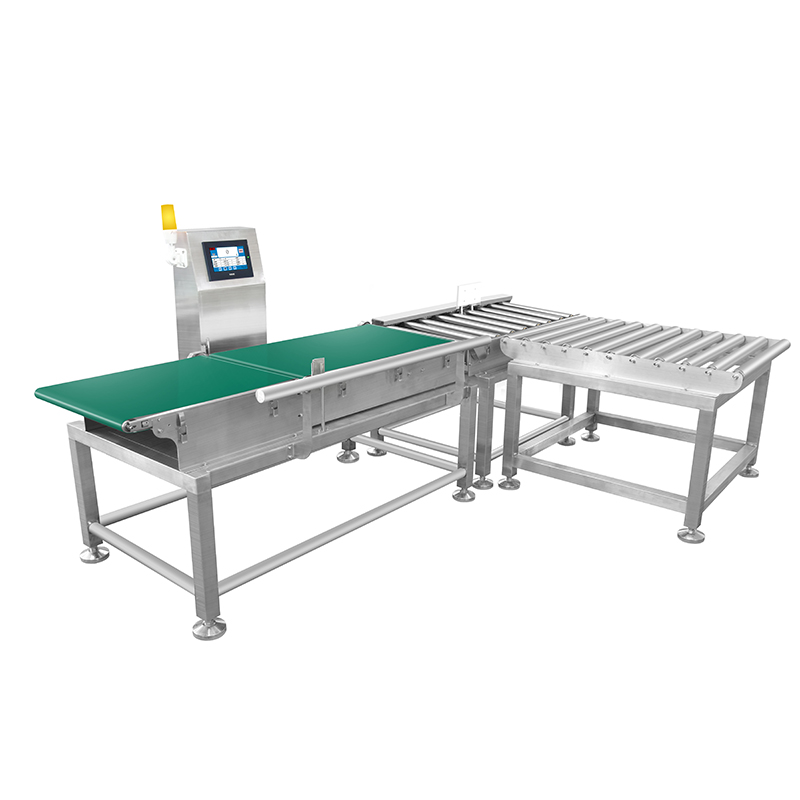
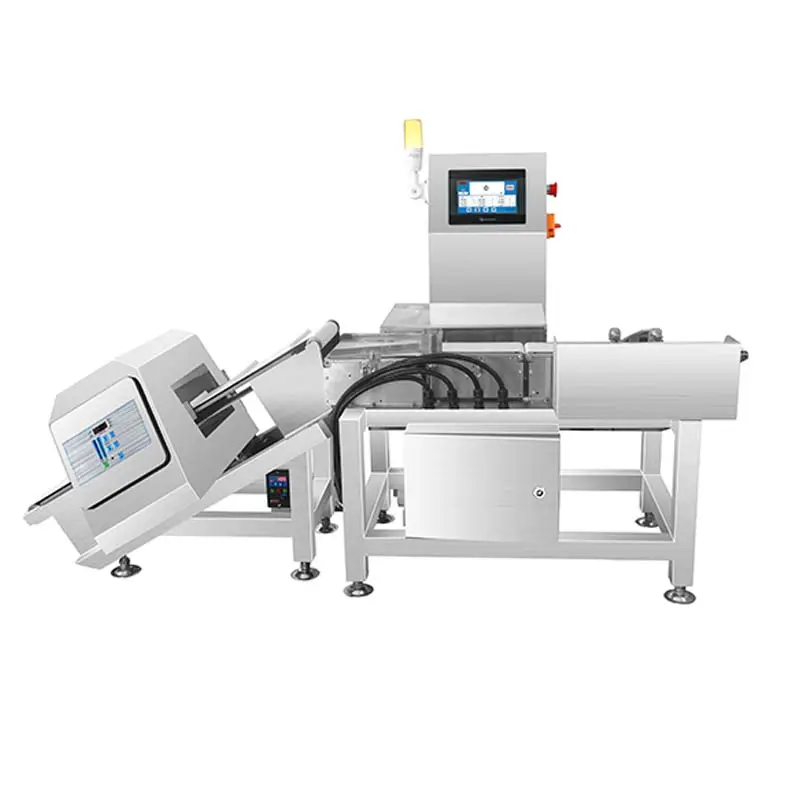
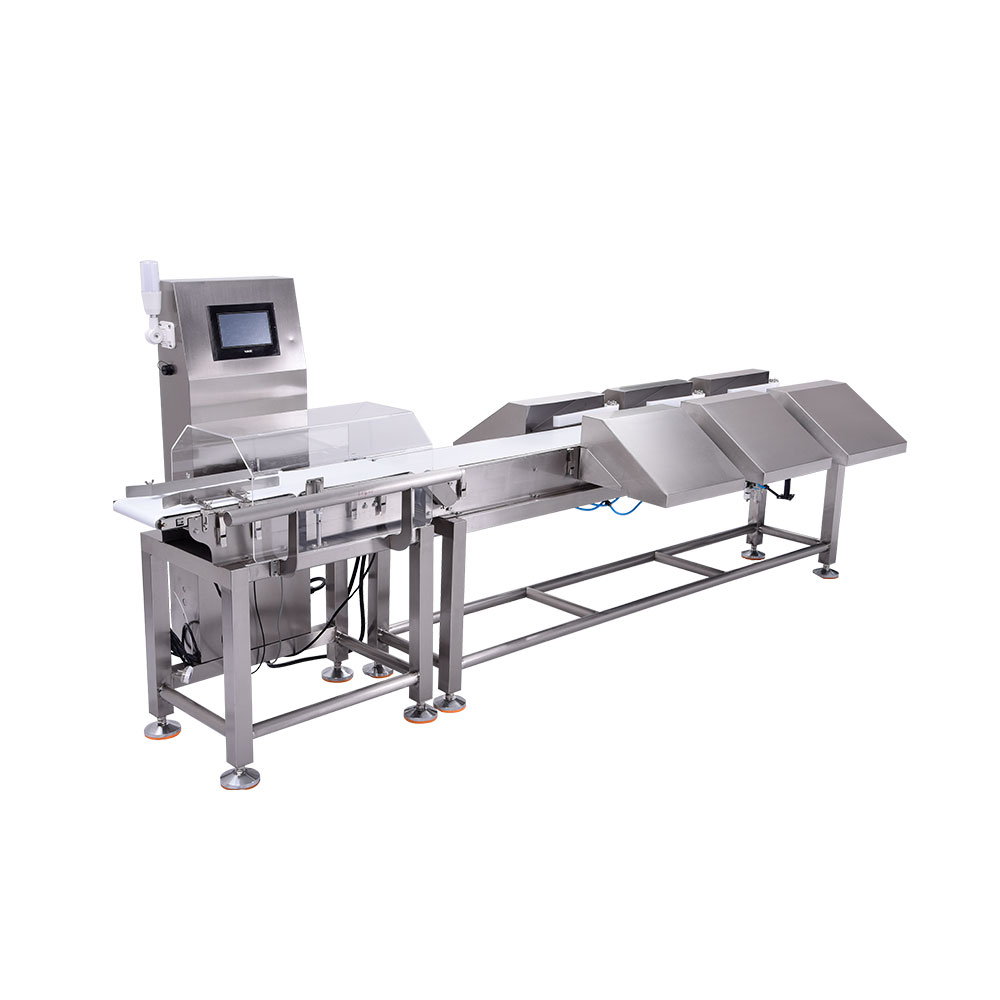
A food metal detector is an advanced inspection system designed to identify and remove metallic contaminants from food products before they reach consumers. This sophisticated equipment uses electromagnetic technology to detect various types of metals, including ferrous, non-ferrous, and stainless steel particles that may accidentally enter food during processing or manufacturing. The food metal detector operates by creating an electromagnetic field that responds when metal objects pass through its detection zone, triggering an alarm and stopping the production line to prevent contaminated products from advancing further. Modern food metal detectors feature adjustable sensitivity settings, allowing operators to customize detection levels based on specific product types and metal particle sizes. These systems integrate seamlessly into existing production lines, offering both standalone and inline configurations to suit different facility requirements. The food metal detector technology has become essential across multiple food industries, including meat processing, bakery production, dairy manufacturing, and beverage bottling. Advanced models incorporate digital displays, real-time monitoring capabilities, and automatic logging functions that track detection events and system performance. The food metal detector helps manufacturers maintain strict quality control standards while complying with food safety regulations and international standards. By implementing a food metal detector, facilities significantly reduce the risk of product recalls, protect brand reputation, and ensure consumer safety through reliable metal contamination prevention.
 EN
EN