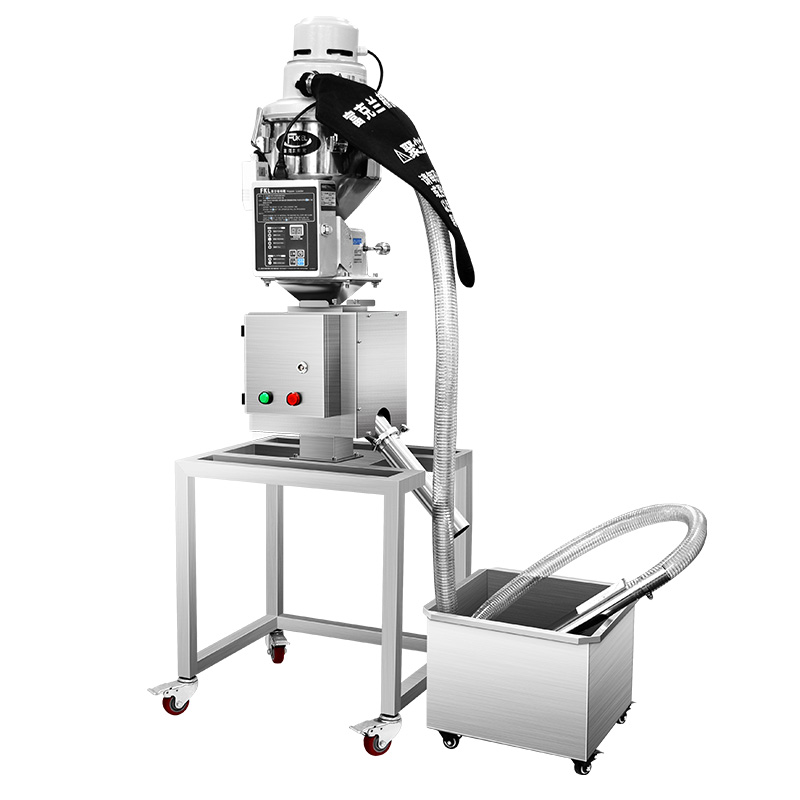
metal detector food industry
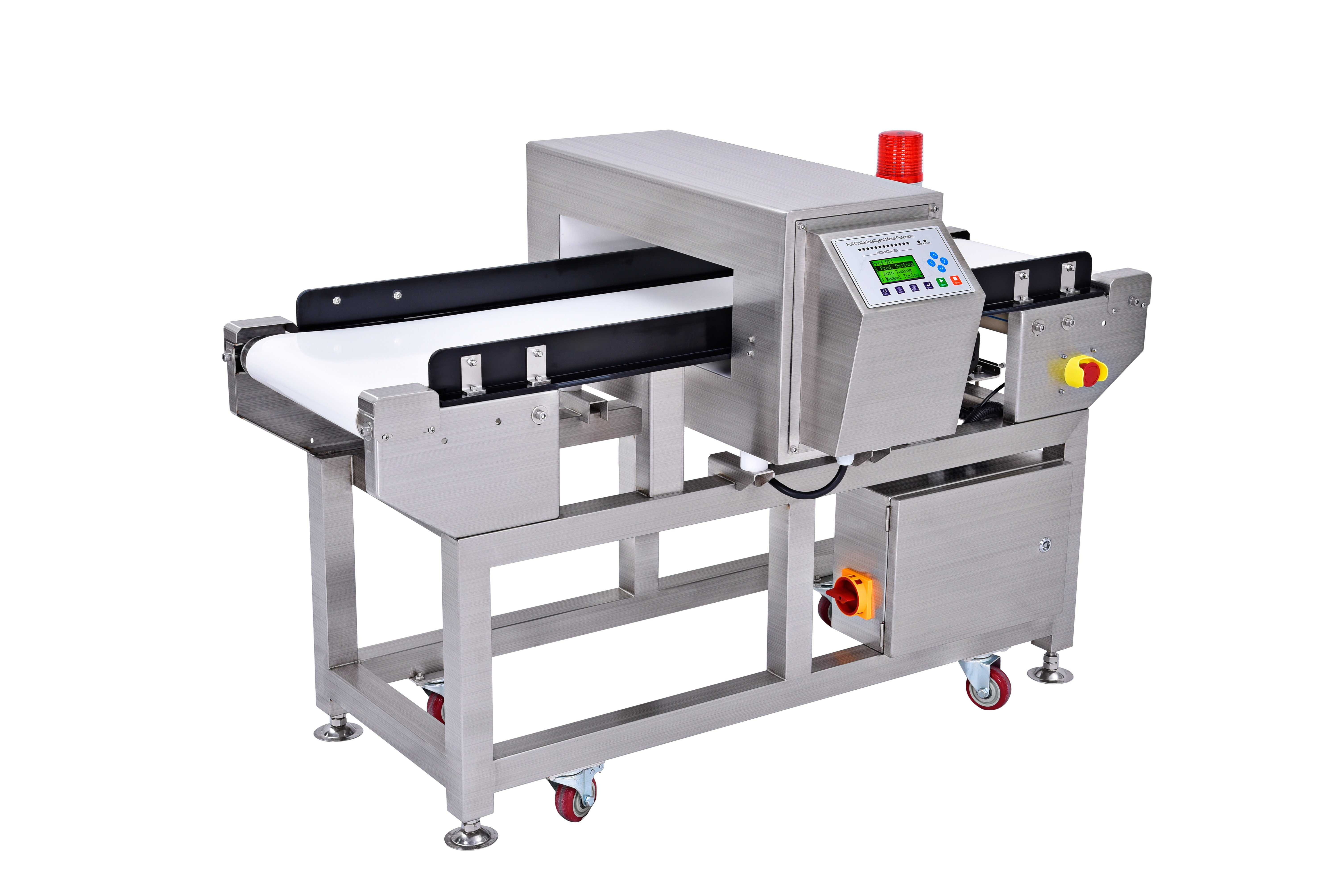
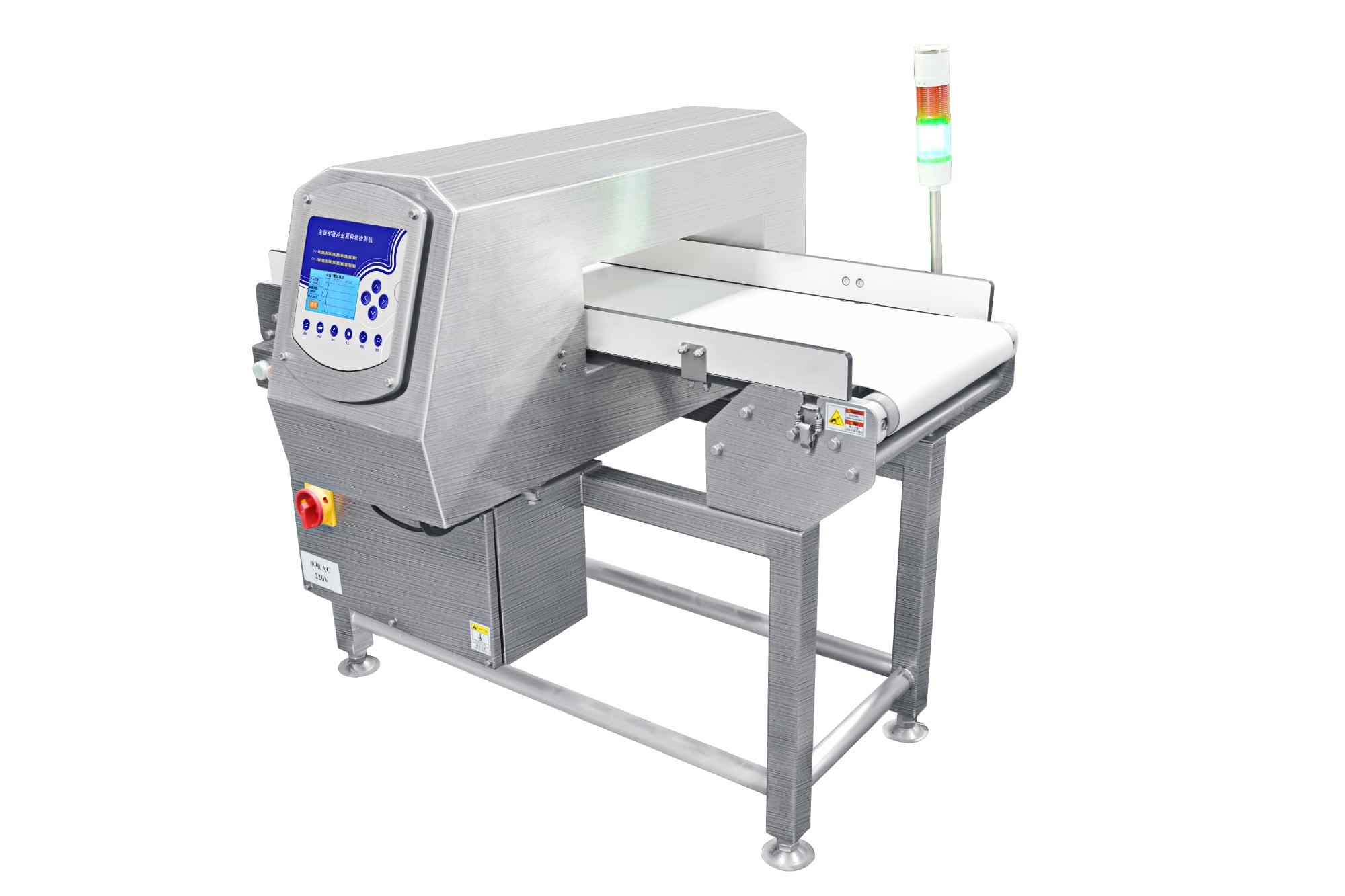
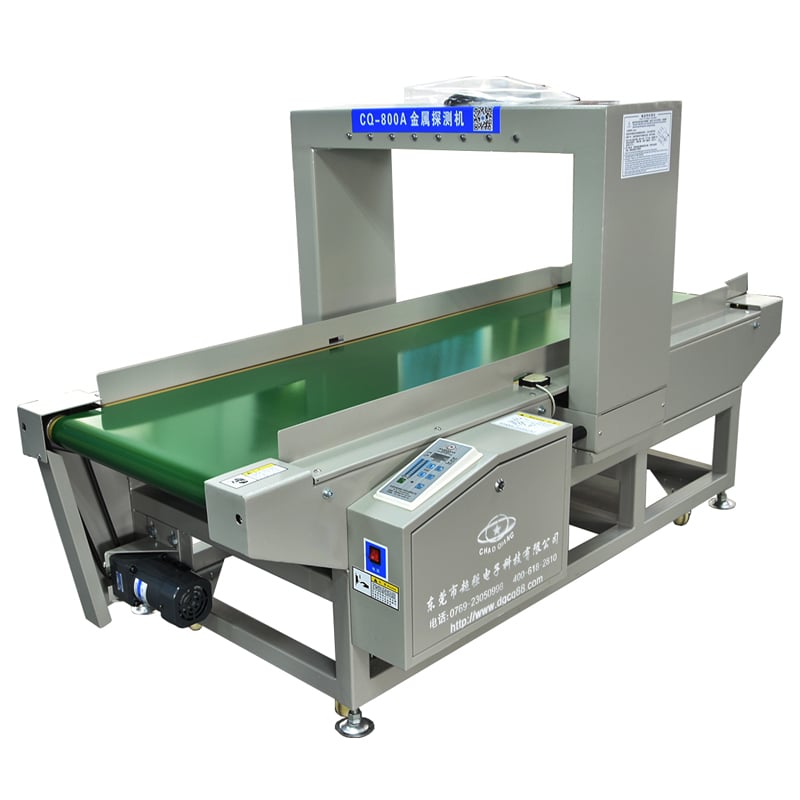
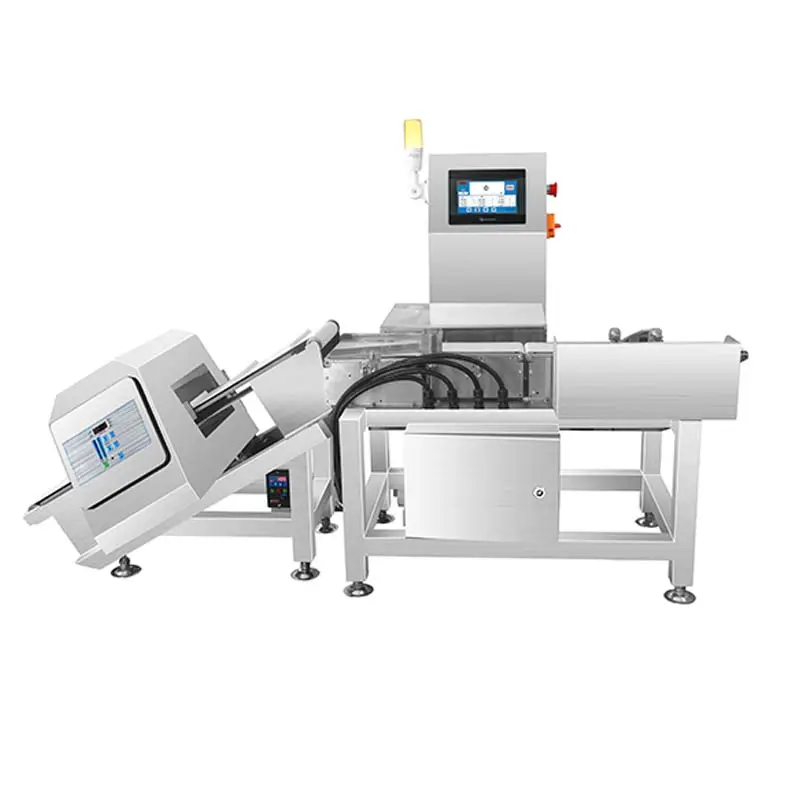
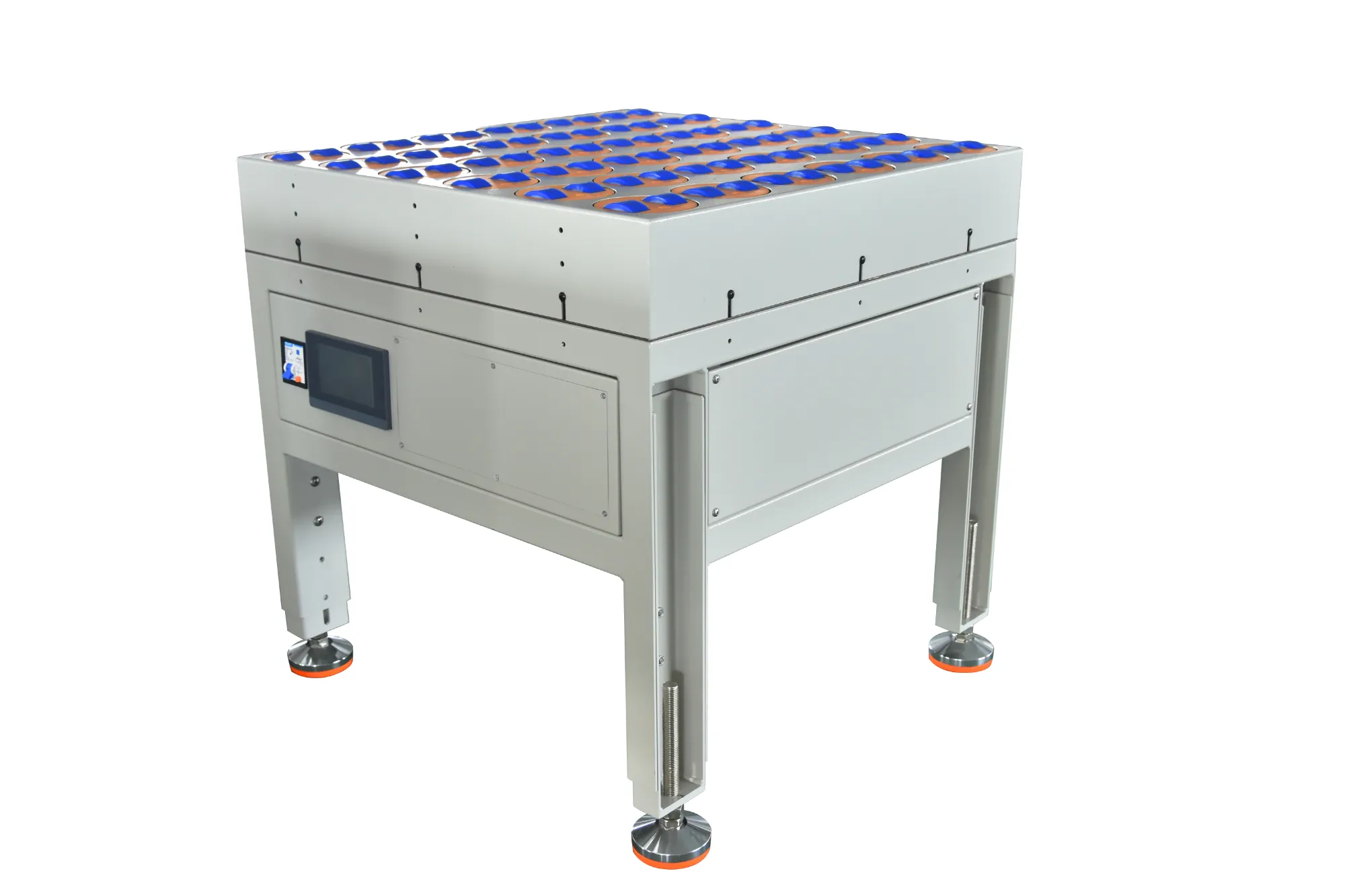
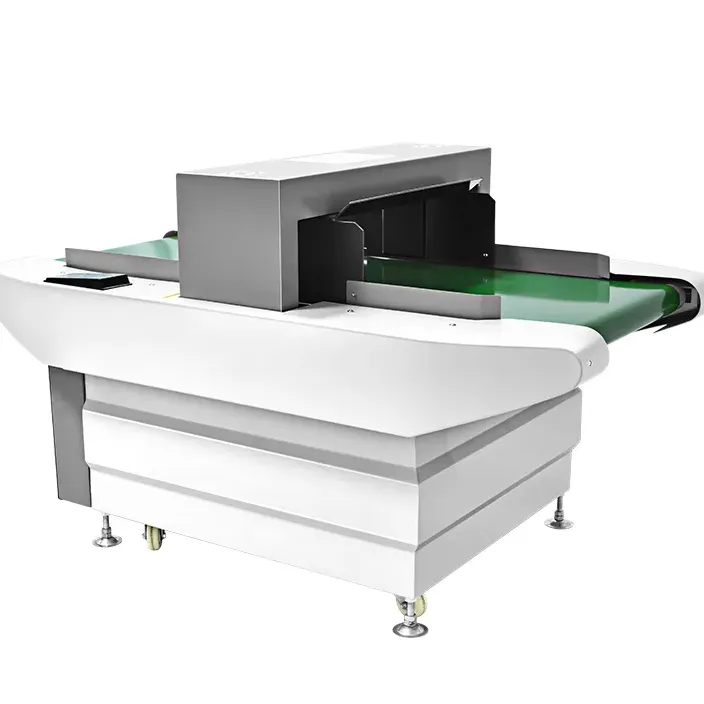
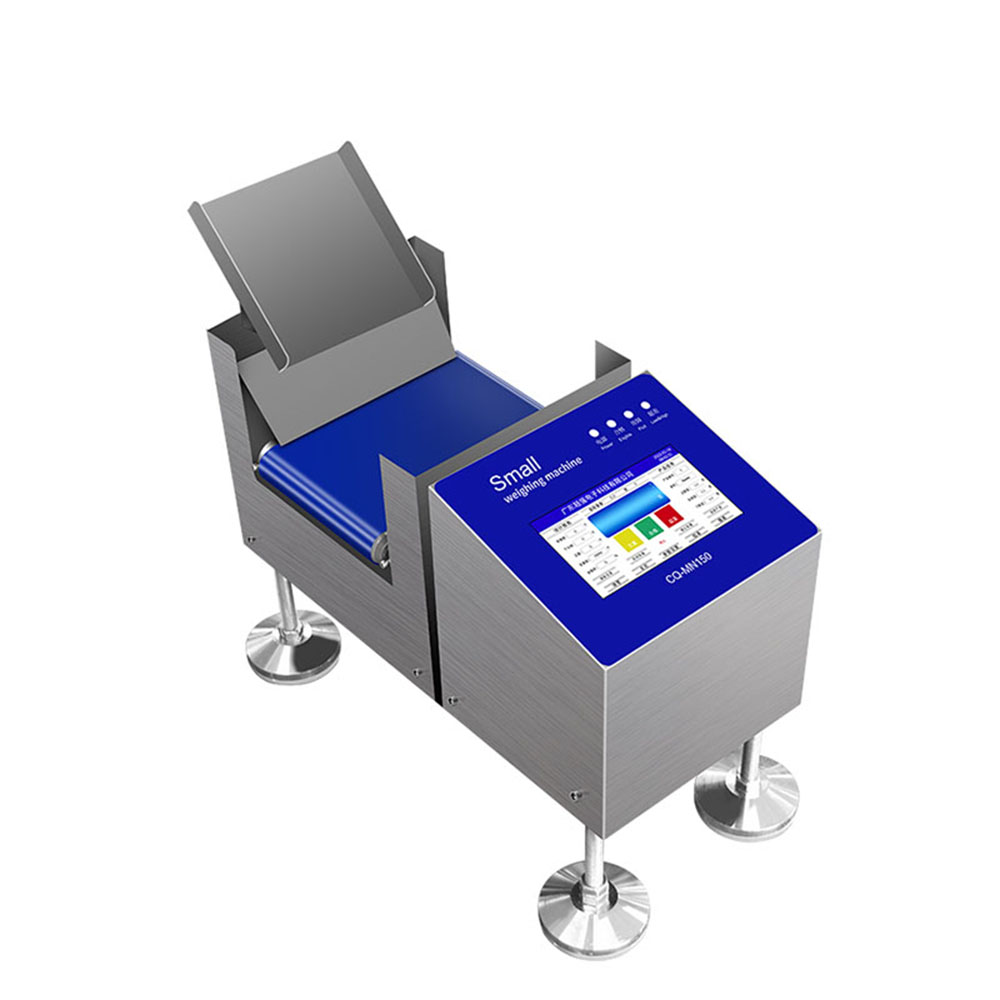
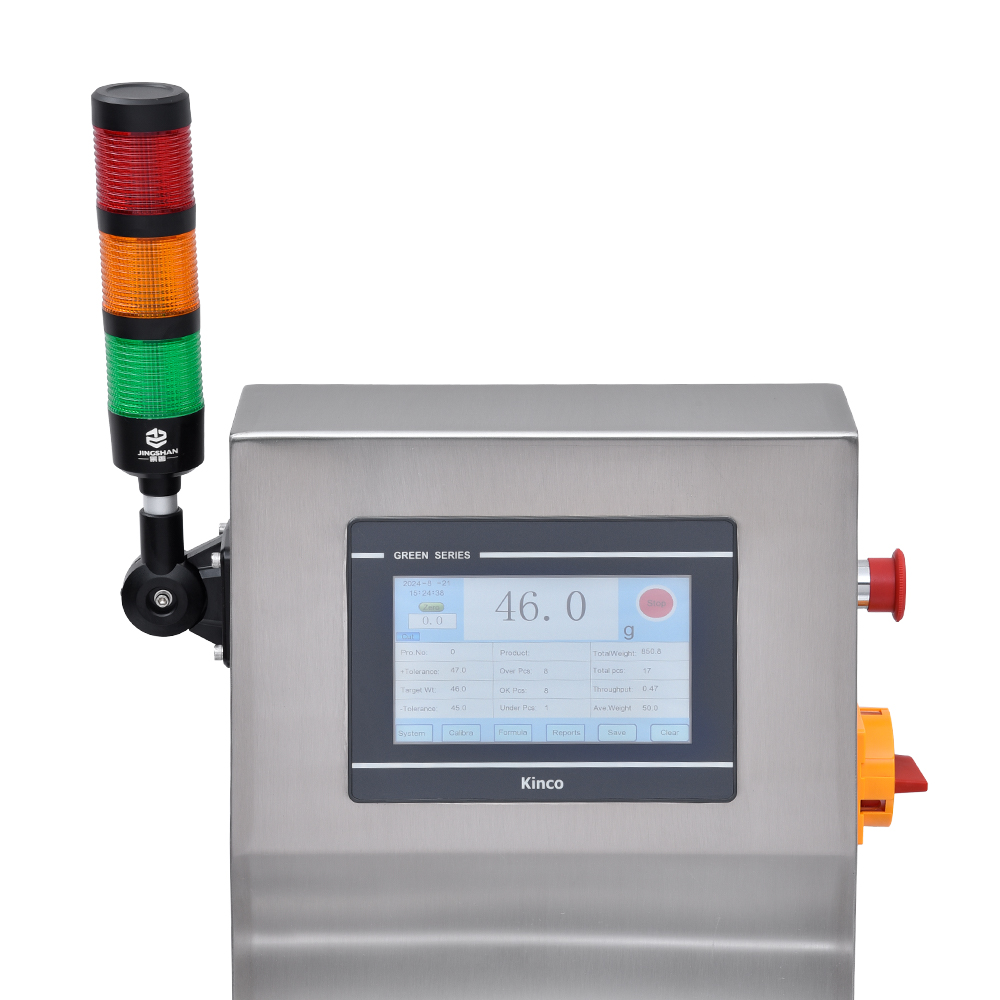
The metal detector food industry represents a critical sector within food safety and quality assurance, designed to protect consumers and maintain product integrity throughout the supply chain. This industry focuses on manufacturing and implementing advanced detection systems that identify metallic contaminants in food products before they reach consumers. The metal detector food industry utilizes sophisticated electromagnetic technology to scan packaged and unpackaged food items, including grains, baked goods, confectionery, dairy products, and processed meats. Main functions encompass detecting ferrous metals, non-ferrous metals, and stainless steel fragments that may accidentally enter food during production or processing. Technological features of the metal detector food industry include real-time monitoring systems, sensitivity calibration controls, and automated rejection mechanisms that remove contaminated products instantly. These systems integrate with production lines seamlessly, operating at high speeds without compromising efficiency. Applications span multiple food sectors, from manufacturing plants and distribution centers to retail environments. The metal detector food industry serves as a protective barrier, ensuring compliance with international food safety standards and regulations. Modern detection systems feature digital displays, touchscreen interfaces, and data logging capabilities that track inspection results. The metal detector food industry continues evolving with innovations in artificial intelligence and machine learning integration, enhancing detection accuracy while reducing false positives. This sector plays an indispensable role in maintaining consumer trust and protecting public health by preventing metallic contamination incidents.
 EN
EN