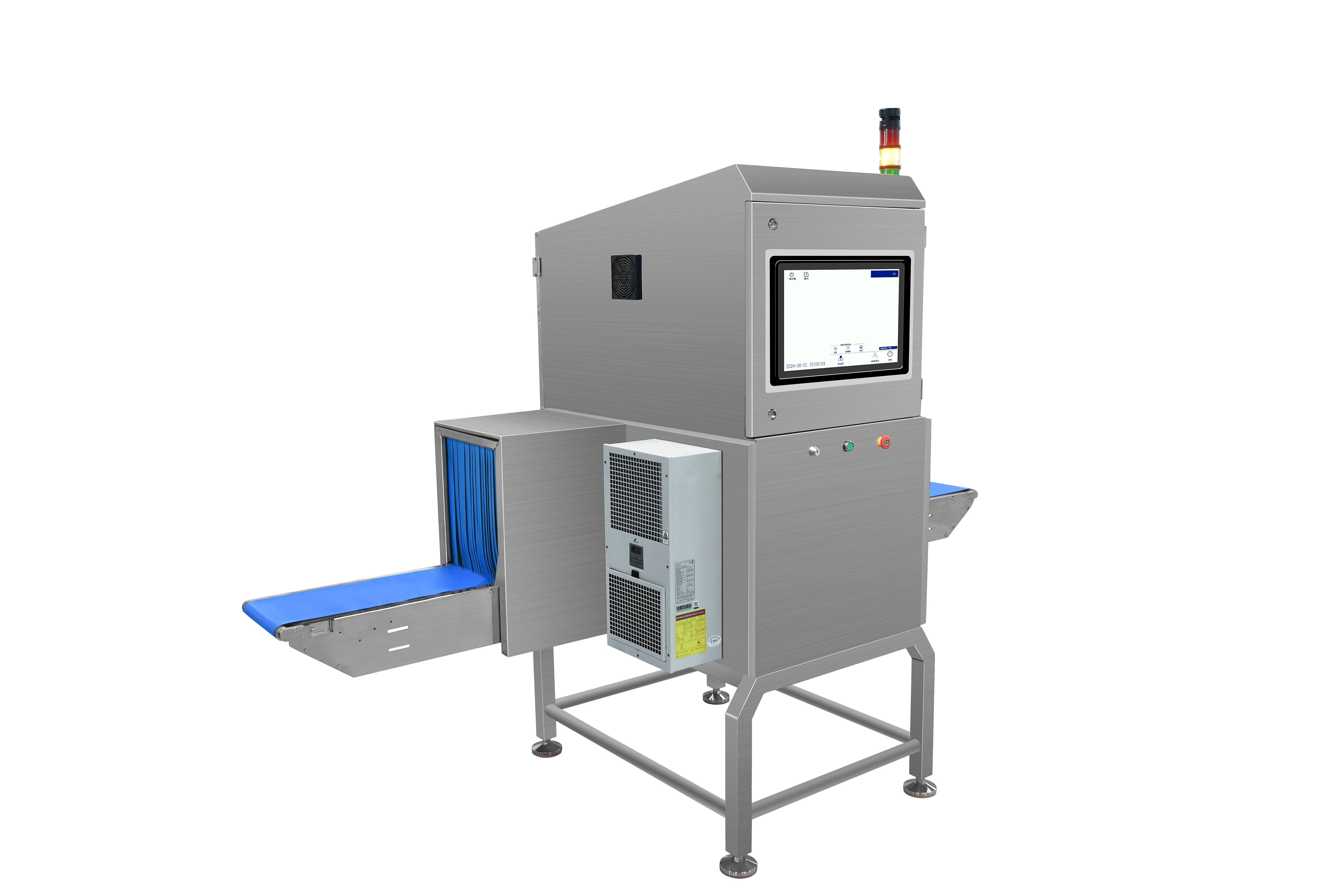
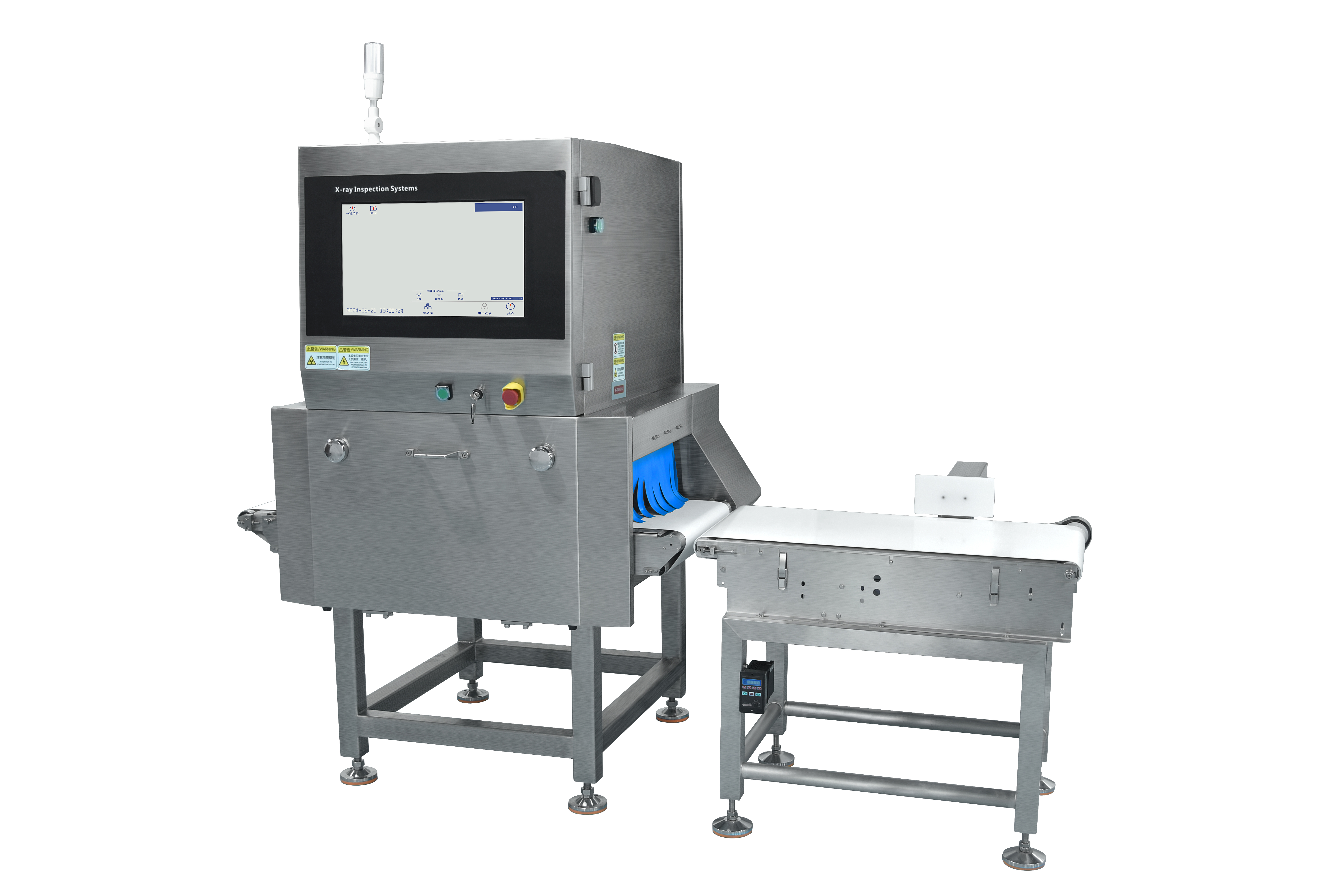
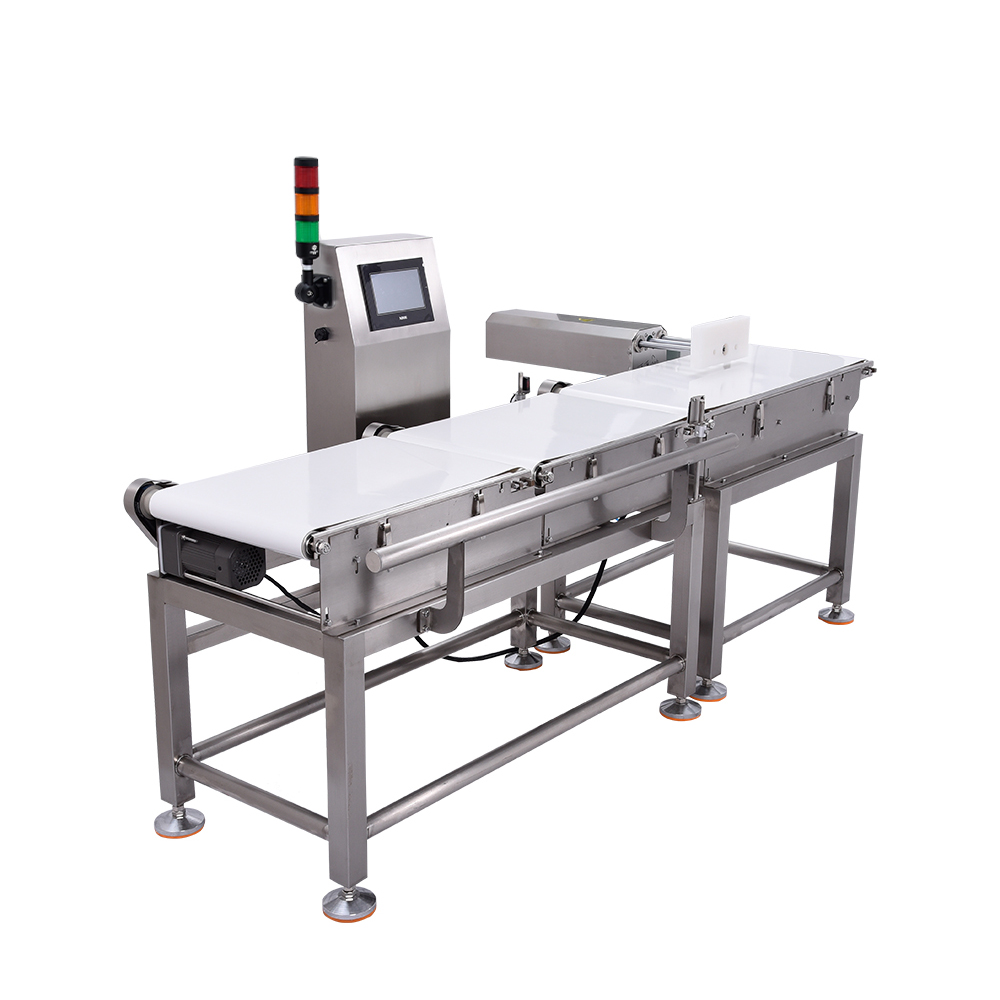
metal detector for food
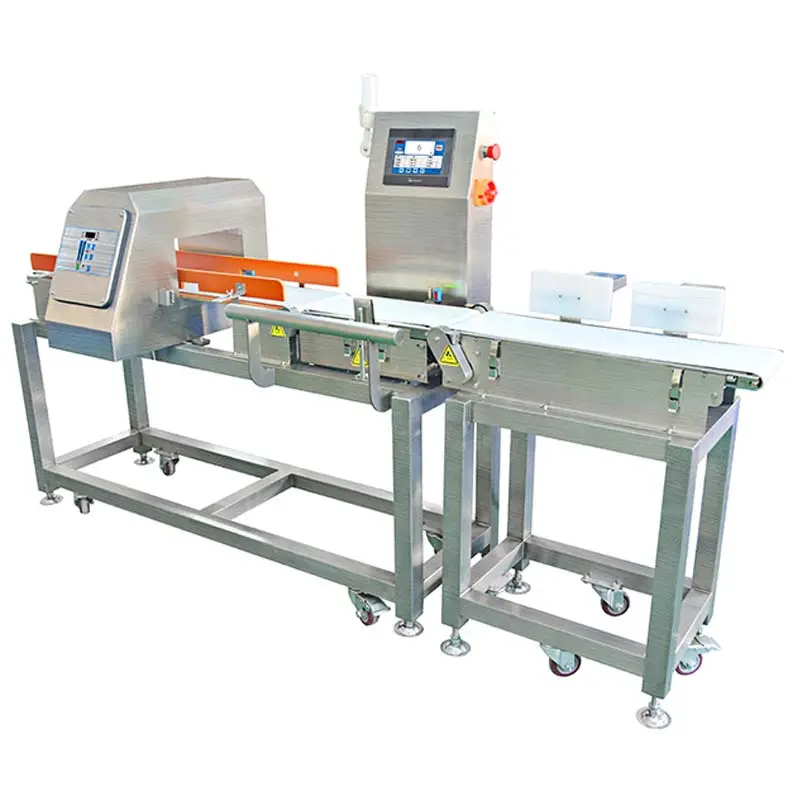
A metal detector for food represents an essential quality control solution designed to protect consumers and maintain product integrity throughout the food manufacturing process. This advanced metal detector for food identifies and removes metallic contamination, including ferrous metals, non-ferrous metals, and stainless steel fragments that may accidentally enter food products during production, processing, or packaging stages.
The primary function of a metal detector for food is to scan products moving along production lines, utilizing sophisticated electromagnetic technology to detect even the smallest metal particles. Modern metal detector for food systems employ multi-frequency scanning capabilities that adapt to various product types, from packaged goods to bulk materials. These devices integrate seamlessly into existing production workflows, ensuring continuous monitoring without disrupting manufacturing operations.
Key technological features include adjustable sensitivity settings, digital displays for real-time monitoring, and automatic rejection mechanisms that remove contaminated products instantly. The metal detector for food operates through dual-phase detection systems that distinguish between product characteristics and genuine metal contaminants, minimizing false alarms while maintaining rigorous safety standards.
Applications span across diverse food industries, including bakeries, meat processing facilities, dairy operations, grain handling, and ready-made meal production. Food manufacturers rely on this metal detector for food equipment to comply with regulatory requirements, maintain brand reputation, and demonstrate commitment to consumer safety. The investment in proper metal detection technology protects businesses from costly recalls, legal liabilities, and consumer trust erosion that contamination incidents can cause.
 EN
EN