 EN
EN


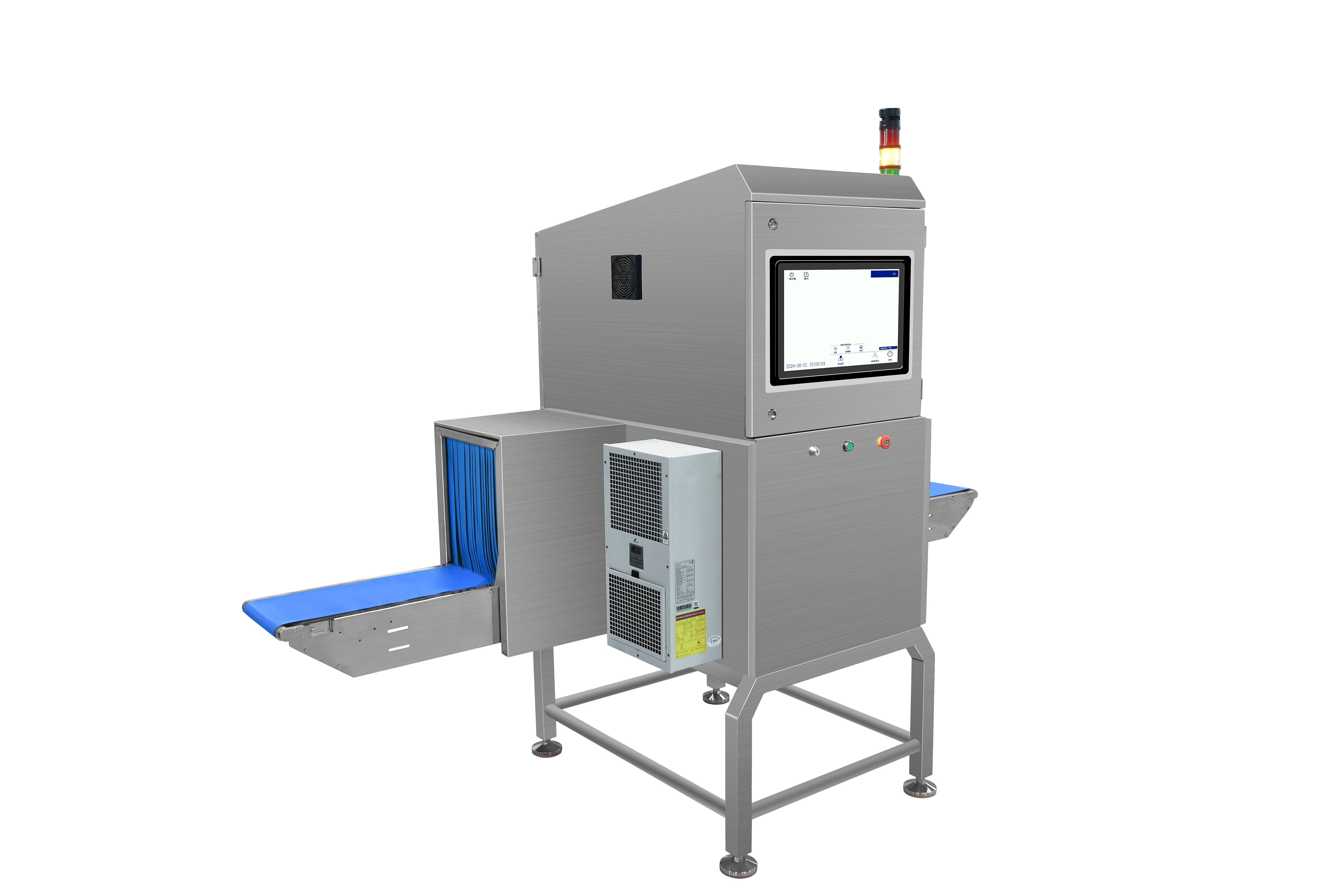
The x ray detector food industry relies on multiple radiation source technologies to identify foreign objects and contaminants in packaged goods. Understanding the differences between these radiation source types is essential for food manufacturers, quality assurance teams, and procurement specialists seeking to implement effective food safety scanner solutions. Each radiation source technology offers distinct advantages in detection sensitivity, operational efficiency, and long-term cost considerations.
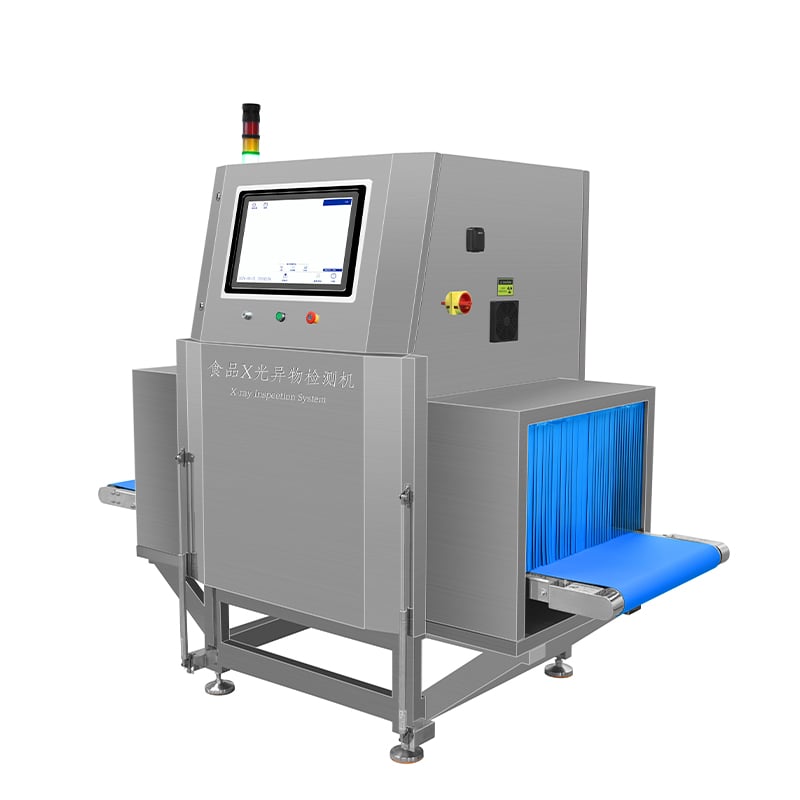
Food safety remains a critical concern for manufacturers worldwide. Regulatory agencies mandate rigorous inspection protocols to prevent contaminated products from reaching consumers. An x ray detector food industry system delivers consistent, reliable detection across production lines. The choice of radiation source directly impacts detection accuracy, throughput speed, and overall operational reliability.
Understanding Radiation Source Technologies
Sealed X-Ray Tubes in Food Inspection
Sealed x-ray tubes represent the most widely deployed radiation source in modern food safety scanner equipment. These tubes generate x rays through an accelerated electron beam striking a metal target, typically tungsten. The sealed design ensures containment of the radiation and eliminates the need for regular refilling, making them cost-effective for continuous production environments. Sealed tubes deliver consistent beam intensity, allowing food safety scanner systems to maintain uniform detection sensitivity across extended operating periods.
The advantages of sealed tubes include predictable lifespan, minimal maintenance requirements, and rapid startup capability. Food manufacturers appreciate the reliability these tubes provide during high-speed packaging line operations. However, tube replacement becomes necessary after 5,000 to 10,000 operating hours, representing a planned maintenance cycle that procurement teams must budget accordingly.
Radioactive Isotope Sources
Radioactive isotopes such as Cobalt-60 and Cesium-137 serve as alternative radiation sources in certain x ray imaging applications. These isotopes emit gamma radiation continuously without requiring electrical input, offering operational independence from power fluctuations. Radioactive sources maintain constant emission levels throughout their lifespan, providing stable contaminant detection performance. Some food processing facilities in developing regions still utilize isotope-based systems due to lower initial equipment costs.
The drawbacks of radioactive sources include stringent regulatory requirements, specialized handling and disposal protocols, and safety concerns related to radiation exposure. Modern x ray detector food industry standards increasingly favor sealed tube technology over radioactive isotopes due to enhanced safety compliance and reduced environmental liability.
Comparative Performance in Contaminant Detection
Detection Sensitivity and Accuracy Metrics
The effectiveness of any food safety scanner depends fundamentally on its ability to identify particles ranging from metal fragments to bone chips and glass shards. Sealed x-ray tubes deliver adjustable beam intensity, enabling operators to optimize detection parameters for specific product types. A sealed tube system can reliably detect ferrous metals as small as 0.5 millimeters and non-ferrous metals down to 1.5 millimeters, depending on configuration settings and product density.
X ray imaging technology provides superior spatial resolution compared to metal detectors alone, distinguishing between product density variations and actual foreign contaminants. This capability proves particularly valuable for dense products such as chocolate, nut butters, and processed meats where traditional metal detection loses effectiveness. The radiation source intensity directly influences image clarity and detection threshold precision.
Throughput and Production Line Integration
Modern x ray detector food industry systems must process packages at speeds matching high-speed packaging lines, often exceeding 600 packages per minute in confectionery and snack food applications. Sealed x-ray tubes enable rapid image acquisition and analysis cycles, supporting production demands without throughput bottlenecks. The instant on-off capability of sealed tubes adapts seamlessly to variable line speeds and product changeovers.
Radioactive isotope sources, by contrast, emit continuously regardless of inspection needs, consuming their operational lifespan even during equipment downtime. This inherent inefficiency makes them less suitable for modern flexible manufacturing environments where production scheduling varies significantly. Food safety scanner systems incorporating sealed tube technology align better with contemporary lean manufacturing and Industry 4.0 operational philosophies.
Selection Criteria and Implementation Considerations
Regulatory Compliance and Safety Standards
Food manufacturers operating under FDA, FSSC 22000, or international food safety standards must select x ray detector food industry systems that maintain full regulatory compliance. Sealed x-ray tube systems undergo rigorous certification processes and provide comprehensive documentation supporting compliance verification. The controlled, contained design of sealed tubes aligns naturally with modern food safety auditing requirements and third-party certification protocols.
Installation of radioactive isotope sources requires specialized licensing, worker training documentation, and ongoing regulatory reporting. These administrative burdens, combined with evolving international restrictions on radioactive materials in food processing, make sealed tube systems the preferred choice for new facility installations or system upgrades. Facilities must also consider future regulatory tightening when evaluating long-term radiation source investments.
Total Cost of Ownership Analysis
While initial equipment costs for sealed tube x ray imaging systems may appear higher than isotope alternatives, total cost of ownership calculations reveal significant long-term savings. Sealed tubes require periodic replacement but eliminate expensive isotope licensing fees, specialized disposal costs, and regulatory compliance overhead. Maintenance labor costs remain predictable and standard, requiring only certified technicians rather than specialized radiation handlers.
Energy efficiency also favors sealed tube technology. Modern sealed x-ray tube designs operate at lower power consumption compared to legacy isotope systems, reducing ongoing electricity expenses across production seasons. For facilities processing 20 or more packages per second, annual energy savings from optimized sealed tube systems can exceed equipment upgrade costs within three to five years.
FAQ
What contaminant types can x ray detector food industry systems reliably identify?
X ray imaging systems detect metal fragments, bone chips, glass shards, high-density ceramic particles, and mineral deposits. The food safety scanner's ability to distinguish contaminant types depends on radiation source intensity, beam collimation precision, and detection algorithm sophistication. Denser materials create stronger image contrast, making ferrous metals and bone particularly obvious to detection systems. Non-ferrous metals and glass require more sensitive detector calibration but remain reliably identifiable with properly configured sealed tube equipment.
How often require sealed x-ray tubes replacement in food processing applications?
Sealed x-ray tubes used in x ray imaging applications typically require replacement after 5,000 to 10,000 operating hours depending on duty cycle and operational intensity. High-speed food safety scanner systems running continuously at maximum output may reach replacement threshold in 12 to 18 months. Facilities operating equipment at variable speeds with frequent shutdowns extend tube lifespan proportionally. Manufacturers should budget replacement costs as routine maintenance expenses, similar to conveyor belt or motor maintenance.
Can older radioactive isotope systems be retrofitted with sealed x-ray tube technology?
Retrofitting existing facilities presents complex technical and regulatory challenges. While some equipment frame components may adapt to sealed tube retrofits, complete system redesign typically proves more practical for modern contaminant detection requirements. Modern x ray detector food industry equipment offers superior sensitivity, faster processing speeds, and enhanced software integration compared to legacy systems. Facility managers should evaluate retrofit costs against new system pricing before committing to retrofit projects, particularly given rapid technological advancement in sealed tube design and detector sensitivity.