 EN
EN


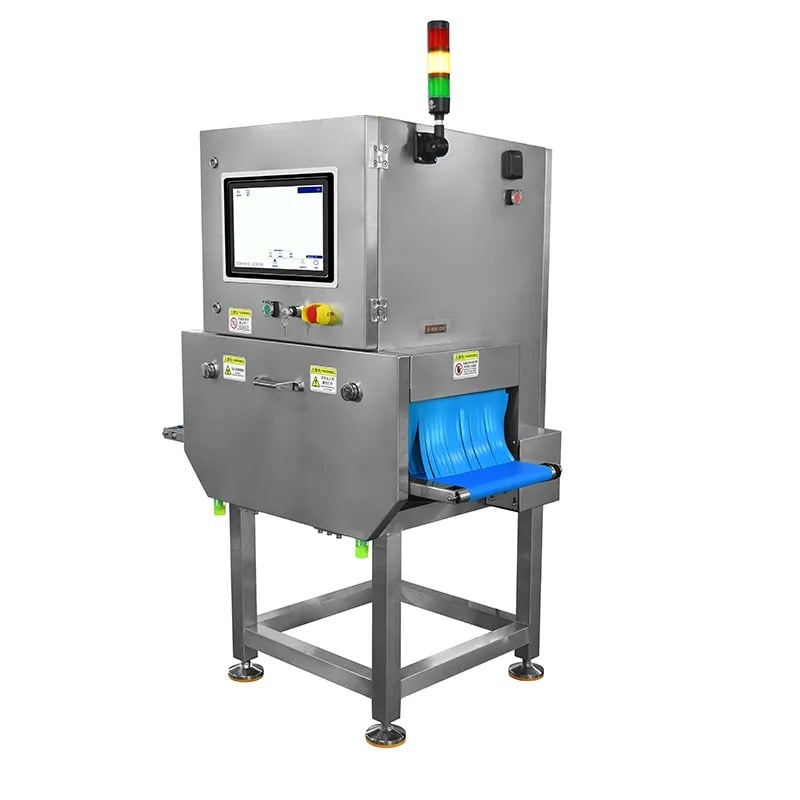
Calibration drift in x ray detector food industry systems represents one of the most common operational challenges facility managers face. When your food safety scanner loses accuracy over time, product contamination risks increase significantly, and regulatory compliance becomes questionable. Understanding the root causes and troubleshooting methods for calibration drift is essential for maintaining consistent quality control in food processing environments.
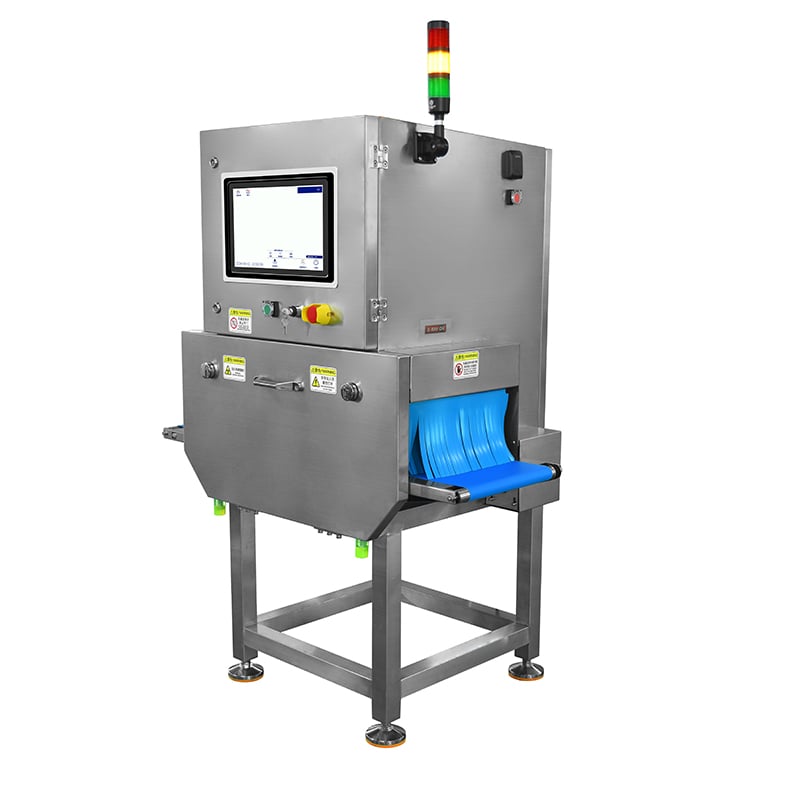
Calibration drift fundamentally compromises the detection capability of x ray imaging systems used throughout food production facilities. When detectors drift from their original calibration parameters, they fail to identify foreign objects, density variations, or contamination with the precision required by food safety standards. This technical issue directly impacts your facility's ability to deliver safe products and meet strict regulatory requirements.
Understanding Calibration Drift Mechanisms
What Causes Calibration Drift in Food Industry Systems
Temperature fluctuations represent the primary driver of calibration drift in x ray imaging equipment. Food processing facilities experience significant temperature variations between refrigerated zones and heated areas, creating thermal stress on electronic components. The detector elements themselves contain semiconductor materials that expand and contract with temperature changes, shifting their response characteristics over time.
Mechanical vibration from conveyor systems, packaging machinery, and material handling equipment accelerates detector degradation. Continuous vibration loosens internal connections and stresses mounting components, gradually shifting the detector's physical alignment. Additionally, high-humidity environments in food processing areas promote corrosion of electrical contacts and circuit board pathways, increasing electronic noise and measurement errors within the food safety scanner.
Environmental Stress Factors Unique to Food Processing
Moisture ingress poses a specific challenge in food production environments where cleaning processes involve high-pressure water spray. Even sealed detector housings can develop micro-fractures allowing condensation accumulation, degrading signal integrity over months. Airborne salt particles, particularly in facilities processing cured or smoked products, accelerate corrosion of exposed metal components and optical windows.
Radiation exposure itself gradually damages detector materials through lattice defects and charge carrier mobility reduction. Continuous contaminant detection operations expose x ray imaging systems to cumulative radiation dose effects that cannot be reversed, contributing to long-term performance degradation requiring periodic recalibration.
Detection and Diagnosis Methods
Identifying Calibration Drift Before Quality Failures
Drift detection begins with establishing baseline performance metrics during initial installation of your food safety scanner. Document the detector's response to known standard materials, radiation intensity readings, and image contrast values under controlled conditions. Regular comparative measurements against these baselines reveal gradual performance degradation before contamination detection failures occur.
Implement automated self-diagnostic routines built into modern x ray detector food industry systems. These tools continuously monitor detector output stability, comparing current performance against historical trends and manufacturer specifications. Advanced systems flag statistical deviations automatically, alerting operators when drift exceeds acceptable thresholds for food industry applications.
Practical Troubleshooting Approaches
Thermal stabilization testing isolates temperature-related drift components. Allow the x ray imaging system to operate continuously for extended periods in controlled environmental chambers, observing detector response stability across temperature ranges matching your facility's actual operating conditions. Document response changes at each temperature interval to quantify thermal sensitivity coefficients specific to your equipment.
Reference material verification provides reliable field-level diagnostics without laboratory equipment. Prepare standardized test specimens containing known contaminants at specified depths and positions. Run these reference samples through your food safety scanner regularly, comparing detected signals against historical performance data. Significant changes indicate calibration drift requiring professional service attention.
Corrective Actions and Prevention Strategies
Recalibration Procedures and Professional Service Requirements
Factory recalibration represents the definitive solution for significant calibration drift in x ray detector food industry installations. Manufacturer service centers employ precision reference standards, controlled temperature chambers, and specialized instrumentation unavailable in typical food facilities. Professional technicians adjust detector bias voltages, gain settings, and image processing parameters to restore performance to original specifications.
Plan recalibration intervals based on your facility's operational patterns and historical drift rates. High-volume food processing operations running x ray imaging continuously typically require annual recalibration, while moderate-use installations may maintain acceptable performance for eighteen to twenty-four months between services. Document all recalibration events with detailed reports confirming restored performance metrics.
Long-Term Prevention and Environmental Control
Environmental conditioning dramatically extends calibration stability for x ray imaging equipment. Install climate control systems maintaining temperature ranges within manufacturer specifications, typically ±5°C variation. Humidity control below 60% relative humidity prevents moisture accumulation within detector housings and reduces corrosion progression on circuit boards.
Vibration isolation mounting systems decouple x ray detector food industry systems from conveyor machinery and material handling equipment. Elastomeric isolators absorb mechanical vibration frequencies, reducing stress on detector components and internal electrical connections. Regular maintenance including dust filtration and periodic inspection of optical windows ensures contamination detection accuracy throughout extended operational periods.
FAQ
How often should I perform calibration checks on my food safety scanner?
Calibration verification should occur monthly using your facility's reference material standards. These informal checks identify drift trends early without requiring professional service. Formal factory recalibration is recommended annually for high-volume operations or when reference testing reveals performance degradation exceeding manufacturer tolerances. Your specific schedule depends on equipment age, operational intensity, and historical drift patterns documented at your installation.
Can environmental factors alone cause calibration drift in x ray imaging systems?
Environmental conditions significantly accelerate drift in x ray detector food industry equipment, but are rarely the sole cause. Temperature fluctuations, humidity exposure, and mechanical vibration work cumulatively with normal detector material aging to create measurable performance changes. However, controlled environmental management can substantially reduce drift rates by 40 to 50 percent compared to uncontrolled facilities, demonstrating the importance of proper facility design and maintenance.
What are the regulatory consequences of allowing calibration drift to continue uncorrected?
Regulatory agencies including FDA and FSMA require documented evidence of food safety scanner accuracy throughout operation. Uncorrected calibration drift in x ray imaging systems creates undetected contamination risks, establishing liability for facility operators during product recalls or consumer incidents. Facilities failing to maintain proper contaminant detection functionality through regular x ray detector food industry system maintenance face penalties, product seizures, and operational shutdowns during compliance investigations.