 EN
EN


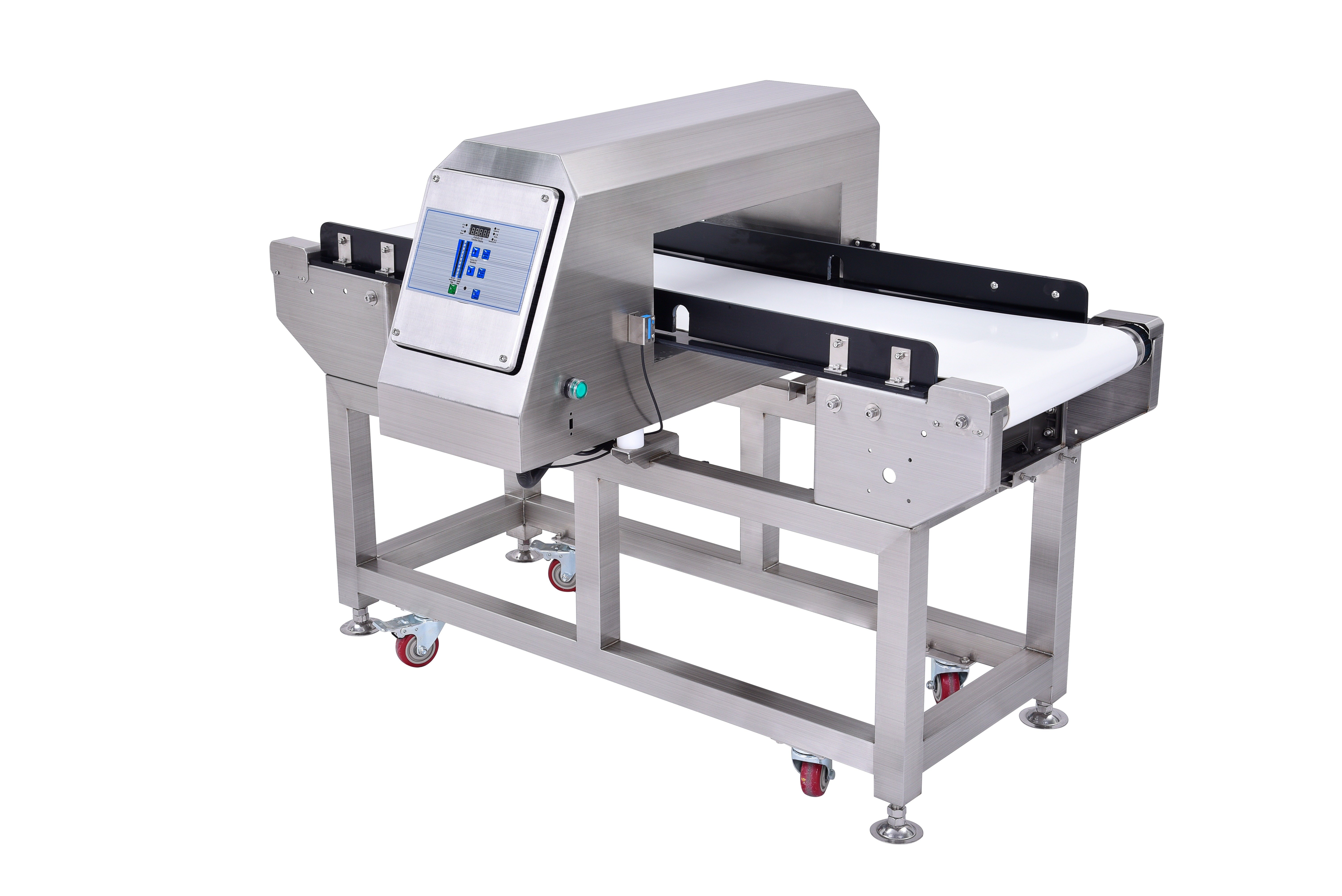
Stainless steel wire contamination in food production represents a significant quality and safety risk that demands immediate detection and mitigation. When wire fragments enter the production stream, they can damage processing equipment, compromise product integrity, and create serious liability concerns for manufacturers. A food metal detector serves as the critical technology that identifies these metallic intrusions before they reach consumers, safeguarding both brand reputation and operational efficiency across your packaging line equipment infrastructure.
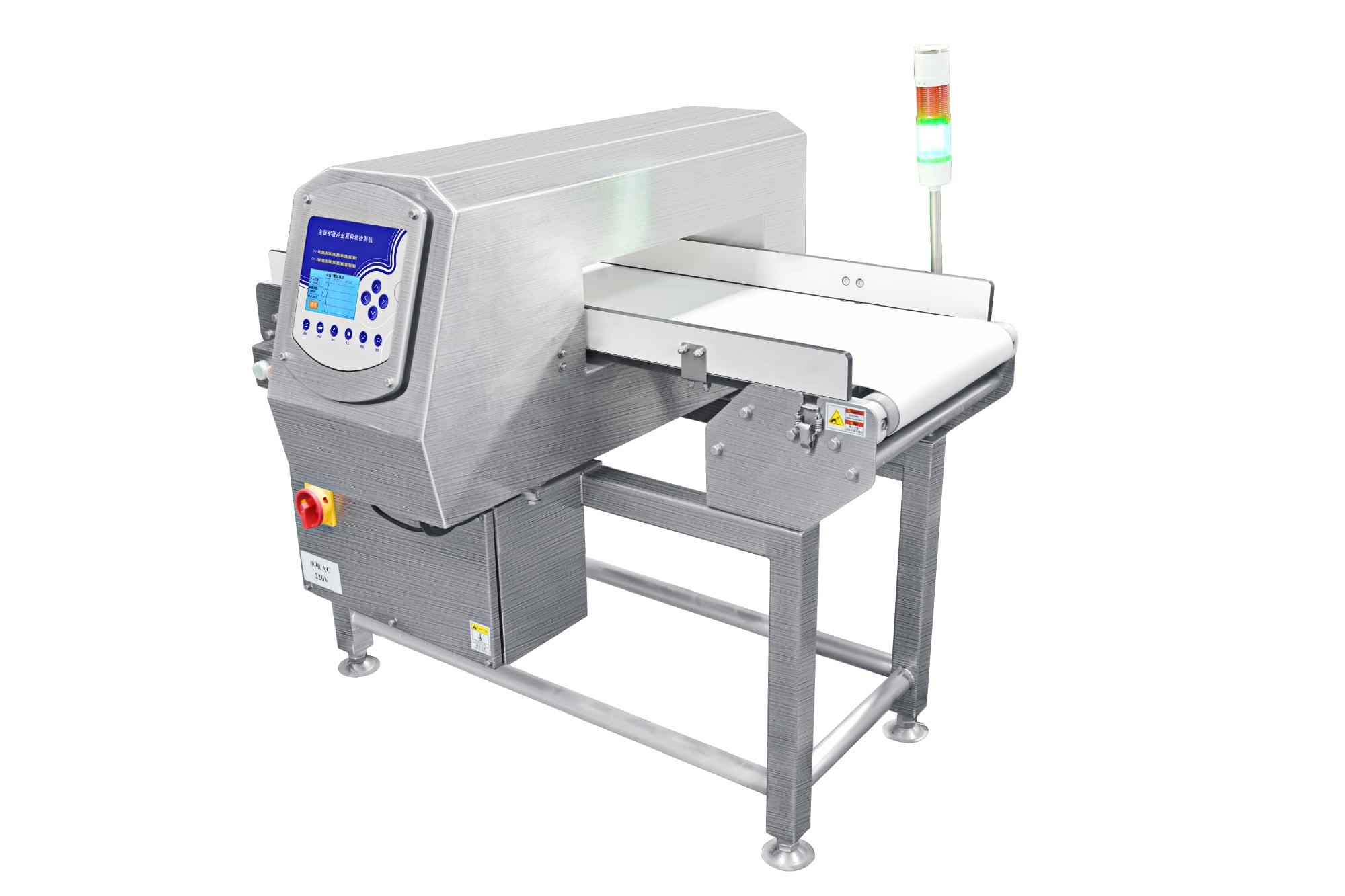
Understanding how an industrial metal detector operates within your production environment is essential for maintaining regulatory compliance and preventing costly product recalls. Stainless steel presents unique detection challenges because of its ferromagnetic properties and the varied sizes of wire fragments that may enter the process. Modern contamination detection systems employ advanced sensing technologies to overcome these obstacles, ensuring comprehensive protection across multiple production stages and material types.
How Industrial Metal Detectors Identify Stainless Steel Wire
Detection Mechanism and Sensitivity
An industrial metal detector operates by generating an electromagnetic field that interacts with conductive materials passing through its sensing zone. When stainless steel wire fragments enter this field, they create a measurable disruption that the detector recognizes and signals immediately. The sensitivity of packaging line equipment must be calibrated to catch even fine wire strands while minimizing false alerts from product variations. This balance between responsiveness and reliability determines whether your contamination detection system effectively protects consumer safety without interrupting production flow.
Material-Specific Challenges
Stainless steel wire presents particular detection challenges because its material composition can vary, affecting how strongly it responds to electromagnetic fields. Some austenitic stainless steel grades exhibit weaker magnetic signatures than ferrous materials, requiring more sophisticated detection algorithms within your industrial metal detector. High-salinity and wet food environments further complicate detection because moisture and salt content can interfere with sensor accuracy. Specialized food metal detector systems address these conditions through advanced FPGA-based signal processing that filters environmental noise while maintaining sensitivity to actual contaminants.
Implementation on Packaging Line Equipment
Installation and Integration Considerations
Proper positioning of contamination detection technology within your packaging line equipment determines detection effectiveness and throughput reliability. Placement should occur at critical junctures where wire contamination is most likely to enter—typically after cutting, mixing, or handling operations where product integrity is vulnerable. The industrial metal detector must integrate seamlessly with existing conveyor systems and reject mechanisms to ensure captured contaminants are removed without halting production. Integration with quality management systems enables real-time monitoring and creates documentation trails required for compliance audits and traceability records.
Operational Performance and Throughput
Modern packaging line equipment featuring integrated food metal detector technology operates at production speeds exceeding hundreds of units per minute without significant performance degradation. The contamination detection system must maintain consistent sensitivity across varying product densities, moisture levels, and temperatures typical in food manufacturing environments. Advanced filtration algorithms in contemporary industrial metal detectors distinguish between acceptable product signals and actual wire fragments, reducing nuisance rejects that waste product and create downtime. Calibration protocols should be established and followed regularly to ensure sustained detection accuracy and operational reliability throughout the production season.
Business Value and Risk Mitigation
Regulatory Compliance and Consumer Safety
Food safety regulations worldwide mandate contamination detection at critical control points in production, making a robust food metal detector non-negotiable for compliance. Regulatory agencies recognize that industrial metal detector systems represent the industry standard for preventing physical hazards in food products. Stainless steel wire fragments constitute foreign material that can cause serious harm if ingested, triggering recalls that damage market position and consumer trust. Implementing comprehensive contamination detection demonstrates due diligence and commitment to product safety, strengthening your defense in liability situations while meeting formal certification requirements.
Economic Protection and Production Continuity
A product recall triggered by stainless steel wire contamination can cost manufacturers millions in lost product, replacement shipments, and reputational damage that affects market share for years. Investing in reliable packaging line equipment with integrated industrial metal detector technology prevents these catastrophic scenarios through early intervention. The cost of detection equipment and maintenance is negligible compared to the potential financial impact of a single major recall. Beyond liability protection, a food metal detector maintains production continuity by catching contaminants before they damage downstream processing equipment, avoiding expensive unscheduled maintenance that disrupts operations and extends product delivery timelines.
FAQ
Can stainless steel wire be detected reliably by food metal detectors?
Yes, modern food metal detector systems with advanced sensitivity settings and signal processing can reliably detect stainless steel wire, even fine fragments. However, detection effectiveness depends on proper calibration, regular maintenance, and selection of an industrial metal detector specifically designed for challenging material types and wet environments. Austenitic stainless steel grades present greater detection difficulty than ferrous wire because of weaker magnetic response, requiring more sophisticated technology to ensure consistent performance.
What contamination detection performance should packaging line equipment achieve?
Industrial metal detector performance should be validated to detect stainless steel wire fragments at or below the smallest size that poses realistic choking or injury risk, typically 2.4 millimeters. A food metal detector used in packaging line equipment should maintain detection sensitivity across full production operating ranges without generating excessive false positives. Performance testing and documentation should be performed during installation and at regular intervals thereafter to verify continued effectiveness and provide compliance evidence for regulatory auditors.
How often should contamination detection systems be inspected?
A food metal detector and industrial metal detector components should undergo sensitivity testing at least daily before production begins and whenever production conditions change significantly. Full maintenance inspections should occur quarterly or according to manufacturer recommendations, and replacement of worn sensors may be necessary annually depending on operating intensity. Regular preventive maintenance of packaging line equipment extends detection system lifespan and prevents unexpected failures that could expose customers to hazardous materials.