 EN
EN


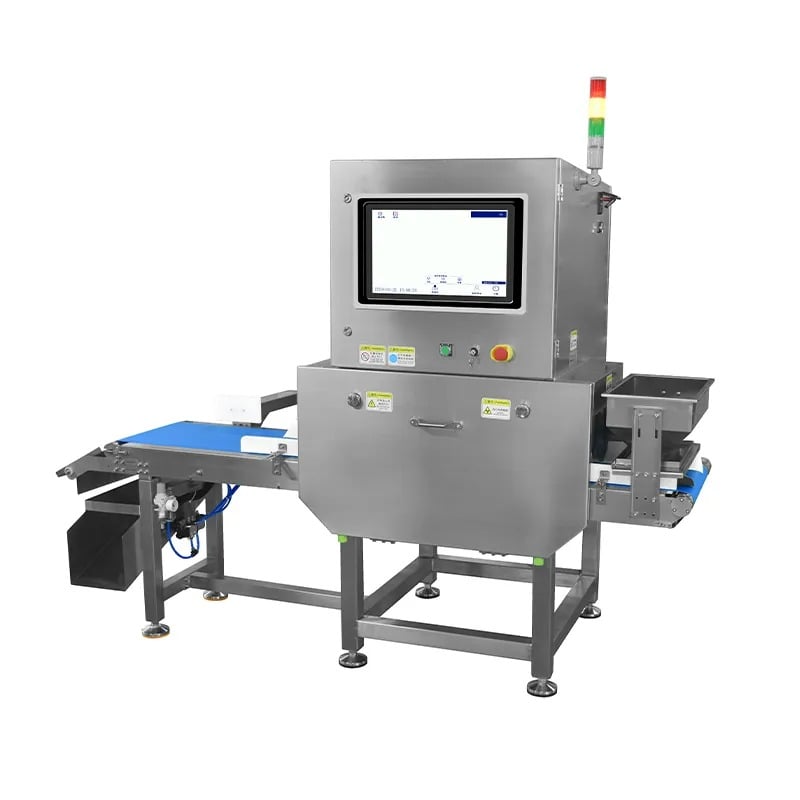
Understanding the architectural differences between single beam and dual beam x ray machines is essential for manufacturers seeking to optimize their quality control system performance. Both configurations serve critical roles in x ray inspection across food, electronics, pharmaceuticals, and manufacturing sectors, yet they operate on fundamentally different principles that affect detection capability, throughput, and operational costs.
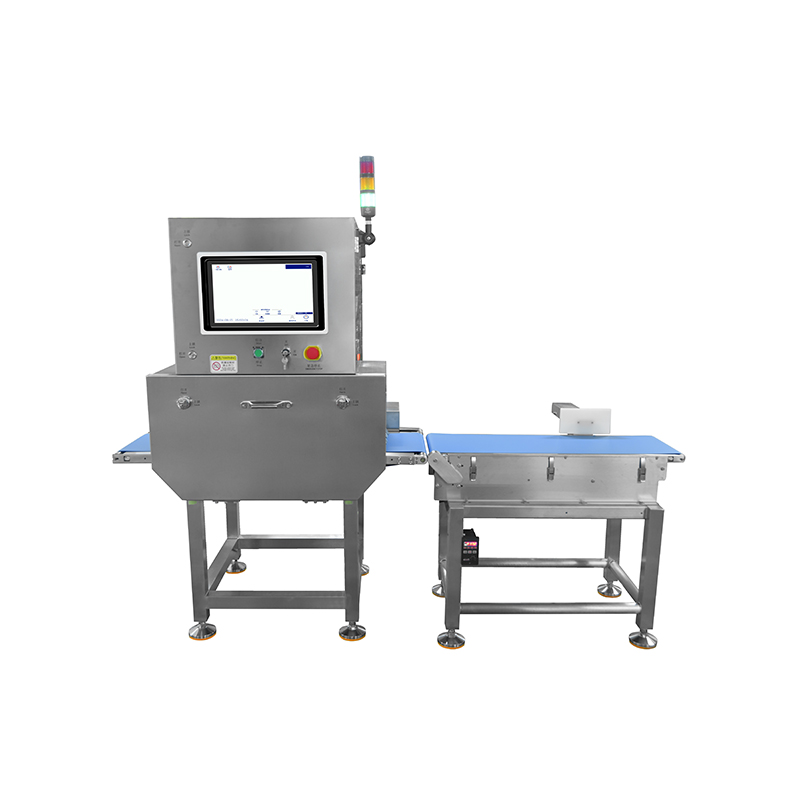
The choice between these architectures depends on your production requirements, product characteristics, and contamination risk profile. A single beam x ray machine directs radiation through a sample in one direction, while dual beam configurations employ multiple x ray sources or detection paths simultaneously. This fundamental distinction shapes how each system handles defect detection, spatial resolution, and scanning efficiency in your x ray inspection workflow.
Single Beam Architecture and Operational Principles
How Single Beam X Ray Inspection Works
A single beam x ray machine operates by emitting radiation through a product along one axis, creating a two-dimensional projection image on the detector. This straightforward configuration uses one x ray source positioned opposite a single detection array. The product passes through the x ray field, and the resulting image captures density variations that reveal foreign objects, structural defects, and internal anomalies. Single beam systems excel at identifying metallic contamination, glass fragments, and bone particles in packaged foods, as well as seal integrity and fill level verification in pharmaceutical containers.
Advantages of Single Beam Configuration
Single beam x ray machines offer lower capital investment compared to dual beam alternatives, making them suitable for budget-conscious operations. The simpler safety scanner design requires less complex calibration and maintenance protocols. Processing speed remains competitive, allowing high throughput in continuous production lines. The x ray inspection method provides excellent sensitivity for dense contaminants while maintaining straightforward image interpretation. Many manufacturers prefer this x ray machine architecture when scanning homogeneous products or standardized packages with predictable internal structures. Operating costs remain lower due to reduced power consumption and simpler component replacement cycles.
Dual Beam Architecture and Advanced Detection
Dual Beam Configuration and Benefits
A dual beam x ray machine employs multiple radiation sources or simultaneous detection pathways to capture product information from different angles or energy levels. This quality control system architecture generates richer data sets by combining multiple projection images, enabling three-dimensional reconstruction or enhanced defect visibility. Dual beam configurations prove particularly valuable for complex shaped products, items with varying density distributions, and applications requiring higher sensitivity to small or low-density foreign materials. The x ray inspection capability extends to detecting subtle internal flaws that single beam systems might miss, such as delamination, micro-cracks, and low-density contaminants.
When Dual Beam Systems Deliver Superior Performance
Dual beam x ray machines become essential when scanning products with complex geometries or layered construction. Electronics manufacturers use dual beam x ray inspection to verify component placement, solder joint quality, and internal assembly integrity simultaneously from multiple perspectives. The safety scanner features integrated redundancy, enhancing system reliability and regulatory compliance in critical applications. Pharmaceutical manufacturers benefit from dual beam architectures when inspecting blister packs with variable fill patterns or complex drug delivery devices. While the initial x ray machine investment costs more, the enhanced defect detection rate often justifies expenses through improved product quality and reduced recalls. This quality control system approach enables detection of contaminants as small as 0.4mm in dense matrices, surpassing typical single beam capabilities.
Comparative Analysis and Selection Criteria
Detection Capability and Sensitivity Differences
Single beam x ray machines typically achieve sensitivity thresholds of 1.0mm to 2.0mm for metallic objects, depending on product density and composition. Dual beam configurations can detect foreign materials down to 0.4mm or smaller due to enhanced image processing and multi-angle data fusion. The x ray inspection system choice depends on regulatory requirements and risk tolerance levels specific to your product category. For food applications requiring strict pathogen prevention, dual beam x ray machines provide additional assurance against small bone fragments or metal splinters. High-value pharmaceutical products often mandate dual beam architecture to meet stringent quality control system standards. However, many manufacturers discover that single beam systems sufficiently meet regulatory compliance when products lack complex internal structures.
Cost and Implementation Considerations
Capital expenditure for single beam x ray inspection systems typically ranges from lower baseline investments, making them attractive for startups or facilities with limited budgets. Dual beam configurations cost significantly more upfront but deliver operational benefits that reduce cost-per-unit inspection over time. Installation complexity differs markedly: single beam x ray machines require straightforward integration into existing production lines with minimal layout modifications. Dual beam safety scanner systems demand more sophisticated installation, facility modifications for radiation shielding, and additional calibration time. Training staff on x ray machine operation takes less time with single beam units, though dual beam systems offer more advanced software capabilities. The quality control system payback period often favors dual beam investments when processing high-volume production or premium products where defect costs exceed equipment expenses.
FAQ
Which x ray machine architecture should food manufacturers choose for frozen product inspection?
Single beam x ray inspection typically suffices for most frozen food applications, as these products have relatively uniform density and clearly visible contamination patterns. However, if your product contains bones, shells, or naturally variable internal structures, dual beam configurations provide enhanced detection certainty. Regulatory guidance from agencies like the FDA does not mandate dual beam systems for frozen products, but risk assessments considering brand reputation and recall costs should guide your choice of x ray machine investment.
Can a single beam x ray machine detect low-density contaminants effectively?
Single beam x ray inspection struggles with low-density foreign materials like plastic, rubber, or certain wood fragments because these materials create minimal contrast against product backgrounds. A quality control system using dual beam architecture specifically addresses this limitation by combining multiple detection angles and advanced image processing. If your product risk profile includes low-density contamination threats, investing in dual beam x ray inspection capabilities provides superior safety scanner performance and regulatory alignment.
What maintenance differences exist between single beam and dual beam x ray machines?
Single beam x ray machines require routine detector calibration and x ray source aging monitoring, typically involving quarterly maintenance schedules. Dual beam quality control systems demand more frequent recalibration due to complexity, often requiring monthly attention to maintain detection consistency. Safety scanner components in dual beam units include redundant detectors and backup radiation sources, increasing replacement part costs. However, the enhanced reliability and fewer false rejects often compensate for higher maintenance demands in high-volume operations where x ray inspection speed and accuracy drive profitability.