 EN
EN


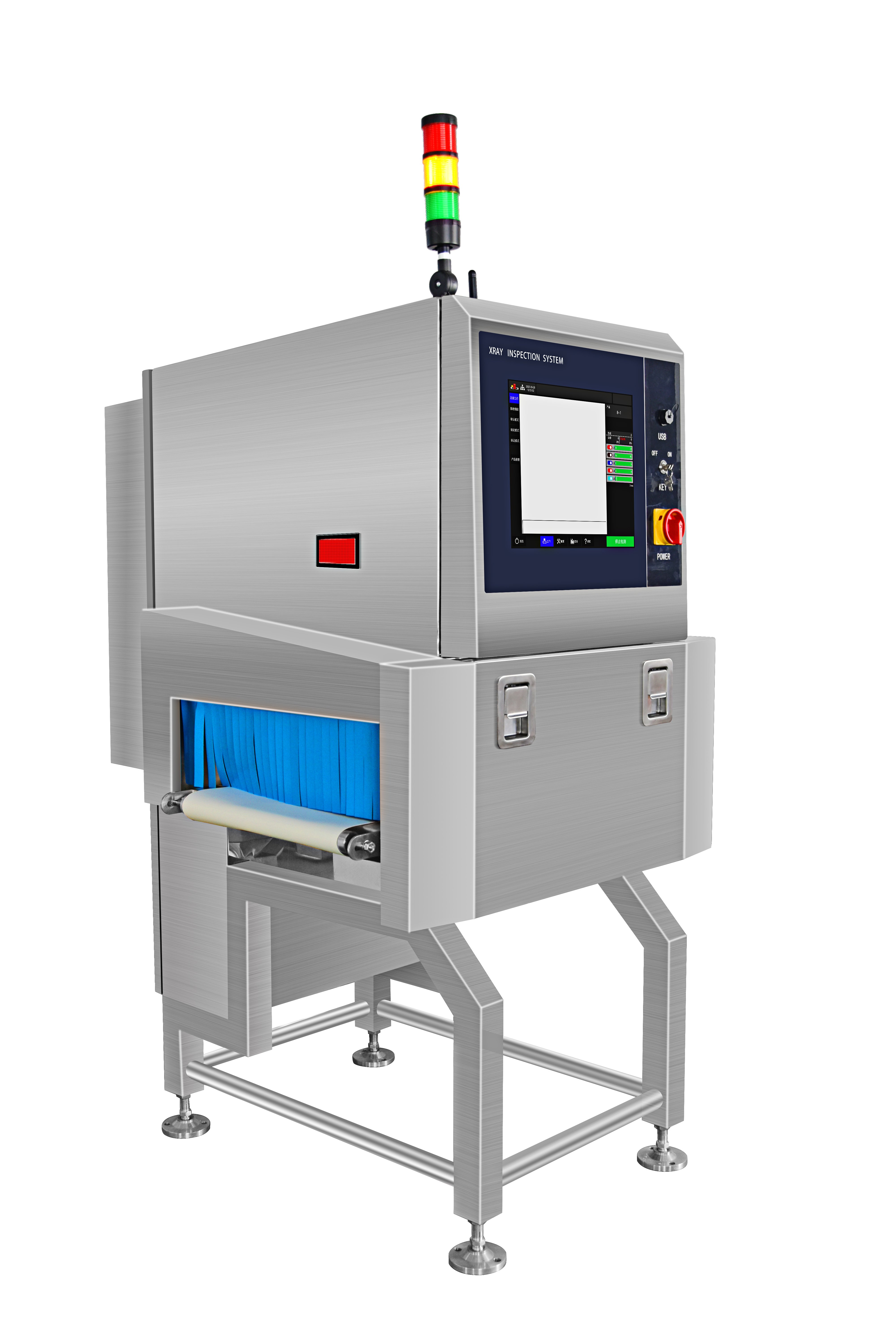
Bone fragments in deboned poultry represent a significant food safety risk that can damage equipment, harm consumers, and damage brand reputation. Modern food processing facilities require reliable detection methods to ensure product safety and regulatory compliance. An x ray machine has become the industry standard for identifying these contaminants with precision and speed. This advanced technology enables poultry processors to maintain stringent quality control while optimizing production throughput.
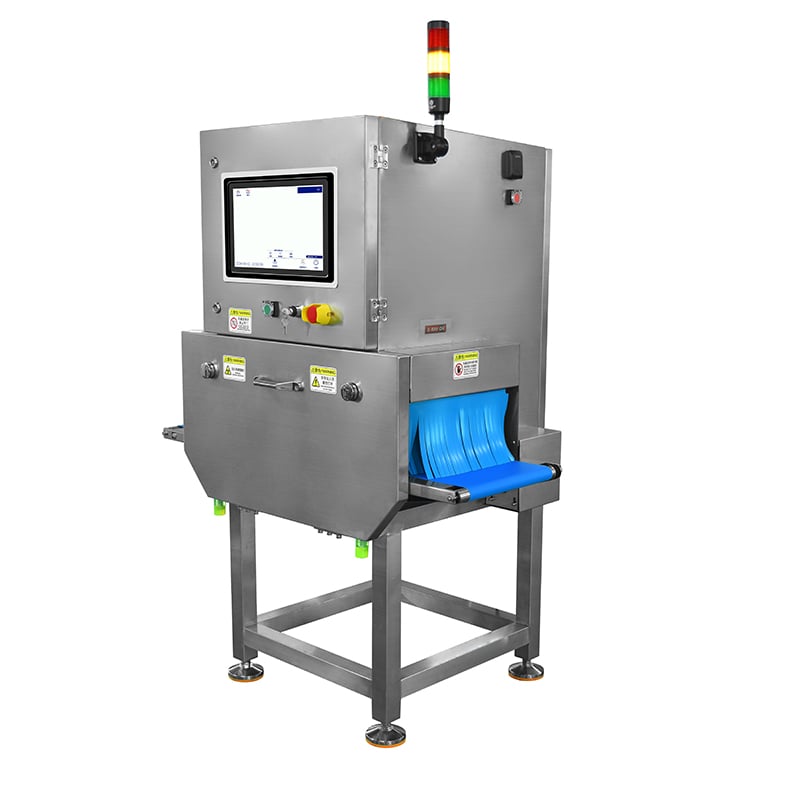
The challenge of detecting bone fragments in deboned poultry demands technology that combines sensitivity, speed, and accuracy. Traditional visual inspection methods are insufficient for catching small fragments that escape the deboning process. X ray inspection systems provide the level of detection required by modern food safety standards and consumer expectations. Understanding how these systems work and their benefits is essential for any poultry processor committed to product quality and safety.
How X Ray Machines Detect Bone Fragments
Operating Principle and Detection Mechanism
An x ray machine uses electromagnetic radiation to penetrate food products and reveal internal structure without damaging them. When deboned poultry passes through the x ray inspection beam, bone fragments appear as distinct density differences on the digital image. The system captures real-time images and compares them against programmed density thresholds. When a foreign object meets or exceeds the contamination criteria, the safety scanner automatically triggers rejection or operator alert.
The x ray machine's detection accuracy depends on fragment size, bone mineral density, and positioning within the product. Most modern systems can reliably detect bone fragments as small as 2 to 3 millimeters, well below the threshold that poses consumer safety risk. The technology distinguishes bone fragments from natural product density variations, reducing false rejections that waste product. This precision makes x ray inspection the preferred choice for quality control system implementation in poultry facilities.
Image Processing and Rejection Systems
Modern x ray inspection equipment features sophisticated image processing algorithms that enhance detection capability. The system analyzes each image segment in milliseconds, identifying anomalies that indicate contamination. When bone fragments are detected, the x ray machine triggers pneumatic ejectors or conveyor stops to remove affected products. Integration with facility management systems enables detailed reporting and traceability documentation for regulatory compliance.
Real-time feedback allows operators to monitor detection performance and adjust sensitivity settings as needed. The quality control system stores detection records, creating an audit trail that demonstrates due diligence to food safety authorities. Advanced systems offer customizable detection zones, enabling processors to focus inspection on areas most prone to bone fragment contamination in deboned poultry.
Benefits and Business Impact
Consumer Safety and Regulatory Compliance
Implementing an x ray machine for bone fragment detection directly protects consumer health and meets regulatory requirements established by food safety agencies. The technology reduces risk of product recalls, which damage brand reputation and create significant financial losses. By demonstrating proactive contamination prevention, processors enhance customer confidence and market position. An effective safety scanner protects against liability claims resulting from consumer injury or product damage caused by bone fragments.
Food safety regulations increasingly require documented foreign object detection systems in meat processing facilities. X ray inspection provides objective, verifiable evidence of contamination prevention efforts. This documentation proves essential during regulatory inspections and audit reviews. Compliance reduces legal exposure and supports market access for domestic and international distribution.
Production Efficiency and Quality Control System Integration
Modern x ray machines process products at line speed without slowing production flow, typically inspecting hundreds of items per minute. The efficiency of x ray inspection makes it economically viable for high-volume poultry operations. Integration with existing quality control system infrastructure streamlines data management and reporting. Automated rejection reduces manual inspection labor while improving consistency and reliability.
The x ray machine generates data that reveals contamination patterns and process improvement opportunities. Facilities can track bone fragment occurrence rates by production shift, equipment setting, or supplier batch. This analytical capability enables root cause analysis and preventive maintenance strategies. Advanced quality control systems use this data to optimize deboning processes and reduce contamination incidents.
Implementation Considerations for Poultry Processors
System Selection and Installation Requirements
Selecting an appropriate x ray machine requires evaluating product type, production volume, facility layout, and contamination risk profile. Different poultry products—whole birds, breasts, thighs, ground meat—present varying contamination risks and inspection requirements. The safety scanner must provide sufficient sensitivity for target contaminants while maintaining realistic throughput. Installation demands proper electrical infrastructure, conveyor integration, and operator workspace design to ensure safe and efficient operation.
Facility layout considerations include conveyor positioning, reject product handling, and operator access for maintenance. The x ray inspection system requires shielding to meet radiation safety standards and protect facility personnel. Integration with existing quality control system software and hardware ensures seamless data flow and reporting. Professional installation and commissioning ensure the x ray machine performs optimally from initial startup.
Operator Training and Ongoing Maintenance
Effective x ray machine operation requires trained personnel who understand system capabilities, sensitivity settings, and maintenance requirements. Operators must monitor detection performance, interpret alerts, and document rejected products appropriately. Regular calibration and sensitivity verification ensure the safety scanner maintains consistent detection capability over time. Scheduled maintenance prevents downtime and extends equipment lifespan.
Comprehensive training programs should cover system fundamentals, troubleshooting procedures, and regulatory compliance requirements. Documentation of training records supports audit compliance and demonstrates due diligence commitment. Ongoing support from equipment manufacturers ensures access to software updates, technical assistance, and replacement parts. Strong operator competency directly impacts the effectiveness of the quality control system and contamination prevention success.
FAQ
Can an x ray machine detect all types of bone fragments in deboned poultry?
An x ray machine reliably detects most bone fragments, but detection capability depends on fragment size, bone density, and product positioning. Small fragments below 2 millimeters may challenge detection systems, though modern technology continues improving sensitivity. The x ray inspection system performs best on consistently structured products; complex shapes or uneven density distribution may require sensitivity adjustments. Processors should validate detection performance with their specific products during system commissioning and periodically thereafter.
How does an x ray inspection system compare to metal detectors for safety scanning?
X ray inspection and metal detection serve complementary functions in a comprehensive quality control system. Metal detectors excel at finding ferrous and non-ferrous metals but cannot detect bone fragments effectively. Bone is non-metallic and will not trigger metal detector alarms. An x ray machine specifically detects bone, glass, and other dense foreign objects that pose consumer safety risks. Most advanced food processing facilities employ both technologies to address different contamination risks comprehensively.
What regulatory standards govern x ray machine use in poultry processing?
Food safety regulations including FSMA, HACCP, and international standards require documented foreign object detection systems in meat processing. The x ray inspection technology must comply with radiation safety standards established by regulatory agencies. Documentation of system validation, calibration records, and detection logs demonstrates regulatory compliance. Processors should consult local food safety authorities and equipment manufacturers to ensure their safety scanner meets all applicable regulations and industry standards.