 EN
EN


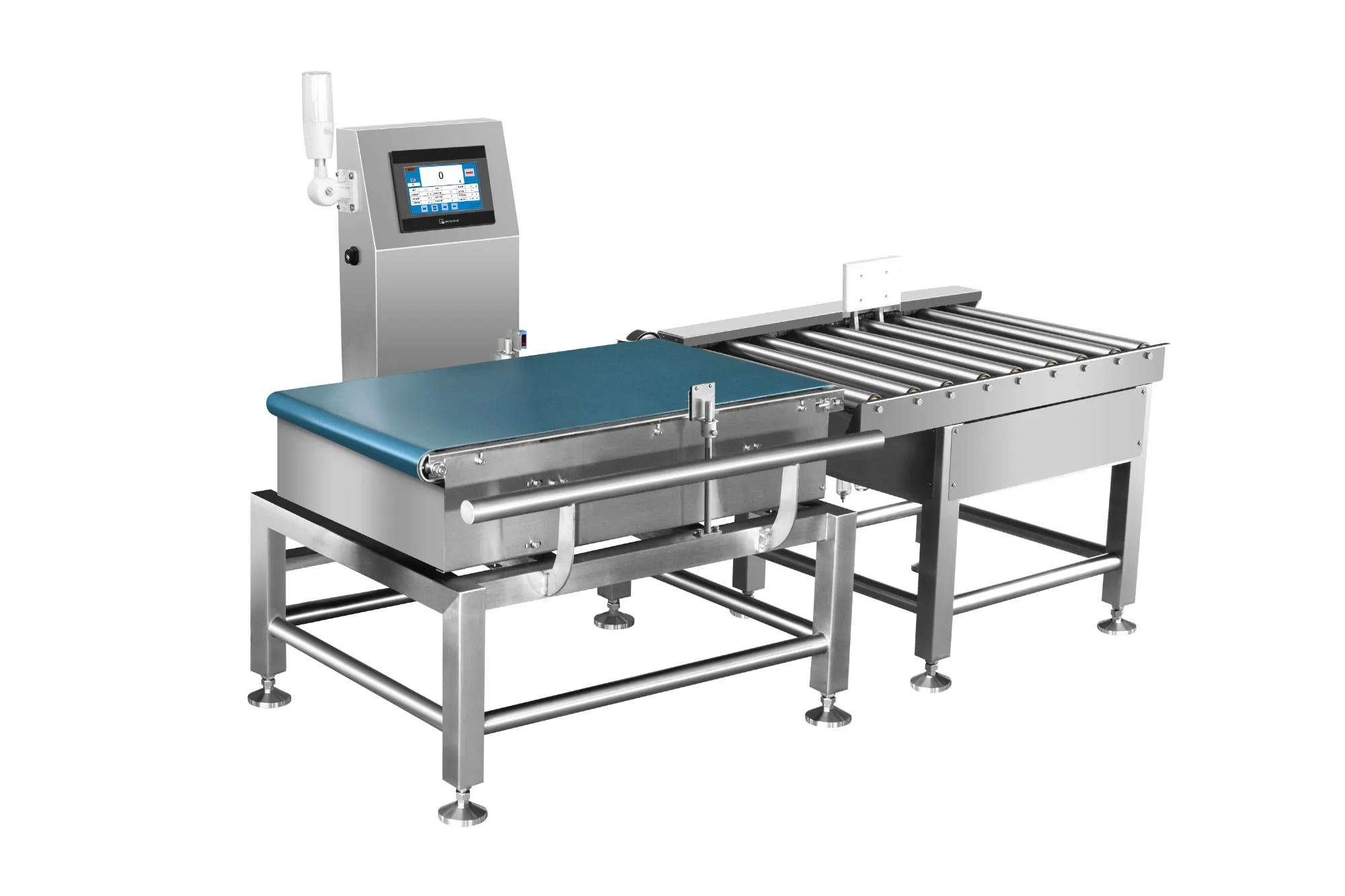
Belt speed matching represents one of the most overlooked yet fundamentally critical factors in achieving reliable accuracy with an inline checkweigher. When products move through your production line, the velocity at which they travel directly influences how the weighing system measures their mass. If the belt speed does not synchronize properly with the checkweigher's sensor response time and calibration parameters, even the most advanced automatic checkweigher technology cannot deliver consistent, dependable results. This synchronization issue extends beyond simple speed matching—it affects product stability on the scale platform, sensor contact duration, and ultimately the precision of weight verification across your entire operation.

In modern manufacturing environments, maintaining accurate weight verification is not merely a quality concern—it is a regulatory requirement and a cost control imperative. An automatic checkweigher integrated into a conveyor scale system must operate in perfect harmony with the line's conveyor belt to capture accurate product mass measurements. When belt speeds are misaligned, products either spend too little time on the weighing platform or encounter instability that corrupts the sensor signal. Both scenarios lead to rejected products, false positives, production slowdowns, and potential compliance violations. Understanding why belt speed matching matters is essential for production managers, quality engineers, and procurement professionals who want to optimize checkweigher performance and protect their bottom line.
How Belt Speed Affects Inline Checkweigher Sensor Performance
The Role of Dwell Time in Weight Measurement
Every inline checkweigher requires a minimum amount of time to stabilize its sensor reading and capture an accurate weight. This stabilization period, known as dwell time, is the duration during which a product sits stationary or moves slowly across the weighing platform. When a conveyor scale operates at a speed mismatched to the inline checkweigher's sensor response characteristics, the product spends either too much or too little time in the measurement zone. If the belt moves too fast, the product passes through before the sensor can settle, resulting in unstable readings and inaccurate weight verification. Conversely, if the belt speed is too slow, products accumulate and create bottlenecks, reducing line throughput and increasing the likelihood of product jams.
Sensor Stability and Product Contact Pressure
Proper belt speed matching ensures consistent contact between the product and the weighing platform. An automatic checkweigher relies on steady, predictable pressure distribution across its load cells to generate reliable weight data. When belt speed fluctuates or misaligns with system parameters, products bounce or shift as they move through the measurement zone, introducing mechanical vibration that corrupts sensor readings. This instability forces the inline checkweigher to reject measurements and slow the production line, creating unnecessary operational friction. Correct belt speed synchronization eliminates these stability issues and allows the weighing sensors to operate within their optimal performance envelope, delivering consistent, repeatable accuracy across thousands of product measurements.
Optimizing Automatic Checkweigher Performance Through Speed Alignment
Integration with Conveyor Scale Systems
A conveyor scale and an automatic checkweigher are designed to work as an integrated system where belt speed becomes a critical operating parameter. The conveyor scale must move products through the weighing zone at a speed that allows the inline checkweigher's sensors to capture stable readings while maintaining the desired production throughput. Speed alignment involves coordinating the belt drive system, encoder feedback, and the checkweigher's internal sampling rate to ensure synchronization. This integration also requires monitoring for belt slip, which can cause the actual product velocity to deviate from the commanded speed, leading to inconsistent dwell times and measurement errors. Professional integration during system commissioning includes calculating the optimal belt speed based on product characteristics, desired accuracy tolerances, and line throughput targets.
Calibration and Speed-Dependent Parameters
An automatic checkweigher's calibration is inherently speed-dependent. The system's firmware accounts for the belt speed when setting sensitivity thresholds, reject signal timing, and measurement windows. When belt speed deviates from the calibrated speed, the timing of reject commands may occur too early or too late, causing good products to be rejected or bad products to pass through. Modern inline checkweigher systems use encoder feedback to self-adjust for minor speed variations, but they cannot compensate for major deviations or sustained speed drift. Maintaining belt speed within tight tolerances—typically within 2–5% of the calibrated speed—is essential for preserving the accuracy assumptions built into the weight verification algorithm. Regular speed monitoring and belt tension maintenance prevent the speed creep that gradually degrades measurement reliability.
Practical Impact of Belt Speed Misalignment on Operations
Reject Rate Elevation and False Positives
When an inline checkweigher operates with mismatched belt speed, the first observable symptom is a spike in reject rates. Products within specification may be falsely rejected because the conveyor scale is capturing unstable readings or misaligned timing data. False positives waste product, increase disposal costs, and damage customer relationships when good items are shipped as rework instead of first-quality goods. A weight verification system with proper belt speed matching operates with lower, more consistent reject rates that reflect true product variability rather than measurement system errors. This operational benefit directly translates to reduced waste, higher first-pass quality, and improved profitability. Companies that invest in belt speed alignment often report 30–50% reductions in false rejections within the first week of optimization.
Production Throughput and Line Efficiency
Misaligned belt speed also constrains line throughput. An automatic checkweigher that cannot reliably measure products at the target line speed will force operators to slow down the conveyor, reducing the number of units processed per hour. This throughput penalty compounds over a full shift, resulting in missed production targets and increased unit costs. Correct belt speed matching allows the inline checkweigher to operate at its designed capacity, processing products at the maximum rate consistent with accurate weight verification. Operators also experience fewer manual interventions—less stopping to clear jams, fewer speed adjustments to troubleshoot rejects, and reduced downtime for calibration corrections. The cumulative effect is a more predictable, efficient production environment where the conveyor scale and automatic checkweigher work in harmony rather than in conflict.
FAQ
What is the typical tolerance range for belt speed in an inline checkweigher system?
Most automatic checkweigher systems are calibrated and optimized to operate within a belt speed tolerance of 2–5% of the target speed. Some advanced systems with real-time encoder feedback can tolerate slightly wider variations, but maintaining speed within this narrow band ensures stable sensor performance and accurate weight verification. Exceeding these tolerances degrades measurement stability and increases reject rates.
How do I determine the optimal belt speed for my conveyor scale and inline checkweigher?
The optimal belt speed depends on three factors: product size and weight, desired measurement accuracy, and production throughput target. During system commissioning, the integrator will test different speeds while monitoring sensor stability and dwell time to establish the speed that delivers the best balance of accuracy and throughput. This speed becomes your calibrated baseline. Regular monitoring with an encoder or tachometer ensures the belt continues to operate at this optimized speed.
What are the signs that my inline checkweigher belt speed is misaligned?
Common indicators include elevated and inconsistent reject rates, unstable weight readings on the display, frequent false positives, pressure to slow down the line, or sudden spikes in measurement variability. If you observe these symptoms, measure the actual belt speed with an encoder and compare it to the calibrated speed. A mismatch usually indicates belt slip, motor drift, or drive system wear that requires immediate attention.