 EN
EN


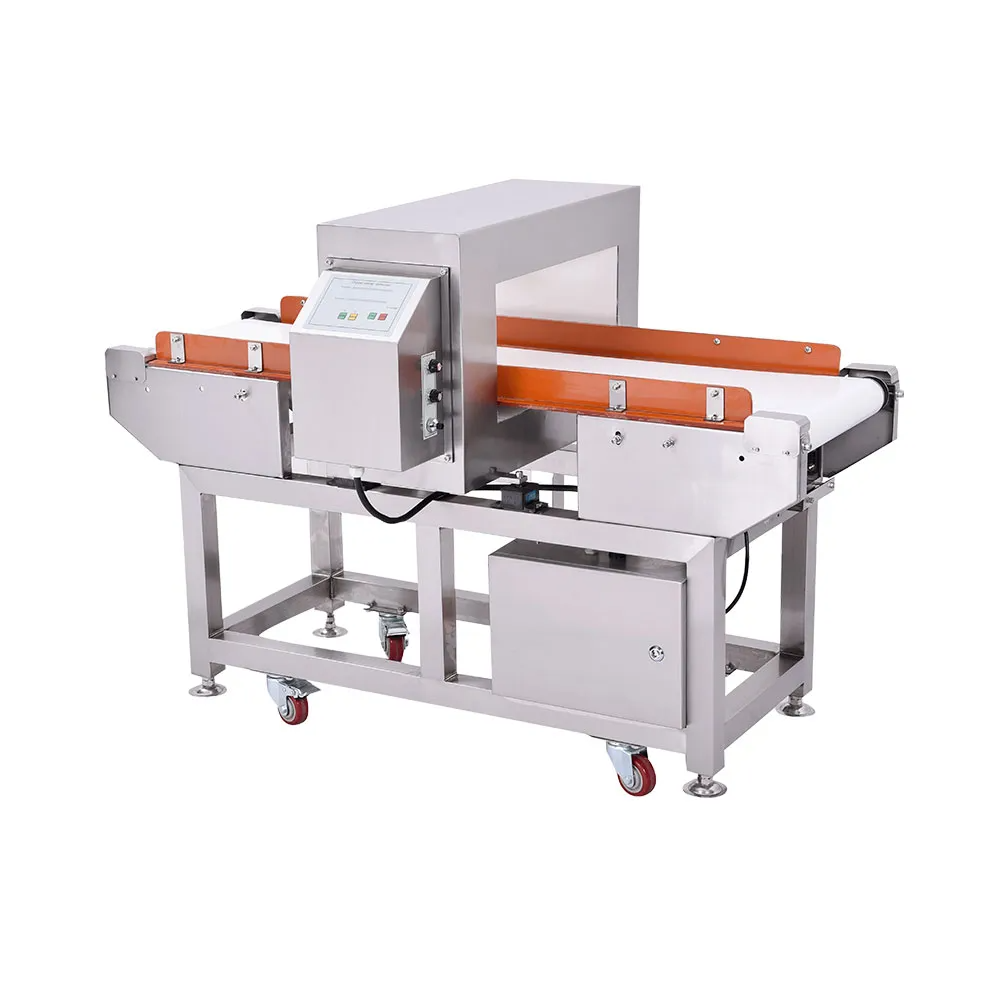
Detecting non-ferrous metals in difficult packaging presents one of the most challenging quality control scenarios in modern manufacturing and food processing. When products are wrapped in aluminum foil, metallic films, or composite materials, conventional inspection methods often fail to identify dangerous metal contamination. A specialized metal detector designed specifically for these applications becomes essential for protecting both consumer safety and brand reputation.
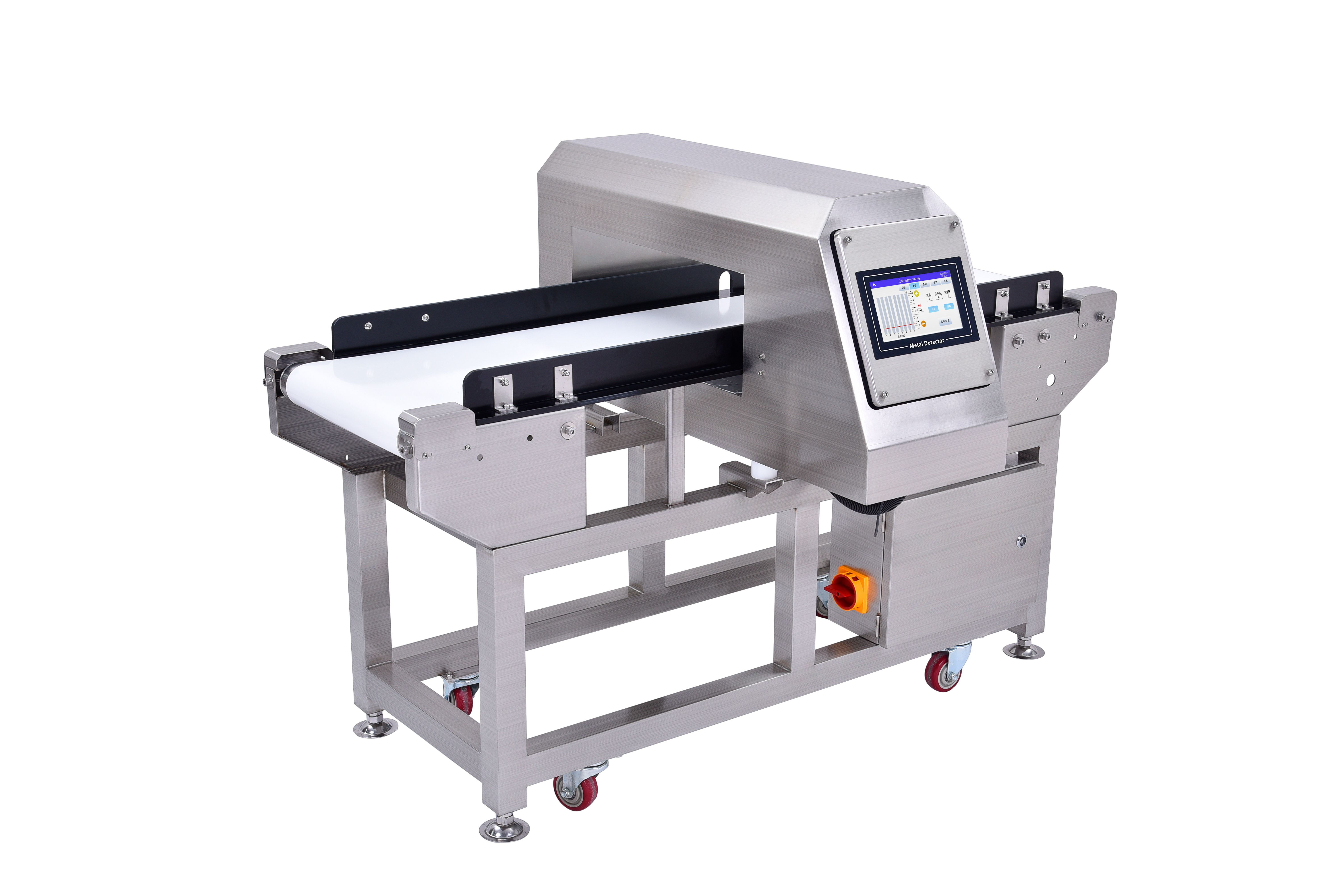
The complexity arises because metallic packaging itself generates electromagnetic interference that can mask the presence of actual contaminants. Standard industrial metal detector systems struggle to differentiate between the intentional metallic material and foreign metal particles that pose genuine health risks. Understanding the technology behind effective contamination detection in these demanding environments is crucial for manufacturers seeking reliable quality assurance solutions.
Why Non-Ferrous Metal Detection Matters in Difficult Packaging
Non-ferrous metals like aluminum, copper, and brass are particularly hazardous because they don't respond to magnetic separation methods. When a food metal detector encounters these materials mixed with aluminum foil or metallic film packaging, the challenge intensifies exponentially. Consumer injury, regulatory violations, and product recalls represent real business consequences when contamination detection fails at critical inspection points.
The Hidden Risks of Metallic Packaging
Metallic film and aluminum foil wrapping create an environment where contamination can hide easily. An industrial metal detector must penetrate these materials while maintaining sensitivity to fragments as small as 0.7mm. The electromagnetic field generated by the metal detector must be sophisticated enough to ignore the intentional metal content while responding instantly to foreign particles that represent actual contamination hazards.
Manufacturing accidents introduce non-ferrous metals through broken machinery, worn equipment, or processing errors. A food metal detector positioned downstream of packaging operations catches these contaminants before they reach consumers. This preventive approach protects brand trust and ensures compliance with increasingly strict food safety regulations worldwide.
Impact on Brand Protection and Regulatory Compliance
Regulatory agencies mandate that manufacturers implement effective contamination detection systems as part of hazard analysis protocols. An industrial metal detector that fails to catch non-ferrous metals exposes companies to legal liability, consumer lawsuits, and market withdrawal orders. Investment in specialized detection technology demonstrates commitment to safety and positions manufacturers as responsible industry leaders.
Product recalls triggered by metal contamination damage brand reputation far beyond immediate financial costs. Customers lose confidence, market share declines, and negative publicity spreads rapidly through digital channels. A reliable food metal detector becomes insurance against these catastrophic business disruptions.
How Industrial Metal Detector Technology Overcomes Packaging Barriers
Advanced Signal Processing in Challenging Environments
Modern industrial metal detector systems employ multi-frequency technology to distinguish between metallic packaging and genuine contaminants. The metal detector operates at frequencies optimized for specific packaging materials, creating sensitivity patterns that respond differently to intentional versus foreign metals. This technological sophistication enables contamination detection even when products pass through complex production lines at high speeds.
The metal detector's electronic architecture includes dynamic filtering that adapts to background noise generated by metallic materials. As packaging moves through the detection field, the system continuously adjusts threshold settings to maintain sensitivity to non-ferrous particles while rejecting false alarms from the wrapper itself. This intelligent processing ensures reliable identification without production slowdowns.
Ultra-High Precision Detection Capabilities
Food metal detector performance depends critically on sensitivity specifications, typically measured in millimeters. Ultra-high precision industrial metal detector models can reliably identify particles as small as 0.7mm, far below thresholds that could cause consumer harm. This detection capability extends across ferrous metals, non-ferrous metals, and stainless steel particles.
A metal detector calibrated for difficult packaging applications maintains detection accuracy regardless of product composition or wrapper thickness variations. Quality control teams configure contamination detection thresholds based on specific production requirements, balancing sensitivity against practical operational constraints. The industrial metal detector becomes a customizable tool adapted to each facility's unique packaging and product matrix.
Implementation Strategies for Effective Contamination Detection
Strategic Placement and Integration
Optimal contamination detection requires positioning the food metal detector at critical control points within production workflows. Placement immediately after packaging operations catches contaminants introduced during wrapping and sealing. Positioning before finished product storage prevents contaminated items from entering inventory or distribution channels.
Integration with automated rejection systems amplifies the metal detector's effectiveness. When the industrial metal detector identifies non-ferrous metals or other contamination, automated gates divert suspect products from production lines without manual intervention. This integration maintains throughput while ensuring contamination detection prevents defective products from reaching customers.
Maintenance and Validation Protocols
Regular testing confirms that the metal detector maintains sensitivity and detects non-ferrous metals consistently. Quality assurance teams use standardized test samples containing known metal particles to verify contamination detection performance. A food metal detector that fails validation testing receives immediate maintenance or replacement before resuming production duty.
Calibration procedures account for environmental factors, packaging material changes, and equipment drift over time. The industrial metal detector requires periodic recalibration to maintain specified detection thresholds for non-ferrous metals. Documentation of validation results provides evidence of due diligence should regulatory inspections occur and supports defense against contamination-related liability claims.
FAQ
Can a standard metal detector identify non-ferrous metals in metallic packaging?
Standard metal detector designs struggle with non-ferrous metals in metallic packaging because the wrapper itself generates overwhelming electromagnetic interference. A specialized industrial metal detector employs multi-frequency technology and advanced signal processing to overcome this challenge, whereas general-purpose detection equipment typically fails or produces excessive false alarms in these demanding applications.
What detection sensitivity levels are necessary for food safety compliance?
Regulatory standards and industry best practices recommend food metal detector sensitivity of 0.7mm to 1.0mm for non-ferrous metal particles in packaged products. This contamination detection threshold protects consumers from harmful ingestion while remaining practical for production environments. An industrial metal detector must verify and document this performance capability through validated testing protocols.
How does contamination detection affect production speed and efficiency?
Modern industrial metal detector systems process products at line speed without production slowdowns when properly configured. Contamination detection occurs instantly as items pass through the detection field, with minimal impact on throughput. The food metal detector's automated rejection capabilities maintain efficiency while ensuring no contaminated products proceed to distribution.