 EN
EN


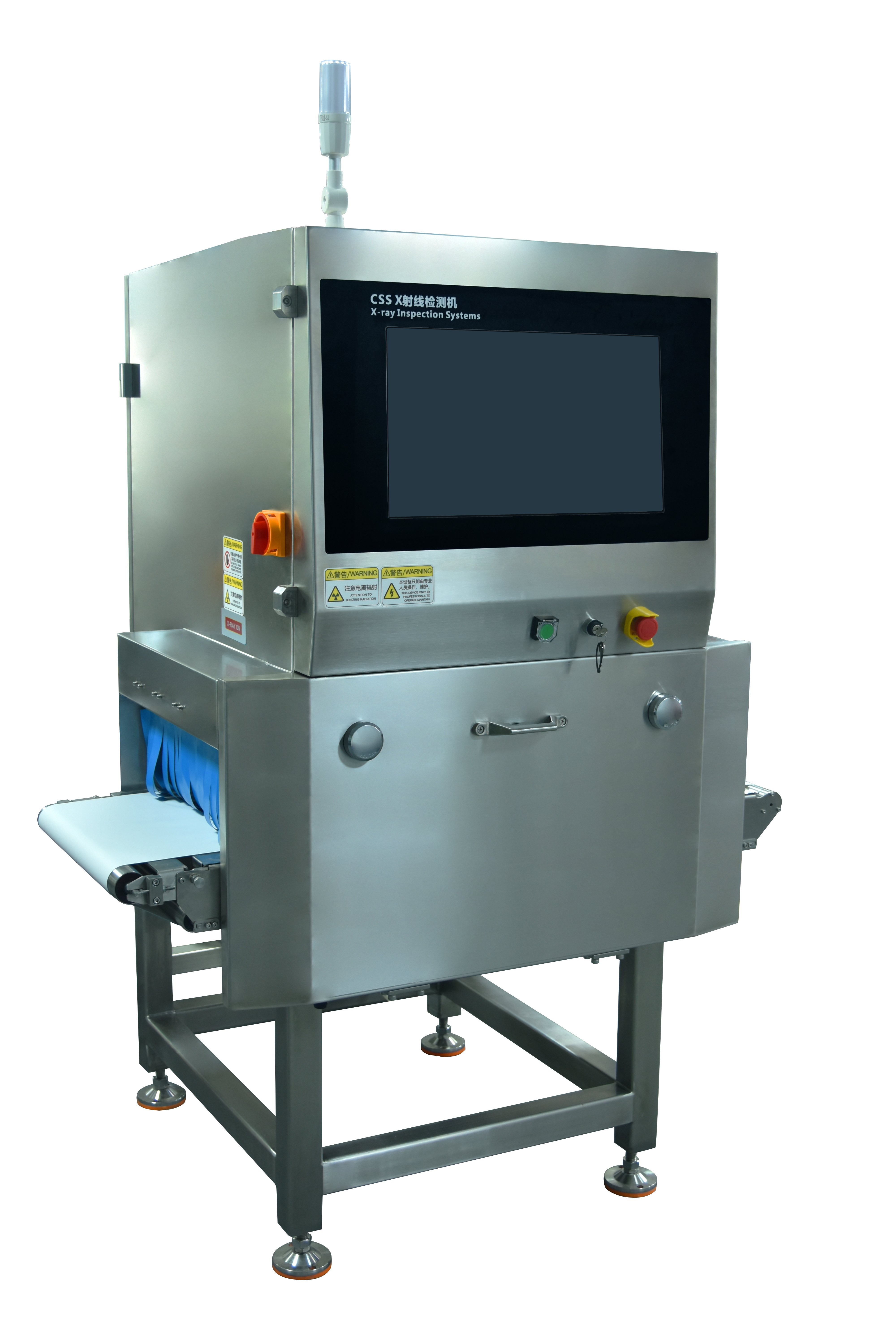
Shielding curtains are critical components in x ray food inspection systems that protect operators and the surrounding environment from unintended radiation exposure. These specialized barriers must maintain their protective integrity throughout their operational lifespan. Understanding how to evaluate shielding curtain wear is essential for food manufacturers and inspection facility managers who depend on these systems to meet regulatory compliance and ensure workplace safety. The condition of your shielding curtains directly affects the reliability and safety profile of your entire food x ray machine installation.
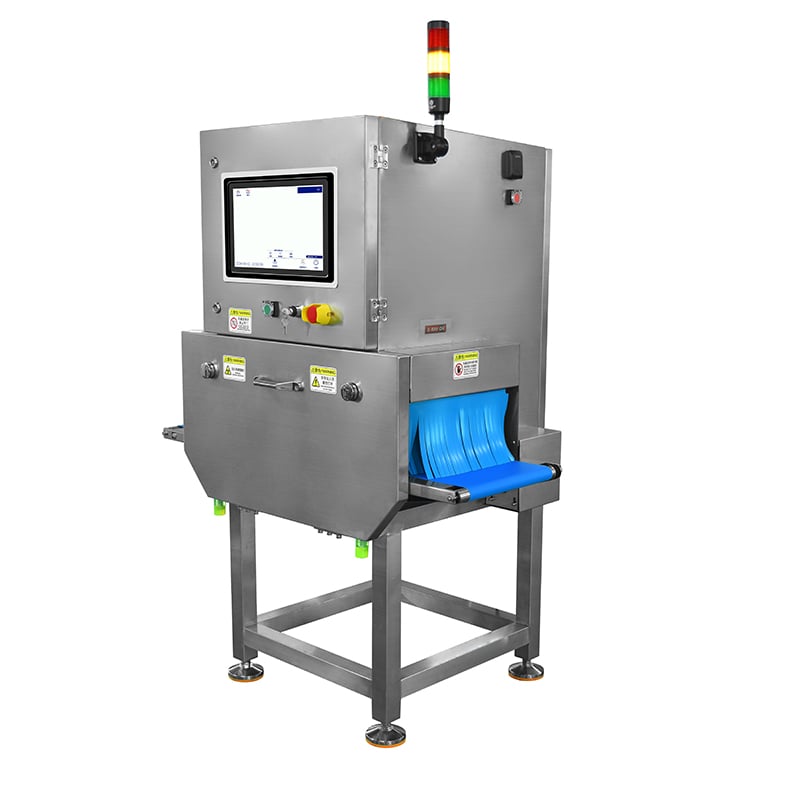
Regular evaluation of shielding curtain condition prevents unexpected failures and costly downtime in production environments. When shielding materials begin to degrade, they lose their capacity to absorb and deflect radiation effectively. This degradation can be subtle at first but escalates over time, particularly in high-throughput food processing environments where safety inspection equipment runs continuously. Implementing a structured evaluation process helps facility managers identify wear patterns early and plan maintenance or replacement activities proactively.
Understanding Shielding Curtain Degradation Patterns
Visual Indicators of Wear
Visual inspection forms the foundation of any shielding curtain assessment protocol. Look for cracks, tears, punctures, or separation in the protective layers that compose your packaging scanner shielding system. Surface discoloration, brittleness, or flaking of the outer coating often signals internal material breakdown. Over time, the lead or other radiation-absorbing materials within curtains can shift slightly, creating thin spots or uneven coverage. Flexibility loss is another key indicator—curtains that were once pliable may become stiff or inflexible when their binding materials deteriorate. Regular photographic documentation allows facility managers to track changes across months or years and identify acceleration in wear rates.
Thickness and Material Integrity Assessment
The protective capability of any food x ray machine shielding curtain depends on maintaining specified material thickness and composition. Fluoroscopy or specialized measurement tools can verify that lead-equivalent thickness remains within design parameters. Internal delamination—where protective layers separate from backing materials—compromises shielding effectiveness even if external surfaces appear intact. Material testing services can analyze samples from worn areas to confirm whether the shielding composition matches original specifications. When thickness measurements fall below 80% of the original specification, replacement becomes necessary to maintain safety inspection standards.
Radiation Leakage and Safety Compliance Evaluation
Radiation Detection and Measurement
Direct radiation measurement represents the most definitive method for evaluating whether degraded shielding curtains still provide adequate protection. Licensed radiation safety professionals use calibrated survey meters to measure exposure rates at the exterior surface of x ray food inspection systems during normal operation. Background readings should be taken before measurement to ensure accurate baseline values. Measurements taken around seams, edges, and areas showing visible wear reveal whether compromised shielding allows unacceptable leakage. If readings exceed facility limits or regulatory thresholds, curtain replacement is immediately warranted regardless of other factors. Annual or bi-annual radiation surveys create a trend history that helps predict when replacement will become necessary.
Regulatory Compliance Requirements
Workplace radiation safety regulations establish maximum permissible exposure limits that your food x ray machine must maintain. OSHA standards and state radiation control agencies require that shielding systems keep occupational exposures as low as reasonably achievable. Documentation of shielding evaluations becomes part of your compliance record. When regulatory inspectors review your packaging scanner safety inspection protocols, they expect evidence of systematic maintenance and wear assessment. Failing shielding curtains can result in regulatory citations, operational shutdowns, or facility closure in severe cases. Establishing a documented evaluation schedule demonstrates your commitment to ongoing compliance with safety inspection standards.
Maintenance Strategies and Replacement Planning
Preventive Maintenance and Extension Practices
Extending shielding curtain lifespan requires protective measures that minimize environmental stress. Controlling humidity and temperature fluctuations in the inspection area prevents material brittleness and helps maintain flexibility. Avoiding mechanical stress—such as rough handling during cleaning or maintenance—prevents premature tearing or puncturing. Protective coverings or outer shields can shield the primary x ray food inspection systems shielding material from dust, moisture, and accidental contact. Regular gentle cleaning with appropriate materials removes buildup without damaging protective coatings. Installing guards or bumpers in high-traffic areas around your food x ray machine reduces collision damage. Proper ventilation maintains environmental conditions that support material longevity.
Replacement Timing and Procurement Strategy
Planning shielding curtain replacement before critical failure prevents unscheduled production halts. Monitor wear progression trends to forecast when replacement will become necessary, typically allowing 3–6 months for procurement and installation planning. Factor replacement costs into annual maintenance budgets rather than treating curtain failure as an emergency expense. Work with qualified vendors experienced in x ray food inspection systems to ensure replacement curtains meet your specific packaging scanner specifications. Maintaining current spare parts inventory for common replacement components reduces downtime when wear accelerates unexpectedly. Scheduling replacement during planned maintenance windows minimizes production disruption. Proper installation by trained technicians ensures that new shielding maintains design specifications and regulatory compliance.
FAQ
How often should shielding curtains in x ray food inspection systems be evaluated?
Industry best practice recommends visual inspection every 3–6 months and formal radiation surveys annually for food x ray machine installations. High-volume production environments or facilities with older equipment may require more frequent evaluation. Documented wear trends help establish the optimal evaluation interval for your specific food x ray inspection systems.
What radiation leakage levels indicate that a packaging scanner shielding curtain requires replacement?
Most regulatory frameworks require that shielding maintain occupational exposure below 0.05 mrem per week in controlled areas. When survey measurements exceed facility limits or show upward trends over successive measurements, replacement becomes necessary. A qualified radiation safety professional can interpret results relative to your specific regulatory requirements and workplace exposure limits.
Can damaged shielding curtains in safety inspection equipment be repaired instead of replaced?
Minor surface damage such as small tears in outer coatings can be temporarily sealed with specialized radiation-blocking tape. However, structural damage to the protective core material, significant thickness loss, or radiation leakage detection typically requires full replacement rather than repair to ensure reliable safety inspection performance across x ray food inspection systems.