 EN
EN


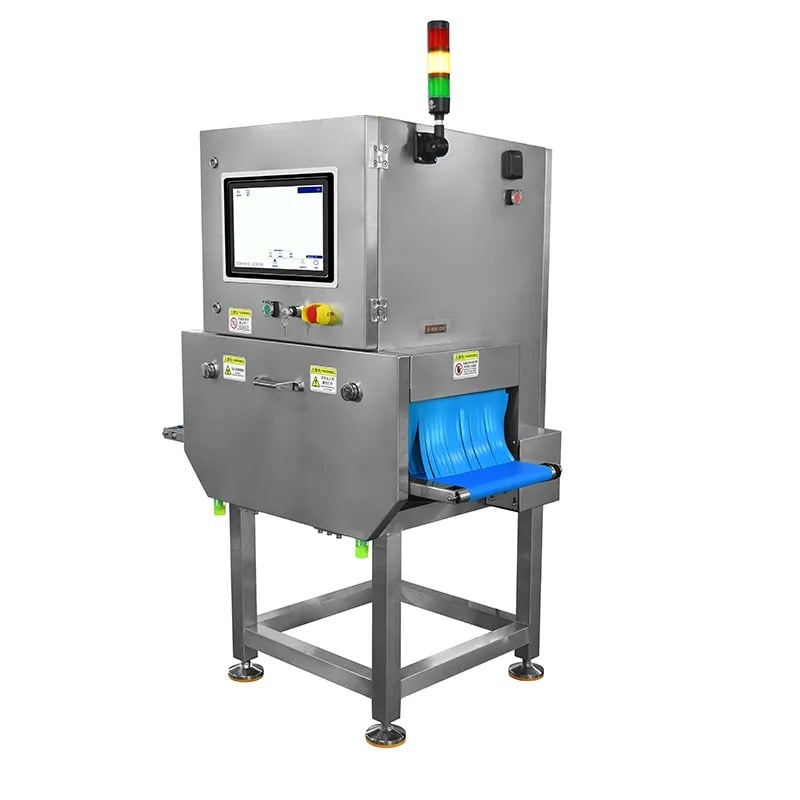
Ceramic contamination in food products represents a serious quality and safety risk that food manufacturers must address with precision and reliability. Tiny ceramic particles can enter production lines through broken equipment, worn machinery components, or damaged handling tools, and once embedded in food products, they pose direct health hazards to consumers. Detecting these microscopic contaminants requires advanced detection technology that can identify even the smallest ceramic fragments before products reach distribution channels. This is where modern x ray food inspection systems have become indispensable in food production environments.
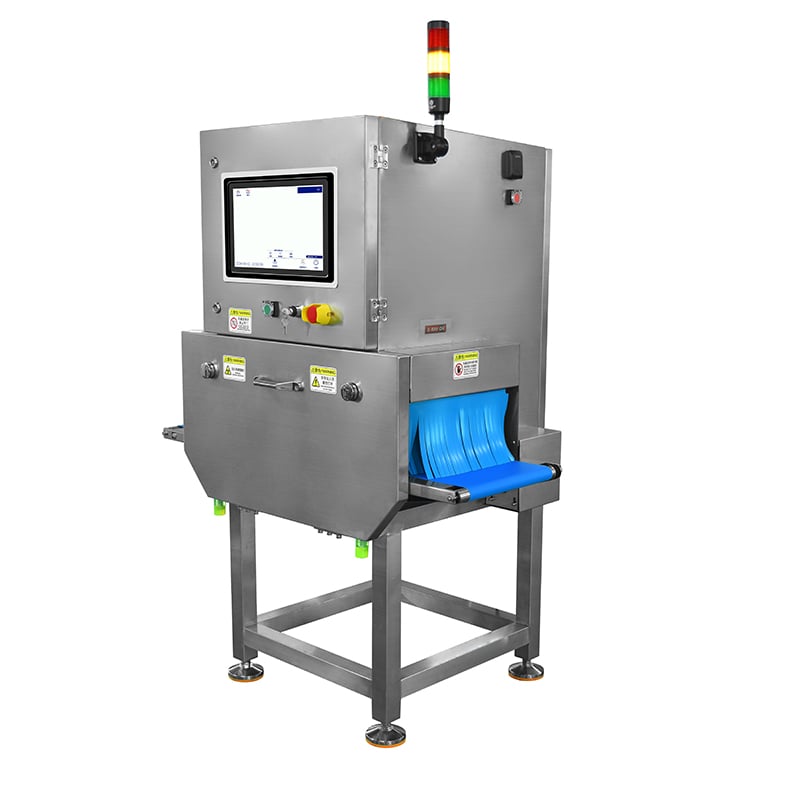
The food x ray machine represents a critical advancement in contamination detection because it utilizes electromagnetic radiation to penetrate food packaging and identify foreign objects with exceptional accuracy. Unlike traditional visual inspection methods that rely on human observation and are prone to error, safety inspection using x ray technology provides objective, consistent results that can be documented and traced for regulatory compliance. Modern packaging scanner solutions integrated with x ray systems enable manufacturers to maintain quality standards while protecting consumer safety and brand reputation.
How X Ray Technology Detects Ceramic Particles
Penetration and Image Capture in Food X Ray Machines
X ray food inspection systems work by directing electromagnetic energy through packaged food products to create detailed internal images. When ceramic fragments are present, they appear as distinct shadows or density variations on the captured image because ceramic materials have different x ray absorption properties than food matrices. The food x ray machine captures these differences in real time, allowing automated detection software to flag suspect products before they move through the production line. This penetration capability means that ceramic contaminants hidden deep within food packages cannot escape detection, regardless of packaging opacity or product density.
Resolution and Sensitivity Standards
Modern x ray food inspection systems can reliably detect ceramic particles as small as 0.5 millimeters, which exceeds regulatory requirements in most jurisdictions. The sensitivity of packaging scanner equipment is calibrated to distinguish ceramic fragments from natural food components like bone chips, seeds, or fibrous material that may have different density signatures. Safety inspection procedures establish minimum detection thresholds based on risk assessment, ensuring that only products meeting established contamination limits proceed to packaging and distribution stages. Higher resolution x ray systems provide greater confidence in detecting very small ceramic particles that could otherwise pose choking hazards or cause oral injuries.
Integration into Production Workflows
Positioning and Line Speed Compatibility
X ray food inspection systems are positioned strategically within production lines, typically after primary processing but before final packaging, to maximize contamination detection opportunities. The food x ray machine must operate at line speeds matching production capacity, often handling hundreds of packages per minute without creating bottlenecks. Modern safety inspection equipment incorporates high-speed conveyors and rapid image processing to maintain throughput while delivering reliable contamination detection. Packaging scanner systems communicate with automated rejection mechanisms that remove contaminated products from the line instantaneously, preventing unsafe items from reaching consumers.
Data Management and Traceability
Contemporary x ray food inspection systems generate detailed logs documenting every product scanned, detection events, and system performance metrics. This data becomes essential for regulatory audits, recall investigations, and quality trending analysis that demonstrates manufacturer commitment to safety inspection standards. The food x ray machine stores images of flagged products, creating permanent records that support traceability and root cause analysis when contamination incidents occur. Packaging scanner systems integrated with enterprise quality management platforms enable real-time alerts to production supervisors and automatic notifications to quality assurance teams when contamination detection rates exceed established thresholds.
Ceramic Contamination Sources and Prevention Context
Common Entry Points for Ceramic Fragments
Ceramic contamination typically originates from damaged industrial equipment, particularly from worn ceramic components in grinding mills, mixing vessels, or conveyor systems used throughout food production. X ray food inspection systems detect these fragments after they enter the product stream, but understanding contamination sources helps manufacturers implement preventive maintenance programs that reduce ceramic particle generation. Food x ray machine data can identify production batches with elevated contamination levels, signaling equipment maintenance needs or process adjustments. Safety inspection programs that combine advanced detection technology with equipment monitoring create comprehensive protection against ceramic and other foreign object contamination.
Regulatory Compliance and Risk Management
Food safety regulations in most countries mandate that manufacturers implement foreign object detection systems capable of identifying ceramic contaminants within established size parameters. X ray food inspection systems meet or exceed these regulatory requirements, providing objective evidence of due diligence in contamination control. The packaging scanner technology demonstrates to regulatory agencies and consumers that manufacturers are committed to rigorous safety inspection protocols. By deploying food x ray machines throughout production facilities, manufacturers reduce liability exposure, protect brand reputation, and demonstrate compliance with international food safety standards.
FAQ
Can x ray food inspection systems detect all ceramic particle sizes?
Modern x ray food inspection systems can reliably detect ceramic particles down to approximately 0.5 millimeters in diameter, which covers the vast majority of contamination scenarios. However, detection capability depends on factors including particle density, product matrix composition, and x ray system specifications. Manufacturers should conduct sensitivity studies specific to their product categories to establish reliable detection limits and ensure safety inspection performance meets regulatory requirements. Particles smaller than 0.5 millimeters are generally considered unlikely to cause significant injury, though risk assessments should guide specific threshold decisions.
How does the food x ray machine differentiate ceramic from other contaminants?
The food x ray machine identifies contaminants based on density and x ray absorption characteristics, which vary significantly between ceramic fragments, metal particles, glass shards, and bone material. Packaging scanner software incorporates advanced image analysis algorithms that distinguish between different contaminant types based on their unique x ray signatures. Safety inspection systems can be configured to flag specific contaminant categories or alert operators only when materials matching ceramic density profiles are detected, reducing false positive alerts and improving operational efficiency.
What maintenance is required for x ray food inspection systems?
X ray food inspection systems require regular calibration checks, software updates, and component inspections to maintain detection accuracy and operational reliability. The food x ray machine should undergo quarterly sensitivity verification using standard test samples that simulate ceramic contamination at known sizes. Packaging scanner equipment typically requires annual professional maintenance from qualified technicians, and safety inspection protocols should include daily operational tests before production begins. Proper maintenance ensures that x ray systems continue delivering consistent contamination detection throughout their operational lifespan.