 EN
EN

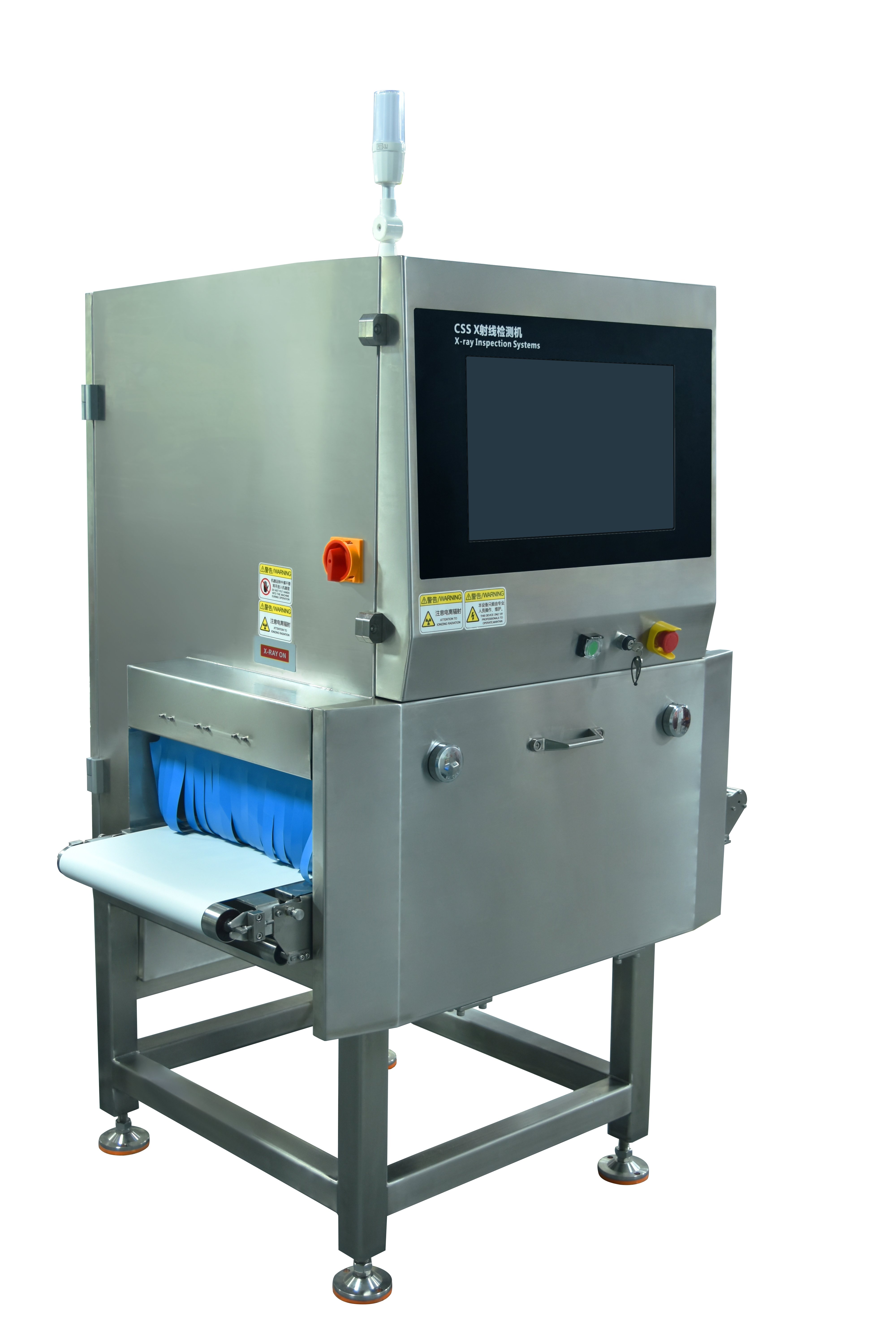
Modern food manufacturing demands precision and reliability at every production stage. A food x-ray inspection system represents one of the most critical technologies for ensuring product safety and meeting regulatory compliance. Within these sophisticated systems, multi-lane conveyor mechanisms play a foundational role in delivering consistent, high-throughput inspection capabilities. Understanding how these conveyors function inside a comprehensive food x-ray inspection system reveals the engineering sophistication required to protect consumers and maintain brand reputation.
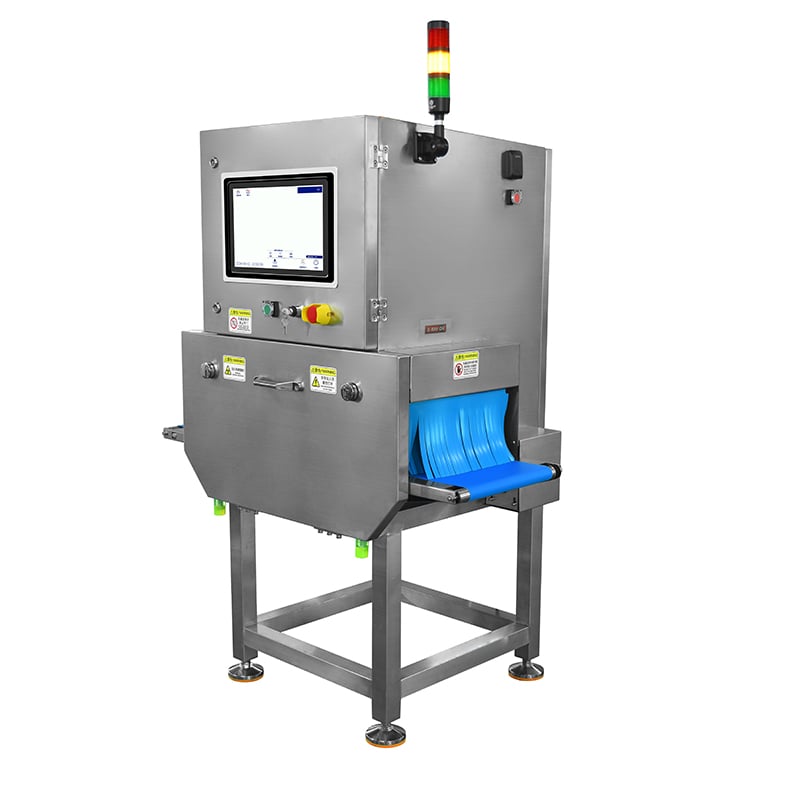
The integration of multi-lane conveyor systems within a food x-ray inspection system enables manufacturers to process multiple product streams simultaneously while maintaining stringent contamination detector standards. Each lane operates independently yet synchronizes with the x ray food scanner's imaging and analysis protocols. This parallel processing architecture allows facilities to dramatically increase throughput without sacrificing the accuracy and sensitivity required for effective safety inspection.
Conveyor Architecture and Lane Organization
Multi-Lane Design Principles
Multi-lane conveyor systems within a food x-ray inspection system are engineered to handle diverse product geometries and production rates simultaneously. Each conveyor lane features independent speed controls, enabling operators to optimize the x ray food scanner's exposure time and image capture frequency for different product types. The lanes are typically arranged in parallel configurations, with each lane equipped with its own sensor infrastructure for synchronization and contamination detector triggering.
The physical spacing and alignment of lanes within a food x-ray inspection system must meet strict dimensional tolerances to ensure uniform x-ray beam penetration and consistent safety inspection results. Advanced systems employ precision-engineered dividers and lane guides that maintain product integrity while preventing cross-contamination between separate product streams. Each lane maintains independent product flow, ensuring that a hold-up or quality issue in one lane does not disrupt production across the entire system.
Synchronization and Control Logic
Synchronization between conveyor lanes and the x ray food scanner represents a critical engineering challenge in food x-ray inspection system design. Industrial-grade programmable logic controllers monitor conveyor speed, product spacing, and sensor data across all lanes simultaneously. When a product enters the inspection zone, the contamination detector algorithms receive synchronized timing data from each lane, allowing precise image correlation and defect analysis.
The safety inspection process relies on real-time communication between conveyor drive motors and imaging sensors. If a product occupies the inspection area, the system temporarily adjusts conveyor speed or triggers a momentary pause to ensure adequate x-ray exposure and image clarity. This dynamic control mechanism ensures that every item receives proper scanning regardless of production rate variations or seasonal product changes.
Image Capture and Contamination Detection Workflow
Real-Time Scanning Integration
Within a food x-ray inspection system, the conveyor's role extends beyond simple product transport to active participation in the imaging process. As products travel through the x ray food scanner, conveyor encoders communicate positional data that triggers synchronized x-ray pulses. This encoder-driven trigger mechanism ensures that images are captured at precise, repeatable product locations, enabling the contamination detector to establish baseline and anomaly data with laboratory-grade accuracy.
Multi-lane configurations introduce complexity to this synchronization, as each lane must maintain independent encoder feedback while sharing processing resources with the food x-ray inspection system's central imaging unit. Advanced systems employ distributed edge processing, allowing each lane's local controller to perform preliminary contamination detection before forwarding results to the main analysis engine. This architecture reduces latency and improves overall system responsiveness during safety inspection operations.
Defect Response and Product Routing
When a contamination detector within the food x-ray inspection system identifies a problematic item, the multi-lane conveyor system must execute precise rejection logic without disrupting adjacent lanes. Pneumatic ejectors or mechanical diverters positioned downstream of the x ray food scanner receive trigger signals with lane-specific targeting information. This ensures that only the flagged product is removed during safety inspection, while compliant items from adjacent lanes continue uninterrupted toward packaging.
The rejection mechanism must operate reliably at production speeds ranging from dozens to hundreds of items per minute, depending on product type and facility configuration. Each lane maintains independent reject logic, allowing different contamination detector thresholds or sensitivity settings across lanes if products vary in composition or size. This flexibility transforms a food x-ray inspection system into a versatile tool capable of handling diverse product portfolios within a single facility.
Performance Optimization and Maintenance Strategies
Throughput and Accuracy Balance
Operators managing multi-lane conveyor systems in a food x-ray inspection system face a critical balance between production speed and detection accuracy. Increasing conveyor velocity may reduce inspection dwell time, compromising the x ray food scanner's ability to capture high-resolution images necessary for contamination detector sensitivity. Conversely, reducing speed to optimize image quality can create production bottlenecks and increase per-unit inspection time, affecting overall facility economics.
Modern food x-ray inspection system designs address this challenge through adaptive speed algorithms that automatically adjust conveyor velocity based on product density, size, and composition. The contamination detector's confidence metrics inform real-time speed adjustments, ensuring that complex products receive extended exposure while simpler items move through more rapidly. This intelligent approach maintains consistent safety inspection quality while maximizing throughput across all lanes.
Maintenance and Reliability Management
Multi-lane conveyor systems within a food x-ray inspection system require systematic preventive maintenance to sustain reliable operation and contamination detector accuracy. Each lane's drive components, sensors, and mechanical elements must be regularly inspected for wear, alignment drift, and contamination accumulation. Scheduled maintenance intervals should be coordinated with safety inspection performance benchmarks to identify degradation trends before they impact product quality.
The x ray food scanner's effectiveness depends heavily on consistent conveyor performance, making lane-specific monitoring essential. Advanced systems employ predictive maintenance sensors that track vibration, temperature, and encoder accuracy across all lanes. Early warning indicators allow facility managers to address emerging issues before they compromise the food x-ray inspection system's ability to detect contaminants reliably. This proactive approach reduces unplanned downtime while ensuring continuous safety inspection capability.
FAQ
How do multi-lane conveyors improve throughput in a food x-ray inspection system?
Multi-lane conveyors process several product streams in parallel, allowing a food x-ray inspection system to inspect multiple items simultaneously. Each x ray food scanner lane operates independently, so the contamination detector can analyze several products during the same time window. This parallel architecture dramatically increases overall inspection capacity while maintaining the same per-product safety inspection accuracy and speed as single-lane systems.
Can different product types run on separate lanes within one food x-ray inspection system?
Yes, modern multi-lane conveyor systems support independent configuration for each lane within a food x-ray inspection system. The x ray food scanner allows separate sensitivity settings, size parameters, and contamination detector thresholds for each lane. This flexibility enables a single food x-ray inspection system to handle diverse products—such as different snack types, portion sizes, or packaged goods—without requiring separate equipment or extensive recalibration between product changeovers.
What happens if one conveyor lane stops during safety inspection?
Multi-lane conveyor systems in a food x-ray inspection system are designed with independent lane control, so one lane's stoppage does not automatically halt the entire x ray food scanner or contamination detector operation. Remaining lanes continue processing products normally, allowing production to continue while maintenance personnel address the issue. Most systems include alarms and monitoring to alert operators quickly, and the safety inspection process ensures that all products receive proper scanning before reaching the reject station.